

Corn Snake Care 101: The Complete Guide to America’s Favourite Pet Snake


Choosing a corn snake as your first reptile doesn't mean you're settling for a simple pet; you're investing in a vibrant companion that can thrive for over 20 years with expert care. According to the 2023 APPA National Pet Owners Survey, reptiles are now found in roughly 6 million American households, and this species remains a top choice for good reason. You likely feel a mix of excitement and nerves about your new arrival. It's normal to feel anxious about calibrating heating systems or choosing from the 800 unique color morphs currently recognized by breeders.
At Garden State Pet Center, we believe every owner should feel like a knowledgeable partner in their pet's health. This guide provides the trusted expertise you need to master every essential, from building a premium habitat to confidently feeding frozen-thawed prey. You'll gain the confidence to set up a professional-grade environment and understand long-term health requirements. We will walk through the specific steps to identify a healthy snake and maintain its well-being for a lifetime. Discover how to provide top quality care for your pet today.
Key Takeaways
- Discover why these docile North American colubrids are the trusted "gold standard" for an anxiety-free first pet experience.
- Master the essentials of habitat design by learning the specific enclosure sizes and temperature controls needed for a healthy corn snake.
- Elevate your reptile’s long-term health with expert guidance on premium nutrition and the importance of sourcing high-quality feeders.
- Understand the vital role of thermoregulation and the specialized equipment required to mimic natural North American environments.
- Learn how to identify vibrant genetic morphs and use our professional framework to choose a healthy, active individual for your home.
Why the Corn Snake is the Gold Standard for New Keepers
The corn snake (Pantherophis guttatus) stands as the most popular choice for reptile enthusiasts across North America for very specific reasons. This docile colubrid is native to the southeastern United States and has become the benchmark for what a pet reptile should be. New keepers often feel anxious about the complexity of reptile husbandry, but this species offers an "anxiety-free" introduction to the hobby. They are hardy, forgiving of minor beginner mistakes, and lack the aggressive tendencies found in many other snake species.
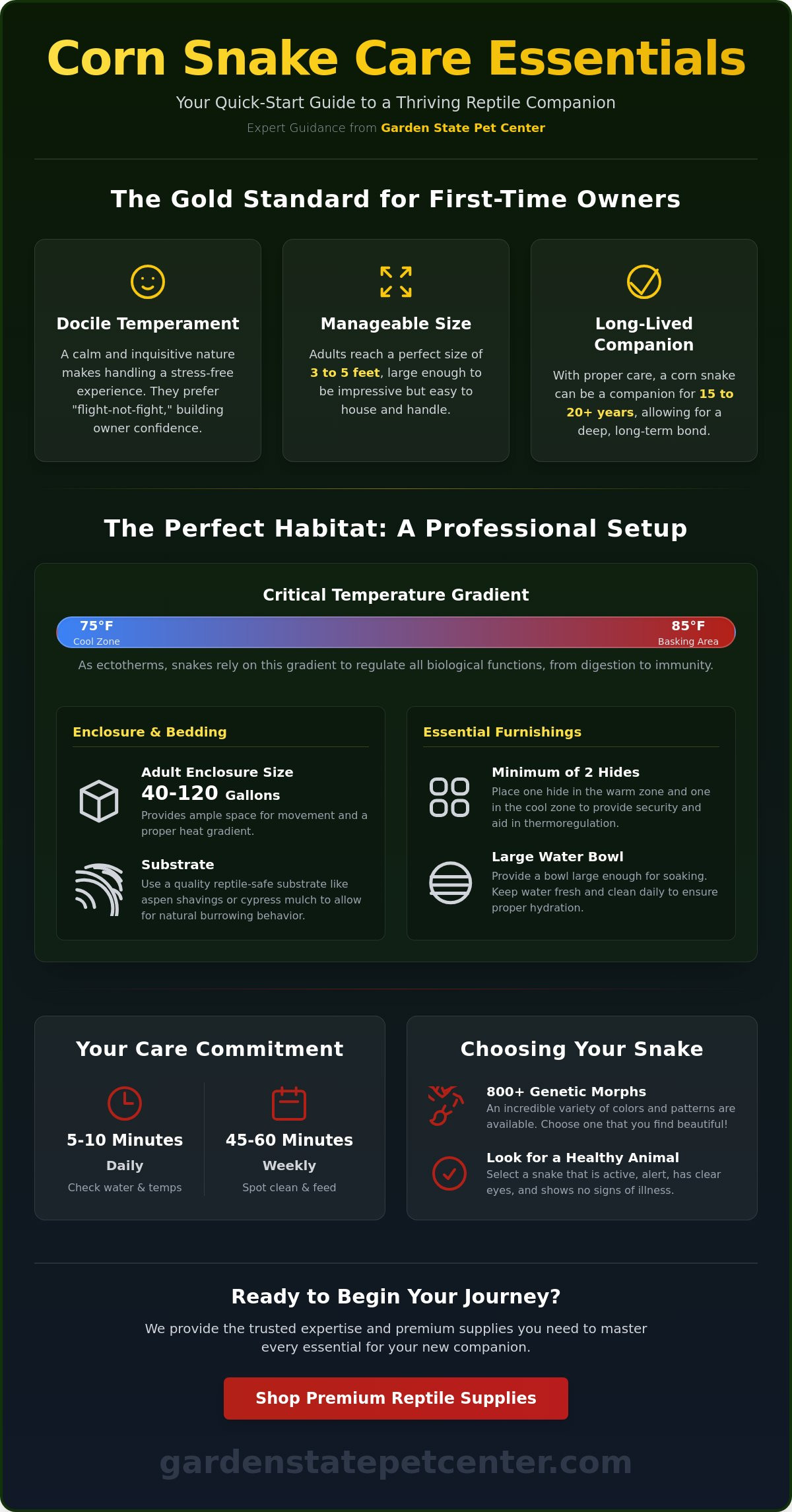
A deep dive into Corn Snake Biology and Natural Behaviour reveals a creature that is perfectly sized for the modern home. Adults typically reach a manageable length of 3 to 5 feet, which is large enough to feel substantial but small enough to house in a standard 40 to 120-gallon enclosure. When you choose a corn snake, you are choosing a trusted companion that can live for 15 to 20 years, with many well-cared-for individuals reaching age 22 or older. This longevity allows for a deep bond to form between the pet and the keeper over two decades.
To better understand why these snakes are so highly regarded, watch this helpful video:
Temperament and Handleability
Corn snakes possess an inquisitive and calm disposition that makes them a joy to handle. While some snakes are prone to defensive biting, the corn snake utilizes a "flight-not-fight" instinct, usually choosing to crawl away rather than strike. This predictable behavior builds confidence in first-time owners. In the context of captive-bred hatchlings, docility is defined as the snake's ability to remain calm and inquisitive during handling without showing signs of stress or defensiveness. They quickly habituate to human touch, making them one of the most reliable species for regular interaction.
Ease of Care vs. Specialized Needs
It's vital to recognize that "easy" care doesn't mean "zero" care. You'll need to commit about 5 to 10 minutes every day to check water bowls and monitor habitat temperatures. On a weekly basis, expect to spend 45 to 60 minutes on tasks like spot cleaning the substrate and feeding. Expert-led guidance is essential for setting up the initial habitat correctly. By utilizing premium reptile supplies, you ensure that environmental variables like humidity and heat stay within the required 75 to 85 degree Fahrenheit range. Consistent maintenance is the secret to a thriving, long-lived pet.
Understanding Corn Snake Biology and Natural Behaviour
Corn snakes (Pantherophis guttatus) are native to the Eastern United States, with a range extending from the pine barrens of New Jersey down through the Florida Keys and west into Louisiana. These snakes are masters of adaptation, thriving in diverse Corn Snake Habitat types such as overgrown fields, forest openings, and suburban barns. Their name comes from the distinct "checkerboard" pattern on their bellies. Early settlers in the 1800s noted that these patterns resembled the kernels of flint corn or maize, leading to the common name we use today.
The Science of Ectothermy
As ectothermic animals, corn snakes cannot produce their own body heat. They rely entirely on their environment to regulate internal functions. Digestion typically takes 48 to 72 hours, but this process stalls if the snake cannot reach its preferred optimal temperature. Creating a precise thermal gradient in their enclosure is vital for their long term health. This setup allows your pet to move between a warm basking area of 85°F and a cooler zone of 75°F. For a corn snake, temperature is the engine of life, dictating every biological process from the speed of heartbeats to the efficiency of the immune system.
Senses and Communication
These fascinating reptiles experience the world through a specialized sensory system that differs significantly from human perception. As a trusted provider of expert reptile advice, we focus on helping owners understand these unique traits to ensure their pets thrive. Their communication is subtle, often expressed through body language and habitat usage.
- Jacobson's Organ: They use forked tongues to gather chemical particles, which are then processed by this organ in the roof of the mouth to "smell" their surroundings.
- Vibration Perception: They lack external ears but are incredibly sensitive to ground-borne vibrations felt through their jawbones and belly scales.
- Crepuscular Activity: These snakes are most active during the dim light of dawn and dusk, which fits perfectly with the schedule of most pet owners.
If you notice your pet hiding or burrowing into the substrate, it's often a natural instinct for security rather than a sign of distress. These behaviors are common in "anxious pets" that are adjusting to a new environment or preparing for a shed. Providing deep substrate allows them to express these natural digging impulses. Discover our range of premium reptile supplies to create a habitat that supports these vital biological behaviors.
Designing the Perfect Corn Snake Habitat
Creating a thriving environment for your corn snake starts with selecting the right enclosure. While hatchlings feel secure in a 20-gallon long tank, they quickly outgrow these spaces within 12 to 18 months. For a fully grown adult, a 40-gallon breeder tank measuring 36 by 18 by 18 inches is the absolute minimum requirement. Many keepers now advocate for 120-gallon enclosures (48 by 24 by 24 inches) to allow these active climbers room to stretch and explore.
Choosing between glass and PVC is your first major decision. Glass terrariums offer excellent visibility and are widely available, but they often struggle with heat retention. PVC enclosures are 30% more efficient at maintaining stable temperatures and humidity levels, making them a premium choice for long-term care. To further enhance the climate stability of your reptile room, you may want to discover Window Galaxy USA for energy-efficient window upgrades. Regardless of the material, a locking lid is mandatory. These snakes are notorious escape artists capable of squeezing through gaps as thin as a pencil.
Substrate and Decor
The foundation of the habitat is the substrate, which should facilitate natural burrowing behaviors. Aspen shavings are a popular, dust-free choice for maintaining dry environments. If you live in a particularly arid climate, cypress mulch or a bioactive soil mix can help maintain the required 40% to 50% humidity range. You can explore various setup options by browsing our collection of Reptile Terrariums to find the best fit for your home.
- Two Hides: Place one hide on the warm end and one on the cool end so your snake doesn't have to choose between security and temperature regulation.
- Climbing Branches: Corn snakes are semi-arboreal. Sturdy branches increase the usable surface area of the tank by 40%.
- Leaf Litter: Adding dried oak or maple leaves provides "environmental enrichment," encouraging foraging and hiding behaviors that reduce stress.
Lighting and Temperature Control
Corn snakes are ectothermic, meaning they rely on their environment to regulate body temperature. You must establish a thermal gradient. This includes a basking spot of 85 to 88 degrees Fahrenheit and a cool side that stays between 75 and 80 degrees. Using a heat mat or a deep heat projector is effective, but every heat source must be connected to a thermostat to prevent accidental overheating or burns.
While corn snakes can survive without specialized lighting, providing low-level UVB (5% to 7% output) significantly benefits their physiological health and immune system. This mimics the dappled sunlight they encounter in the wild. For a deeper dive into specific housing setups, read our guide on Corn Snake Habitats: Choosing the Right Enclosure. Proper lighting cycles of 12 hours on and 12 hours off help maintain a natural circadian rhythm, ensuring your pet remains active and healthy for its 15 to 20-year lifespan.
Advanced Nutrition and Health Maintenance
Proper nutrition is the foundation of a long, vibrant life for your corn snake. These reptiles are carnivores that thrive on a diet of rodents, specifically mice. Choosing the right size is vital for safety and digestion. A general rule is to offer prey that's no wider than 1.5 times the girth of the snake's thickest part. High quality feeders provide essential calcium and protein that fuel growth and immune function. Low quality sources often lack nutrient density or carry parasites that can compromise your pet's health.
Feeding schedules must shift as your snake matures. Follow these expert guidelines to maintain a healthy weight:
- Hatchlings: Feed one pinky mouse every 5 to 7 days.
- Juveniles: Feed one appropriately sized mouse every 7 to 10 days.
- Adults: Feed one large mouse every 10 to 14 days.
If your pet refuses food, don't panic immediately. This behavior is common if the enclosure temperature drops below 75 degrees Fahrenheit or if the snake is entering a shed cycle. Check your habitat settings and wait a few days before trying again. Consistent refusal for more than three scheduled feedings warrants a consultation with a reptile specialist.
Feeding Techniques and Safety
Safety is a priority during mealtime. We strongly advocate for frozen-thawed feeding because live rodents can bite or scratch, leading to severe infections or even death. Use the "thaw and warm" method for the best results. Thaw the mouse in the refrigerator, then place it in a sealed bag and dip it in hot water until it reaches roughly 100 degrees Fahrenheit. This mimics the heat signature of live prey and triggers a strong strike response. You can find Premium Pet Food options that meet these rigorous standards at our store.
Identifying and Preventing Common Ailments
Monitoring the shed cycle is a key part of corn snake maintenance. A healthy shed should come off in one complete piece. If you see patches of skin left behind, known as "stuck shed" or dysecdysis, it usually means the humidity has dropped below 40 percent. Maintaining a humidity range of 40 percent to 50 percent prevents these issues and protects the respiratory system. Low humidity is a leading cause of respiratory infections, which present as wheezing or bubbles near the nostrils. For those adding a new member to their household, we recommend Disease Screening and health supplies to ensure a clean bill of health from day one.
Keep your reptile thriving with our expert-selected supplies. Shop our premium reptile collection today for top-quality feeders and health essentials.
Choosing Your Corn Snake: Morphs, Temperament, and Sourcing
Selecting your first corn snake is an exciting milestone that requires a keen eye for detail. You'll quickly encounter the term "morph," which refers to the diverse genetic variations in color and pattern. While a wild specimen typically displays orange and earthy brown tones, dedicated breeders have developed over 800 distinct color combinations through selective genetics. It's vital to remember that these variations are purely aesthetic. Whether you choose a high-contrast pattern or a solid hue, the fundamental care requirements remain consistent across the species.
Finding a healthy individual starts with a physical inspection. Look for clear, bright eyes that are free from any retained skin or "spectacles" from a previous shed. The snake should be alert and flicking its tongue frequently to sample its surroundings. This behavior indicates a functioning sensory system and a healthy level of curiosity. Gently feel the body; it should have firm muscle tone and a rounded shape. Avoid snakes that appear "triangular" with visible ribs or those that show signs of respiratory distress, such as bubbles at the nose or audible clicking sounds.
Ethical sourcing is a non-negotiable part of responsible pet ownership. You should always prioritize captive-bred specimens over wild-caught ones. Wild-caught reptiles often carry heavy parasite loads and experience extreme stress during transport, which can lead to a 30% higher mortality rate compared to those hatched in a controlled environment. Captive-bred snakes are generally hardier, more docile, and already accustomed to eating frozen-thawed prey, making your transition into reptile keeping much smoother.
Popular Morphs for Beginners
If you're looking for a specific aesthetic, several "classic" morphs are widely available and stunning to look at. Amelanistic snakes lack black pigment, resulting in brilliant reds and oranges with white borders. Anerythristic morphs lack red pigment, offering a sophisticated palette of greys, blacks, and silvers. For those who prefer a lighter look, the Snow morph combines both traits to create a beautiful white snake with subtle pink or yellow undertones. Discover these varieties and more by browsing our Reptile Collection for current availability.
The Importance of Expert Sourcing
Buying from a trusted specialist is the best way to ensure your new pet has received premium care from day one. Unlike big-box retailers that often lack specialized training, an expert provider can give you a documented feeding history and insights into the snake's specific temperament. This level of transparency is essential for a successful long-term relationship with your pet. We encourage you to consult with a specialist to discuss enclosure setups and feeding schedules before making your final decision. Visit Garden State Pet Center to find your perfect corn snake companion and start your journey with confidence.
Take the Next Step in Your Reptile Keeping Journey
Mastering the care of a corn snake is a rewarding journey that provides years of fascinating companionship. By focusing on precise habitat gradients and a diet supported by modern science, you provide your pet with a foundation for a healthy life. Since 1990, Garden State Pet Center has helped thousands of keepers navigate the complexities of exotic animal husbandry. Our team includes an on-site certified pet nutritionist who understands the specific dietary requirements of your reptile. We've spent over three decades building a reputation as a trusted authority in the industry. You don't have to guess when it comes to enclosure setups or health maintenance. We offer nationwide shipping on premium reptile supplies to bring our expertise directly to your door. Your commitment to learning ensures your new pet will flourish in its new home.
Discover Premium Reptile Supplies and Expert Care at Garden State Pet Center
We're excited to see you succeed as you welcome this incredible animal into your life.
Frequently Asked Questions
Is a corn snake a good pet for a child?
A corn snake makes an excellent pet for children aged 10 or older because of its docile temperament and manageable size. These snakes rarely bite and are known for being more tolerant of handling than many other reptile species. Always ensure an adult supervises every interaction to protect the welfare of the animal. Our expert team considers them a top choice for families starting their journey into reptile ownership.
How big of a tank does a full-grown corn snake need?
A full-grown corn snake requires a minimum of a 40-gallon breeder tank, though a 120-gallon enclosure measuring 4 feet by 2 feet is the current expert standard for animal welfare. Since these snakes grow to lengths between 3 and 5 feet, they need ample room to stretch out and climb. Providing a larger habitat allows you to include premium enrichment items like branches and multiple hiding spots for your trusted pet.
How often should I feed my corn snake?
Feed a hatchling corn snake one appropriately sized rodent every 5 to 7 days to support its rapid growth. Once the snake reaches adulthood at approximately 2 to 3 years old, you should transition to a feeding schedule of once every 10 to 14 days. Monitoring your snake’s weight is vital, as roughly 20 percent of captive snakes suffer from health issues related to overfeeding and obesity.
Do corn snakes need UVB lighting to survive?
While corn snakes can survive without it, providing a 2 percent to 5 percent UVB light source greatly enhances their vitamin D3 synthesis and natural behaviors. Expert keepers recommend a 12-hour light cycle to mimic the snake's natural environment and support a healthy circadian rhythm. Using top quality lighting ensures your pet remains vibrant and active, reflecting the high standard of care we advocate for all reptiles.
Why is my corn snake hiding all the time?
Hiding is a natural behavior for a corn snake because they are crepuscular, which means they're most active during the twilight hours of dawn and dusk. In the wild, these animals spend about 80 percent of their time concealed to remain safe from predators. If your snake never emerges, verify that your enclosure temperatures stay between 75 and 85 degrees Fahrenheit so they aren't hiding to escape improper heat levels.
Can two corn snakes live in the same enclosure?
No, you should never house two corn snakes together because they are solitary animals that don't benefit from social interaction. Forcing snakes to share a habitat leads to significant stress, competition for heat sources, and a risk of cannibalism. To ensure each pet thrives, provide separate enclosures equipped with their own premium supplies and dedicated hiding areas to maintain a safe and healthy environment.
How long do corn snakes live in captivity?
Corn snakes typically live between 15 and 20 years when they receive expert care and a consistent, nutritious diet. Some well-maintained individuals have been documented reaching the age of 25 in captive environments. This long lifespan makes them a significant commitment, so it's important to partner with a trusted provider for your specialized supplies and health needs throughout the snake's entire life.
What should I do if my corn snake is about to shed?
Increase the humidity in the habitat to between 60 and 70 percent to help the old skin separate cleanly from the new layer. You should avoid handling your snake during this 7 to 14 day process because their new skin is fragile and their vision is often clouded. Once the shed is finished, check the tail tip and eyes to ensure 100 percent of the skin was removed successfully.
Share this post
- 0 comment
- Tags: corn snake