

Raw Cat Food Guide: Health Benefits and Safety Tips


Your cat is a tiny, domestic tiger, yet most commercial diets treat them like a scavenger rather than the obligate carnivore they truly are. It's understandable if you feel overwhelmed by "complete and balanced" labels or worry about the safety of Raw Cat Food. You want the best for your companion, but the fear of pathogens or the struggle of transitioning a picky eater can make the process feel daunting. We believe that feeding your cat shouldn't be a source of stress, but a proactive way to honor their biological needs and welfare.
Discover how a raw diet mimics a cat's natural hunting instincts to improve digestion, coat health, and longevity. You'll learn how to achieve a shinier coat and better weight management while gaining peace of mind from expert-vetted food choices. We will walk you through the latest safety protocols, including the January 19, 2025, FDA directive regarding H5N1, and provide practical steps for a seamless transition. This guide provides the clarity you need to move beyond commercial processing and return to the specialized nutrition your cat was born to eat.
Key Takeaways
- Understand the biological foundation of the BARF diet and why uncooked proteins are essential for obligate carnivores.
- Identify the immediate physical benefits of raw feeding, from improved energy levels to smaller, less odorous litter box deposits.
- Compare frozen and freeze-dried Raw Cat Food options to balance nutritional density with your daily convenience.
- Gain confidence in food safety by learning how a cat's highly acidic digestive system naturally manages bacterial concerns.
- Explore the value of protein rotation and expert-vetted curation to ensure your cat receives a complete and balanced nutritional profile.
Understanding Raw Cat Food: The Biologically Appropriate Diet
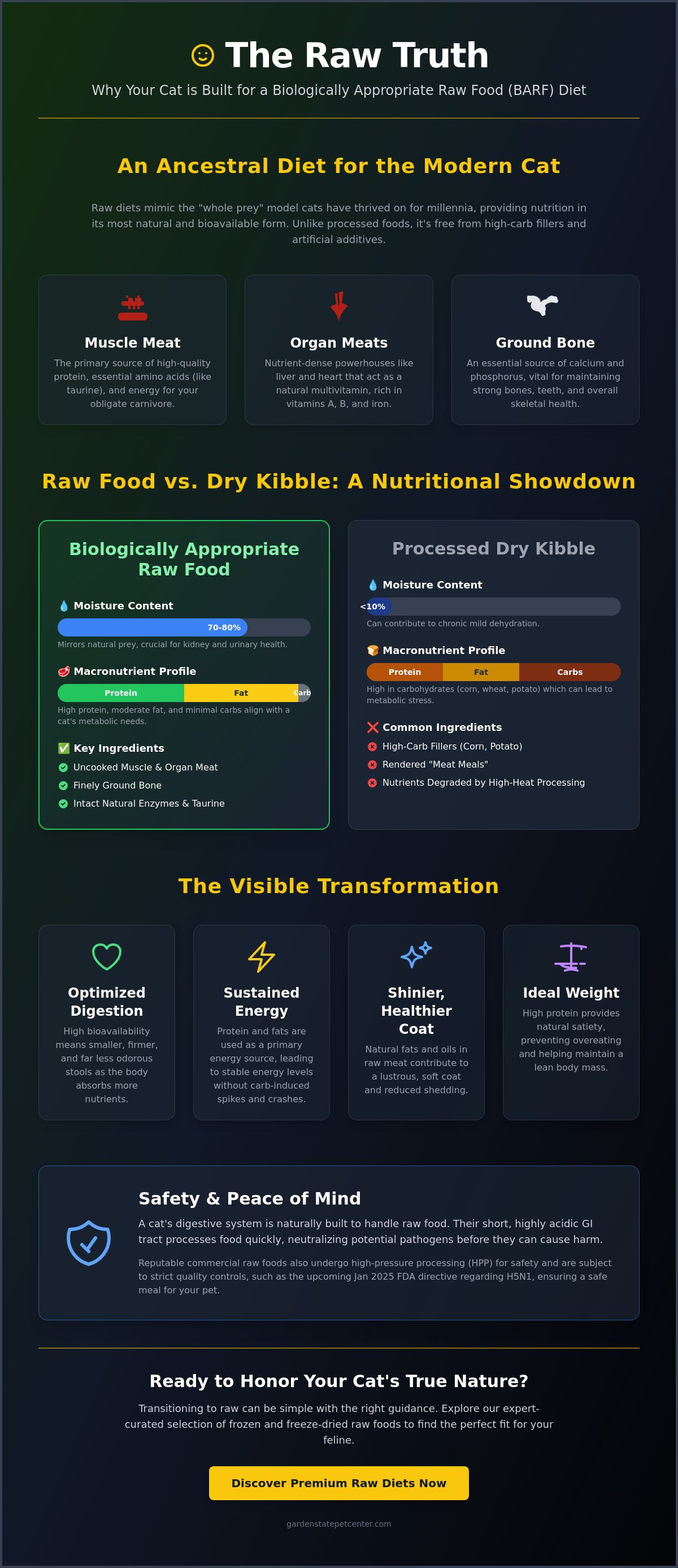
Raw cat food is a specialized approach to nutrition that prioritizes uncooked animal proteins, organ meats, and finely ground bone. It aims to replicate the "whole-prey" model that felines have thrived on for millennia. This philosophy is often called a Biologically Appropriate Diet, or BARF. By focusing on raw tissue, you provide your cat with the exact macronutrient ratios they were designed to process. Contrast this with traditional kibble, which frequently uses high-carb fillers like corn, wheat, or potatoes to hold the nuggets together. These starches don't just add unnecessary calories; they can lead to weight gain and metabolic stress for your feline companion.
A typical raw meal includes:
- Muscle Meat: The primary source of high-quality protein and energy.
- Organ Meats: Nutrient-dense components like liver and kidney that act as natural multivitamins.
- Ground Bone: Vital for maintaining a proper calcium and phosphorus balance.
Hydration is another vital pillar of this diet. Cats are notorious for having a low thirst drive because their ancestors obtained nearly all their water from the prey they caught. Commercial dry foods are often 10% moisture or less, leaving many indoor cats in a state of chronic mild dehydration. Raw Cat Food naturally provides the high moisture levels needed to support healthy kidney function and prevent common urinary tract issues. It's a proactive way to manage your pet's long-term welfare through better hydration.
To better understand this concept, watch this helpful video:
The "Obligate Carnivore" Biological Requirement
Your cat's body is a finely tuned machine built for one thing: processing animal tissue. An obligate carnivore is an animal that must derive nutrients from animal protein to survive. Unlike dogs or humans, cats lack the specific salivary and digestive enzymes, such as amylase, required to break down plant-based carbohydrates effectively. They rely on gluconeogenesis, a process that uses protein and fats as their primary energy source rather than sugars. They also have a critical need for taurine, an essential amino acid found in high concentrations in raw heart and muscle meat. When these proteins are cooked at high temperatures, the taurine levels can drop significantly. Feeding raw tissue ensures these delicate nutrients remain intact and bioavailable for heart and eye health.
Why Ancestral Diets Matter in 2026
Even as we move through 2026, the domestic cat’s digestive anatomy remains virtually unchanged from its wild ancestors. Their short, highly acidic digestive tracts are designed to move meat through the system quickly, preventing the buildup of bacteria that might bother a scavenger. This metabolic efficiency is highest when they consume a diet of high protein, moderate fat, and very low carbohydrates. Modern commercial processing often relies on extreme heat and pressure, which denatures proteins and destroys the natural enzymes that aid in digestion. By choosing premium cat food that respects these ancestral needs, you aren't just following a trend. You are providing the specialized care your cat needs to maintain a healthy weight and a vibrant, energetic life.
Key Health Benefits of Feeding a Raw Diet
The transition to a raw diet often brings a transformation you can see and feel. We categorize these improvements into the "big three": optimized digestion, sustained energy, and a striking physical appearance. When your cat consumes Raw Cat Food, their body utilizes the ingredients with incredible efficiency. You'll quickly notice smaller, firmer stools that lack the pungent odor associated with grain-heavy commercial diets. This change happens because there are fewer waste products and undigested fillers passing through their system. While some owners hesitate due to discussions surrounding Safety and Transitioning, the physiological rewards of a properly managed raw diet are profound.
Improved Digestion and Weight Management
High bioavailability reduces digestive strain by providing nutrients that are easy to break down. Raw proteins offer a natural sense of satiety that grain fillers simply can't match. This metabolic efficiency is a powerful tool to help prevent feline obesity and the subsequent risk of diabetes. By prioritizing protein over starch, you help your cat maintain lean muscle tone and a healthy weight effortlessly. It's a proactive step toward long-term wellness.
Skin, Coat, and Urinary Tract Health
A cat's coat is a window into their internal health. Natural Omega fatty acids found in raw tissue help reduce excessive shedding and create a vibrant, silky texture. Beyond the surface, the high moisture content of raw food provides critical support for kidney function. Chronic kidney disease is a major concern for aging felines, often exacerbated by a lifetime of dry food. Providing adequate hydration through food is a reliable way to protect their urinary tract and overall vitality.
You might also notice a significant shift in your cat's energy levels. Instead of the "carb crashes" common with processed foods, raw-fed cats often display a more consistent, youthful vitality. They tend to be more engaged and playful well into their senior years. While the initial switch requires a bit of planning, the long-term cost savings of preventative nutritional care are undeniable. Fewer vet visits for weight-related issues or skin allergies mean more resources for your cat's happiness. If you're ready to see these changes in your own companion, feel free to explore our premium cat food selection to find a formula that fits their specific needs.
Frozen vs. Freeze-Dried Raw: Which is Best?
Deciding how to serve Raw Cat Food depends heavily on your daily routine and your cat's specific preferences. Both frozen and freeze-dried options offer superior nutrition compared to traditional processed diets, yet they differ significantly in preparation, price, and storage requirements. Selecting the right format ensures you can maintain a consistent feeding schedule without feeling overwhelmed by the logistics of a new routine. We find that many owners prefer a combination of both to balance cost with convenience.
Frozen Raw Food: The Gold Standard for Hydration
Frozen raw proteins are typically frozen immediately at the source to lock in peak freshness and nutrient density. This format is the ultimate choice for feline hydration. Since cats naturally have a low thirst drive, the moisture found in frozen raw patties or morsels directly supports their renal system. You'll need to practice controlled thawing in the refrigerator to maintain the integrity of the raw tissue. While it requires the most freezer space, it's often the most economical choice for multi-cat households or those feeding larger portions daily.
Freeze-Dried Raw: Convenience Without Compromise
Freeze-dried raw provides the same high-quality nutrition as frozen but through a moisture-removal process called sublimation. This preserves delicate vitamins and enzymes without using the high heat found in kibble production. It's incredibly portable and shelf-stable, making it perfect for travel or pet sitters. If you're struggling with a picky eater, try crumbling these nuggets as a savory "topper" over their current meal to encourage a smooth transition. You can find a wide variety of these shelf-stable options in our freeze-dried cat food collection.
Analyzing the cost-per-serving reveals that freeze-dried options usually carry a higher price point per ounce due to the intensive processing involved. However, the lack of a "thaw time" and the ability to store it in a pantry offers unmatched flexibility for busy professionals. For those seeking Expert Curation in their cat's diet, rotating between these two formats can provide a wider range of proteins and textures. This rotation keeps mealtime exciting and ensures your cat doesn't become fixated on a single flavor profile.
Your choice ultimately comes down to your kitchen's storage capacity and how much time you can dedicate to meal prep. Frozen food offers the closest experience to a natural hunt, while freeze-dried provides a modern, mess-free alternative. Both paths lead to the same goal: a healthier, more vibrant life for your companion. We're here to help you navigate these choices so you can feel confident in every bowl you serve.
Safety and Transitioning: A Guide for Concerned Owners
Switching to Raw Cat Food often triggers a primary concern: safety. It's natural to worry about pathogens like Salmonella or Listeria. However, your cat possesses a biological advantage that humans do not. Their stomach acid is incredibly potent, typically maintaining a pH between 1.0 and 2.0. This highly acidic environment is designed to neutralize bacteria that would sicken a scavenger or a human. While the FDA directed manufacturers on January 19, 2025, to reanalyze safety plans regarding H5N1 in poultry and beef, your role at home focuses on rigorous hygiene and a patient transition. By following professional handling standards, you can provide the benefits of raw feeding while maintaining a safe environment for your entire family.
Safe Handling Practices for Raw Pet Food
Maintain a clean environment by using non-porous feeding dishes. Stainless steel or ceramic bowls are the best choices because plastic can develop microscopic scratches where bacteria thrive. Follow this protocol for every meal:
- Separate Storage: Keep raw meals in a dedicated, sealed container on the bottom shelf of your refrigerator to prevent cross-contamination.
- Sanitize Surfaces: Wash all bowls and prep surfaces with hot, soapy water immediately after use.
- Thaw Correctly: Never leave raw food on the counter to thaw. Move it from the freezer to the fridge 24 hours before serving.
The 10-Day Transition Schedule
A "Low and Slow" strategy is essential for cats with sensitive stomachs or those addicted to the high-carb crunch of kibble. Rushing the process can lead to digestive upset, which often discourages owners from continuing. Follow this structured timeline:
- Days 1-3: Serve 25% raw mixed with 75% of their old food.
- Days 4-7: Move to a 50/50 split.
- Days 8-10: Increase to 75% raw before reaching a full meal.
Recent studies suggest that nearly 25% of commercial raw samples may test positive for bacteria, which is why sourcing from reputable, high-end brands is critical. We prioritize transparency and clinical precision in our selections to give you peace of mind. Transitioning is a journey of patience, but the result is a healthier, more vibrant companion who is eating exactly what nature intended.
Why Expert Curation Makes the Difference in Raw Nutrition
Choosing the right Raw Cat Food involves more than just picking a bag off a shelf. It requires a deep understanding of how different proteins and formulations interact with your cat's unique physiology. While many retailers offer a single brand, we prioritize a curated selection vetted by professional standards. This expert-led approach ensures that every recipe we carry meets the rigorous requirements of an obligate carnivore. By consulting with a knowledgeable partner, you move beyond generic feeding and toward a precision-based nutritional plan that supports long-term welfare.
Variety is a cornerstone of this specialized care. Rotating between different animal proteins prevents the nutritional deficiencies that can occur when a cat eats only one type of meat for years. Different animals offer varying concentrations of amino acids, minerals, and vitamins. For example, rotating between poultry, beef, and rabbit ensures a broader spectrum of nutrients. This practice also prevents your cat from developing sensitivities to a single protein source, keeping their immune system resilient and their palate engaged.
Nutritionist-Vetted Brands: OC Raw and Solutions
We feature brands that represent the pinnacle of raw nutrition. OC Raw is an exceptional choice for owners seeking high-performance nutrition. Their formulations focus on simple, high-quality ingredients that provide the energy levels a domestic tiger needs to thrive. If your cat requires a more therapeutic approach, "Solutions" brand raw diets offer innovative recipes designed to support specific health challenges through fermented ingredients and whole-food nutrition. You can explore our full range of recipes and find the perfect match for your pet's needs in our Cat Collection.
Comprehensive Care from a Trusted Partner
Raw feeding is most effective when it's part of a holistic wellness strategy. Our commitment to your pet's health extends beyond the bowl to include specialized services that generalists often overlook. To learn more about how high-quality ingredients impact every stage of your pet's life, read our Premium Pet Food Pillar. This resource provides a deeper look into the standards we use to select every product in our store.
For senior cats or those with specific metabolic needs, we often recommend incorporating targeted supplements to complement their raw diet. These additions can provide extra support for joint mobility or cognitive function as they age. We understand that finding premium, hard-to-find brands can be difficult depending on your location. That's why we offer nationwide shipping, ensuring that every cat owner has access to the high-end nutrition their companion deserves. Trust in our experience as a local expert to guide you through the complexities of raw feeding with clinical precision and a passion for animal welfare.
Honoring Your Cat’s Ancestral Needs
Embracing a biologically appropriate diet is a transformative step for your pet's long-term welfare. By moving away from high-carb fillers and toward nutrient-dense Raw Cat Food, you provide the hydration and high-quality protein your domestic tiger was born to eat. You've learned how a slow transition and strict kitchen hygiene protect your household while delivering visible improvements in coat texture and energy levels. These changes aren't just about nutrition; they're about honoring your cat's specific biological requirements as an obligate carnivore.
We've specialized in high-end, holistic pet welfare since 1990, and our on-site Certified Pet Nutritionist is here to help you navigate these choices with clinical precision. Whether you choose frozen or freeze-dried options, our nationwide shipping makes it easy to access premium brands that are often hard to find elsewhere. We invite you to consult with us and discover the difference that expert-vetted nutrition makes. Shop Our Nutritionist-Vetted Raw Cat Food Collection today and give your companion the gift of a more vibrant life. Your cat's journey to better health starts with a single, high-quality bowl.
Frequently Asked Questions
Is raw cat food safe for my family and other pets?
Raw cat food is safe for your household when you follow disciplined kitchen hygiene. Always wash your hands and sanitize all prep surfaces with hot, soapy water immediately after handling the food. Since cats possess a highly acidic digestive system, they manage bacteria much differently than humans do. We recommend using non-porous bowls, such as stainless steel or ceramic, to prevent bacterial buildup in your home environment.
Can I feed my cat raw meat from the grocery store?
Feeding raw meat directly from the grocery store is not recommended because it lacks the complex balance of organs and ground bone. Grocery store meat is intended for human consumption and subsequent cooking, which kills pathogens. Raw Cat Food is specifically formulated to include essential amino acids like taurine. These nutrients are vital for feline heart health and are often missing from plain muscle meat.
How much raw food should I feed my cat per day?
Most adult cats require between 2% and 4% of their ideal body weight in raw food daily. This specific amount varies based on their activity level, age, and individual metabolic rate. We suggest dividing the total daily portion into two or three smaller meals to aid digestion. If you are unsure about the exact portion for your pet, our on-site team can provide a personalized feeding guide.
What happens if my cat refuses to eat raw food?
If your cat refuses the new diet, try using savory "toppers" like freeze-dried treats or a splash of warm bone broth to entice them. Some cats are "kibble addicts" and need a very slow, patient transition. Lightly searing the outside of the meat can also release aromas that trigger their natural hunting instincts. Stay consistent during the process to help your companion adjust to the new texture.
Do I need to add supplements to a raw cat food diet?
Supplements aren't strictly necessary if you choose a commercial diet labeled as "complete and balanced." However, many owners add specific vitamins to support senior cats or those with sensitive skin. We offer specialized cat vitamins and supplements that can be integrated into a raw feeding plan. These additions provide extra support for joint mobility or digestive health as your companion ages and their nutritional needs shift.
Is a raw diet more expensive than premium canned food?
A raw diet is often comparable in cost to high-end canned options when you account for nutrient density. Because raw ingredients are highly bioavailable, your cat will likely need smaller portions to feel satisfied. You'll also see long-term value through improved health and fewer vet visits for weight-related issues. We offer various formats of Raw Cat Food to help you find a plan that fits your budget.
Can kittens eat a raw food diet?
Kittens can absolutely eat a raw food diet, and starting them early often prevents picky eating habits later in life. They require specific nutrient ratios, particularly calcium and phosphorus, to support their rapidly developing bones and muscles. Choosing a formula specifically designed for growth ensures they get the foundational nutrition they need. It's a proactive way to set your kitten up for a lifetime of vitality and health.
How long can raw food sit out in the bowl?
Raw food should not sit out in the bowl for more than 30 minutes. Bacteria can multiply quickly at room temperature, which increases the risk of spoilage and odor. If your cat hasn't finished their meal within this timeframe, pick up the bowl and discard any leftovers. This practice keeps your feeding area clean and ensures your cat only consumes the freshest, safest ingredients at every meal.

Article by
Victor Santucci
Victor Santucci is the owner of Garden State Pet Center in Audubon, NJ, where he specializes in premium pet nutrition, exotic animals, and expert-level care. With years of hands-on experience and a passion for helping pets thrive, Victor is dedicated to educating pet owners on proper nutrition, enrichment, and species-specific care. His mission is simple: provide every pet with the highest quality products and every customer with honest, knowledgeable guidance.
Share this post
- 0 comment
- Tags: BARF Diet, Cat Food Safety, Cat Nutrition, Feline Health, Raw Cat Food, Species-Appropriate Diet, Transitioning Cat Food