

Exotic Animals for Sale: A Comprehensive Guide to Responsible Ownership


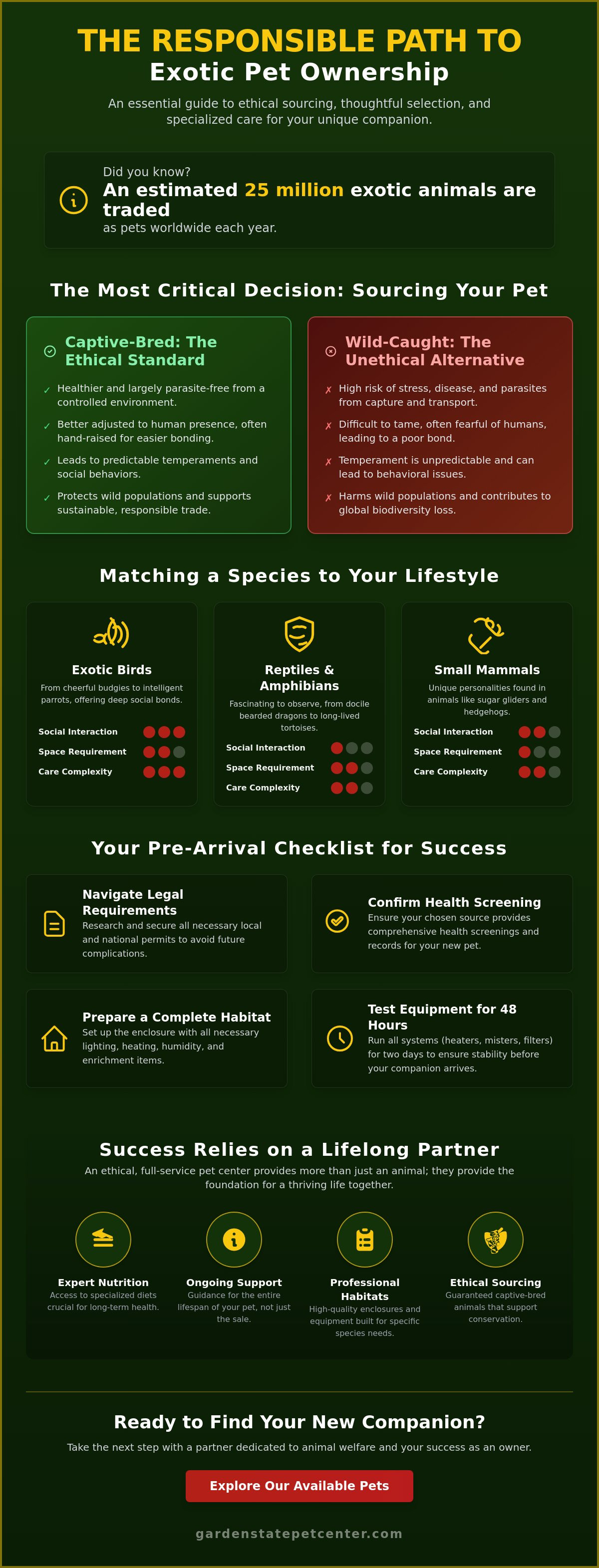
Did you know that an estimated 25 million exotic animals are traded as pets worldwide each year? This massive figure reflects a growing passion for unique companions, but it also highlights the challenge of finding a truly reputable source. When you begin your search for exotic animals for sale, it's completely normal to feel a bit overwhelmed by the weight of the decision. You want a healthy, vibrant new family member, yet you might worry about complex habitat needs or the legalities of ownership in your specific area. We believe that every prospective owner deserves a partner who prioritizes animal welfare and specialized care over a simple transaction.
This comprehensive guide will show you how to ethically source, select, and care for exotic birds, reptiles, and small animals with professional guidance. You'll learn to identify healthy animals and understand the long term commitment required for their specialized maintenance. We'll also explore the nuances of national regulations and provide a clear roadmap for setting up professional grade enclosures. Prepare to move from uncertainty to expertise as we help you find a healthy pet and a lifelong care partner for your new companion.
Key Takeaways
- Learn the critical difference between captive-bred and wild-caught specimens to ensure your choice supports ethical conservation.
- Evaluate your home’s space and your daily schedule to find a compatible bird, reptile, or small mammal.
- Navigate legal permit requirements and health screenings when browsing exotic animals for sale to avoid costly future complications.
- Prepare a complete habitat and test your equipment 48 hours before your new companion arrives for a smooth transition.
- Discover how a specialized partner provides the expert nutrition and ongoing support needed for a thriving exotic pet.
What to Look for in Exotic Animals for Sale: Defining Modern Ownership
The definition of an exotic pet has evolved significantly over the last few years. While the term once conjured images of large, dangerous predators, the modern 2026 landscape focuses on species that can thrive in a domestic setting with the right specialized care. This includes vibrant exotic birds, intricate reptiles, and unique small mammals. For a foundational understanding, this Exotic pet overview explains the historical context and legal frameworks like CITES that govern these animals.
Today, urban and suburban dwellers are increasingly seeking companions that fit their unique lifestyles. This shift has turned the search for exotic animals for sale into a journey that requires more than just a transaction; it requires a partnership with a full-line expert pet center. Unlike a simple online marketplace, a specialized center provides the clinical precision and passion for welfare needed to ensure your new companion is healthy and ethically sourced.
To better understand this concept, watch this helpful video:
The Spectrum of Manageable Exotic Species
Finding the right fit starts with understanding the different groups of animals available. Birds offer a wide range of social interaction, from the cheerful presence of small budgies to the deep intelligence of large parrots. For those interested in habitat observation, reptiles and amphibians like docile bearded dragons or tortoises provide a fascinating window into the natural world. If you prefer mammals, small animals such as sugar gliders and hedgehogs offer unique personality traits. Each group has distinct requirements for light, humidity, and social engagement that must be met for them to flourish.
Why Captive-Bred Sources are Essential
Selecting a captive-bred animal is the most critical decision a responsible owner can make. These animals are typically healthier than wild-caught imports because they are born in controlled environments. This makes them largely parasite-free and better adjusted to human presence from day one. When you look at exotic animals for sale, prioritize those that were hand-raised, especially birds. Hand-raising leads to predictable temperaments and social behaviors that make the bonding process much smoother. Choosing captive-bred sources also protects wild populations, ensuring that the pet trade remains sustainable and environmentally responsible. It's a commitment to both the individual animal's well-being and the planet's biodiversity.
Matching Exotic Species to Your Lifestyle and Household
Choosing a new companion is an emotional experience, but successful ownership relies on practical logic. While browsing exotic animals for sale, it's easy to fall in love with a striking plumage or a unique scale pattern. However, your daily rhythm should dictate your choice. Some species require hours of social interaction, while others flourish in a carefully maintained environment where they are observed rather than handled. The AVMA policy on exotic pets emphasizes that appropriate possession involves a deep understanding of the animal's biology and a commitment to its lifelong welfare. This isn't just about the first day; it's about the next twenty, forty, or even sixty years.
Space is another non-negotiable factor. A desktop terrarium for a small gecko has a vastly different footprint than a large, specialized flight cage for a macaw. You must ensure your home can accommodate the physical enclosure and the necessary support equipment like misting systems or external filters. Matching a pet's temperament to your household's activity level ensures a stress-free environment for everyone. A high-energy home might overwhelm a sensitive reptile, while a quiet, sedentary lifestyle might not provide enough stimulation for an intelligent bird. Explore our curated bird collections to see which species aligns with your daily rhythm.
High-Engagement Birds vs. Observation-Based Reptiles
Exotic birds are social companions that often view their owners as flock members. They require significant daily mental stimulation and out-of-cage time to prevent boredom. In contrast, many reptiles are ideal for busy professionals. These animals offer a fascinating observation-based experience without the need for constant physical touch. Small mammals like hedgehogs or chinchillas often serve as a middle ground, offering personality and interaction for families with older children who can respect their unique handling needs.
Budgeting for Long-Term Wellness
Responsible ownership means looking past the initial purchase price. The true cost of exotic animals for sale includes the ongoing investment in specialized habitats and premium nutrition. High-quality UV lighting for reptiles, for example, isn't optional; it's a biological necessity that requires regular replacement. You should also plan for professional services such as avian DNA sexing, specialized grooming, and secure boarding for when you travel. Investing in professional-grade enclosures from the start prevents health issues and saves money on replacements as the animal grows. A well-planned budget is the foundation of a thriving, long-term relationship with your pet.
Navigating Legality, Ethics, and Scientific Health Screening
Understanding the legal landscape is your first responsibility as a prospective owner. As of 2026, many U.S. states have enacted stricter regulations for the care and sale of unique species. For instance, Florida now requires a $140 annual license for Class II wildlife and a $100 fee for venomous reptiles. In California, specialized permits for certain state-listed species can involve fees ranging from $8,263.25 to over $41,314.00 depending on the project scope. When you search for exotic animals for sale, don't assume that availability equals legality. Checking with your local wildlife commission ensures you aren't just buying a pet, but also maintaining compliance with evolving conservation laws.
The most common question we hear is, "How do I know this animal is healthy?" While a visual check for clear eyes and alert behavior is a start, it isn't enough. "Cheap" animals found on unverified marketplaces often carry hidden health costs, such as undiagnosed parasites or chronic respiratory issues. Reputable centers prioritize scientific health screening and laboratory testing to provide peace of mind. This proactive approach protects your investment and ensures the welfare of the animal from the moment it enters your home.
Avian DNA Sexing and Disease Screening
For bird owners, scientific clarity is essential for long-term social harmony. Gender identification is a vital tool, as certain species exhibit hormonal behaviors that can disrupt a multi-bird household. Utilizing Avian DNA Sexing allows you to make informed decisions about flock dynamics before issues arise. Additionally, screening for common avian diseases protects your existing pets from potential cross-contamination. We recommend comprehensive screening for every new arrival to maintain a safe and stable environment for your entire avian family.
Reputable Sourcing Standards
Identifying a reputable source requires looking for transparency and documented history. A specialized pet center will provide clear records of an animal's origin, diet, and health milestones. When you browse exotic animals for sale, watch for these red flags in online classifieds:
- Lack of verifiable captive-bred documentation.
- Vague answers regarding the animal's age or previous care.
- Reluctance to provide health screening results or veterinary records.
- Prices that seem significantly lower than the market average for high-quality specimens.
A trustworthy partner acts as a resource, not just a vendor. They should be able to discuss the animal's history in detail and offer guidance on its future needs. This commitment to excellence ensures that you are supporting an ethical trade while bringing home a companion that is prepared for a long, healthy life.
Essential Preparation: Habitats and Holistic Nutrition
Success with a new companion begins long before you bring them home. While browsing exotic animals for sale, your primary focus should be on creating a stable, pre-tested environment. We recommend completing your full habitat setup and testing all environmental controls at least 48 hours before the animal arrives. This "cycling" period allows you to verify that heat gradients, humidity levels, and lighting cycles are consistent. It's much easier to calibrate a thermostat or adjust a misting system when the enclosure is empty than when a stressed new pet is inside.
Establishing a "quiet period" is equally vital for a smooth transition. Plan for the first 7 to 10 days to be a low-interaction time focused on acclimation. Minimize handling and keep the enclosure in a low-traffic area of your home to reduce cortisol levels. During this time, observe their eating habits and activity levels closely to establish a baseline health record. You should also identify a specialized grooming professional for maintenance needs like beak trimming or nail care before the need becomes urgent.
Creating a Bio-Secure and Optimized Environment
A bio-secure habitat is more than just a cage; it's a precision-engineered ecosystem. For many species, standard household bulbs are insufficient because they lack the specific UVA and UVB wavelengths necessary for calcium metabolism and mental health. Thermoregulation is a biological requirement, not a luxury, meaning your setup must provide a clear temperature gradient. Tropical reptiles and amphibians also require strict humidity control to prevent respiratory infections and shedding difficulties. Explore our professional-grade Reptile Terrariums to find an enclosure that maintains these sensitive parameters with ease.
Advanced Nutrition: Beyond Standard Seed Mixes
The pet industry has seen a significant shift toward holistic and raw diets for exotic species in 2026. Relying on basic seed mixes or generic pellets often leads to long-term nutritional deficiencies and obesity. For birds and small mammals, a diverse diet of fresh greens, specialized sprouts, and high-quality formulated diets is essential. Because indoor animals lack access to natural sunlight and varied wild forage, specialized vitamins and minerals are non-negotiable. Consult our guide on Premium Pet Food to learn how to balance a diet that supports vibrant plumage and strong immune systems.
Ready to build the perfect home for your future companion? Browse our professional enclosures and habitat accessories to ensure your setup is ready for arrival.
Why a Full-Service Partner is Vital for Exotic Pet Success
The journey of ownership doesn't end when you bring your new companion home; in many ways, it's just beginning. While many platforms offer exotic animals for sale, very few provide the infrastructure needed to support that animal throughout its entire life. Buying from an unverified marketplace often leaves you without a resource when questions about behavior, health, or habitat arise. Choosing a specialized center instead gives you access to a team of experts who view themselves as your long-term care partners. This continuity of care is the single most important factor in ensuring your pet thrives rather than just survives.
A dedicated partner offers specialized resources that generalists can't provide. For example, having access to on-site certified pet nutritionists is invaluable for species with highly specific dietary needs. These professionals help you move beyond basic feeding to a holistic plan that supports immune health and longevity. Whether you are managing the delicate calcium-to-phosphorus ratio for a reptile or selecting the right vitamins for a small mammal, professional guidance removes the guesswork that often leads to husbandry-related illnesses.
Professional Maintenance: Grooming and Care
Maintaining the physical health of birds and small mammals requires more than just a clean cage. Expert wing clipping and nail trimming are fundamental to bird health, preventing painful snags or household accidents. Because these tasks can be stressful for both the animal and the owner, utilizing Professional Bird Grooming Services is a smart investment in your pet's well-being. Regular professional check-ins serve a dual purpose; they keep your pet comfortable and allow an expert to catch subtle changes in condition that might signal an underlying health issue. This proactive approach to maintenance is a signature of responsible ownership.
Specialized Boarding for Sensitive Species
Finding reliable care while you are away is one of the biggest challenges for owners of unique pets. Standard boarding facilities are rarely equipped to handle the precise environmental needs of exotic species. Choosing Expert Pet Boarding ensures that your pet's heat, humidity, and social requirements are strictly maintained in a bio-secure environment. This specialized supervision reduces travel-related stress and provides you with the peace of mind that your companion is in the hands of trained professionals. When you look for exotic animals for sale, prioritize a source that offers these essential support services to ensure a successful, lifelong bond.
Start Your Journey with a Trusted Expert Partner
Choosing a unique companion is a significant life event that requires more than just a simple purchase. You've learned that successful ownership begins with ethical sourcing and meticulous habitat preparation. Prioritizing captive-bred specimens and pre-testing your environmental controls ensures a stable foundation for your new pet. Finding high-quality exotic animals for sale is just the beginning of a lifelong commitment to specialized care and wellness.
We provide the comprehensive support you need to help your companion flourish. Our center offers specialized DNA and disease screening to provide scientific peace of mind from day one. You also gain access to our on-site Certified Pet Nutritionist and professional grooming and boarding services designed specifically for sensitive species. These resources transform the challenges of exotic pet care into a manageable and rewarding experience. Browse our ethically sourced exotic birds, reptiles, and small animals today to find your perfect match. We look forward to welcoming you into our community of dedicated hobbyists and providing the expert guidance you deserve.
Frequently Asked Questions
Is it legal to own exotic animals in the United States?
Legality depends entirely on your specific state, county, and municipal regulations. While some areas allow a wide range of species with simple registration, others have strict bans or require expensive permits and specialized enclosures. Always consult with your local wildlife commission and city animal control before you begin looking for exotic animals for sale. Laws are updated frequently, so verifying current local ordinances is a vital first step for any prospective owner.
What is the easiest exotic animal for a beginner to keep?
Bearded dragons and leopard geckos are widely considered the best entry-level reptiles because they are docile and have manageable habitat requirements. For those interested in birds, small species like budgies or cockatiels offer a friendly introduction to avian care without the intense social demands of larger parrots. These animals are generally hardy and adapt well to domestic life when you provide them with a high-quality setup and consistent, species-specific nutrition.
How much does it cost to maintain an exotic bird or reptile annually?
Annual maintenance involves recurring costs for premium food, specialized lighting replacements, and professional services. Birds require a steady supply of fresh produce and high-quality pellets, while reptiles need regular UVB bulb changes to prevent metabolic bone disease. You should also budget for professional grooming, such as nail and beak trimming, and specialized boarding. These ongoing investments ensure your companion remains healthy and vibrant throughout their life.
Do exotic animals need specialized veterinary care?
Yes, exotic species require care from a veterinarian who has specialized training in avian, reptilian, or small mammal medicine. General practitioners often lack the specific diagnostic equipment and niche knowledge required to treat these sensitive animals. Establishing a relationship with an exotic specialist early on allows for proactive health screenings and accurate advice on husbandry. Regular check-ups are the best way to catch subtle health changes before they become serious issues.
What is the difference between captive-bred and wild-caught pets?
Captive-bred pets are born in controlled environments and are typically healthier, more socialized, and free from the parasites often found in wild populations. Wild-caught animals are removed from their natural habitats, which causes extreme stress and can negatively impact local ecosystems. We strongly recommend prioritizing captive-bred sources when searching for exotic animals for sale. This choice supports ethical trade practices and ensures you bring home a companion that is better adjusted to a home environment.
How can I tell if an exotic pet for sale is healthy?
A healthy animal should be alert and responsive with clear eyes and no signs of discharge. Look for clean, vibrant plumage in birds or firm, intact scales in reptiles. It's also important to observe their breathing and movement to ensure they aren't struggling or lethargic. Reputable centers will provide documented care records and offer scientific screenings to verify the animal's health. Don't be afraid to ask detailed questions about the animal's history and current diet.
Can exotic animals be shipped safely across the country?
Exotic animals can be shipped safely when the process is handled by professional couriers who specialize in live animal transport. These services use climate-controlled environments and priority routing to minimize transit time and stress. Proper packaging that meets strict welfare standards is essential to maintain stable temperatures and security. While local pickup is often preferred, these specialized shipping methods allow you to source healthy, ethically raised animals from expert centers regardless of your location.
What should I feed my exotic pet to ensure a long lifespan?
Longevity depends on a varied, holistic diet that mirrors the nutritional diversity these animals would find in the wild. Move beyond basic seed mixes or generic pellets by incorporating fresh greens, specialized sprouts, and high-quality supplements. Consulting with a certified pet nutritionist can help you develop a precise feeding plan that avoids common deficiencies. Providing a balanced range of nutrients is the most effective way to support your pet's immune system and long-term vitality.

Article by
Victor Santucci
Victor Santucci is the owner of Garden State Pet Center in Audubon, NJ, where he specializes in premium pet nutrition, exotic animals, and expert-level care. With years of hands-on experience and a passion for helping pets thrive, Victor is dedicated to educating pet owners on proper nutrition, enrichment, and species-specific care. His mission is simple: provide every pet with the highest quality products and every customer with honest, knowledgeable guidance.
Share this post
- 0 comment
- Tags: Animal Welfare, Captive Bred Animals, Exotic Animal Care, exotic animals for sale, Exotic Birds, Exotic Pets, Exotic Reptiles, Pet Habitat Setup, Responsible Pet Ownership