

Feline Nutrition Guide: Optimizing Your Cat's Health with Species-Appropriate Diets


What if the "complete and balanced" bag of kibble in your pantry is actually starving your cat of the moisture and protein their biology fundamentally demands? It's a heavy thought for any dedicated pet parent. You want your companion to live a long, vibrant life, yet standing in the pet food aisle often feels like trying to decode a complex chemical manual. Between the growing worry about kidney disease and the loud, confusing debate over raw versus dry food, it's completely normal to feel overwhelmed when researching Feline Nutrition.
We believe that every pet owner should feel like a knowledgeable partner in their cat's health. You can master the science of species-appropriate feeding to move past the marketing fluff and choose high-quality fuel that helps your cat thrive at every life stage. This guide provides a clear understanding of feline biology, teaches you how to identify premium ingredients like a professional, and offers a practical plan for transitioning your pet to a superior diet with confidence. By the end, you'll have the tools to ensure your feline friend enjoys the clinical precision and specialized care they deserve through their daily meals.
Key Takeaways
- Understand why cats are obligate carnivores and how their unique biology makes animal-based protein a requirement rather than an option.
- Master the fundamentals of Feline Nutrition by learning to identify high-quality ingredients and essential nutrients like Taurine.
- Compare premium options like raw and freeze-dried diets to find the perfect balance of biological density and daily convenience.
- Follow a practical, stress-free plan to transition your cat from processed fillers to moisture-rich, species-appropriate meals.
- Recognize the value of professional guidance from a certified pet nutritionist for managing allergies, chronic conditions, and specific life stages.
The Biological Foundation: Why Cats are Obligate Carnivores
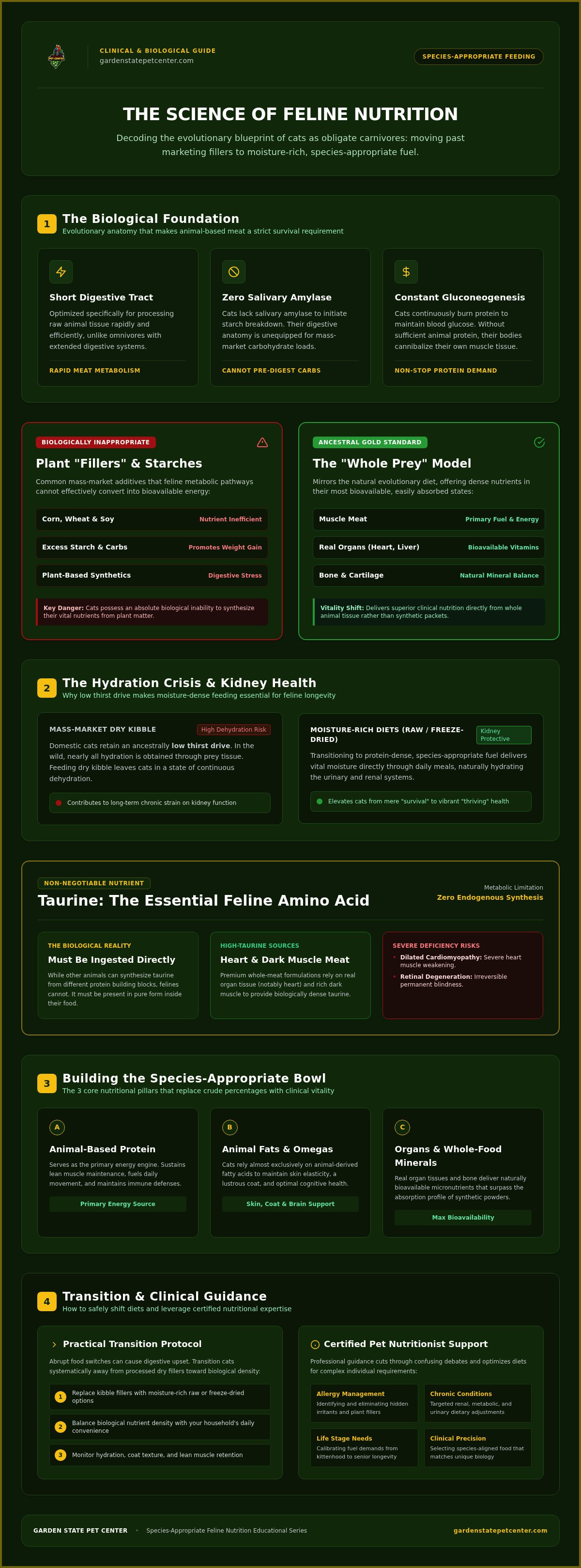
Understanding your cat begins with a look back at their wild ancestors. Unlike dogs, who have evolved to tolerate a more omnivorous diet, the modern house cat remains a strict predator. Their bodies are built for the hunt, featuring a short, highly efficient digestive tract optimized for processing animal tissue quickly. This evolutionary design means meat isn't just a preference; it's a non-negotiable requirement for survival. When we discuss Feline Nutrition, we are really talking about respecting a biological blueprint that has remained unchanged for millennia.
To better understand this concept, watch this helpful video:
Modern pet parents often look to established nutritional standards for cat food to ensure their pets are safe. However, safety is different from vitality. Cats lack the specific salivary enzymes, like amylase, that begin the breakdown of carbohydrates. Their systems simply aren't equipped to handle the high volumes of starch found in many mass-market products. Choosing a diet from a specialized premium cat food collection ensures you're providing ingredients that actually align with their unique anatomy.
Metabolic Uniqueness of Felines
Cats possess a unique metabolic process called gluconeogenesis. While other animals can adjust their protein metabolism based on intake, cats constantly use protein to maintain blood glucose levels. If their diet lacks sufficient animal protein, their bodies may begin to break down their own muscle tissue to meet this demand. Obligate carnivorism is the biological inability to synthesize essential nutrients from plant matter. This makes "filler" ingredients like corn, wheat, and soy biologically inappropriate. These additives often lead to weight gain and digestive stress because the cat's body cannot effectively convert them into energy.
The Role of Ancestral Diets in Modern Feeding
The ancestral diet, often called the "whole prey" model, consists of muscle meat, organs, and bone. This combination provides a perfect balance of minerals and vitamins in their most bioavailable forms. Perhaps most importantly, ancestral diets are moisture-rich. Wild cats get the majority of their hydration from their prey. Domestic cats have a low thirst drive, which means dry kibble often leaves them in a state of chronic dehydration. Transitioning from "survival" nutrition to "thriving" nutrition means prioritizing moisture-rich, protein-dominant fuels. This shift supports kidney health and ensures your cat is getting the hydration they need to thrive. Mastering the science of Feline Nutrition starts with these foundational, meat-first principles.
Essential Nutrients: Building the Species-Appropriate Bowl
Building a species-appropriate bowl requires looking beyond the "crude protein" percentage on the back of a bag. High-quality animal protein serves as the primary energy source for felines, fueling everything from lean muscle maintenance to a robust immune system. Unlike humans or even dogs, cats rely almost exclusively on animal-based fats and Omega fatty acids to support their skin, coat, and cognitive health. When selecting a diet, prioritize whole-food sources for vitamins and minerals. While synthetic additives are the standard in mass-market kibble, nutrients derived from real organs and bone are far more bioavailable. This biological precision is the cornerstone of advanced Feline Nutrition.
Amino Acids and Taurine
Taurine is a critical amino acid that cats simply cannot synthesize on their own. While other species can create taurine from different protein building blocks, cats must ingest it directly from animal tissue. You can identify high-taurine sources in premium food by looking for ingredients like heart and dark muscle meat. A long-term deficiency in this specific nutrient poses severe risks to feline health, including dilated cardiomyopathy or permanent blindness through retinal degeneration. The Cornell Feline Health Center's feeding guide provides excellent clinical context on why these micronutrients are non-negotiable for long-term health. Choosing diets rich in organ meats ensures your cat receives these building blocks in their most natural form.
Hydration and the Moisture Gap
Domestic cats often suffer from a "moisture gap" because they possess a naturally low thirst drive. Their ancestors evolved in arid environments and obtained nearly all their water from the moisture-rich bodies of their prey. When a cat consumes a dry-only diet, they rarely drink enough standing water to compensate for the lack of moisture in their food. This puts immense stress on the kidneys and is a primary contributor to Feline Lower Urinary Tract Disease (FLUTD). You can proactively support your pet by adding moisture to every meal. Consider incorporating bone broths, raw goat milk, or high-quality wet food toppers to bridge this gap. Exploring a curated selection of premium cat food makes it easier to find moisture-rich options that your cat will love. By focusing on these essential elements, you move closer to mastering Feline Nutrition and ensuring your companion stays hydrated and healthy.
Comparing Premium Diets: Raw, Freeze-Dried, and Holistic
Choosing the right food format is the next step in mastering Feline Nutrition. While the goal is always biological mimicry, the specific method can vary based on your lifestyle and your cat's health needs. Premium diets generally fall into three categories: raw, freeze-dried, and holistic or gently cooked options. Each offers a different level of processing, but all prioritize high-quality animal protein over cheap fillers. Understanding these differences allows you to tailor your cat's bowl to their unique requirements with professional precision.
The Benefits of Raw and Freeze-Dried Feeding
Raw feeding is often considered the gold standard because it preserves the natural enzymes and amino acids that heat-based cooking can destroy. Owners who switch to raw often report improved digestion, smaller and less odorous stools, and noticeably better dental health. If you aren't ready for the preparation required for a fully raw diet, freeze-dried options provide a perfect middle ground. These diets offer the nutrition of raw food with the convenience of a shelf-stable product. Brands like Vital Essentials provide high-quality protein through a process that locks in nutrients without heavy processing. When handling raw or freeze-dried food, always follow basic safety protocols. Use stainless steel or ceramic bowls and wash your hands and surfaces thoroughly after every feeding to maintain a clean home environment.
Holistic and Air-Dried Alternatives
Some cats have compromised immune systems or sensitive stomachs that don't tolerate raw food well. In these cases, gently cooked or air-dried diets are excellent alternatives. Air-dried options, such as Ziwi Peak or similar premium brands, use a slow dehydration process to maintain nutrient density while eliminating the need for refrigeration. These formats bridge the gap between traditional kibble and raw nutrition. Regardless of the format you choose, learning how to read a label is essential. Look for "deboned meat" as the first ingredient rather than "meat meal." Meat meals are often highly rendered and less digestible than fresh tissue. To ensure your choice meets clinical standards, you can refer to the FDA complete and balanced pet food guidelines. This ensures your cat's diet is nutritionally adequate for their specific life stage and activity level.
Practical Guidance: Transitioning and Life Stage Needs
Implementing a new approach to Feline Nutrition requires patience and a reliable plan. Many owners struggle with "kibble addicts" who refuse to acknowledge anything that isn't a dry, processed biscuit. This resistance is often why pet parents give up before seeing the benefits of a species-appropriate diet. Moving away from free-feeding is your first essential step. While leaving a bowl out is convenient, this "grazing" habit leads to obesity and metabolic stress because it never allows the cat's insulin levels to drop. Structured meal times allow their bodies to enter a natural digestive cycle, making them more receptive to new, high-quality foods.
The Slow Transition Method
The 7-14 day rule is your most reliable tool for a successful dietary change. Start by mixing 25% of the new food with 75% of the old for several days. Gradually shift the ratio as your cat accepts the new texture and flavor profile. If they are particularly stubborn, use "enticers" like nutritional yeast or crumbled freeze-dried treats to encourage that first bite. Always monitor their litter box habits during this time. Any significant change in stool consistency means you should slow the transition down to give their gut flora time to adjust. This steady pace prevents digestive upset and ensures the new diet is a permanent success.
Nutrition for Every Age
Nutritional needs shift dramatically as your cat grows. Kittens require higher caloric density and specific nutrients like DHA to support rapid brain development and bone growth. Conversely, senior cats face unique challenges with kidney health and muscle mass. Contrary to some outdated advice, seniors actually need high-quality, easily absorbable amino acids to prevent muscle wasting. They also require significantly more moisture to support aging kidneys. You can find more details on these specialized requirements in our Premium Pet Food Pillar. Providing age-appropriate fuel ensures your companion remains vibrant and active through every milestone. If you are ready to upgrade your pet's bowl, shop our premium cat food selection to find the perfect match for their life stage.
The Value of a Certified Pet Nutritionist
The pet food industry is flooded with marketing terms like "human-grade" and "ancestral," making it difficult for owners to distinguish between a passing trend and a scientifically sound diet. While general pet store advice often focuses on what is popular, it frequently falls short of the clinical precision required for a cat's long-term health. Consulting with a certified pet nutritionist provides the bridge between basic retail and specialized care. These experts help you personalize a diet for cats with specific allergies or chronic conditions like early-stage kidney disease. By analyzing health markers and your pet's unique biology, a nutritionist takes the guesswork out of Feline Nutrition.
Professional Consultations vs. Internet Trends
Internet trends often promote "DIY" raw diets, but these can be dangerous if they aren't properly balanced with the correct calcium-to-phosphorus ratios. A certified expert ensures your cat's bowl is nutritionally complete, integrating vital supplements like probiotics and digestive enzymes correctly. This professional oversight is especially important when you are trying to navigate the noise between "boutique" brands and those that claim to be "science-based." Instead of following a viral post, you receive a practical plan tailored to your cat's specific metabolic needs. This proactive approach helps alleviate the common worry pet parents feel when their cat's health seems to be declining despite their best efforts.
Accessing Premium Nutrition Nationwide
Garden State Pet Center remains committed to providing a curated selection of premium foods that respect your cat's status as an obligate carnivore. We prioritize brands like SmallBatch, Vital Essentials, and Open Farm because they focus on biological appropriateness rather than mass-market fillers. You don't have to live near a specialized boutique to access this level of care for your companion. We offer Nationwide Shipping for your cat's favorite premium brands, ensuring high-quality fuel is always available regardless of your location.
Our family-owned expertise since 1990 has taught us that every cat is an individual with niche requirements. We are not merely a vendor; we are a service-oriented resource dedicated to your pet's long-term well-being. If you're ready to move past the confusion and provide the best for your companion, Book a nutritional consultation today. Our team is ready to act as your knowledgeable partner in optimizing your pet's vitality through superior Feline Nutrition.
Fueling Your Cat’s Vibrant Future
Mastering the science of your cat's diet is the most impactful way to ensure they enjoy a long, healthy life. By respecting their biological needs as obligate carnivores and prioritizing moisture-rich, high-protein fuels, you move beyond basic survival and help them truly thrive. Whether you are transitioning a picky eater to raw food or managing a senior cat's kidney health, the right approach to Feline Nutrition provides the clinical precision your pet deserves. Each meal is an opportunity to support their vitality and prevent chronic issues before they start.
We are here to support your journey with professional expertise and a curated selection of raw, freeze-dried, and holistic diets. You can consult with our on-site certified pet nutritionist to create a personalized plan that addresses your cat's unique health markers and life stage. With nationwide shipping available on all our premium brands, high-quality care is always within reach for your companion. Shop our curated selection of Premium Cat Food today and give your feline friend the specialized nutrition they need to stay vibrant. You have the tools to make a lasting difference; it's time to fill their bowl with excellence.
Frequently Asked Questions
Is a grain-free diet actually better for my cat?
Yes, grain-free diets align better with a cat's biology as obligate carnivores. Cats lack the enzymes to process high volumes of carbohydrates found in grains like corn or wheat. These fillers often replace the high-quality animal protein your pet needs. Choosing species-appropriate options ensures your cat gets energy from protein and fats rather than starches. This reduces the risk of obesity and digestive stress while supporting overall health and vitality.
How much should I feed my cat to maintain a healthy weight?
The ideal amount depends on your cat's age, activity level, and the caloric density of the food. Most premium food packages provide a feeding guide based on weight. However, these are just starting points. It's better to monitor your cat's body condition score. You should be able to feel their ribs but not see them. If you're unsure, a pet nutritional consultation can help you establish a precise meal plan that avoids the risks of obesity.
Can cats be vegan or vegetarian?
No, cats cannot safely consume a vegan or vegetarian diet because they are obligate carnivores. Their bodies require specific nutrients found only in animal tissue, such as taurine and arachidonic acid. Without these, cats face severe health consequences like heart failure and blindness. Proper Feline Nutrition must be meat-based to meet these physiological requirements. Attempting to feed a plant-based diet ignores their evolutionary biology and compromises their long-term well-being.
What are the first signs of a nutritional deficiency in cats?
Changes in coat quality and energy levels are often the earliest indicators of a deficiency. You might notice a dull, brittle coat or excessive shedding. Other signs include lethargy, muscle wasting, or persistent digestive issues like diarrhea. Because cats are masters at hiding discomfort, these subtle physical shifts are critical warnings. If you observe these symptoms, it's time to evaluate the bioavailability of their current protein sources with a certified pet nutrition expert.
Is wet food better for cats than dry kibble?
Generally, wet food is superior because it provides the essential moisture cats need to prevent kidney and urinary issues. Cats have a low thirst drive and naturally get hydration from their prey. Dry kibble often leaves them in a state of chronic dehydration. High-quality wet, raw, or freeze-dried diets bridge this moisture gap. These formats support healthy kidney function and make it easier to maintain a lean body weight compared to carb-heavy dry foods.
What ingredients should I absolutely avoid in cat food?
Avoid "meat by-products," artificial preservatives like BHA or BHT, and high-carb fillers. Ingredients like corn, soy, and wheat are biologically inappropriate for felines. You should also watch out for "meat meal" which can be highly rendered and less digestible than deboned meat. Focus on transparent labels that name the specific animal source. Clean, simple ingredient lists ensure your cat isn't consuming empty calories that lead to inflammation, allergies, or long-term metabolic issues.
How do I know if my cat's food is properly balanced?
Look for a statement of nutritional adequacy and prioritize brands that use whole-food ingredients. A balanced diet must include the correct ratios of amino acids, vitamins, and minerals. While many mass-market foods use synthetic packs, premium brands like SmallBatch or Vital Essentials use organ meats and bone to provide these naturally. Consulting with a certified pet nutritionist is the most reliable way to verify that your cat's specific diet meets all their unique clinical requirements.
Are raw diets safe for indoor cats?
Yes, raw diets are safe and highly beneficial for indoor cats when handled with proper hygiene. Raw feeding provides the enzymes and moisture that indoor cats often lack in processed diets. It supports better weight management and dental health. Always use stainless steel bowls and wash your surfaces after preparation. By following these basic safety steps, you provide your indoor companion with the gold standard of Feline Nutrition without any added risk to your household.

Article by
Victor Santucci
Victor Santucci is the owner of Garden State Pet Center in Audubon, NJ, where he specializes in premium pet nutrition, exotic animals, and expert-level care. With years of hands-on experience and a passion for helping pets thrive, Victor is dedicated to educating pet owners on proper nutrition, enrichment, and species-specific care. His mission is simple: provide every pet with the highest quality products and every customer with honest, knowledgeable guidance.
Share this post
- 0 comment
- Tags: cat diet, cat food, cat health tips, Feline Nutrition, obligate carnivore, pet wellness, raw cat food, species appropriate diet