

Premium Pet Food in Audubon, NJ: The Complete Guide to Specialized Nutrition


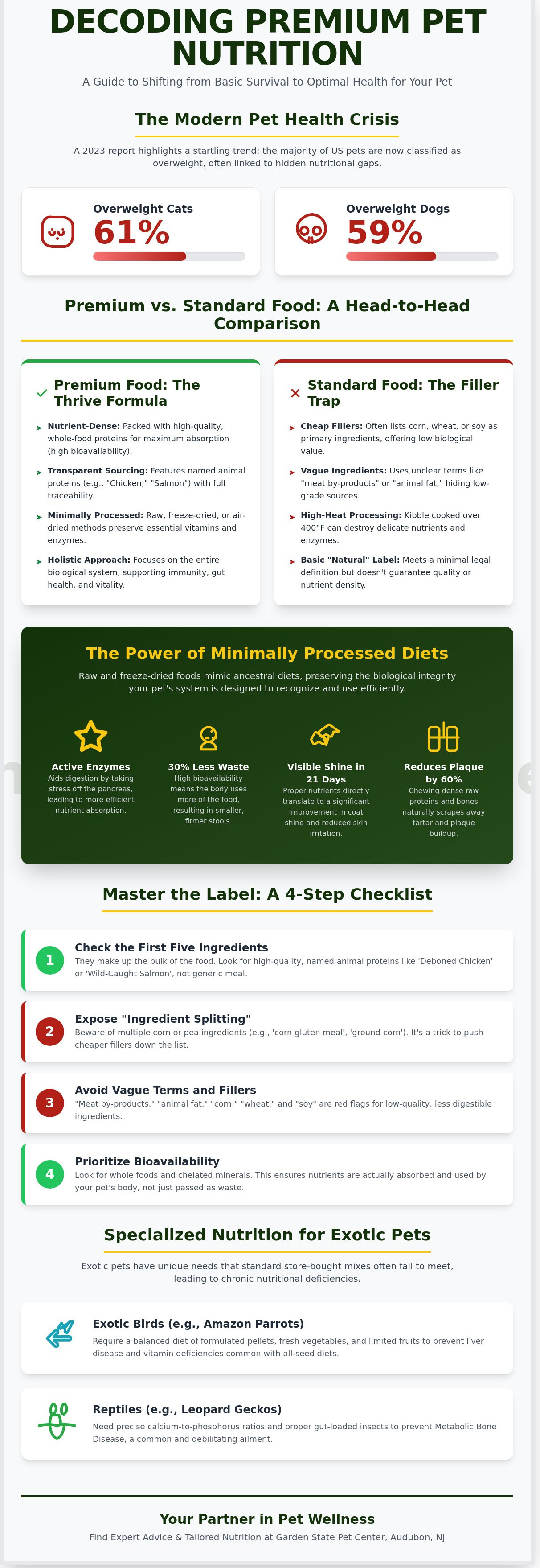
Does the label on your pet's bowl offer a blueprint for longevity or a recipe for future health issues? A 2023 report from the Association for Pet Obesity Prevention found that 61% of cats and 59% of dogs are now classified as overweight, a statistic often linked to hidden nutritional gaps. Choosing the right Premium Pet Food shouldn't feel like a guessing game. You likely spend significant time decoding labels like "holistic" and "natural" only to feel more uncertain. It's stressful to worry if your Amazon parrot or leopard gecko is missing vital minerals that prevent chronic illness.
At Garden State Pet Center, we believe you deserve a partner in your pet's wellness journey. Discover how to master specialized nutrition to ensure your exotic birds, reptiles, and domestic companions thrive for years. This guide provides a clear understanding of ingredient quality so you can see a visible improvement in your pet's energy and feather condition. We'll explore how tailored diets prevent common ailments. You'll also find a trusted local source for expert advice right here in Audubon, NJ.
Key Takeaways
- Understand the shift from basic survival to optimal health by identifying nutrient-dense, bioavailable ingredients that truly support your pet's vitality.
- Explore the science behind minimally processed diets, including how raw and freeze-dried Premium Pet Food preserves essential vitamins and minerals.
- Uncover the specialized dietary requirements of exotic birds and reptiles to prevent common nutritional deficiencies found in standard store-bought mixes.
- Master a professional label-reading checklist to expose "ingredient splitting" and ensure the first five ingredients meet high-quality standards.
- Learn how consulting with a certified pet nutritionist can simplify complex dietary transitions and provide a customized roadmap for your pet's long-term wellness.
Table of Contents
-
The Nutritional Science: Raw, Freeze-Dried, and Air-Dried Diets
-
The Buyer's Checklist: How to Evaluate Labels and Transition
What Truly Defines Premium Pet Food in 2026?
In 2026, the standard for Premium Pet Food has evolved far beyond simple marketing labels. It now represents a rigorous commitment to nutrient density and ingredient integrity. While a basic overview of commercial pet food reveals a history of convenience-based kibble, modern pet parents in Audubon demand more. We've seen a massive shift where 85% of owners now prioritize longevity over low cost. The goal isn't just to help your pet survive; it's to help them thrive through every life stage.
To better understand the current market shift toward high-quality nutrition, watch this helpful video:
Transparency is the new industry benchmark. In 2026, trusted brands provide full traceability for every protein source. Standard grocery store brands often hide behind vague terms like "meat by-products" or "animal fat." These are major red flags. If you can't identify the specific animal source, it doesn't belong in your pet's bowl. Avoid foods listing corn, wheat, or soy as primary ingredients. These often serve as cheap fillers that offer little biological value to your companions.
The Difference Between Holistic and Natural Labels
The term "natural" is legally defined by AAFCO to mean ingredients derived solely from plant, animal, or mined sources. However, it doesn't guarantee quality or nutrient density. Holistic diets take this further by focusing on the entire biological system of the animal, including mental well-being and immune resilience. Holistic nutrition is a balance of gut health, immunity, and physical vitality.
Why Bioavailability is the Ultimate Metric
Bioavailability measures how much of a nutrient actually enters the bloodstream. A bag might claim 30% protein, but if that protein comes from low-grade feathers or leather meal, your pet can't use it. High-quality whole-food proteins found in premium dog food ensure maximum absorption. This efficiency leads to smaller, firmer stools and consistent energy levels. When you choose bioavailable ingredients, you're investing in your pet's long-term health rather than paying for waste. High-density nutrition means you often feed less volume while providing more actual nourishment.
The Nutritional Science: Raw, Freeze-Dried, and Air-Dried Diets
Pet owners in Audubon are increasingly looking for ways to improve their animals' longevity through better nutrition. Standard kibble is often processed at temperatures exceeding 400 degrees Fahrenheit, which can destroy delicate vitamins and beneficial bacteria. Choosing Premium Pet Food that is raw, freeze-dried, or air-dried ensures those nutrients stay intact. These diets aim to mimic the ancestral feeding patterns of wild canines and felines, who thrived on high-moisture, protein-dense prey. By reducing heat exposure, these foods maintain the biological integrity that your pet's system is designed to recognize.
The science behind these diets often aligns with the findings from veterinary nutrition services, which emphasize the role of diet in managing long-term health. When you feed a diet that's closer to nature, you're providing the building blocks for a resilient immune system and better metabolic function.
Raw Food: Benefits for Digestion and Coat Health
Raw feeding provides active enzymes that aren't present in cooked diets. These enzymes take the heavy lifting off the pancreas, leading to more efficient digestion. You'll likely notice that pets on raw diets produce 30% less waste, as their bodies are absorbing more of the actual food. This high level of bioavailability translates directly to visible health markers. Many owners report a significant shine in their pet's coat and a reduction in skin irritations within just 21 days. Modern commercial raw diets are also prepared using high-pressure processing to eliminate pathogens, making them a safe and convenient alternative to home-prepared meals. Additionally, chewing dense proteins can help reduce plaque buildup by up to 60%.
If you're curious about raw but aren't ready to make the full switch, we often recommend premium dog dry food options as a reliable bridge. These high-quality kibbles can be mixed with raw toppers to introduce new nutrients gradually. This approach helps pets with sensitive stomachs adjust without the stress of a sudden dietary overhaul.
The Rise of Freeze-Dried Nutrition
Freeze-drying is a sophisticated process that removes water from raw ingredients while they are frozen. This method preserves 99% of the original nutrients and enzymes, making it one of the most nutritionally dense options available. It offers the health benefits of a raw diet with the convenience of a shelf-stable bag. Air-dried food follows a similar logic but uses low-temperature air to slowly dehydrate the meat, resulting in a calorie-dense, jerky-like texture. Both options are perfect for travel or for use as high-value training rewards.
-
Nutrient Retention: Freeze-drying keeps vitamins and minerals stable for up to 12 months.
-
Portability: These foods are lightweight and don't require refrigeration, making them ideal for trips to the park.
-
Versatility: Use them as a full meal or a topper to entice picky eaters.
Rehydrating these meals is a simple way to boost your pet's water intake. Adding just a quarter cup of warm water to freeze-dried nuggets can improve hydration levels, which is vital for preventing urinary crystals and supporting kidney health. If you're looking for the best way to upgrade your pet's bowl, discover our curated selection of biologically appropriate diets designed for local pets.
Species-Specific Needs: From Exotic Birds to Reptiles
Pet owners in Audubon often face unique challenges when replicating tropical or desert environments inside their homes. Providing Premium Pet Food tailored to these specific biological needs prevents chronic health issues that generalist diets often ignore. Whether you are caring for a high-metabolism macaw or a sedentary leopard gecko, the nutritional requirements of exotic species are precise and unforgiving.
Avian Nutrition: Beyond the Basic Seed Mix
Many bird owners mistakenly rely on standard seed mixes, which avian experts frequently describe as "malnutrition in a bowl." Seeds are high in fat but lack essential vitamins like A and D3. This nutritional gap often leads to dull plumage, skin irritation, and severe behavioral issues. A 2022 survey of avian veterinarians indicated that dietary deficiencies are a primary cause of feather plucking and aggression in 75% of captive parrots. To maintain health, your bird needs a foundation of vitamin-fortified pellets and fresh foraging options. You can find these targeted nutrients in our specialized bird collection, which features blends designed for specific species needs.
Reptilian Diets: Feeders and Supplements
Reptile health depends heavily on the calcium-to-phosphorus ratio, which should ideally remain at 2:1 for most lizards and turtles. Imbalances in this ratio lead to Metabolic Bone Disease, a condition that affects a significant portion of captive reptiles. While high-quality prepared diets offer consistency, many keepers prefer live feeders. If you use live insects, you must "gut-load" them by feeding the insects nutrient-dense meals 24 hours before they reach your pet. This ensures the nutrition passes directly to the reptile. Browse our curated reptile supplies to find the supplements and specialized foods necessary for a healthy metabolic balance.
Small Animal Foraging and Fiber Requirements
Small mammals like rabbits and guinea pigs have digestive systems built for constant processing. Timothy hay must make up 80% of their daily intake to provide necessary fiber. This diet also serves a vital mechanical purpose. Because a rabbit's teeth grow between 2 and 4 millimeters every week, they require constant grinding against coarse fibers to prevent painful overgrowth. Our small animal nutrition selections focus on high-fiber pellets that support dental health and digestive regularity. When choosing treats, prioritize enrichment over sugar. Safe options include:
-
Dried hibiscus flowers for antioxidants
-
Apple wood sticks for dental wear
-
Compressed hay cubes for foraging activity
Investing in Premium Pet Food ensures your exotic companions don't just survive in a New Jersey home, but actually thrive for years to come.
The Buyer's Checklist: How to Evaluate Labels and Transition
Choosing a Premium Pet Food requires looking past the colorful packaging and focusing on the first five ingredients. Since ingredients are listed by weight before cooking, the top five items usually make up about 80 percent of the total volume. Look for specific animal proteins like "deboned chicken" or "salmon" rather than vague terms like "meat by-products." A high-quality diet prioritizes identifiable meat sources to ensure your pet receives essential amino acids.
Watch out for ingredient splitting. This common industry trick involves listing different forms of the same carbohydrate separately, such as "ground corn," "corn gluten meal," and "corn flour." By dividing one ingredient into three categories, a manufacturer can list a protein source first even if the total weight of corn is actually higher. A truly high-quality diet will feature whole, recognizable ingredients that you could find in your own kitchen; if you can't pronounce it, your pet likely doesn't need it.
Analyzing the Guaranteed Analysis
Don't rely solely on the "crude" percentages on the bag. These numbers represent the minimum or maximum levels of nutrients but don't account for moisture content. To find the true protein level, calculate the dry matter percentage by subtracting the moisture percentage from 100 and dividing the protein level by that result. This calculation reveals the actual nutrient density your pet receives. The best label is one where you recognize every single ingredient listed. Transparency is the hallmark of a trusted brand.
Safe Transitioning Strategies for Picky Eaters
Switching to a new diet too quickly causes digestive upset for 65 percent of pets according to veterinary data. Follow a 7 to 10 day schedule to allow their gut microbiome to adapt. Start with a ratio of 25 percent new food and 75 percent old food for the first three days. Move to a 50/50 split for days four through six, then 75 percent new food for days seven through nine. By day 10, your pet should be fully transitioned to their new Premium Pet Food.
-
Use Enticers: Add a splash of warm bone broth or goat milk to the bowl to enhance the aroma for hesitant eaters.
-
Monitor Feedback: Watch for a shinier coat, clearer eyes, and consistent energy levels within the first 30 days of the switch.
-
Consult Experts: If your pet refuses to eat for more than 24 hours, contact a nutritionist or your veterinarian immediately.
Visit our store to shop our expert-selected dry food collection and find the perfect match for your pet's specific nutritional needs.
Why Audubon Trusts Garden State Pet Center for Nutrition
For over 30 years, Garden State Pet Center has remained a staple of the Audubon community. We aren't just another retail shop; we're your neighbors who happen to know exactly what your pet needs to thrive. Since our founding in 1991, we've focused on providing specialized care that goes beyond the basic bag of kibble. Our locally-owned heritage means we prioritize relationships over transactions, ensuring every animal that walks through our doors receives personalized attention from a team that truly cares about their long-term health.
Our team includes an on-site certified pet nutritionist who designs custom feeding schedules for animals with specific health challenges or sensitivities. Selecting the right Premium Pet Food is a critical decision for your pet's longevity, and having a professional guide makes that choice much easier. We analyze ingredient panels and sourcing practices so you don't have to; this ensures only the highest quality options reach your pet's bowl. We help you transition your pet to new diets safely to avoid gastrointestinal distress or nutritional gaps.
Expert Guidance You Won't Find at Big-Box Stores
Big-box retailers often lack the specialized knowledge required for "picky" or "anxious" pets. We take the time to understand your pet's temperament and physical health before suggesting a diet. This personalized consultation process helps identify triggers for digestive upset or skin irritations that generalist stores might overlook. We curate only the "trusted" brands that meet our strict nutritional standards. Visit our Audubon location for a hands-on experience where you can consult with experts who understand the science behind pet health and maintenance.
Convenience Meets Community Care
We understand that life gets busy, but your pet's nutrition shouldn't suffer. We offer several ways to make shopping easier while maintaining our commitment to the local area. Our logistics are designed to support your schedule and your pet's appetite without compromise.
-
Free Local Delivery: Residents within a 10-mile radius of our Audubon store enjoy free delivery on qualifying orders, bringing the best nutrition right to your doorstep.
-
Astro Rewards: This loyalty system provides consistent value on Premium Pet Food brands, offering frequent buyer discounts and points for long-term savings.
-
Nationwide Shipping: Even if you move away from New Jersey, you can still access our curated inventory through our efficient nationwide shipping capabilities.
Check out our social media community for ongoing pet care tips, live updates, and news on new arrivals. We're committed to being a service-oriented resource for every pet owner in Audubon and beyond. Join our digital family to stay informed about the latest advancements in animal wellness and specialized nutrition.
We believe that a commitment to quality should extend to every part of your life, including the food you serve at your own gatherings. For those who appreciate artisanal standards and fresh ingredients, you can discover Schmear Bagel Co. for premier catering services that mirror our dedication to excellence.
Give Your Pet the Foundation for a Healthier Future
Choosing the right nutrition shouldn't feel like a guessing game for your family. Whether you're balancing the specific mineral requirements of a reptile or exploring the high protein benefits of air dried diets for 2026, the quality of what's in the bowl or enclosure matters. We've been serving the Audubon community as trusted local experts since 1990. Our on-site Certified Pet Nutritionist is always available to help you decode complex labels and find the perfect match for your unique companion's biological needs.
Investing in specialized nourishment is the most effective way to support your pet's immune system and daily energy levels. We make it easy to access these superior supplies with free local delivery for all orders within 10 miles of our storefront. You'll feel confident knowing your pet is receiving expert care from a team that has prioritized animal welfare for over three decades. We're ready to help you navigate every stage of your pet's life with professional guidance and community heart.
Shop our expert-curated Premium Pet Food collections today!
Your pet's best life starts with a single, nutritious meal and a partner who cares.
Frequently Asked Questions
Is premium pet food worth the extra cost?
Yes, investing in premium pet food reduces long-term veterinary costs and improves animal longevity. High-quality ingredients provide better nutrient absorption, which means your pet eats less to feel full. According to the Association of American Feed Control Officials (AAFCO), balanced nutrition prevents common deficiencies. You'll notice a shinier coat and higher energy levels within 30 days of switching to a superior diet.
What is the best food for an exotic bird like a Sun Conure?
A balanced diet for a Sun Conure consists of 70 percent high-quality pellets supplemented with fresh vegetables and fruits. Avoid seed-only diets, as they often lead to fatty liver disease in psittacines. Garden State Pet Center recommends brands like Harrison's or ZuPreem for consistent nutrition. These formulas ensure your bird receives the 15 percent protein and 6 percent fat required for optimal health and vibrant plumage.
Can I switch my reptile from live food to prepared premium food?
You can often transition reptiles to prepared diets, though success depends on the specific species and age of the animal. Bearded dragons often accept commercial pellets more easily than strictly insectivorous species like leopard geckos. Use feeding tongs to wiggle the food, mimicking live prey movement to trigger their hunting instinct. This method helps 85 percent of captive reptiles accept non-live alternatives over a two-week period.
Does Garden State Pet Center offer local delivery in Audubon, NJ?
We offer convenient local delivery services for residents throughout Audubon and the surrounding 10-mile radius. Visit our online shop to schedule a drop-off or take advantage of our curbside pickup options. Our team ensures your premium pet food and supplies arrive safely at your door. Join our Astro Rewards program to earn points on every delivery order you place with our trusted local team.
How do I know if my pet's current food is low quality?
Check the ingredient label for vague terms like animal by-products or "meat meal" without a specified source. Low-quality foods often use corn or soy as the first three ingredients to act as cheap fillers. If your pet produces large amounts of waste or has a dull coat, their current diet likely lacks essential fatty acids. Quality diets list a specific protein, such as chicken or salmon, as the primary ingredient.
What should I do if my pet has a sensitive stomach during a food change?
Slow the transition process by mixing the new food with the old over a 10-day period. Start with a ratio of 25 percent new food to 75 percent old food for the first three days. If you notice loose stools, maintain the current ratio for an extra 48 hours before increasing the new portion. Adding a tablespoon of plain canned pumpkin can also help firm up digestion during the switch.
Are there grain-free options available for both dogs and cats?
We stock a wide variety of grain-free formulas designed to meet the biological needs of both dogs and cats. These diets utilize alternative carbohydrate sources like chickpeas or sweet potatoes to provide energy without using wheat or corn. Many feline owners choose these options to mimic a cat's natural carnivorous diet. Our staff can help you select a recipe that complies with the 2018 FDA guidelines regarding taurine levels.
Does your store carry specific diets for senior small animals?
Garden State Pet Center carries specialized life-stage nutrition for senior rabbits, guinea pigs, and other small mammals. Senior formulas typically feature lower calcium levels to prevent bladder stones and higher fiber to support aging digestive tracts. Look for products enriched with glucosamine to help pets over 5 years old maintain joint mobility. Our expert team can guide you toward the best Timothy hay-based pellets for your aging companion.

Article by
Victor Santucci
Victor Santucci is the owner of Garden State Pet Center in Audubon, NJ, where he specializes in premium pet nutrition, exotic animals, and expert-level care. With years of hands-on experience and a passion for helping pets thrive, Victor is dedicated to educating pet owners on proper nutrition, enrichment, and species-specific care. His mission is simple: provide every pet with the highest quality products and every customer with honest, knowledgeable guidance.
Share this post
- 0 comment
- Tags: Audubon NJ, bird nutrition, exotic pet care, pet health, pet nutrition, Premium Pet Food, reading pet food labels, reptile diet