

Benefits of Holistic Pet Food for Long-Term Health


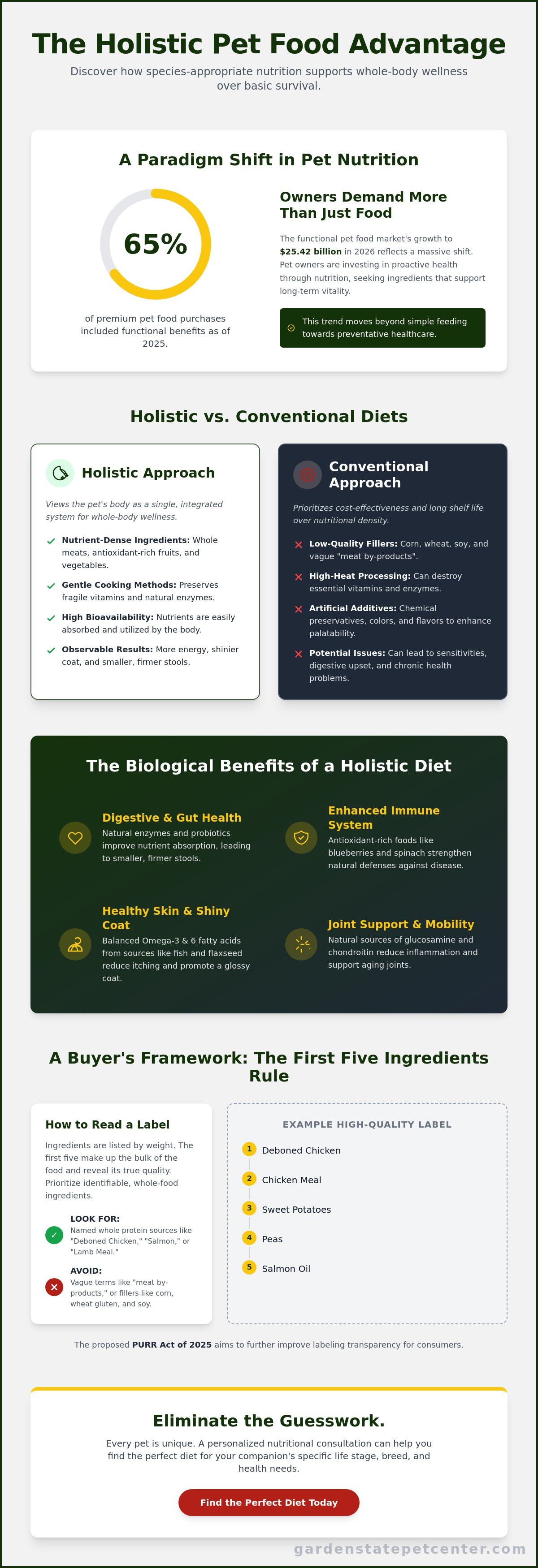
Did you know that nearly 65% of premium pet food purchases now include functional benefits as of 2025? This shift shows that many owners are looking for Holistic Pet Food to address more than just basic hunger. You're likely tired of squinting at confusing ingredient labels or worrying if low-quality fillers are causing your pet's chronic sensitivities. It's frustrating when you want the best for your companion but feel like you're reading a complex industrial report instead of a nutritious menu.
Understand the difference between natural, organic, and holistic labels to make the best choice for your household. While natural refers to the absence of synthetics and organic focuses on specific farming methods, holistic describes a formulation's intent to support the whole pet. The 2023 AAFCO "human grade" standards set a high bar for manufacturing, and the proposed PURR Act of 2025 aims to further streamline these labeling rules for better transparency. Even so, Holistic Pet Food remains the gold standard for preventative care. It prioritizes keeping your pet healthy today to avoid chronic issues tomorrow; to further support this proactive approach, you can find out more about Preventive Care from Animal Hospital of Sullivan County.
Discover how species-appropriate nutrition supports whole-body wellness rather than just basic survival to transform your pet's health. This article provides the clear criteria you need to choose the right nutrition for improved longevity. We'll explore 2026 market trends, explain the impact of the proposed PURR Act on labeling transparency, and show you how to identify high-quality options that prioritize biological needs over industrial convenience. Learn to bridge the gap between simple feeding and proactive healthcare for your pet's long-term vitality.
Key Takeaways
- Learn why a true whole-body approach goes beyond simple ingredient exclusions to focus on functional wellness for your companion.
- Understand how natural enzymes and antioxidant-rich whole foods strengthen your pet's digestive and immune systems.
- Discover why "all-purpose" diets can be dangerous for birds and reptiles and how specialized nutrition supports their unique biological needs.
- Master the "First Five Ingredients" rule to evaluate Holistic Pet Food labels with the precision of a professional nutritionist.
- Explore how personalized pet nutritional consultations can eliminate the guesswork of finding the perfect diet for your pet’s specific life stage.
Table of Contents
-
Holistic Nutrition Beyond Dogs and Cats: Birds, Reptiles, and Small Animals
-
The Professional Edge: Working with a Certified Pet Nutritionist
What is Holistic Pet Food? Defining the Whole-Body Approach
Holistic nutrition isn't just a marketing buzzword; it's a comprehensive philosophy that views your pet's body as a single, integrated system. Instead of merely treating a patch of dry skin or a sensitive stomach as isolated issues, a holistic approach seeks to balance every internal function through superior ingredients. In 2026, the functional pet food market grew to $25.42 billion, reflecting a massive shift in how we care for our companions. Choosing Holistic Pet Food means you're investing in long-term vitality rather than just managing daily hunger.
To better understand how these principles look in practice, watch this helpful overview of a leading holistic brand:
Understand the difference between natural, organic, and holistic labels to make the best choice for your household. While natural refers to the absence of synthetics and organic focuses on specific farming methods, holistic describes a formulation's intent to support the whole pet. The 2023 AAFCO "human grade" standards set a high bar for manufacturing, and the proposed PURR Act of 2025 aims to further streamline these labeling rules for better transparency. Even so, Holistic Pet Food remains the gold standard for preventative care. It prioritizes keeping your pet healthy today to avoid chronic issues tomorrow.
The Core Pillars of Holistic Nutrition
Look for three essential markers when evaluating a new diet. First, prioritize bioavailability. This ensures that the proteins and minerals in the kibble are easily absorbed by your pet's digestive tract. Second, identify functional ingredients like blueberries for antioxidants or chicory root for gut health. These provide benefits that go far beyond basic calories. Finally, ensure there is a total absence of synthetics. High-quality recipes never rely on chemical preservatives or artificial colors that can trigger sensitivities in exotic birds or small mammals.
Holistic vs. Conventional Commercial Diets
Industrial Dog food formulations often prioritize cost and shelf life over nutritional density. These conventional options frequently use high-heat processing that can destroy fragile vitamins and enzymes. In contrast, holistic diets focus on gentle cooking methods and nutrient-dense ingredients. When you switch, you'll likely notice your pet has more energy and a shinier coat. You'll also see smaller, firmer stools. This is a direct sign that your pet is actually digesting their food instead of passing fillers. Explore our collection of premium dry dog food to see the difference for yourself.
The Biological Benefits of a Holistic Diet for Pets
Feeding your companion isn't just about filling their bowl; it's about fueling complex biological processes. High-quality Holistic Pet Food provides natural enzymes and probiotics that actively improve digestive health. These live components help break down nutrients so your pet gets the most out of every calorie. When the gut is healthy, the immune system follows. Antioxidant-rich whole foods like spinach, cranberries, and blueberries enhance the body's natural defenses against environmental stressors and disease.
You'll see the results on the outside, too. Balanced Omega-3 and Omega-6 fatty acids from sources like wild-caught fish or flaxseed drive skin and coat health. This reduces chronic itching and creates a vibrant, glossy shine that reflects internal wellness. For older pets, inflammation reduction is vital. Natural sources of glucosamine and chondroitin, often found in high-quality meat meals or green-lipped mussels, provide crucial joint support. This keeps your companion moving comfortably through their senior years without the heavy reliance on synthetic supplements.
Cognitive and Emotional Well-being
The gut-brain axis is a powerful connection that many owners overlook. A pet's diet directly affects their behavior and anxiety levels. By avoiding the "sugar spikes" common in high-carb fillers, holistic diets maintain stable energy levels throughout the day. This prevents the hyperactive bursts and subsequent crashes that often lead to irritability or destructive habits. Investing in long-term nutrition helps prevent degenerative age-related diseases, keeping their minds sharp as they age.
Managing Allergies and Sensitivities
Standard commercial foods often rely on common dietary triggers like low-grade corn or mysterious "animal by-products." These can lead to chronic ear infections, hot spots, or persistent gas. Limited-ingredient holistic diets simplify the elimination process by removing these hidden irritants and focusing on transparency. Novel proteins like venison or rabbit reduce systemic inflammation by providing an amino acid profile the pet's immune system doesn't recognize as a threat. This targeted approach allows the body to heal from the inside out.
Mastering the art of understanding pet food labels is the first step toward achieving these biological benefits. It allows you to verify that the claims on the bag match the actual ingredients inside. If you're ready to see these transformations in your own home, browse our premium dog food options to find a formula that fits your pet's unique biological needs.
Holistic Nutrition Beyond Dogs and Cats: Birds, Reptiles, and Small Animals
While most conversations about Holistic Pet Food center on dogs and cats, exotic species often require even more specialized attention to thrive. These unique animals have highly sensitive biological systems that don't always adapt well to the industrial convenience of "all-purpose" pellets. Many generic commercial diets rely on fillers that fail to replicate the complex nutritional profiles found in the wild. For birds, reptiles, and small mammals, a holistic approach means looking beyond the bag to provide a diet that supports their entire ecosystem. It's about matching their biological reality with the highest quality ingredients available.
Integrating raw and whole-food elements is essential for long-term health. For example, parrots need more than just seeds; they require a variety of fresh vegetables and sprouted grains to maintain organ health. Similarly, reptiles benefit from a diet that prioritizes bioavailable nutrients over synthetic additives. By focusing on species-specific requirements, you can prevent common deficiencies that often go unnoticed until they become chronic. This proactive care is the hallmark of a true holistic philosophy.
Avian Holistic Health: More Than Just Seed
Parrots and other birds are highly intelligent creatures that require mental stimulation during mealtime. A truly holistic diet incorporates varied textures and foraging opportunities to keep them engaged. This mimics their natural behavior and reduces stress-related issues like feather picking. We also recommend using avian DNA sexing to inform specific nutritional requirements, as males and females of certain species may have different mineral needs during various life stages. Explore our bird collection to find specialized diets that prioritize these functional wellness goals.
Reptilian Wellness: Replicating Natural Ecosystems
Reptiles and amphibians rely heavily on the quality of their prey. A holistic approach involves gut-loading insects with high-quality nutrients before they are fed to your pet. This ensures the vitamins are delivered through a whole-food source rather than relying solely on powders. Many keepers find that synthetic vitamin D3 is no substitute for the complex interactions of natural sunlight and high-quality, whole-food sources. You can find everything needed to support these delicate systems in our reptile supplies section.
Small mammals like rabbits, guinea pigs, and ferrets also have distinct needs. Rabbits require a high-fiber, hay-based diet to maintain dental and digestive health, while ferrets are obligate carnivores that need high-protein, grain-free options. Organizations like the Pet Nutrition Alliance provide excellent resources for understanding these specialized requirements. By consulting with experts who understand these niche categories, you ensure your exotic companion enjoys the same level of care as any domestic pet. Choosing the right Holistic Pet Food for these sensitive animals is a commitment to their long-term vitality.
Selecting the Best Holistic Pet Food: A Buyer’s Framework
Becoming a savvy shopper starts with looking past the colorful packaging. The ingredient list is the most transparent tool you have to verify the quality of Holistic Pet Food. Ingredients are listed by weight before cooking, which makes the "First Five Ingredients" rule crucial. These top items represent the bulk of what your pet consumes. If you see high-quality proteins like deboned chicken or salmon at the top, you're on the right track. However, if the list leads with corn or wheat, the formula likely relies on cheap fillers rather than functional nutrition.
Distinguishing between whole deboned meat and meat meal is equally important. While "whole chicken" sounds superior, it contains up to 70% water, which cooks away during processing. A high-quality "chicken meal" is actually a concentrated protein source that provides more actual nutrition per gram. Avoid any label that lists vague "animal by-products" or "poultry meal," as these lack the clinical precision required for a true holistic diet. Instead, look for specific, named animal sources that ensure reliability and safety for your companion.
Watch out for hidden fillers that serve no biological purpose. Ingredients like beet pulp, corn gluten, and brewers rice are often used to bulk up the bag without adding significant value. These can lead to the chronic sensitivities and digestive upset we discussed in previous sections. A superior framework prioritizes nutrient-dense ingredients that support your pet's integrated systems without causing unnecessary inflammation.
Raw, Freeze-Dried, or Air-Dried: Which is Best?
Different processing methods impact how well nutrients are retained. Raw diets offer high biological superiority because they remain in their most natural state. Freeze-dried and air-dried options provide a helpful middle ground; they offer the convenience of a shelf-stable product while preserving fragile enzymes that traditional high-heat kibble often destroys. If you prefer the ease of traditional feeding, you can still find excellent premium dry food options that use gentle baking processes to maintain nutritional integrity.
Understanding Guaranteed Analysis
The "Guaranteed Analysis" panel tells you the minimum percentages of protein and fat along with the maximum fiber and moisture. For a holistic approach, look for moderate to high protein and low ash content. Ash represents the mineral residue left after a food is burned; high levels often indicate lower-quality bone-heavy meals. Be wary of "grain-free" labels that simply swap wheat for high-glycemic starches like white potatoes or peas. These can still cause the energy spikes we want to avoid. Focus on recipes that use low-glycemic, whole-food carbohydrates instead.
Ready to upgrade your pet's bowl with professional-grade nutrition? Browse our full selection of Holistic Pet Food to find a formula that meets these rigorous standards.
The Professional Edge: Working with a Certified Pet Nutritionist
Selecting a high-quality bag of Holistic Pet Food is a vital first step, but every pet is an individual with unique biological needs. A "one size fits all" approach often fails because it doesn't account for specific metabolic rates, activity levels, or underlying health conditions. This is where professional guidance provides a significant advantage. Shifting from a simple vendor-customer relationship to a dedicated health partnership ensures your pet receives clinical precision in their daily diet. You aren't just buying a product; you're consulting with a knowledgeable partner who cares about your pet's long-term vitality.
Many well-meaning owners attempt to formulate DIY raw diets at home to avoid commercial fillers. While the intention is excellent, these homemade meals often lead to dangerous nutritional deficiencies if not balanced correctly. A certified expert helps you avoid these gaps by ensuring your pet receives the essential trace minerals and vitamins required for whole-body wellness. This level of precision is especially critical for sick or elderly pets whose bodies can no longer process nutrients as efficiently as they once did.
Customizing Diets for Life Stages
Puppies and kittens have vastly different requirements than senior pets. Young animals need high caloric density and specific calcium-to-phosphorus ratios to support rapid bone and muscle growth. In contrast, senior maintenance focuses on protecting aging organs and maintaining a healthy weight through highly bioavailable proteins. Managing chronic conditions like kidney disease also requires specialized nutritional ratios that only a professional can safely formulate. For a deeper look at these niche requirements, read our sibling article on Premium Pet Food in Audubon, NJ: The Complete Guide to Specialized Nutrition.
Transitioning Your Pet Safely
Switching to a nutrient-dense Holistic Pet Food requires patience to avoid digestive upset. Follow the 7-to-10 day transition rule by slowly increasing the ratio of new food to old food each day. This gives the gut microbiome time to adapt to the higher quality ingredients. During this period, monitor physical markers like eye clarity, ear cleanliness, and energy levels. Vibrant eyes and a steady pulse of energy are the best signs that the new diet is supporting your pet's integrated systems. If you're ready to build a customized wellness plan, consult with our certified pet nutritionist today to ensure your companion receives the specialized care they deserve.
Invest in Your Companion's Vitality Today
Transforming your pet's health starts with moving beyond industrial convenience to embrace a species-appropriate strategy. You now understand how a whole-body approach supports everything from digestive resilience to cognitive sharpness. Whether you're caring for a senior dog or a sensitive exotic bird, the right Holistic Pet Food creates a foundation for longevity that basic commercial diets simply can't match. By prioritizing bioavailable proteins and functional ingredients, you're choosing proactive prevention over reactive symptom management.
Selecting the best nutrition doesn't have to be an overwhelming process. Garden State Pet Center has provided family-owned expertise since 1990 to help our local community thrive. We specialize in the complex requirements of exotic and rare species; our on-site Certified Pet Nutritionist is ready to help you formulate a precise plan for your unique animal. Shop our curated selection of holistic pet food and expert-approved diets to begin your companion's wellness journey today. Your pet deserves a life of vibrant health, and we're here to help you achieve it.
Frequently Asked Questions
Is holistic pet food better than grain-free food?
Holistic pet food represents a broad philosophy of whole-body wellness, while grain-free is simply the exclusion of specific ingredients. Many generic grain-free diets replace corn with high-glycemic starches like white potatoes that offer little nutritional value. A holistic approach ensures every ingredient serves a functional purpose for the pet's integrated systems. This means a holistic diet can be grain-free or include ancient grains, provided the focus remains on biological appropriateness and nutrient density.
Can holistic pet food help with my dog's skin allergies?
Yes, these diets often alleviate chronic skin issues by removing common dietary triggers and chemical irritants. Holistic recipes prioritize novel proteins and balanced omega fatty acids that strengthen the skin barrier from the inside out. By eliminating artificial colors and preservatives, you reduce the systemic inflammation that often manifests as itching or hot spots. Many owners see a significant improvement in coat shine and a reduction in redness after transitioning to a cleaner, whole-food diet.
Is holistic food safe for exotic birds and reptiles?
Absolutely, and it's often the superior choice for species with highly sensitive metabolic requirements. Holistic options for exotics avoid the low-quality fillers and synthetic dyes frequently found in "all-purpose" pellets. These diets prioritize bioavailable nutrients that more closely replicate what these animals would consume in their natural ecosystems. Providing this level of specialized care helps prevent common nutritional deficiencies in parrots, lizards, and other unique companions.
Why is holistic pet food more expensive than standard brands?
The price reflects the use of premium, nutrient-dense ingredients rather than cheap industrial by-products. Verified research from March 2026 indicates that functional pet foods typically carry a 30-50% price premium over standard products. This investment covers high-quality animal proteins and active components like probiotics and natural enzymes. While the initial cost is higher, the increased bioavailability often means you can feed smaller portions while supporting long-term health.
What are the most important ingredients to look for in holistic food?
Prioritize specific, named animal proteins like deboned turkey or wild-caught salmon as the first ingredients. Look for functional additions such as chicory root for digestive support and flaxseed for coat health. Avoid any labels that list vague "animal by-products" or "poultry meal," as these lack the precision required for high-end nutrition. Reliable Holistic Pet Food will always emphasize transparency and recognizable whole-food sources on the ingredient panel.
How do I know if my pet is actually benefiting from a holistic diet?
Monitor clear physical markers such as eye clarity, energy levels, and stool quality. You should notice smaller, firmer stools within the first few weeks; this is a direct sign of improved nutrient absorption. A vibrant, glossy coat and a steady pulse of energy throughout the day also indicate that the diet is successfully supporting your pet's whole-body wellness. These external changes reflect the internal shift toward better metabolic health and reduced systemic stress.
Do I need a prescription for holistic pet food?
No, you don't need a medical prescription to provide your pet with high-quality Holistic Pet Food. These diets are available to any owner who wants to take a proactive approach to their pet's healthcare. While they offer clinical-grade nutrition, they are sold as premium maintenance diets rather than restricted medical foods. If you're unsure which formula fits your pet's specific needs, a pet nutritional consultation can provide the professional guidance necessary to make an informed choice.
Can I mix holistic kibble with raw food?
Yes, mixing high-quality kibble with raw or gently cooked toppers is a great way to enhance both nutrition and palatability. This "mixed feeding" strategy allows you to combine the convenience of dry food with the live enzymes and moisture found in raw options. It's a popular choice for owners who want to introduce the benefits of raw feeding without fully transitioning their pet. Just be sure to adjust the total portions to maintain a healthy caloric balance for your pet's activity level.

Article by
Victor Santucci
Victor Santucci is the owner of Garden State Pet Center in Audubon, NJ, where he specializes in premium pet nutrition, exotic animals, and expert-level care. With years of hands-on experience and a passion for helping pets thrive, Victor is dedicated to educating pet owners on proper nutrition, enrichment, and species-specific care. His mission is simple: provide every pet with the highest quality products and every customer with honest, knowledgeable guidance.
Share this post
- 0 comment
- Tags: Animal Wellness, Holistic Pet Food, Natural Ingredients, Pet Health, Pet Nutrition, Reading Pet Food Labels, Species-Appropriate Diet