

Small Animals as Pets: A Comprehensive Guide to Species, Care, and Nutrition


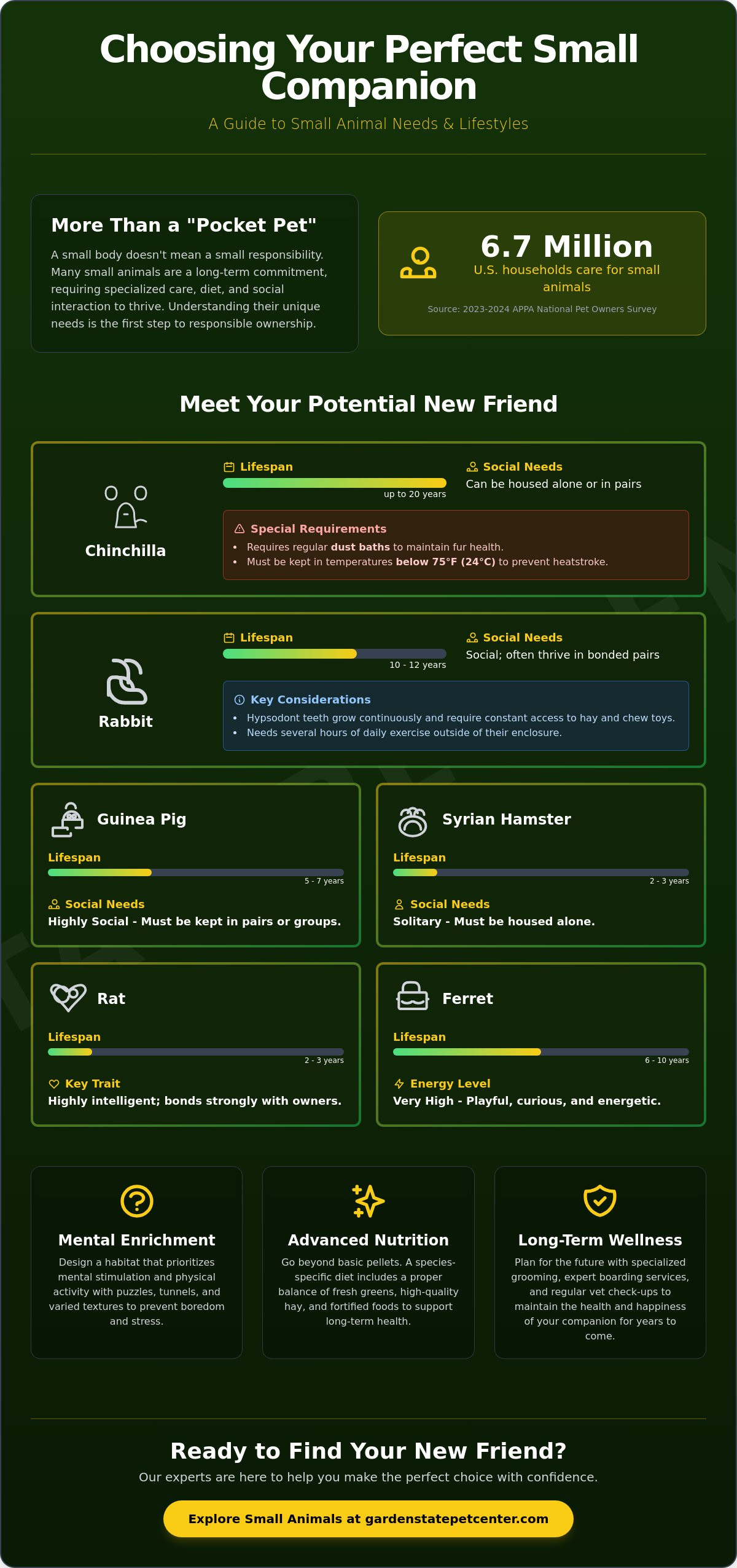
What if the smallest member of your household actually required the most specialized expertise to thrive? Many newcomers assume that Small Animals are simple, low-maintenance starter pets, but the 6.7 million U.S. households currently caring for them, according to the 2023-2024 APPA National Pet Owners Survey, know that true wellness requires a deeper commitment. You likely agree that providing a safe, healthy environment is your top priority, yet it's easy to feel overwhelmed by conflicting nutritional advice or concerns about zoonotic health risks.
While rodents and rabbits are the most common choices, some families looking for a highly intelligent and unique companion also consider mini pigs; resources like Mini Pigs Paradise can help prospective owners understand the specialized care and commitment these animals require.
At Garden State Pet Center, we believe you deserve a trusted partner to help you make these choices with confidence. This guide promises to help you discover the ideal pet for your specific lifestyle through expert insights into species temperament, specialized nutrition, and long-term wellness strategies. You'll gain a clear understanding of species-specific needs and learn how to identify the premium supplies that ensure your new companion lives a vibrant, healthy life from day one. We'll explore everything from habitat setup to advanced dietary requirements to ensure you feel fully prepared for your new arrival.
Key Takeaways
- Identify the ideal pet for your specific lifestyle by evaluating the unique social needs and space requirements of various species.
- Upgrade your pet’s diet with professional insights into species-specific nutrition and holistic feeding options that go beyond basic pellets.
- Learn how to design a thriving habitat that prioritizes mental enrichment and physical activity over simple confinement.
- Discover the essential role of specialized grooming and expert boarding in maintaining the long-term health of your Small Animals.
Understanding the World of Small Animals as Pets
Small animals represent a diverse group of companions that fit perfectly into modern, space-conscious lifestyles. In the professional pet industry, this term specifically refers to mammals like rodents, lagomorphs, and mustelids. Many people choose these companions because they require less square footage than a large dog. This makes them ideal for apartment living or busy households where a traditional pet might not fit. According to data from the American Pet Products Association (APPA), millions of households have embraced these species for their unique personalities and compact housing requirements.
Don't mistake a small body for a small responsibility. This is a common misconception that often leads to poor welfare outcomes. Some species, such as rabbits, can live for 10 to 12 years. They need daily exercise, specialized veterinary care, and consistent social interaction to remain healthy. Before adding a new member to your family, consult with a trusted expert. This ensures you're prepared for the long-term commitment and the specific environmental needs of the species you choose.
The "Pocket Pet" Category: More Than Just Hamsters
Proper care begins with identifying the specific needs of your pet's biological group. Most common small animal species fall into three main categories:
- Rodents: This includes rats, mice, hamsters, and guinea pigs.
- Lagomorphs: This category is specifically for rabbits.
- Mustelids: Ferrets are the most common pet in this group.
A shared trait among many of these animals is their hypsodont teeth, which grow throughout their entire lives. They require constant access to fiber and chew toys to keep their teeth at a healthy length. While exotic birds are also popular in smaller homes, they are not mammals and require entirely different social and environmental setups than the "pocket pet" group.
The Benefits of Small Animal Companionship
Small Animals offer incredible social bonding opportunities that many first-time owners find surprising. Rats are often called "low-maintenance dogs" because of their high intelligence and ability to bond with their owners. Ferrets are incredibly playful and energetic, providing hours of entertainment for their caretakers. For families, these animals serve as a bridge to teaching children about biology and daily responsibility. When you start with professional guidance, the experience is rewarding for both the pet and the owner.
Discover the joy of these unique companions by visiting a specialist who understands their nuances. High-quality care starts with the right environment and expert advice. You can explore our premium small animal section to find the best housing and nutrition for your specific pet. Starting with the right equipment ensures your new friend stays happy and healthy from day one.
Selecting the Right Species for Your Lifestyle
Choosing a companion involves more than picking a cute face. You must evaluate your daily availability and home environment against the biological needs of different Small Animals. Some species require 2 hours of out-of-cage playtime every day, while others prefer quiet observation from a distance. Lifespans vary significantly across the board; a mouse may live 2 years, while a chinchilla can reach 20 years. Before you commit to a new friend, shop the small animal collection to see the habitats and species-specific gear required for long-term success.
Social vs. Solitary: Navigating Temperament
Guinea Pigs are herd animals by nature. They thrive on vocalization and physical contact with their own kind, so they should always live in pairs or small groups. Keeping a single guinea pig often leads to depression and lethargy. In contrast, Syrian hamsters are fiercely territorial. They'll fight, sometimes fatally, if forced to share a cage. Domestic rats offer a different experience altogether. They possess high intelligence and social needs similar to dogs. They recognize their owners and require daily mental stimulation and "free-range" time to stay healthy.
High-Energy Gems: Chinchillas and Ferrets
Chinchillas are premium pets for owners who can maintain a strict environment. They require specialized dust baths to keep their dense fur clean and must stay in temperatures below 75 degrees Fahrenheit to prevent heatstroke. Ferrets are active carnivores that need a complete and balanced diet to support their incredibly fast metabolism. Their playful nature means you'll need to ferret-proof your home to keep them safe from narrow gaps and household hazards. While ferrets are crepuscular, meaning they're active at dawn and dusk, chinchillas are primarily nocturnal and will be most active while you're sleeping.
Low-Space Options: Mice and Gerbils
Mice are excellent for residents with limited square footage. A small, well-ventilated enclosure fits easily on a desk or shelf, making them ideal for apartment living. Gerbils are energetic burrowers that need deep substrate to satisfy their natural digging instincts. They're often diurnal, so they're active during the day when you're most likely to interact with them. Husbandry is the daily practice of care and environmental maintenance. If you're ready to start your journey with a new pet, visit our specialized supply section to find the right fit for your home.
Advanced Nutrition: Beyond the Standard Pellet
Standard "supermarket" pet food often relies on generic fillers like ground corn or soybean hulls. These ingredients fail to meet the intricate biological requirements of Small Animals. Research indicates that approximately 75% of health complications in domestic rabbits and guinea pigs are directly linked to improper nutrition. Our approach focuses on species-specific holistic diets that mirror what these animals would forage in the wild. Discover a deeper understanding of our nutritional philosophy by exploring our guide to Premium Pet Food, which details how specialized ingredients support long term vitality.
The Role of Forage and Hay in Digestive Health
High quality Timothy hay is the undisputed gold standard for lagomorphs and cavies. It provides the long strand fiber necessary for gut motility. Without constant access to forage, the digestive system can stall, leading to life threatening GI stasis. Beyond digestion, chewing on coarse hay manages dental health. Since a rabbit's teeth grow between 2 and 4 millimeters every week, constant grinding is a biological necessity. Choose hay that is vibrant green and sweet smelling. Avoid dusty or yellowed bales, as these often lack essential nutrients and can cause respiratory irritation.
Premium and Holistic Food Choices
Many owners choose "muesli" style mixes because they look appealing. These mixes actually encourage selective feeding, where the pet picks out the sugary seeds and leaves the nutritious bits behind. This leads to severe mineral deficiencies. Uniform, extruded pellets ensure every bite contains balanced nutrition. For specialized species like ferrets, we recommend incorporating freeze dried or raw protein components to satisfy their obligate carnivore status. If you have an "anxious" or sensitive pet, consulting with a certified pet nutritionist can help tailor a diet that stabilizes energy levels and reduces stress through gut health.
Supplements and Vitamins for Vitality
Guinea pigs lack the enzyme L-gulonolactone oxidase, meaning they cannot synthesize their own Vitamin C. Without a daily supplement or Vitamin C rich vegetables, they can develop scurvy in less than 2 weeks. While supplementing is vital, be cautious with fat soluble vitamins like A and D. Excessive amounts of these can lead to organ toxicity in small rodents. We provide a curated selection of small animal vitamins designed for specific life stages. Remember that nutrition is just one pillar of care. Discussing your pet's specific dietary needs during an annual wellness exam ensures they remain on the right track for years to come.
Creating a Thriving Environment: Enclosures and Enrichment
Think of your pet's living space as a habitat rather than a container. For Small Animals, the quality of their primary environment directly impacts their lifespan and stress levels. While a standard cage might keep a pet secure, a true habitat supports their natural instincts to forage, hide, and explore. High-quality setups require three core components: premium absorbent bedding, multiple secure hides, and excellent ventilation.
Unlike the strict environmental controls needed for cold-blooded pets, which you can learn about in this Reptiles and Amphibians guide, mammals like rabbits and guinea pigs rely on consistent airflow to prevent respiratory infections. Out-of-cage time is equally vital. Rabbits benefit from at least 3 to 4 hours of daily exercise in a rabbit-proofed area to maintain bone density and digestive health. This movement prevents obesity and keeps their complex digestive systems moving properly.
Species-Specific Housing Requirements
Rabbits and guinea pigs require horizontal floor space to run. A pair of rabbits needs at least 12 square feet of living space plus a larger exercise area. In contrast, rats thrive in vertical environments with multiple levels for climbing. Always choose solid flooring for these habitats. Wire mesh floors are a leading cause of "bumblefoot," a painful bacterial infection formally known as ulcerative pododermatitis. Ventilation also varies by species. Glass tanks are often unsuitable for rabbits due to poor airflow; wire-topped enclosures or open-topped pens are much safer for their lungs.
Mental Stimulation and Physical Exercise
Boredom leads to destructive behaviors like bar-biting or over-grooming. Introduce foraging toys that require your pet to work for their food, mimicking their natural wild behaviors. This can be as simple as hiding hay in cardboard tubes or using specialized treat puzzles.
- Exercise Wheels: When selecting wheels for rodents, avoid wire or mesh versions that can trap limbs. Choose solid-surface wheels with a diameter of at least 12 inches for rats to prevent spinal curvature.
- Hides and Burrowing: Security is a priority for prey animals. Every habitat should include "burrowing zones" and at least two exits per hide so the animal never feels cornered.
- Bedding: Use dust-free paper or aspen shavings. Avoid cedar or pine which contain phenols that can damage a small pet's liver over time.
A well-designed environment reduces cortisol levels and encourages natural rest patterns. It's about more than just survival; it's about providing a space where your pet can truly thrive. You can find everything you need to build a better home by browsing our premium small animal supplies today.
Long-Term Wellness: Grooming, Boarding, and Specialized Care
Maintaining the health of Small Animals requires more than a clean cage and a full food bowl. It involves a proactive commitment to specialized services that address their unique biology. Professional grooming and boarding aren't just luxury add-ons; they're essential components of a long, happy life for rabbits, guinea pigs, and other exotic pets. By utilizing expert services, you ensure your pet receives the precise care they need to thrive for years to come.
Professional Grooming for Small Mammals
Professional grooming for small mammals includes technical tasks like scent gland cleaning and precision nail trimming. For breeds like Angora rabbits or Silkie guinea pigs, daily coat maintenance prevents painful matting that restricts movement and traps waste against the skin. You should avoid bathing chinchillas or rabbits at home. Chinchilla fur is so dense that it traps moisture, which often leads to severe skin infections or fungal growth. Rabbits can easily go into shock or suffer spinal injuries if they panic during a bath.
A professional groomer acts as a first line of defense for your pet's health. During a standard session, an expert can identify early signs of issues such as:
- Ear mites or parasitic infections that might be invisible to the untrained eye.
- Pododermatitis, also known as bumblefoot, which affects the footpads.
- Abnormalities in scent glands that require specialized cleaning.
- Early-stage skin tumors or unusual lumps.
Safe Boarding Solutions for Travel
Leaving a pet with an inexperienced sitter or a neighbor can be dangerous. Small mammals are "prey species" that instinctively hide illness until it becomes a life-threatening crisis. A premium boarding service provides expert supervision and maintains strict routines to prevent GI stasis, a common and deadly response to stress in rabbits. These facilities offer species-specific diets, including high-quality Timothy hay and fresh greens, while following emergency protocols developed through years of experience.
The benefits of professional boarding include 24/7 monitoring of vital signs like hay intake and fecal output. These are the two most critical indicators of health in Small Animals. When you choose a trusted facility, you get the peace of mind that comes from knowing your pet is in a temperature-controlled, quiet environment designed to minimize anxiety. Expert assistance for delicate tasks like wing clipping or deep nail trims prevents accidental injury and ensures your pet remains stable and comfortable while you're away.
Start Your Journey Toward Better Small Pet Care
Bringing a new companion into your home is a rewarding journey that requires more than just a cage and basic food. You've discovered that thriving Small Animals depend on specialized nutrition tailored to their species and enrichment that stimulates their natural instincts. Success comes down to consistency. At Garden State Pet Center, we back our advice with over 30 years of experience in exotic and small animal care. Our on-site certified pet nutritionist creates specialized dietary plans to ensure your pet stays healthy for years to come. We're a trusted provider of professional small mammal grooming and boarding; we're here to help you navigate every stage of pet ownership with confidence. Our team treats every visitor like a neighbor, providing the expert guidance you need to make the best choices for your pet's long-term wellness.
Explore Our Premium Small Animal Supplies and Expert Care Services
We look forward to meeting you and your furry friend soon!
Frequently Asked Questions
What is the best small animal for a first-time owner?
Guinea pigs are the best choice for first-time owners because they're social and active during the day. They rarely bite and live between 5 to 8 years. You'll need at least 7.5 square feet of cage space for a single guinea pig. These small animals thrive on routine and provide a great introduction to responsible pet ownership for local families.
Do small animals like hamsters and guinea pigs need vaccinations?
Most common small animals like hamsters and guinea pigs don't need routine vaccinations in the United States. Rabbits are the exception; they may require the RHDV2 vaccine depending on local outbreaks. The USDA reported cases of this virus in 28 states during 2023. Always check with a specialized vet to see if your specific region requires these preventative measures.
How often should I clean a small animal enclosure to prevent odors?
You must spot clean the habitat daily and perform a full scrub once every 7 days. Daily cleaning involves removing wet bedding and 100% of uneaten vegetables. This prevents the buildup of ammonia, which can damage a pet's lungs. Regular maintenance ensures your home stays fresh and your pet remains healthy and comfortable in their environment.
Can different species of small animals live together in the same habitat?
You shouldn't house different species together because it creates significant health and safety risks. Rabbits often carry Bordetella, a bacteria that causes 80% of respiratory infections in guinea pigs. Their communication styles and dietary needs are also incompatible. It's safer to provide each species with its own dedicated habitat to ensure they feel secure and receive the correct nutrition.
Why is my small animal hiding all the time, and is it a sign of illness?
Hiding is a natural instinct, but it's a red flag if your pet stops coming out for meals. If they hide for 6 hours during their usual active time, they might be sick. Look for a 10% change in body weight or discharge around the eyes. These signs often indicate a respiratory infection or dental issues that require professional attention from an expert provider.
How do I know if my small pet is getting enough Vitamin C?
Guinea pigs need 10 to 30 mg of Vitamin C every day because their bodies can't produce it. You can tell they're getting enough if their coat is glossy and their energy levels are high. Signs of deficiency include lethargy or a 15% decrease in mobility. Feed them 0.25 cups of fresh red bell pepper daily to ensure they stay healthy.
Is it safe to use cedar or pine shavings as bedding for rodents?
It's not safe to use standard cedar or pine shavings because they contain toxic aromatic oils. These chemicals can cause a 30% increase in liver enzymes and lead to chronic respiratory distress. Use kiln-dried aspen or recycled paper bedding instead. These safer alternatives provide a dust-free environment that protects your pet's sensitive airway and overall internal health.
What should I do if my small animal stops eating for more than 12 hours?
You should seek emergency veterinary care immediately if your pet stops eating for 12 hours. This condition, called GI stasis, is life-threatening for rabbits and guinea pigs. Their digestive tracts must move constantly to prevent gas buildup. Waiting 24 hours reduces the chance of a successful recovery by nearly 50%, so don't delay in getting expert help for your companion.
Share this post
- 0 comment
- Tags: Small Animals