

The Ultimate Guide to Raw Dog Food: Benefits and Safety


With the global raw dog food market projected to reach $19.93 billion by the end of 2026, it's clear that pet parents are looking for nutrition that goes beyond traditional kibble. You've likely heard the success stories of shinier coats and boundless energy, but it's natural to feel hesitant. Between navigating complex 'complete and balanced' labels and staying informed about May 2026 safety alerts like the Albright's recall, the leap to Raw Dog Food can feel like a high-stakes guessing game. You want the biological benefits of fresh nutrition without the fear of pathogens or the stress of a messy kitchen.
We're here to replace that uncertainty with professional expertise and specialized care. You'll discover how to harness the power of raw nutrition to achieve smaller, firmer stools and improved digestive health. We'll guide you through the latest 2026 manufacturing standards and help you choose the best format for your routine, whether that's frozen, freeze-dried, or air-dried. By the end of this guide, you'll have a clear, safe roadmap to transition your dog to a high-quality diet that supports their long-term welfare.
Key Takeaways
- Learn the core differences between BARF and PMR feeding models to determine which biological approach best suits your dog's specific nutritional needs.
- Discover how switching to a high-quality Raw Dog Food diet can lead to smaller, firmer stools and noticeably healthier, more vibrant skin and coat.
- Evaluate the practical advantages of frozen, freeze-dried, and air-dried formats to find the perfect balance between nutritional density and daily convenience.
- Master a safe 10-day transition schedule that minimizes digestive upset and helps you monitor your pet's progress with total confidence.
- Understand the importance of expert-vetted brands like OC Raw and Vital Essentials in maintaining a safe, balanced, and pathogen-free feeding routine.
What is Raw Dog Food? Understanding the BARF and PMR Models
At its core, Raw Dog Food consists of uncooked animal proteins, including muscle meat, organ meats, and edible bones. This nutritional strategy aims to provide dogs with the fresh, enzyme-rich nutrients they would naturally consume in the wild. Unlike heavily processed options, these diets avoid the synthetic fillers and heavy grains that often lead to digestive sluggishness. To ensure your pet thrives long-term, you must look for the "Complete and Balanced" statement on any commercial brand. This label confirms the food meets the specific nutritional standards set by AAFCO for your dog's life stage, preventing dangerous nutrient deficiencies.
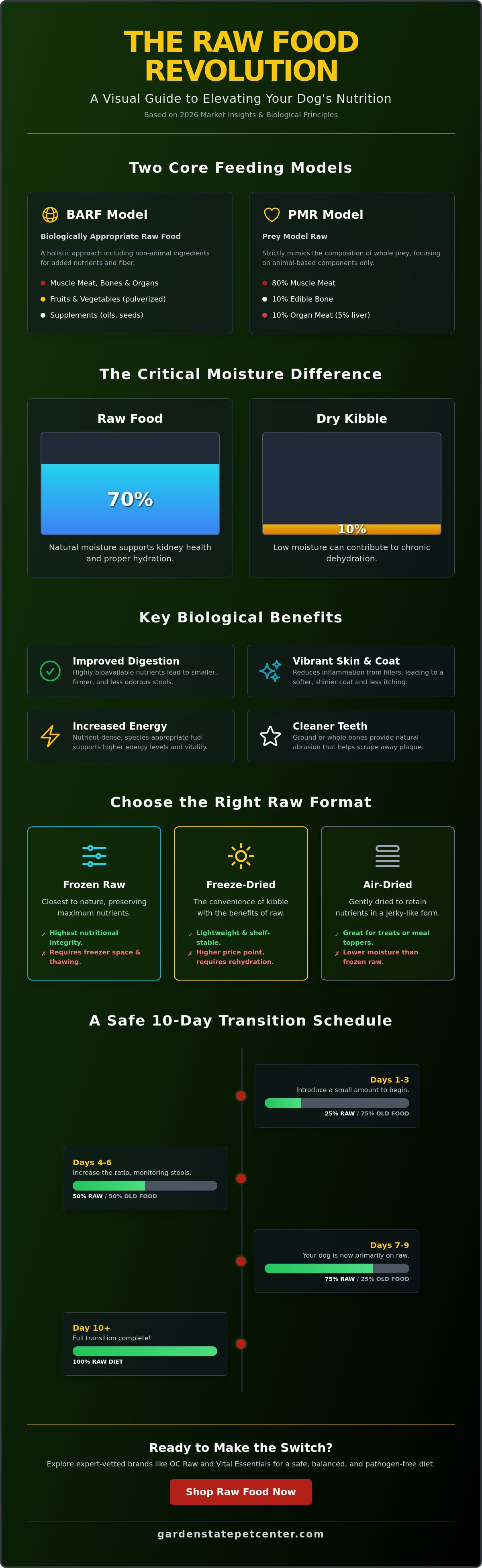
Pet parents typically follow one of two primary philosophies. The BARF (Biologically Appropriate Raw Food) model incorporates a mix of raw meat, bones, and organs alongside a small percentage of pulverized fruits and vegetables to provide antioxidants and fiber. Conversely, the PMR (Prey Model Raw) approach mimics whole prey consumption, strictly utilizing animal-based components in a specific ratio of meat, bone, and organ. You can explore the history and varied methodologies of Raw feeding to see how these practices have evolved to support modern domestic pets.
To better understand how to implement these ratios in your own home, watch this helpful video:
The Ancestral Diet vs. Modern Nutrition
While your dog might sleep on a sofa, their internal biology remains remarkably similar to their wild ancestors. Their short digestive tracts and highly acidic stomach environments are specifically designed to process raw proteins quickly and efficiently. Raw ingredients provide essential live enzymes and delicate amino acids that often perish during the high-heat extrusion process used to create traditional kibble. By serving food in its natural state, you preserve the nutritional integrity that supports healthy cellular function and metabolic energy. It's a proactive way to respect your dog's biological requirements.
Raw vs. Holistic Dry Food
The most striking difference between raw and processed diets is moisture. Raw meals typically contain around 70% natural moisture, which supports kidney health and helps prevent chronic dehydration. Standard dry food often sits at a mere 10% moisture content. This discrepancy means raw-fed dogs often enjoy better hydration and more efficient nutrient absorption. If you aren't ready for a full transition, choosing a premium dry food serves as an excellent bridge. These high-quality kibbles offer better bioavailability than budget brands and can be used as a base while you gradually introduce fresh toppers to your dog's routine.
The Biological Benefits: Why Switch to Raw in 2026?
Switching to Raw Dog Food offers a transformative shift in your pet's overall well-being by aligning their daily intake with their evolutionary needs. One of the most immediate changes you'll notice is a significant improvement in digestive efficiency. Because raw ingredients are highly bioavailable, your dog's body absorbs more nutrients and produces less waste. This results in smaller, firmer, and less odorous stools, which is often the first sign that their system is functioning at peak capacity. It's a practical benefit that makes backyard cleanup much easier for you while signaling better internal health for them.
Dermatological health also sees a massive boost. Many chronic skin irritations and hotspots are inflammatory responses to the fillers and synthetic additives found in traditional processed diets. By removing these triggers and providing natural, moisture-rich proteins, you help reduce systemic inflammation. This often leads to a softer, shinier coat and a clear reduction in itching. While the benefits are significant, it's vital to remain informed about handling; an FDA study on raw pet food highlights the importance of hygiene to mitigate risks for both you and your pet. If you're ready to see these changes in your own pet, explore our curated selection of premium raw diets designed for maximum vitality.
Improved Digestion and Gut Health
A healthy microbiome is the foundation of a strong immune system. Raw diets provide natural probiotics and enzymes that support a diverse gut environment, helping to alleviate symptoms of 'leaky gut' and other chronic digestive sensitivities. A dog's stomach maintains a highly acidic pH level specifically to break down bone matter and neutralize potential pathogens during the digestive process. This specialized gastric environment ensures that nutrients are extracted efficiently while keeping the GI tract resilient against external stressors.
Energy Levels and Cognitive Function
Unlike grain-heavy diets that cause blood sugar spikes followed by a 'carb crash,' raw nutrition provides a steady, reliable source of energy. This is particularly noticeable in senior dogs, where owners often report a renewed sense of vitality and playfulness. The high levels of naturally occurring Omega-3 fatty acids found in Raw Dog Food also play a critical role in maintaining cognitive function and brain health as your dog ages. By prioritizing high protein and low carbohydrate ratios, you help your pet maintain lean muscle mass and a healthy weight throughout all life stages.
Comparing Raw Formats: Frozen, Freeze-Dried, and Air-Dried
Choose the format that fits your lifestyle without compromising on your pet's biological needs. While Raw Dog Food is often associated with the butcher block, modern innovations have created multiple ways to serve high-quality nutrition. Each format offers a different balance of moisture, convenience, and shelf life. Your choice depends on whether you prioritize the maximum hydration of frozen meals or the grab-and-go ease of shelf-stable options. Transitioning between these formats allows you to maintain a consistent nutritional profile even when life gets busy.
Analyze the cost-per-serving by looking at nutritional density rather than just the weight of the bag. Frozen raw often requires a higher initial investment in storage space but provides the most moisture-rich experience. Conversely, freeze-dried and air-dried options are more concentrated; a small bag provides a significant number of servings once rehydrated or used as a topper. Balancing your budget with these high-density proteins ensures your dog receives premium care without unnecessary waste. Understand the professional guidelines for these proteins by reviewing the AVMA policy on raw diets, which highlights the importance of rigorous safety standards in raw protein handling.
Frozen Raw: The Gold Standard
Prioritize freshness by selecting frozen raw diets, which remain the closest possible match to a dog's ancestral eating habits. These meals retain 100% of their natural moisture, supporting kidney function and overall hydration. Modern brands now utilize High-Pressure Processing (HPP), a cold-water safety measure that eliminates harmful pathogens like Salmonella while keeping enzymes intact. Always thaw your pet's meal in the refrigerator rather than on the counter to maintain a safe temperature. Dedicate a specific shelf or small freezer to bulk feeding to keep your kitchen organized and hygienic.
The Convenience of Freeze-Dried and Air-Dried
Bridge the gap between premium nutrition and daily convenience with shelf-stable alternatives. Freeze-drying involves removing moisture under a vacuum, a process that preserves 99% of live enzymes and nutrients without the need for chemical preservatives. This makes it an ideal choice for traveling or as a lightweight "nutritional booster" for picky eaters who need a flavor punch. Air-dried options offer a unique, jerky-like texture that is slowly dehydrated to protect delicate proteins. Explore our full dog collection to find the specific format that aligns with your routine and your pet's preferences.
How to Safely Transition Your Dog to a Raw Diet
Transitioning your pet to Raw Dog Food is a rewarding journey, but it requires a patient, methodical approach to avoid overwhelming their digestive system. While some sources suggest an immediate switch, we recommend a gradual introduction to allow your dog's gut flora and gastric acidity to adjust. This proactive strategy minimizes the risk of loose stools and ensures a positive experience for both you and your companion. Success lies in observing your dog's unique response and adjusting the pace accordingly.
During this period, you might notice 'detox' symptoms such as minor changes in stool consistency or a slight increase in skin shedding. These are typically normal signs of the body adjusting to a cleaner, nutrient-dense fuel source. However, if you observe persistent vomiting or extreme lethargy, pause the transition and consult a professional. Once your dog is fully transitioned, remember the importance of protein rotation. Regularly switching between proteins like beef, turkey, or lamb helps prevent the development of food sensitivities and ensures a broader spectrum of amino acids. To get started with expert-vetted options, browse our selection of Raw Dog Food to find the right starting protein for your pet.
The 10-Day Switch Protocol
- Days 1-3: Begin by mixing 25% raw food with 75% of their current diet. Watch for any signs of digestive discomfort or unusual bowel movements.
- Days 4-7: Move to a 50/50 split. This is an excellent time to introduce digestive enzymes or a splash of goat milk to support the microbiome during the shift.
- Days 8-10: Increase the ratio to 75% raw and 25% old food. If your dog remains energetic and their stools are firm, complete the switch to 100% raw on day ten.
Handling and Hygiene Essentials
Maintaining a clean feeding environment is vital for the health of everyone in your household. Always use stainless steel or ceramic bowls rather than plastic; plastic often develops microscopic scratches that harbor bacteria over time. Wash all surfaces and utensils with hot, soapy water immediately after preparation. When storing frozen raw meals, place them on the bottom shelf of your refrigerator to prevent any accidental drips onto other food items. Finally, never use a microwave to thaw or warm Raw Dog Food. High heat destroys the delicate live enzymes and natural probiotics that make raw feeding so beneficial; it can also cause small bone fragments to become brittle and hazardous.
Expert Curation: Why Brand Selection Matters
Selecting the right Raw Dog Food is about more than just finding a meat-based product; it's about verifying the science and safety protocols behind every batch. While the raw movement has grown significantly, not every brand provides the same level of nutritional security. We curate a specific selection of industry leaders like OC Raw, Steve’s Real Food, and Vital Essentials because they demonstrate a commitment to clinical precision that many "boutique" brands lack. These manufacturers don't just guess at nutritional ratios; they invest in the testing required to ensure your pet receives a truly complete and balanced meal every time.
A reliable diet often serves as the foundation, but some pets require a more targeted approach to reach their full potential. You can further optimize your dog's health by integrating holistic supplements into their raw routine. Whether you're looking to support aging joints or boost a sensitive immune system, these additions work in harmony with fresh proteins to address specific health goals. By choosing expert-vetted brands, you eliminate the guesswork and provide your dog with a diet that is as safe as it is biologically appropriate.
Vetting the Best Raw Brands
Our vetting process goes far beyond looking at the ingredient list. We prioritize sourcing transparency, ensuring that the animal proteins used are held to high standards of quality and ethical origin. A critical marker of a professional raw diet is AAFCO compliance; this ensures the formulation meets the minimum requirements for long-term health without causing deficiencies. We also look for brands that implement rigorous batch testing for pathogens. This level of oversight provides the peace of mind you need when handling raw proteins in your home, ensuring that the food is as safe for the humans in the house as it is for the dog.
Consulting with a Certified Nutritionist
Every dog is an individual with unique metabolic needs that change as they age. Puppies require specific calcium-to-phosphorus ratios to support skeletal growth, while seniors may need leaner proteins to maintain a healthy weight without straining their kidneys. If your pet is managing a specific ailment like pancreatitis or kidney disease, a generic approach won't suffice. Our on-site certified pet nutritionist is available to help you navigate these complexities and tailor a raw feeding plan that supports their long-term welfare. Don't leave your pet's health to chance; contact our team for a personalized nutritional consultation to build a diet that truly serves your dog's needs.
Unlock Your Dog's Full Potential Through Fresh Nutrition
Transitioning to a biological diet is a significant step toward supporting your pet's long-term welfare. By following a structured 10-day schedule and choosing the right format for your lifestyle, you can safely introduce Raw Dog Food into your routine. You'll soon see the results in their smaller stools, shinier coat, and renewed energy levels. Success isn't about guesswork; it's about partnering with experts who prioritize safety and nutritional balance above all else.
As a family-owned resource serving pet parents since 1990, we're committed to providing the specialized care your companion deserves. Our on-site Certified Pet Nutritionist is available to help you tailor a plan that fits your dog's specific life stage. We also offer nationwide shipping on premium brands to make high-quality nutrition accessible to everyone. Ready to transform your dog's bowl? Shop Our Expert-Vetted Raw Dog Food Collection and start your journey today. We're here to support you and your pet every step of the way.
Frequently Asked Questions
Is raw dog food safe for my family and children?
Safe handling makes raw feeding perfectly safe for households with children. You should treat raw pet meals with the same hygiene standards you use when preparing raw chicken for your own dinner. Wash all surfaces, utensils, and your hands with hot, soapy water after every feeding. Keep the feeding area separate from food preparation zones to ensure a clean, healthy environment for your entire family.
Can I mix raw food with kibble in the same meal?
Mixing the two is a common practice, though some dogs with sensitive stomachs may digest them more comfortably in separate feedings. Kibble and raw proteins process at different rates within the digestive tract. If you choose to combine them, monitor your dog for any signs of gas or bloating. Using a freeze-dried topper is often the easiest way to introduce fresh variety to a dry diet.
How much raw food should I feed my dog based on weight?
Feed approximately 2% to 3% of your dog's ideal adult body weight daily. For example, a 50-pound dog would typically require about one to one and a half pounds of food per day. Highly active dogs or growing puppies may require up to 5% or even 10% of their weight. For a precise plan, we recommend scheduling one of our pet nutritional consultations to tailor the portions perfectly.
What should I do if my dog gets diarrhea during the transition?
Pause the transition immediately and return to the last successful ratio where their stools were firm. Diarrhea often indicates that the switch is moving too quickly for their gut microbiome to adjust. You can add a tablespoon of plain canned pumpkin or a specific digestive enzyme to help settle their stomach. If the issue persists for more than 48 hours, contact a professional for guidance.
Is raw food appropriate for puppies and large breeds?
Puppies and large breeds thrive on raw nutrition when the diet is carefully balanced for their rapid growth. It's vital to ensure the calcium-to-phosphorus ratio is correct to prevent skeletal issues in larger dogs. We carry specific formulations from trusted brands like OC Raw that are designed to meet the high energy and structural demands of developing puppies. This ensures they grow at a steady, healthy rate.
Do I need to add vitamins or supplements to a raw diet?
Commercial Raw Dog Food labeled as 'complete and balanced' already contains the necessary vitamins and minerals for daily health. You don't need to add anything for a standard, healthy pet. However, you might choose to include holistic supplements for specific goals, such as joint support or coat enhancement. Always consult with a nutritionist before adding high doses of fat-soluble vitamins like A or D.
Can dogs choke on the bones found in raw food?
Raw, edible bones are soft and flexible, making them much safer than brittle, cooked bones that can splinter. They provide essential minerals and act as a natural toothbrush to scrape away plaque. If your dog is a "gulper" who swallows food without chewing, we recommend choosing ground raw options. Always supervise your pet during mealtime to ensure they are chewing their food safely and thoroughly.
How long can raw dog food stay in the refrigerator?
Thawed raw food stays fresh for up to 3 days when stored properly in the refrigerator. Keep it in a sealed, airtight container on the bottom shelf to prevent any cross-contamination with your own food. If you haven't used the portion within 72 hours, it's best to discard it. For the best quality, only thaw enough food for two days of feeding at a time.

Article by
Victor Santucci
Victor Santucci is the owner of Garden State Pet Center in Audubon, NJ, where he specializes in premium pet nutrition, exotic animals, and expert-level care. With years of hands-on experience and a passion for helping pets thrive, Victor is dedicated to educating pet owners on proper nutrition, enrichment, and species-specific care. His mission is simple: provide every pet with the highest quality products and every customer with honest, knowledgeable guidance.
Share this post
- 0 comment
- Tags: BARF Diet, Canine Health, Dog Diet Transition, Dog Nutrition, Freeze-Dried Dog Food, Pet Food Safety, Raw Dog Food, Species-Appropriate Diet