

The Ultimate Small Animal Buying Guide: Essential Supplies for Happy, Healthy Pets


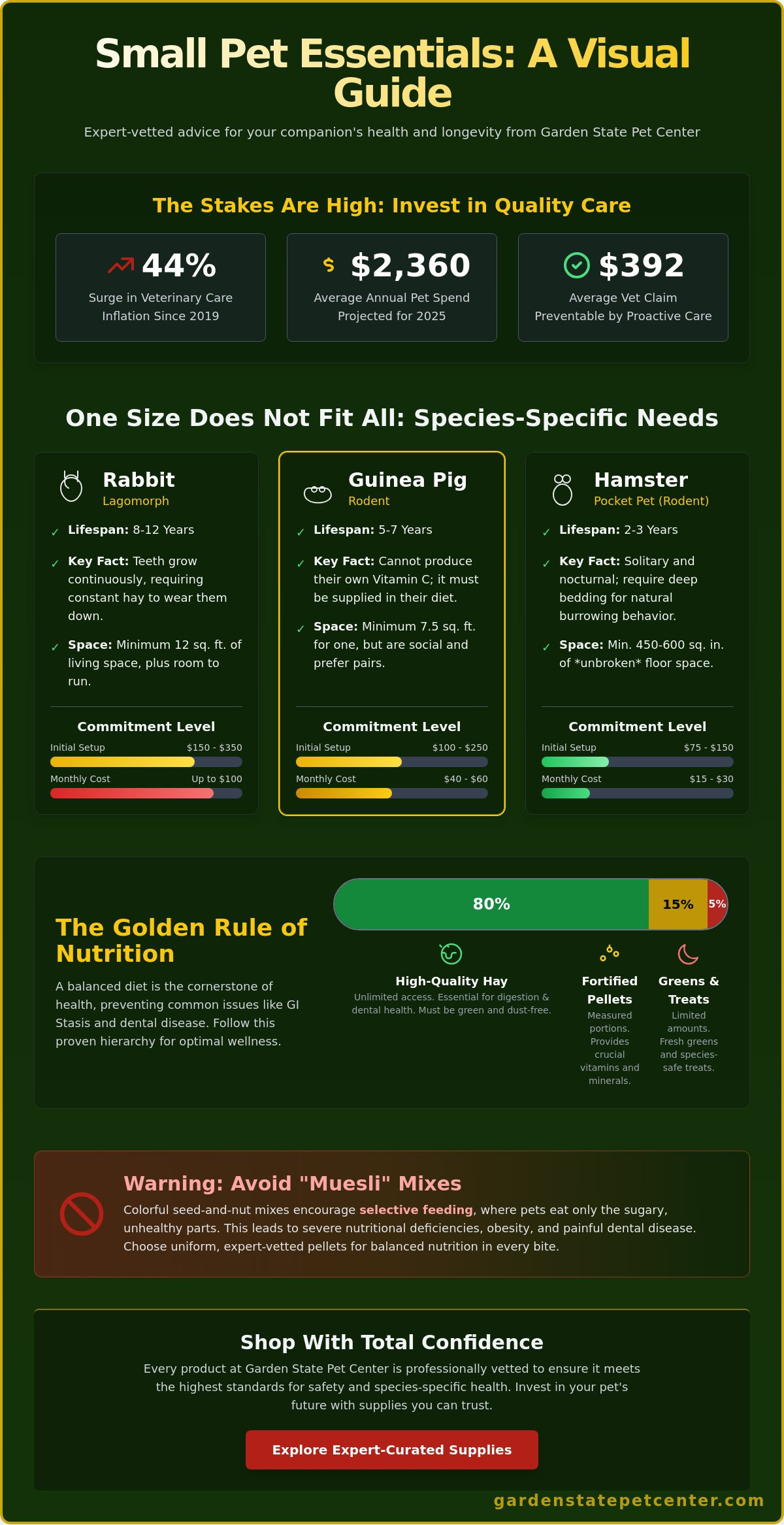
Did you know that veterinary care inflation has surged 44% since 2019? With the average pet parent spending approximately $2,360 on their companions in 2025, choosing the right supplies from the start isn't just about comfort; it's a vital investment in your pet's longevity. It's completely normal to feel overwhelmed by confusing nutritional labels or the fear of accidentally buying unsafe bedding for your small animal. You deserve a knowledgeable partner who understands that an exotic pet requires the same clinical precision and care as any other family member.
Brush long-haired breeds daily to prevent painful matting, while short-haired pets usually require a weekly session. You must also perform nail trims every 4 to 6 weeks to prevent skeletal issues or arthritis. Regular grooming is the perfect time to check for lumps, clear eyes, or signs of dental overgrowth. For keeping your living space clean after a grooming session, a Pet Hair Remover Roller is a highly recommended tool. If you're uncomfortable trimming nails at home, take advantage of our professional grooming services for a stress-free experience.
At Garden State Pet Center, we believe specialized care should be straightforward and stress-free. This guide promises to simplify your shopping experience by providing expert-vetted recommendations for rabbits, guinea pigs, and pocket pets. You'll discover how to select premium food, secure habitats, and safe enrichment toys that work in synergy. We're providing a complete checklist of professional-grade essentials so you can shop with total confidence in every product's safety and quality.
Key Takeaways
- Learn why species-specific nutrition is vital for your small animal and how to master the "80/15/5" hay and pellet diet rule.
- Discover how to select safe bedding and spacious enclosures that prioritize your pet’s respiratory health while minimizing environmental stress.
- Explore the biological necessity of chewing and how to use expert-recommended foraging toys to keep your pet mentally sharp.
- Understand the professional vetting process that ensures every supply you buy is premium, safe, and trusted by specialists.
Understanding the Small Animal Spectrum: Which Pet is Right for You?
Choosing a companion requires more than just picking the cutest face at the shop. The term "small animal" covers a vast biological range, from lagomorphs like rabbits to diverse rodents such as guinea pigs, hamsters, and gerbils. Each species possesses distinct metabolic rates, social structures, and skeletal needs that dictate their care. A common mistake is assuming that a one-size-fits-all approach works for these exotic mammals. Species-specific shopping is a non-negotiable requirement for their health because a product safe for a hamster might be lethal for a rabbit. At Garden State Pet Center, we recommend exploring our curated small animal collections to find products vetted by experts who understand these differences.
Understanding the nuances of small mammals as pets helps prevent common husbandry errors. While "pocket pets" like hamsters are often solitary and require compact but deep bedding for burrowing, larger animals like rabbits and guinea pigs are social creatures that need significant floor space to thrive. Using the wrong enclosure or food can lead to chronic stress and expensive medical issues. Consulting a certified pet nutritionist is often the best way to navigate the specialized requirements of more sensitive exotic mammals.
To better understand how habitat choice impacts your pet's well-being, watch this helpful review of a professional-grade enclosure:
Lagomorphs vs. Rodents: Key Differences
Rabbits aren't rodents; they're lagomorphs. This distinction matters because their dental and digestive systems are uniquely complex. A rabbit's teeth grow continuously, requiring constant access to high-quality hay to prevent painful overgrowth. Guinea pigs, while rodents, have a unique quirk: they can't produce their own Vitamin C. Without external supplements or Vitamin C-rich vegetables, they face severe health risks like scurvy. You must also consider space. A "small" pet doesn't mean a small cage. A rabbit needs at least 12 square feet of living space, whereas a hamster thrives with 450 to 600 square inches of unbroken floor space for their active night cycles.
Time and Financial Commitments
Ownership costs vary wildly across the small animal spectrum. As of April 2026, initial setup for a rabbit can range from $150 to $350, with monthly expenses for hay and pellets reaching up to $100. Hamsters are more budget-friendly, with monthly costs between $15 and $30. Don't forget the lifespan. A hamster lives 2 to 3 years, while a well-cared-for rabbit can stay with you for 8 to 12 years. Factor in professional services like specialized boarding or grooming to keep your pet healthy. With veterinary inflation up 5.3% year over year in early 2026, investing in premium nutrition now prevents the $392 average vet claim later.
The Golden Rule of Small Animal Nutrition: Hay, Pellets, and Beyond
Fiber acts as the primary engine for any small animal digestive tract. To maintain a healthy gut, you must follow the nutritional hierarchy: 80% high-quality hay, 15% fortified pellets, and 5% healthy treats or fresh greens. While choosing the right pet for your family is the first step, mastering this dietary balance is what ensures their longevity. Without constant fiber, the digestive system of a rabbit or guinea pig can slow down or stop entirely, a dangerous condition known as GI stasis. High-quality forage should be green, sweet-smelling, and virtually dust-free to protect their sensitive respiratory systems.
Avoid "muesli" style mixes that contain colorful seeds, nuts, or dried fruit. These products encourage selective feeding, where your pet picks out the sugary bits and leaves the essential fiber behind. This behavior leads to obesity and severe dental disease. Expert-vetted pellets should be uniform in shape and color, ensuring every bite provides balanced nutrition. If you want to support your pet's specific health needs, you can browse our curated selection of Small Animal Vitamins & Supplements to find professional-grade options.
Choosing the Right Hay for Every Life Stage
Age dictates the type of hay your pet requires. Alfalfa hay is rich in protein and calcium, making it ideal for growing babies under six months or nursing mothers. However, adults need Timothy hay to prevent kidney stones and obesity. If you or your pet have allergies, orchard grass is a softer, fragrant alternative that still provides the necessary long-strand fiber. Botanical blends featuring dried herbs can also entice picky eaters to consume more forage.
Free-Choice Feeding and Fortified Pellets
Free-choice feeding is the gold standard for rabbit and guinea pig health, ensuring they have constant, 24-hour access to fresh hay to keep their gut moving and teeth worn down. When it comes to pellets, look for "timothy-based" labels for adults and avoid anything with artificial dyes or fillers like corn and soy. For aging or anxious pets, specialized supplements can provide extra support for joint health or stress management. You can find these premium supplies at Garden State Pet Center, where we prioritize products that meet clinical standards.
Creating a Safe Haven: Essential Habitat and Bedding Supplies
Your pet's habitat is more than just a place to sleep; it's a sanctuary that must support their mental and physical health. Enclosure size stands as the primary factor in preventing chronic stress, which often manifests as cage-biting or lethargy. Many standard enclosures sold today don't meet the welfare standards required for active species. Following a professional small animal care guide ensures you provide enough room for natural foraging and exercise. A cramped environment leads to a weakened immune system, making your pet more susceptible to illness.
Every habitat requires specific hardware to remain functional and hygienic. Use heavy ceramic bowls for food to prevent tipping and contamination. While water bottles are a traditional choice, many experts now suggest wide-mouthed ceramic bowls for rabbits to encourage more natural hydration levels. Hay racks are equally essential for keeping forage off the floor, which prevents your pet from wasting expensive food or eating soiled hay. You can find these premium small animal supplies at Garden State Pet Center, where we prioritize safety and durability for every species.
Enclosure Selection: Beyond the Barred Cage
Multi-level habitats offer great enrichment for agile climbers, but single-level spaces are safer for guinea pigs who lack depth perception. Solid flooring is a non-negotiable safety feature. Wire mesh floors frequently cause "bumblefoot," a painful ulcerative pododermatitis that can lead to bone infections. Ventilation is another critical pillar of habitat design. While glass tanks might look sleek, they often trap ammonia from urine, which can cause permanent lung damage. Choose a habitat with powder-coated bars to ensure maximum airflow and durability.
Bedding and Substrate: Safety First
Select bedding that prioritizes respiratory health by avoiding aromatic oils. Never use cedar or pine shavings; these woods contain phenols that are toxic to small mammal livers and lungs. High-quality paper-based bedding is 20% more absorbent than wood shavings and provides a soft surface for nesting. Aspen is a safe wood alternative if you prefer a natural texture for burrowing species. Maintain a strict hygiene schedule by spot-cleaning soiled areas daily. A full deep-clean should occur weekly to prevent the buildup of harmful bacteria and odors.
Enrichment and Hygiene: Keeping Your Small Pet Happy and Healthy
Small animal wellness depends on more than just food and a cage. It requires a species-specific ecosystem where mental health is prioritized alongside physical safety. Boredom isn't just a minor inconvenience for these creatures. It often leads to stereotypic behaviors like bar biting, repetitive circling, or over-grooming. Because a rabbit's incisors can grow up to 12cm in a single year, providing appropriate textures to chew isn't optional. It's a biological mandate. When you provide the right enrichment, you're not just buying a toy; you're preventing painful dental overgrowth and chronic stress.
Identifying signs of boredom early can save you from the rising costs of emergency veterinary care, which saw a 5.3% price increase in early 2026. If your pet seems unusually lethargic or begins destroying their habitat hardware, they likely need more mental stimulation. Turning mealtime into a game is the most effective way to engage their natural instincts. You can easily achieve this by using specialized tools that encourage foraging and problem-solving. Shop our curated small animal enrichment supplies to find professional-grade solutions that keep your pet active and engaged.
Natural Chews and Foraging Enrichment
Safe woods like applewood and willow provide the perfect resistance for dental maintenance. Natural fibers such as seagrass and water hyacinth offer varied textures that keep pets interested for hours. Interactive puzzles and treat-dispensing balls mimic wild foraging behaviors, forcing your pet to work for their pellets. This mental exercise is crucial for preventing the cognitive decline often seen in isolated pocket pets. For pets that require more intensive maintenance, we offer Small Animal Grooming Services to ensure their coats and skin remain in peak condition.
Hygiene and Health Monitoring
Daily health checks are your first line of defense against illness. Feel for unusual lumps, check that eyes are clear, and ensure the "rear end" is clean to prevent flystrike. Professional nail trimming is another vital component of hygiene. Overgrown nails can change how a pet carries its weight, leading to permanent skeletal issues or arthritis. If you manage a multi-pet household, you might also find our guide on Professional Bird Grooming Services helpful for maintaining your avian companions. Regular grooming sessions provide a perfect opportunity to spot early warning signs of health problems before they become expensive emergencies.
Why Shop Curated? The Garden State Pet Center Professional Difference
Choosing where to buy your supplies is just as important as the products themselves. Most big-box retailers prioritize high-volume sales over the specific biological needs of exotic mammals. At Garden State Pet Center, we operate as your "Knowledgeable Local Guardian," providing a level of expertise that generalist shops simply can't match. Having an on-site certified pet nutritionist means every recommendation we make is grounded in clinical precision. We understand that a small animal requires specialized care, and our team is here to ensure you leave with the right tools for your pet's specific life stage.
Our vetting process is incredibly rigorous. We refuse to carry products that don't meet our high safety standards, such as bedding with toxic aromatic oils or "muesli" food mixes that encourage selective feeding. Every brand in our collection has been screened for quality, durability, and nutritional integrity. This proactive approach alleviates the fear of buying unsafe toys or nutritionally vacant food. When you shop with us, you're consulting with a trusted partner dedicated to long-term animal welfare rather than just a retail clerk.
Featured Small Animal Products
Our collection features only the highest-rated supplies that specialists trust. We stock premium, dust-free Timothy and Alfalfa hay that supports the essential 80% fiber requirement discussed earlier in this guide. You'll also find fortified pellet diets free from artificial dyes and fillers, alongside enrichment toys made from 100% safe, natural fibers like applewood and seagrass. Best of all, you don't have to be local to Audubon to access our expertise. Take advantage of our National Shipping for Small Animal Supplies to get professional-grade products delivered directly to your door.
Specialized Boarding and Care
Support for your pet doesn't end at the checkout counter. We offer specialized boarding services designed specifically for exotic mammals and "Anxious Pets" who need a higher level of patience and care. Traveling can be incredibly stressful for rabbits and guinea pigs, but our professional boarding environment provides a quiet, safe haven managed by experts who recognize early signs of distress. This comprehensive approach ensures your pet remains happy and healthy even when you're away. Ready to upgrade your pet's lifestyle? Shop our curated Small Animal Collection today!
Invest in Your Small Pet’s Long-Term Wellness
Creating a thriving environment for your companion requires mastering the species-specific needs we’ve discussed. From the 80% fiber rule for digestive health to choosing habitats that prioritize respiratory safety, every decision you make impacts your pet's longevity. By avoiding toxic aromatic oils and providing natural foraging toys, you’re actively preventing the health issues that contribute to rising veterinary costs. Data from 2025 shows the average vet bill per claim reached $392, making high-quality nutrition a vital investment in your pet’s future.
Garden State Pet Center is your trusted partner for every stage of ownership. Our on-site Certified Pet Nutritionist and expert-vetted premium brands ensure your small animal receives only the safest supplies. Beyond retail, our specialized boarding and grooming services provide the patient care your pet deserves. Shop Premium Small Animal Supplies today to secure a happy, healthy future for your companion. You’ve taken the first step toward expert care, and we’re excited to support your journey as a dedicated pet parent.
Frequently Asked Questions
What type of hay is best for rabbits and guinea pigs?
Timothy hay is the essential daily forage for adult small mammals because it provides the long-strand fiber needed for digestion and dental wear. Young animals under six months or nursing mothers benefit from the higher calcium and protein in Alfalfa hay. You should always provide unlimited access to fresh, green hay to prevent GI stasis. If you have allergies, orchard grass is an excellent alternative that still meets these vital nutritional requirements.
Is it safe to use wood shavings for small animal bedding?
Only Aspen shavings are safe for use as small animal bedding because they are a hardwood and do not contain toxic aromatic oils. Avoid cedar and pine shavings at all costs; these softwoods release phenols that can cause liver damage and respiratory distress in sensitive exotic pets. For maximum absorbency and odor control, many owners now prefer high-quality paper-based substrates which are 20% more absorbent than wood.
How much space does a guinea pig really need?
A single guinea pig requires a minimum of 7.5 square feet of flat floor space, though 10.5 square feet is the professional recommendation for a pair. Unlike hamsters who burrow, guinea pigs need horizontal room to "zoom" and exercise. Providing a cage that is too small leads to obesity and chronic stress. Always prioritize floor space over vertical height, as guinea pigs lack the depth perception for safe climbing.
Do small animals need vitamins or supplements?
Guinea pigs require a daily Vitamin C supplement because their bodies cannot produce it naturally, which puts them at risk for scurvy. Other species generally get their nutrients from fortified pellets, but aging pets often benefit from specialized joint or skin supplements. You can consult with our on-site nutritionist to determine the specific needs of your pet. We carry expert-vetted supplements designed to support immune health and stress management.
How often should I groom my small pet?
Brush long-haired breeds daily to prevent painful matting, while short-haired pets usually require a weekly session. You must also perform nail trims every 4 to 6 weeks to prevent skeletal issues or arthritis. Regular grooming is the perfect time to check for lumps, clear eyes, or signs of dental overgrowth. If you're uncomfortable trimming nails at home, take advantage of our professional grooming services for a stress-free experience.
What are the best treats for hamsters and gerbils?
Fresh vegetables like broccoli or small pieces of apple are excellent healthy treats for hamsters and gerbils. Avoid commercial "honey sticks" or sugary drops, as these lead to rapid weight gain and tooth decay. Protein-rich snacks like dried mealworms are also great for mimicking their natural omnivorous diet. Keep treat intake to 5% of their total daily diet to ensure they still consume their essential fortified pellets.
Can I house different species of small animals together?
No, you should never house different species together because they have incompatible social behaviors and nutritional requirements. For example, a rabbit can accidentally injure a guinea pig, and their differing dietary needs make shared feeding dangerous. Even if they seem friendly, the stress of inter-species communication can weaken their immune systems. Always provide species-specific housing to ensure every pet feels secure and receives the correct specialized care.
How do I know if my small animal is sick?
Watch for immediate red flags such as lethargy, a refusal to eat for more than 12 hours, or visible changes in their droppings. Small mammals are prey animals and often hide illness until it becomes a medical emergency. If you notice discharge from the eyes or nose, or if your pet's breathing seems labored, seek professional veterinary care immediately. Early intervention is the best way to manage health issues before they escalate.
Share this post
- 0 comment
- Tags: animal habitats, enrichment toys, guinea pig, new pet guide, pet care, pet food, pet supplies, pocket pets, rabbit, small animal