

Best Cat Food for a Healthy Coat: 2026 Guide


That dull, brittle fur isn't a grooming failure; it’s a direct reflection of your cat's internal nutrition. You have likely felt the frustration of constant shedding on your furniture or the worry that comes with seeing persistent dandruff during your daily brush sessions. It is exhausting to squint at complex ingredient labels while trying to find the best cat food for healthy coat health without getting lost in marketing jargon.
We understand that you want your companion to thrive with fur that is as soft and radiant as it was when they were a kitten. This guide simplifies the science of feline nutrition, focusing on how diets that exceed the AAFCO minimum of 26% protein for adult maintenance can transform skin health. You will discover how to identify biologically appropriate ingredients that reduce flakiness and restore a deep, healthy shine within just a few weeks. We are going to break down the essential nutrients your cat needs, from moisture-rich proteins to specialized omega fats, so you can choose their next meal with total confidence and professional expertise.
Key Takeaways
- Understand why your cat’s skin is their largest organ and how prioritizing high-quality protein acts as the primary fuel for a glossy coat.
- Pinpoint the essential "coat superstars," including specific omega fatty acids and fat-soluble vitamins, that eliminate flakiness and irritation.
- Evaluate the best cat food for healthy coat outcomes by learning how raw and freeze-dried diets preserve fragile nutrients better than traditional high-heat kibble.
- Use our professional checklist to navigate complex ingredient labels and avoid common marketing traps found in "sensitive skin" formulas.
- Implement the "Slow and Steady" transition method and discover how nutrient-rich toppers can provide a visible boost to your cat’s fur shine.
The Science of Shine: Why Diet is the Secret to a Healthy Coat
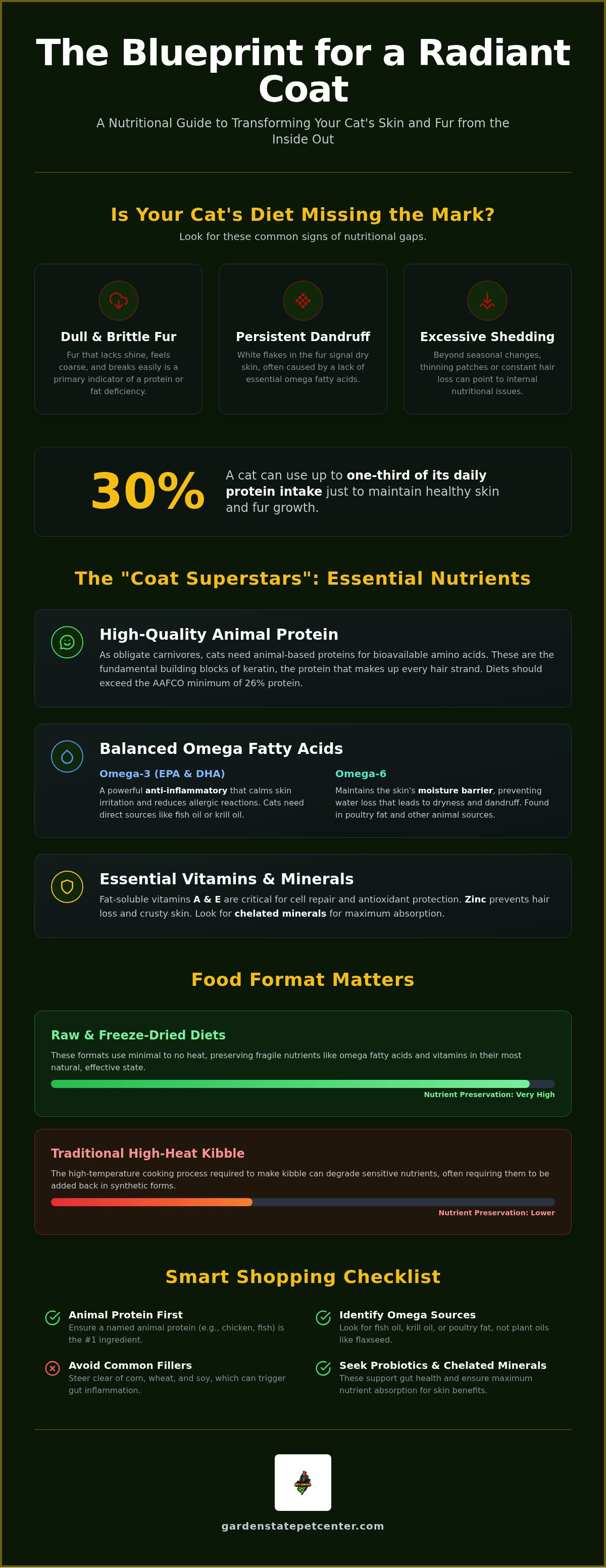
View your cat's fur as a window into their internal biology. It serves as a primary indicator of their metabolic health and immune system strength. Think of the skin and coat as the body's largest organ system, requiring a massive amount of energy to maintain. In fact, a cat may use up to 30% of their daily protein intake just to keep their skin healthy and their fur growing. If their diet lacks bioavailable amino acids, the body priorities internal organs first, leaving the coat dull, brittle, or thin. Finding the best cat food for healthy coat support starts with understanding these high metabolic demands.
Choosing a diet that respects feline physiology is essential for long-term vitality. As obligate carnivores, cats possess a unique digestive system designed to process animal proteins and fats rather than plant-based carbohydrates. Understanding specific Cat food nutritional requirements is the first step in ensuring your pet has the building blocks for keratin, the structural protein that makes up every hair strand. When these requirements aren't met, the "shine" is the first thing to disappear.
The Connection Between Gut Health and Fur Quality
A healthy shine begins in the digestive tract. When a cat consumes "fillers" like corn, wheat, or soy, it can trigger low-grade inflammation in the gut. This inflammation often manifests externally as dry, flaky skin or a greasy texture. Probiotics play a vital role here by enhancing nutrient absorption. If the gut isn't healthy, even the most expensive supplements won't reach the hair follicles. Selecting the best cat food for healthy coat results means looking past the marketing and focusing on how the body processes each ingredient. High-quality animal fats ensure these nutrients are absorbed efficiently, fueling the follicles from the inside out.
Signs Your Cat’s Diet Needs a "Glow-Up"
Identify subtle changes in your cat's appearance to catch nutritional gaps early. A "staring" coat is a classic sign of poor nutrition; this is when the fur appears unkempt, stands away from the body, and lacks its natural luster. Don't confuse this with seasonal shedding. While all cats lose hair, nutritional hair loss often involves thinning patches or skin that feels papery and inelastic. If you notice persistent dandruff despite a humid environment, it's a clear signal that their current diet lacks the essential fatty acids needed to seal moisture into the skin cells. Addressing these signs proactively with a species-appropriate diet can reverse dullness in a matter of weeks.
Essential Nutrients for Feline Skin and Fur Health
Achieving a radiant coat requires more than just meeting basic caloric needs. It demands a precise blend of micronutrients that work in harmony to support the skin's biological functions. The synergy between healthy fats and fat-soluble vitamins is the foundation of skin health. Vitamins A and E are critical for cellular repair and antioxidant protection, but they cannot be absorbed without a lipid carrier. This is why the best cat food for healthy coat maintenance always includes high-quality animal fats rather than just high protein counts. Without these fats, those expensive vitamins simply pass through your cat's system without providing any benefit.
Cats are unique because their bodies aren't designed to convert plant-based oils efficiently. While flaxseed or canola oil might provide Omega-3s for humans, cats lack the specific enzymes to convert alpha-linolenic acid (ALA) into the usable forms of EPA and DHA. They need direct sources from fish, krill, or poultry fat to see real results in fur texture. Look for chelated minerals on your cat's food label as well. These are minerals bound to amino acids, which makes them much easier for your cat's digestive tract to absorb. This ensures that essential elements like zinc reach the skin to prevent crusting and hair loss. You can learn more about these Essential nutrients for cats through resources provided by veterinary experts.
The Role of Omega Fatty Acids: 3 vs. 6
Omega-3 and Omega-6 fatty acids must exist in a careful balance to prevent skin issues. Omega-3, specifically EPA and DHA from marine sources, acts as a powerful anti-inflammatory. It calms skin irritation and reduces the redness often associated with allergies. Omega-6 is equally vital as it maintains the skin's moisture barrier, preventing the trans-epidermal water loss that leads to dandruff. If the ratio is off, you might notice your cat has excessively oily skin or a coat that feels perpetually dry. Finding a formula that balances these fats is a hallmark of the best cat food for healthy coat vitality.
Proteins and Amino Acids: The Building Blocks of Keratin
Keratin is the structural protein that gives hair its strength and elasticity. To produce high-quality keratin, your cat needs sulfur-containing amino acids like methionine and cysteine. These building blocks are found most abundantly in fresh muscle meats rather than plant-based concentrates. Biotin, or Vitamin B7, acts as a vital coenzyme that strengthens the hair shaft, preventing breakage and excessive shedding. High-quality animal protein is non-negotiable if you want a coat that feels soft to the touch rather than coarse. If you're ready to upgrade your cat's nutrition, explore our curated selection of holistic cat foods designed for peak skin health.
Comparing Food Formats: Raw, Freeze-Dried, and Holistic Kibble
The way your cat's food is manufactured matters just as much as the ingredients on the label. Most standard commercial pet foods undergo a process called high-heat extrusion. This method uses intense pressure and temperatures that can oxidize fragile Omega fatty acids, turning beneficial fats into inflammatory ones. When you're searching for the best cat food for healthy coat results, you must consider how much of that nutrition actually survives the bag. Premium holistic brands, such as Farmina and Rawz, use gentler cooking methods or low-starch formulas to preserve the integrity of these essential nutrients.
While raw and freeze-dried diets are often considered the gold standard for bioavailability, high-quality holistic kibble remains a viable alternative for many households. These premium dry foods are a significant step up from grocery store brands because they prioritize animal-based fats and avoid the heavy fillers that lead to a dull, "staring" coat. By choosing a format that protects the natural vitamins and minerals, you ensure your cat's body doesn't have to work twice as hard to repair skin cells and grow new fur.
Why Moisture Content Matters for Skin Elasticity
Chronic dehydration is a frequent but overlooked cause of brittle, breaking fur. Cats have a naturally low thirst drive and are biologically designed to receive moisture through their prey. When a cat lives on a strictly dry diet, their skin can lose its natural elasticity, leading to increased flakiness and shedding. Transitioning to moisture-rich formats like raw, gently cooked, or high-moisture canned foods provides "internal hydration" that no water bowl can match. Brands like Rawz are particularly effective here; they omit the starches and gums found in traditional kibble, allowing for better nutrient absorption and more supple skin. This hydration acts as a lubricant for the hair follicles, making the fur feel noticeably softer within weeks.
The Benefits of Minimally Processed Ingredients
Minimally processed foods, especially freeze-dried and raw options, offer what many experts call the "Raw Advantage." Freeze-drying is a unique process that removes moisture while the food is frozen, which keeps natural enzymes and heat-sensitive vitamins completely intact. Many owners report seeing a visible transformation in their cat's appearance in as little as 30 days after switching to these formats. The fur often takes on a deep, radiant luster and shedding significantly decreases. Top-tier brands like SmallBatch and Vital Essentials excel in this category by providing nutrient-dense proteins that haven't been altered by high heat. This makes them a top choice when looking for the best cat food for healthy coat vitality, as the nutrients remain in their most bioavailable, species-appropriate state.
How to Choose the Best Formula for Your Cat’s Unique Needs
Selecting the perfect diet for your cat involves more than picking a popular brand name. Every cat has a unique biological profile, and what works for a neighbor's pet might not support your cat's specific skin requirements. If you feel overwhelmed by the sheer volume of options, we recommend consulting our certified pet nutritionist to create a personalized plan. This professional guidance helps you cut through marketing noise to find the best cat food for healthy coat maintenance based on your pet's age, weight, and health history.
Reading the Label: What to Look For and Avoid
Follow the "First Five Ingredients" rule to ensure your cat receives high-quality nutrition. These first five items make up the majority of the food's weight. You want to see specific animal proteins like chicken, salmon, or turkey listed first. Avoid vague terms like "meat meal" or "poultry fat," which don't identify the source animal. Identifying the best cat food for healthy coat vitality requires looking past the bold claims on the front of the bag and scrutinizing the fine print on the back.
- Animal by-product: These are often low-quality remains that lack the concentrated amino acids found in muscle meat.
- BHA/BHT: These chemical preservatives can be harsh on a cat's system; look for natural preservatives like tocopherols (Vitamin E) instead.
- Artificial Colors: Cats don't care what their food looks like. These additives are only there for human appeal and can trigger skin sensitivities.
Be cautious of "Natural Flavors." While they sound healthy, this term can sometimes hide common allergens like corn or soy derivatives that lead to chronic itching and a dull appearance. If you see these on a label, it's often a sign that the manufacturer is prioritizing cost over ingredient transparency.
Solutions for Sensitive Skin and Food Allergies
Don't fall for the "Sensitive Skin" marketing trap. Many mass-market formulas use this label while still including high levels of starch and fillers that cause inflammation. If your cat suffers from persistent dandruff or redness, a Limited Ingredient Diet (LID) is often a better solution. These recipes minimize the number of components, making it easier to identify and eliminate triggers. Finding the best cat food for healthy coat health often involves moving away from these high-starch recipes toward diets that emphasize bioavailable animal fats.
Switching to novel proteins like rabbit, duck, or venison can clear up skin irritation that traditional chicken or beef formulas might cause. You can explore these specialized options in our premium cat food collections, which feature brands that prioritize clean ingredient lists. Whether you choose grain-free or a high-quality grain-inclusive recipe, ensure the focus remains on animal protein to provide that soft, touchable texture. Browse our expert-selected cat foods today to see a visible difference in your cat's radiance.
Implementing a New Diet for Long-Term Coat Vitality
Transitioning your cat to a high-end diet is a commitment to their long-term wellness. Even the best cat food for healthy coat results won't appear if the transition is rushed or inconsistent. Cats possess highly sensitive digestive tracts; a sudden change often leads to digestive upset rather than shiny fur. By following a structured protocol, you ensure their system absorbs every nutrient effectively while avoiding common gastrointestinal setbacks. Consistency is the secret ingredient that transforms a temporary improvement into a permanent, radiant glow.
To give your companion an extra nutrient boost, consider integrating specialized toppers like Green Juju into their daily routine. These additions provide fresh enzymes and whole-food antioxidants that support the skin barrier from the inside out. When you prioritize high-quality ingredients and maintain a steady routine, you'll see the metabolic shifts that lead to a softer, more vibrant coat. This proactive approach ensures that your cat isn't just eating, but truly thriving.
A Step-by-Step Transition Guide for Picky Eaters
Success with a new diet depends on a "Slow and Steady" method. For most cats, a 7 to 10 day transition schedule is the safest way to prevent a refusal to eat or stomach distress. If you are dealing with a "kibble addict," introducing raw or freeze-dried textures can be a challenge. Use moisture-rich toppers or a small amount of warm water to enhance the aroma and palatability of the new food. This makes the transition more inviting for even the most selective eaters.
- Days 1 to 3: Mix 25% of the new food with 75% of the current diet.
- Days 4 to 6: Move to a 50/50 split between the old and new formulas.
- Days 7 to 9: Increase to 75% new food and 25% old food.
- Day 10: Serve 100% of the new, nutrient-dense diet.
Monitoring Progress: How Long Until You See Results?
Patience is essential when evaluating a nutritional change. The 4 to 6 week mark is typically the "sweet spot" where you will notice a visible transformation. This timeline exists because feline hair follicles operate on a specific growth cycle. You are waiting for the old, brittle fur to shed and the new, protein-rich hair to take its place. Alongside a softer coat texture, track improvements in your cat's energy levels and skin elasticity. If you want to dive deeper into specialized nutrition, explore our holistic pet food guide for a complete look at premium feline diets. Choosing the best cat food for healthy coat health is a journey, and staying consistent will yield the radiant results your cat deserves.
Give Your Cat the Radiance They Deserve
A vibrant, silky coat is more than just an aesthetic goal; it's a sign that your cat's body is receiving the precise biological fuel it needs. By prioritizing high-quality animal proteins and moisture-rich fats over processed fillers, you're investing in your pet's long-term metabolic health. We've explored how identifying the best cat food for healthy coat health involves looking for bioavailable nutrients like Omega-3s and chelated minerals that nourish the skin from the inside out. Whether you choose a raw, freeze-dried, or holistic kibble diet, consistency and a slow transition are the keys to seeing those radiant results within the next month.
We are here to support you in every step of this nutritional journey. You can consult with our on-site Certified Pet Nutritionist to create a custom plan tailored to your cat's specific sensitivities. We offer free local delivery on premium diets and provide nationwide shipping on top-tier brands like Farmina and SmallBatch. Shop our expert-curated cat food for healthy skin and coats today to find the perfect formula for your companion. Your cat's most radiant days are just a few meals away.
Feline Coat Health: Frequently Asked Questions
Is wet food better than dry food for a cat’s coat?
Wet food is generally superior for coat health because it provides the essential hydration cats need to maintain skin elasticity. Since cats have a naturally low thirst drive, they rely on their food for moisture; chronic dehydration from a strictly dry diet often leads to brittle, breaking fur. High-moisture formats like raw or gently cooked foods ensure that nutrients reach the hair follicles more effectively and keep the skin supple.
Can I give my cat olive oil or coconut oil for a shiny coat?
You should avoid using plant-based oils like olive or coconut oil because cats cannot process them as efficiently as animal-based fats. As obligate carnivores, cats lack the specific enzymes to convert plant fats into the usable EPA and DHA needed for skin repair. Stick to marine-sourced oils like salmon or krill to see a visible improvement in shine and texture without taxing your cat's digestive system.
How long does it take for a change in diet to improve my cat’s fur?
It typically takes 4 to 6 weeks to see a visible transformation in your cat's fur after a nutritional change. This timeline matches the natural growth cycle of feline hair follicles, as you're waiting for the old, dull fur to shed so that the new, protein-rich coat can emerge. Finding the best cat food for healthy coat vitality requires patience during this transition period to allow the body to reset its metabolic health.
What is the best ingredient to look for in cat food for dry skin?
Marine-sourced Omega-3 fatty acids, such as those found in salmon or krill oil, are the most effective ingredients for combatting dry skin. These fats act as powerful anti-inflammatories that soothe irritation and lock moisture into the skin barrier. Look for formulas that also include chelated zinc and biotin, which provide the structural building blocks for a strong, resilient hair shaft and prevent future flakiness.
Why does my cat have dandruff even though I feed high-quality food?
Dandruff can persist even on high-quality food if the specific fat-to-protein ratio isn't right for your cat's unique metabolism. Some premium kibbles still contain high starch levels that can trigger minor skin inflammation in sensitive individuals. If your current diet isn't working, it's a good idea to consult a certified pet nutritionist to identify hidden allergens or imbalances in their current meal plan that may be causing skin dryness.
Can food allergies cause my cat’s coat to look dull?
Yes, food sensitivities are a leading cause of a dull, lackluster appearance and persistent skin flakiness. When a cat's immune system reacts to a specific protein or filler, it creates internal inflammation that prioritizes vital organs over skin health. Switching to a limited ingredient diet with a novel protein like rabbit or duck often resolves these issues and restores a natural luster by reducing the body's inflammatory response.
Do indoor cats need different food for their coat than outdoor cats?
Indoor cats don't necessarily need different nutrients for their coat, but they often require a more precise balance of calories and fiber. While the best cat food for healthy coat maintenance remains high in animal protein and fats, indoor formulas may include extra fiber to help manage the hairballs that result from increased self-grooming. The fundamental need for bioavailable amino acids and healthy fats remains the same regardless of their environment.

Article by
Victor Santucci
Victor Santucci is the owner of Garden State Pet Center in Audubon, NJ, where he specializes in premium pet nutrition, exotic animals, and expert-level care. With years of hands-on experience and a passion for helping pets thrive, Victor is dedicated to educating pet owners on proper nutrition, enrichment, and species-specific care. His mission is simple: provide every pet with the highest quality products and every customer with honest, knowledgeable guidance.
Share this post
- 0 comment
- Tags: best cat food for healthy coat, cat diet tips, cat food, cat health, cat shedding, feline nutrition, healthy coat, skin and coat