

Best Cat Food for Sensitive Stomachs: 2026 Guide


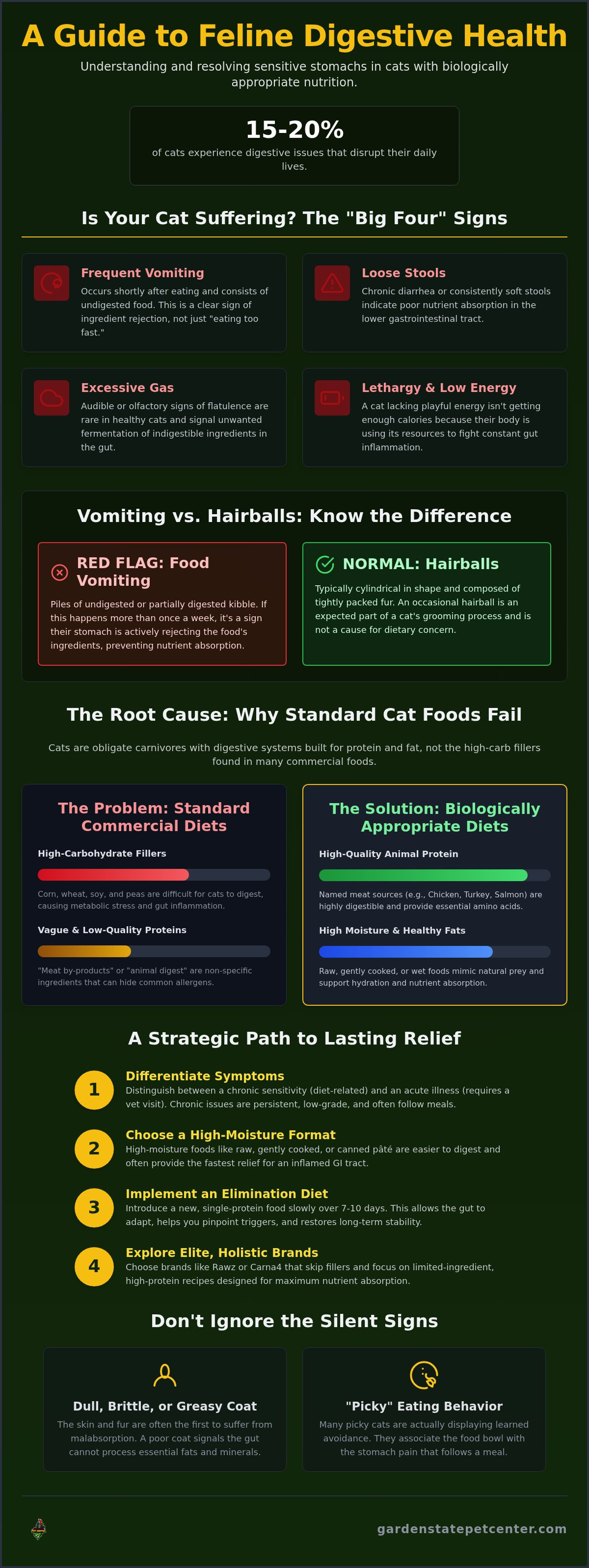
What if your cat doesn't actually have a weak stomach, but is simply reacting to ingredients they were never meant to digest? Approximately 15 to 20 percent of cats experience digestive issues that disrupt their daily lives; this often leaves owners dealing with the stress of frequent cleanup and wasted money on expensive kibble their pets refuse to eat. Finding the best cat food for sensitive stomach isn't just about looking for a gentle label on a supermarket shelf. It requires a shift toward biologically appropriate, high-protein nutrition that respects your cat's nature as an obligate carnivore.
We understand the anxiety of watching your companion's vitality fade due to poor nutrient absorption. You deserve to feel confident in every ingredient you put in their bowl. This 2026 guide will help you identify common digestive triggers and choose premium, holistic diets like Rawz or Farmina that restore gut stability. We will explore the latest AAFCO standards and show you how specialized nutrition can settle your cat's stomach, improve their coat quality, and bring back their playful energy.
Key Takeaways
- Differentiate between chronic digestive sensitivity and acute medical issues to determine if your cat needs a clinical visit or a specialized diet.
- Understand why high-carbohydrate fillers stress the feline system and why the best cat food for sensitive stomach focuses on biologically appropriate proteins.
- Learn the hierarchy of digestibility and why high-moisture formats like raw or gently cooked food often provide the fastest relief.
- Implement a strategic elimination diet using the 7-to-10 day transition rule to safely introduce new proteins and restore gut stability.
- Explore elite holistic brands like Rawz and Carna4 that offer specialized nutrition designed to maximize nutrient absorption and energy levels.
Identifying the Signs: Does Your Cat Have a Sensitive Stomach?
A sensitive stomach isn't a single diagnosis; it is a chronic inability to process specific dietary components. While many owners assume their pet is just "picky," true sensitivity often stems from a mismatch between the ingredients in the bowl and a cat's unique physiological needs. Understanding Cat nutritional requirements is the first step in realizing that most digestive upset is preventable. When a cat lacks the specific enzymes to break down fillers like corn or soy, their system remains in a state of constant inflammation. This leads to the frustrating cycle of illness and refusal to eat that plagues so many households.
Identify the difference between acute illness and dietary sensitivity before you change their routine. Acute issues often appear suddenly and may include severe symptoms like blood in the stool or high fever; these require immediate veterinary intervention. In contrast, dietary sensitivity is a persistent, low-grade struggle. You might notice your cat seems fine one day and miserable the next, usually following a specific meal. Finding the best cat food for sensitive stomach starts with observing these subtle, recurring patterns in your pet's daily life.
To better understand this concept, watch this helpful video:
Monitor your cat for the "Big Four" symptoms of digestive distress. These signs indicate that the current diet is failing to provide stable nutrition:
- Frequent Vomiting: This often occurs shortly after eating and consists of undigested food.
- Loose Stools: Chronic diarrhea or consistently soft stools suggest poor absorption in the lower GI tract.
- Excessive Gas: Auditory or olfactory signs of flatulence are rare in healthy cats and signal fermentation in the gut.
- Lethargy: A cat that lacks energy often isn't getting the calories they need because their body is too busy fighting inflammation.
Vomiting vs. Hairballs: Knowing the Difference
Stop accepting frequent vomiting as a normal part of cat ownership. While an occasional hairball is expected, "food-only" vomiting is a major red flag. Hairballs are typically cylindrical and composed of tightly packed fur. If your cat is ejecting piles of undigested kibble or wet food more than once a week, their stomach is actively rejecting the ingredients. This frequent rejection prevents them from absorbing vital nutrients and requires a transition to a more biologically appropriate diet.
The Silent Signs of Digestive Distress
Look beyond the litter box to find signs of a struggling gut. A dull, brittle, or greasy coat often points to malabsorption; if the gut cannot process fats and minerals, the skin and fur are the first to suffer. Similarly, many "picky eaters" are actually displaying learned avoidance. They associate the bowl with the stomach pain that follows, leading them to refuse even high-quality meals. Since a significant portion of the immune system resides in the gut, addressing these silent signs is essential for long term health. You can explore our curated cat collection to find professional grade options that prioritize gut integrity.
Common Triggers: Why Standard Cat Foods Often Fail
Cats are obligate carnivores. This isn't just a biological label; it's a blueprint for their survival. Their digestive systems are streamlined to process animal proteins and fats with incredible efficiency. Standard cat foods often fail because they ignore this blueprint. By loading recipes with high-carbohydrate fillers like corn, wheat, and soy, manufacturers force the feline pancreas to produce enzymes it was never designed to handle in large quantities. This metabolic stress is a primary reason why owners struggle to find the best cat food for sensitive stomach in the aisles of a traditional grocery store.
This biological mismatch leads to chronic inflammation. When searching for the best cat food for sensitive stomach, owners often find that mass-market formulas still contain these irritants. Even worse are mystery proteins labeled as "meat by-products" or "animal meal." These inconsistent sources vary from batch to batch, making it impossible to stabilize a sensitive gut. Following expert advice on feline nutrition means prioritizing transparent, high-quality animal sources over these industrial shortcuts.
The Role of Fillers and Artificial Additives
Carrageenan, a common thickening agent in wet foods, is a known gut irritant for many cats. Similarly, artificial colors and chemical preservatives add zero nutritional value while potentially triggering allergic responses. Don't be fooled by "grain-free" labels alone. Many brands simply swap grains for high levels of peas or potatoes, which can be just as taxing on a sensitive system. The high-heat processing used in rendering kibble also damages protein structures. This makes the food harder to break down, leaving undigested material to ferment in the colon and cause gas or loose stools.
Protein Sensitivities and Novel Sources
It's a common misconception that cats are born with allergies. In reality, they often develop sensitivities to proteins they've eaten for years, such as chicken or beef. If your cat's stomach remains unsettled, it's time to explore novel proteins. Sources like rabbit, venison, or duck are effective because your cat's immune system likely hasn't encountered them before. Using a single-protein diet is the most reliable way to identify what works for your pet. If you're ready to make a change, you can explore our selection of specialized holistic foods to find a cleaner, more digestible option for your companion.
Choosing the Best Format: Raw, Freeze-Dried, or Holistic Wet Food?
Finding the best cat food for sensitive stomach requires looking beyond the brand name and evaluating the physical format of the meal. Not all processing methods are equal. The hierarchy of digestibility starts with raw food at the top, followed by freeze-dried raw, holistic wet food, and finally premium kibble. This ranking isn't arbitrary; it reflects how much work your cat's digestive system must do to extract nutrients. While kibble requires significant moisture and enzymatic effort to break down, raw and high-moisture diets arrive in a form that the body recognizes and processes with minimal stress.
Moisture is the silent partner in healthy digestion. Cats have a naturally low thirst drive and are biologically designed to receive hydration through their prey. When a cat with a sensitive gut eats dry food, their body must pull moisture from other tissues to process the meal, often leading to sluggish GI motility and constipation. Transitioning to a high-moisture diet provides immediate relief by lubricating the digestive tract. If you're ready to upgrade your pet's bowl, browse our curated collection of premium cat food to find options that prioritize these superior formats.
The Benefits of Raw and Freeze-Dried Nutrition
Raw food contains natural, heat-sensitive enzymes that assist the feline body in breaking down proteins before they even reach the small intestine. This results in incredibly high nutrient density and significantly less waste in the litter box. For owners who feel hesitant about handling raw meat, freeze-dried raw provides a perfect middle ground. It offers the same biological benefits in a shelf-stable, convenient format. According to the Cornell University College of Veterinary Medicine on food allergies, identifying specific triggers is easier when using these minimally processed, nutrient-rich diets.
Holistic Wet Food vs. Traditional Kibble
If raw feeding isn't the right fit for your lifestyle, holistic wet food is an excellent alternative. Brands like Farmina or Weruva use human-grade ingredients that lack the inflammatory fillers found in mass-market bags. Low-carb wet food is often the most effective first step in resolving sensitivity because it removes the starch that frequently causes pancreatic stress. Always check your labels to avoid thickeners like guar gum or xanthan gum. These additives can cause bloating and gas in cats with delicate systems, even in otherwise high-quality recipes.
The Elimination Diet: A Strategic Approach to Finding Relief
Solving chronic digestive issues requires a scientific mindset. A Limited Ingredient Diet (LID) is the gold standard for isolating triggers because it simplifies the bowl, allowing you to pinpoint exactly what causes a reaction. This process isn't about finding a "light" version of standard kibble. It's about stripping away complexity until you find a single protein and a minimal set of nutrients that your cat can process without inflammation. Finding the best cat food for sensitive stomach through an elimination trial is a commitment to your pet's long-term vitality.
Commitment is the most vital part of this journey. For a trial to be effective, your cat must eat only the chosen formula for 8 to 12 weeks. This means you must cut out all treats, dental chews, and table scraps. Even a small piece of cheese or a lick of a tuna can reset the inflammatory clock. Track your progress daily with a symptom log or "poop diary." Record stool consistency, frequency of vomiting, and behavioral changes like post-meal hiding. This data provides the clarity you need to decide if the new diet is working.
Reading Labels Like a Nutritionist
Mastering the label is your best defense against hidden irritants. Look for specific, named meats like "Duck" or "Venison" rather than vague terms like "Poultry Meal" or "Animal Fat." The "First Five Ingredients" rule is essential; these items make up the majority of the food and should consist primarily of high-quality animal proteins and healthy fats. Be wary of hidden sugars and starches like excessive tapioca, white potatoes, or pea flour. These ingredients can ferment in the gut, feeding harmful bacteria that lead to gas, bloating, and liquid stools. If you need help selecting a single-protein diet, shop our selection of limited ingredient cat foods to find a clean starting point for your trial.
Safe Transitioning for Sensitive Systems
Never switch your cat's food overnight, especially when their gut is already compromised. A sudden change can cause a massive flare-up that masks the benefits of the new diet. Follow a 7-to-10 day transition schedule to allow the gut microbiome to adapt. Start with a mix of 25 percent new food and 75 percent old food for the first three days. Move to a 50/50 split for the next three days, then 75 percent new food for the final stretch. If symptoms like loose stools reappear at any stage, slow down and stay at the current percentage for a few extra days. Adding a splash of bone broth or goat milk can provide soothing hydration and natural probiotics that help the gut heal during this delicate shift.
Expert-Curated Solutions for Lasting Digestive Health
Finding the best cat food for sensitive stomach shouldn't feel like a guessing game. While mass-market brands often rely on broad, generic formulas, true relief comes from brands that prioritize biological integrity. Elite names like Rawz, Carna4, and Open Farm have gained a reputation for excellence because they refuse to use the inflammatory fillers that trigger GI distress. These companies understand that every cat's microbiome is unique; a "one-size-fits-all" approach fails because it ignores the specific enzymatic needs of a sensitive feline system. By focusing on clean, transparent recipes, these brands provide the stability your cat needs to thrive.
If your cat struggles with raw food but needs more than standard kibble, "Gently Cooked" diets offer a powerful solution. These meals are prepared at low temperatures to retain natural moisture and nutrient density while remaining incredibly easy on the gut. Many of these premium formulas also include added probiotics and digestive enzymes. These active components work to repopulate the gut with beneficial bacteria, helping your cat break down proteins more efficiently. This proactive approach to gut health ensures that your pet isn't just eating, but actually absorbing the nutrients they need for vitality.
Why Specialized Brands Outperform Mass-Market Options
The difference between a standard bag of food and a specialized diet often lies in the sourcing. Brands like FirstMate and Nature’s Logic maintain rigorous standards, using ethically sourced, non-GMO ingredients that are free from chemical pesticides. Carna4 takes this a step further by completely eliminating synthetic vitamin packs. Instead, they derive all essential nutrients from sprouted seeds and whole foods, which are far more bioavailable for a cat with a delicate stomach. Choosing the best cat food for sensitive stomach means looking for these high-end markers of quality that prioritize long-term welfare over industrial convenience.
Professional Nutritional Consultations
Sometimes, even the highest quality food needs a professional eye to ensure it's the right fit. Dealing with difficult digestive cases can be overwhelming, but you don't have to navigate it alone. Consulting with a certified pet nutritionist allows you to create a custom plan tailored specifically to your cat’s history and triggers. This expert guidance often leads to significant long-term cost savings; you'll stop wasting money on "premium" foods that your cat simply cannot digest. We are here to act as your knowledgeable partner in this journey. Schedule a consultation with our certified pet nutritionist today to restore your cat's health and your own peace of mind.
Restore Your Cat's Digestive Harmony Today
Navigating chronic stomach issues is a journey that requires patience and the right nutritional partner. You've learned that identifying signs like frequent vomiting and choosing high-moisture, biologically appropriate formats are the first steps toward relief. By eliminating inflammatory fillers and focusing on novel proteins, you can finally end the cycle of digestive distress. Finding the best cat food for sensitive stomach doesn't have to be a trial and error process when you have access to expert-curated brands that prioritize gut integrity over mass-market convenience.
Since 1990, our family-owned business has provided specialized care for pets with unique requirements. We offer a Certified Pet Nutritionist on-site to help you build a custom feeding plan, and we provide nationwide shipping on all our premium holistic brands. You don't have to settle for wasted food and an unhappy pet any longer. Take the next step toward your cat's vitality and comfort today.
Shop Our Expert-Selected Cat Food for Sensitive Stomachs
Your cat's stable digestion and vibrant energy are within reach, and we are ready to help you every step of the way.
Frequently Asked Questions
What is the absolute best protein for a cat with a sensitive stomach?
Novel proteins like rabbit, duck, or venison are generally the best options for cats with sensitive stomachs. These proteins are effective because most cats haven't been exposed to them, which reduces the chance of an existing allergic reaction. While chicken is common, it's also a frequent allergen. Choosing a single, high-quality animal protein helps stabilize the digestive tract and allows you to identify exactly what your pet can tolerate.
Can I give my cat probiotics for their digestive issues?
Yes, probiotics are highly beneficial for cats struggling with chronic digestive upset. These beneficial bacteria help repopulate the gut microbiome, which is often imbalanced in cats with sensitivities. Look for high-quality supplements or premium foods that include specific feline strains. Adding probiotics can improve nutrient absorption and strengthen the immune system, providing a necessary foundation for long-term gut health and stability.
How long does it take for a new diet to stop my cat from vomiting?
You should see a reduction in vomiting within two to four weeks of starting the best cat food for sensitive stomach. While some cats show improvement in just a few days, the digestive lining needs time to heal from chronic inflammation. If you follow a strict elimination diet without treats or human food, the frequency of vomiting should steadily decline as the gut finally begins to stabilize.
Is grain-free food always better for sensitive stomachs?
Grain-free isn't always a guarantee of better digestion if the food contains other heavy fillers. Many brands replace grains with high amounts of peas, lentils, or potatoes, which can be just as difficult for a sensitive cat to process. The goal is to find a low-carbohydrate, biologically appropriate diet rather than just focusing on a label. Always check for high protein content and minimal plant-based starches.
Why does my cat have diarrhea even on "sensitive" food?
Your cat may still have diarrhea because many mass-market formulas still contain inflammatory thickeners or low-quality by-products. Ingredients like carrageenan or guar gum are common triggers that can irritate the intestinal lining even in specialized diets. If the diarrhea persists, it's often a sign that your cat needs a more transparent, holistic option with fewer additives or a completely different, single protein source.
Should I feed my cat wet or dry food for better digestion?
Wet food is almost always superior for better digestion due to its high moisture content. Cats are biologically designed to get water from their prey; dry kibble can lead to chronic dehydration and sluggish GI motility. The best cat food for sensitive stomach is typically a high-moisture wet, raw, or gently cooked diet that lubricates the digestive tract and makes nutrient absorption much easier for the body.
Can I switch my cat to a raw diet if they have a sensitive stomach?
Yes, you can switch a sensitive cat to a raw diet, but you must do it slowly and carefully. Raw food provides natural enzymes that assist in the digestive process, often resolving issues that processed kibble cannot. Because a sensitive gut is delicate, we recommend consulting with our on-site nutritionist to ensure the transition is safe and the new diet is properly balanced for your cat's specific requirements.

Article by
Victor Santucci
Victor Santucci is the owner of Garden State Pet Center in Audubon, NJ, where he specializes in premium pet nutrition, exotic animals, and expert-level care. With years of hands-on experience and a passion for helping pets thrive, Victor is dedicated to educating pet owners on proper nutrition, enrichment, and species-specific care. His mission is simple: provide every pet with the highest quality products and every customer with honest, knowledgeable guidance.
Share this post
- 0 comment
- Tags: best cat food for sensitive stomach, cat food, cat health, digestive issues, elimination diet, high protein cat food, holistic cat food, pet nutrition, sensitive stomach