

Dog allergy testing kit Best Practices and Expert Advice


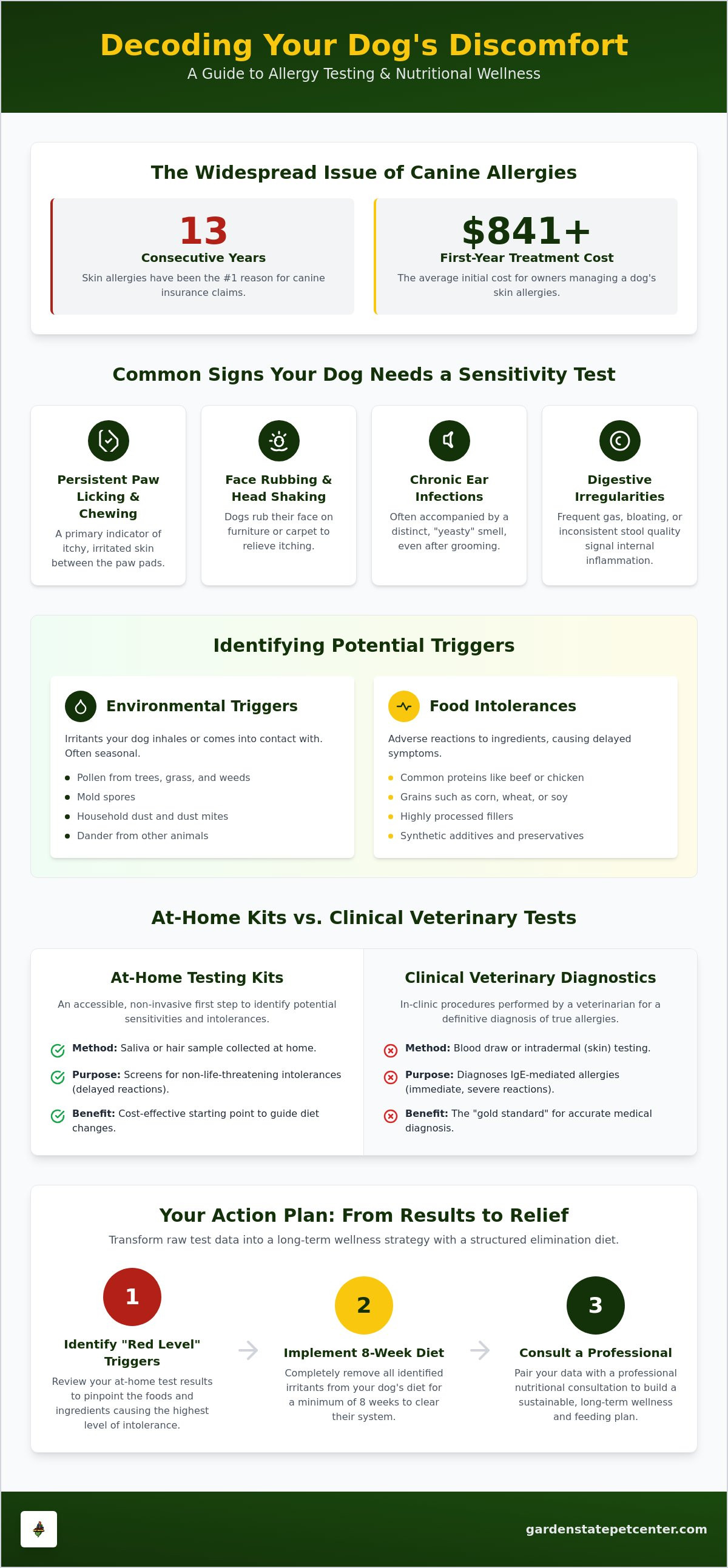
For 13 consecutive years, skin allergies have remained the number one reason for canine insurance claims, often costing owners upwards of $841 in the first year of treatment. It's exhausting to watch your pet endure endless scratching and inflamed skin while you struggle to decode complex food labels or manage rising veterinary costs. You deserve a solution that feels both accessible and authoritative. By using a dog allergy testing kit, you can begin to peel back the layers of your dog's discomfort and take control of their environment.
We believe that a testing kit provides the data, but only a specialized nutritional strategy provides true relief. This guide helps you bridge that gap. Discover how to identify your dog’s specific triggers and use those insights to build a professional-grade nutritional wellness plan. We'll provide expert advice on selecting high-quality, holistic foods and supplements that target the root of the irritation. Prepare to move beyond temporary fixes and toward a healthier, itch-free life for your loyal companion. Through proactive care and specialized knowledge, you can finally restore the comfort your dog deserves.
Key Takeaways
- Learn how to distinguish between environmental triggers and food intolerances to better manage your pet's daily comfort.
- Understand the specific roles of saliva and hair collection when using a dog allergy testing kit to screen for non-life-threatening sensitivities.
- Discover the critical differences between at-home screening tools and clinical veterinary diagnostics to ensure your dog receives the correct level of care.
- Master the process of implementing a strict 8-week elimination diet based on "Red Level" results to clear your dog's system of irritants.
- Find out how pairing test data with a professional nutritional consultation can transform raw results into a long-term wellness strategy.
Table of Contents
-
Recognizing Canine Sensitivities: Why Use a Dog Allergy Testing Kit?
-
Home Kits vs. Veterinary Clinical Tests: Understanding the Accuracy Gap
-
Interpreting Your Results: Building an Actionable Elimination Diet
-
Beyond the Report: Holistic Nutritional Support for Allergic Dogs
Recognizing Canine Sensitivities: Why Use a Dog Allergy Testing Kit?
A dog allergy testing kit serves as an essential, non-invasive screening tool designed to help you understand your pet's unique biological responses. Rather than jumping straight to invasive procedures, these kits allow you to collect a simple hair or saliva sample in the comfort of your living room. This proactive approach empowers you to participate directly in your dog's wellness journey. It provides a baseline of data that you can share with professionals to refine their care and maintenance routines.
It's vital to distinguish between the common types of allergies in dogs, which typically fall into two categories: environmental and nutritional. Environmental triggers include seasonal irritants like pollen, mold, or household dust. Conversely, food intolerances often stem from specific proteins like beef or chicken, or common grains. Data from 2026 shows a marked increase in canine food sensitivities. This trend is largely attributed to the prevalence of highly processed fillers and synthetic additives found in many standard commercial diets.
To see how these results look in a real-world scenario, watch this helpful video:
Common Signs Your Dog Needs a Sensitivity Test
Observe your dog for subtle physical cues that indicate they're struggling. Persistent paw licking and face rubbing are primary indicators that your dog is trying to soothe itchy, irritated skin. You might also notice chronic ear infections or a distinct, "yeasty" smell that lingers even after professional grooming. Don't ignore digestive irregularities. Frequent gas, bloating, or inconsistent stool quality often signal that their current diet is causing internal inflammation. Identifying these signs early is the first step toward a happier pet.
The Economic Benefit of At-Home Screening
Choosing a dog allergy testing kit offers a practical financial advantage for many households. While multi-stage veterinary blood panels are a significant investment, an at-home kit provides an accessible starting point for concerned owners. Use these results to narrow down potential triggers before you invest in specialized premium dog food or supplements. Early identification prevents long-term health complications, such as chronic dermatitis, which are far more costly to manage if left unaddressed. Taking action now saves you money and spares your dog from prolonged discomfort.
How At-Home Dog Allergy Kits Work: Saliva vs. Hair Testing
Choose the right method for your dog's specific symptoms by understanding how modern testing technology operates. Most people don't realize that a dog allergy testing kit typically measures sensitivities, also known as intolerances, rather than life-threatening IgE allergies. While an IgE response is an immediate and potentially dangerous immune reaction, an intolerance is a delayed response. These delayed reactions are often the culprits behind the chronic itching, paw biting, and digestive upset that plague so many pets. Laboratory processing of canine DNA and protein in 2026 follows updated protocols that enhance the reliability of these non-invasive screenings, giving you a clearer window into your pet's internal health.
Bioresonance is a method for measuring energetic signatures in hair to identify how a dog's body reacts to various environmental and food-based stressors. This technology allows labs to screen for hundreds of items simultaneously without requiring a stressful blood draw.
Saliva Testing for Food Intolerances
Saliva kits provide a specialized look at how your dog's body reacts to the proteins and grains in their current diet. These tests look for specific antibodies, specifically IgA and IgM, which are produced in the mucosal linings when a dog consumes something their body dislikes. Saliva is particularly effective for identifying recent food-based reactions because these antibodies often appear in the mouth before symptoms manifest elsewhere. To ensure the most accurate results, don't feed your dog or provide treats for at least 30 to 60 minutes before sample collection. This prevents food particles from contaminating the swab and ensures the lab measures the dog's immune response rather than the food itself.
Hair Analysis and Bioresonance Technology
Hair samples offer a longer-term history of environmental exposure compared to saliva. Because hair grows over several weeks or months, it stores a record of the various stressors your dog has encountered in their surroundings. This method is often more comprehensive for environmental items like specific grasses, cleaning chemicals, or upholstery fibers. From a holistic perspective, measuring cellular stress responses through hair helps identify "slow-burn" irritants that might not trigger an immediate antibody response but still degrade your dog's quality of life.
Once you have identified these specific triggers, you can begin the rewarding process of tailoring a lifestyle that supports their unique needs. If you're ready to transition to a more compatible diet, browse our premium dog food selection to find specialized, high-quality options that align with your testing results. Taking this proactive step ensures your dog feels their best every single day.
Home Kits vs. Veterinary Clinical Tests: Understanding the Accuracy Gap
A dog allergy testing kit is a sophisticated screening tool, but it's not a substitute for a medical diagnosis from a veterinarian. Think of these kits as a compass rather than a map. They point you in the right direction for dietary adjustments and lifestyle changes. However, they don't replace the need for clinical intervention when a pet's health is severely compromised. Understanding this accuracy gap helps you manage expectations and use the data effectively within a holistic health framework.
One phenomenon often discussed in sensitivity testing is the "False Positive." This occurs because screening tests are designed to be highly sensitive to any cellular or antibody reaction. Sometimes, a dog's body may show a reaction to a substance it hasn't encountered in months, or it might react to a protein that is structurally similar to a real trigger. These results don't mean the test is broken; they mean your dog's system is currently in a state of high alert. By viewing these results as a list of potential stressors to avoid, you can proactively reduce the total "toxic load" on your pet's immune system. This allows their body to recover and reduces the frequency of flare-ups.
The Role of IgE Blood Testing
When a dog experiences acute symptoms like respiratory distress, sudden swelling, or severe hives, a veterinarian must step in with clinical bloodwork. These vet-administered tests measure IgE antibodies, which are responsible for immediate and potentially life-threatening allergic reactions. Unlike non-invasive home kits, clinical tests require a needle-draw and are significantly more invasive. They are clinically necessary when you need to confirm a true medical allergy rather than a chronic sensitivity. While they carry a higher cost, they provide the definitive medical data required for emergency care or immunotherapy protocols.
Why Screening Kits are the Best Starting Point
For the vast majority of pets dealing with mild to moderate itching or digestive upset, a dog allergy testing kit is the ideal first step. It provides a non-invasive way to gather initial data without the stress of a clinic visit. Having a data-backed list of potential triggers allows you to have a much more productive conversation with a professional. Instead of guessing which ingredient is causing the problem, you can present a clear report. This drastically reduces the "trial and error" period of food switching. It helps you find high-quality dog food much faster, ensuring your pet gets the nutrition they need without the irritants they don't. By identifying triggers early, you provide the specialized care necessary to prevent the cycle of inflammation from worsening.
Interpreting Your Results: Building an Actionable Elimination Diet
Once your dog allergy testing kit results arrive, you'll likely see a color-coded chart ranking various items by sensitivity level. Red items indicate a high sensitivity, orange suggests a moderate reaction, and green items are generally safe. Focus your immediate attention on the "Red Level" triggers. Remove these specific ingredients or environmental factors from your dog’s routine for at least 8 weeks to allow their immune system to reset. Success requires vigilance. Check every label on your dog's treats and supplements, as these often contain hidden proteins or starches that contradict your new plan. A veterinarian-supervised elimination diet remains the gold standard for confirming specific dietary triggers after an initial screening with a dog allergy testing kit.
Executing a Successful Food Transition
Transitioning to a new diet requires a gentle approach to protect your dog's digestive health. Use this 7-day schedule to mix the old and new food:
-
Days 1-2: 25% new food, 75% old food
-
Days 3-4: 50% new food, 50% old food
-
Days 5-6: 75% new food, 25% old food
-
Day 7: 100% new food
Opt for limited ingredient diets during this phase to minimize the risk of introducing new irritants. We recommend maintaining a "scratch diary" to record daily observations of their skin, coat, and energy levels. This documentation provides clear evidence of which changes are working and helps you stay consistent during the 8-week trial. If you need help selecting a formula that avoids your dog's specific triggers, reach out for a pet nutritional consultation to build a customized wellness plan.
Managing Environmental Triggers at Home
Environmental management is just as critical as dietary changes. Wash your dog's bedding weekly in hot water to eliminate dust mites and trapped pollen that they bring in from outdoors. Consider frequent bathing with hypoallergenic shampoos to physically remove allergens from their fur before they reach the skin. Use your test results to audit your household cleaning products. Many standard sprays contain fragrances or chemicals that can trigger a sensitive dog's symptoms. Switching to pet-safe, neutral alternatives creates a sanctuary where your dog can finally heal from chronic irritation.
Beyond the Report: Holistic Nutritional Support for Allergic Dogs
Receiving the results from your dog allergy testing kit is a significant milestone, but the data itself is just a starting point. Truly resolving chronic inflammation requires translating those results into a sustainable, high-quality lifestyle. This is where professional expertise becomes invaluable. A certified pet nutritionist can look at your report and identify patterns that a standard label check might miss. They help you avoid the common pitfalls of commercial processing while ensuring your dog receives a balanced, nutrient-dense profile. Garden State Pet Center serves as your dedicated partner in this transition, offering the specialized care needed for long-term nutritional success.
By integrating the findings of a dog allergy testing kit into a holistic plan, you move from reactive care to proactive wellness. This whole-animal approach can be enhanced by incorporating restorative therapies from Via Nova Natura to help your pet recover from the physical toll of chronic allergies. Data alone doesn't fix a "yeasty" smell or a dull coat; a strategic change in fuel does. We focus on the whole animal, ensuring that every meal supports their recovery and strengthens their natural defenses against future environmental stressors.
The Power of Specialized Pet Nutrition
Pet Nutritional Consultations are a game-changer for sensitive cases. Instead of guessing which kibble might work, you receive a tailored strategy designed for your dog's unique biology. Holistic pet food often utilizes novel proteins like kangaroo or rabbit to reset a hyper-reactive immune system. These proteins are effective because most dogs haven't been exposed to them, making a reaction much less likely. Switching to Premium Pet Food that prioritizes ingredient transparency allows you to eliminate the synthetic dyes and artificial preservatives that often trigger flare-ups.
Raw and freeze-dried options are particularly effective for dogs with high sensitivity levels. Because these diets undergo minimal processing, they retain natural enzymes and lack the high-heat byproducts found in mass-market kibble. Brands like SmallBatch, OC Raw, and Green Juju provide clean, nutrient-rich alternatives that bypass the common commercial processing triggers that often lead to digestive upset and skin irritation.
Supplementing for Skin and Coat Recovery
Recovery goes beyond just removing triggers. You must also repair the damage caused by months of scratching and internal inflammation. Omega-3 fatty acids and probiotics are essential for repairing the gut-skin axis, which is often compromised in allergic dogs. Utilizing high-quality Dog Vitamins & Supplements can boost immunity and accelerate coat regrowth. Probiotics, in particular, help rebuild the healthy bacteria in the digestive tract. This makes the body less reactive to future stressors and improves stool quality.
Victor and the team are here to help you navigate these choices with confidence. We invite you to consult with us to build a tailored recovery plan that addresses your dog's specific needs. We treat every pet like a member of our own community, providing the patience and expertise required for complex cases. Together, we can move past the confusion of conflicting food labels and toward a vibrant, itch-free life for your loyal companion.
Take the First Step Toward a Healthier Life
Empowering yourself with data is the most effective way to end the cycle of chronic itching and discomfort. A dog allergy testing kit provides the essential roadmap you need to identify hidden sensitivities and environmental stressors. By combining these results with a disciplined elimination diet and specialized household care, you can finally clear the path for your pet's recovery. Remember that testing is a tool, but a long-term nutritional strategy is the cure. Success happens when you move beyond the report and into actionable, professional-grade care.
Since 1990, we have provided specialized care for even the most sensitive cases in our community. Our on-site certified pet nutritionist is ready to help you interpret your results and transition your dog to high-quality raw, freeze-dried, or holistic diets. Don't let your pet suffer through another season of irritation. Consult with our Certified Pet Nutritionist for a tailored wellness plan today. We are here to support you every step of the way, ensuring your companion enjoys the vibrant, itch-free life they deserve.
Frequently Asked Questions
How accurate are at-home dog allergy testing kits?
At-home kits are highly effective screening tools for identifying sensitivities but aren't intended as medical diagnostic devices. They provide a reliable starting point for owners noticing mild itching or digestive issues. While they don't replace clinical bloodwork for severe reactions, they offer a data-backed compass to help you navigate initial dietary adjustments without the immediate cost of invasive veterinary panels.
Can a dog allergy kit tell the difference between a food allergy and an intolerance?
Most kits specifically target intolerances and sensitivities rather than life-threatening IgE allergies. An intolerance is a delayed reaction that causes chronic symptoms like paw licking or gas. True allergies involve an immediate, acute immune response. Understanding this distinction helps you use your dog allergy testing kit results to manage long-term wellness rather than emergency medical situations.
How long does it take to see results after changing my dog’s diet?
You should expect to see visible improvements within 8 to 12 weeks of a strict elimination diet. Skin takes time to heal, and internal inflammation doesn't disappear overnight. Consistency is vital during this period. If you remove all "Red Level" triggers and stick to a clean, holistic diet, you'll likely notice reduced scratching and better stool quality by the end of the second month.
What is the best type of sample for a dog allergy kit: hair or saliva?
The best sample depends on whether you are investigating food or environmental triggers. Saliva samples are excellent for detecting recent food-based antibody responses in the mucosal lining. Conversely, hair samples provide a longer history of environmental exposure through bioresonance. Choosing a dog allergy testing kit that offers both methods provides the most comprehensive overview of your pet's health.
Will my pet insurance cover the cost of an at-home allergy testing kit?
Standard pet insurance policies rarely cover the cost of at-home screening tools. Most providers categorize these kits as elective wellness items rather than medically necessary diagnostics performed by a licensed veterinarian. Always review your specific policy's wellness or preventative care riders. Some premium plans might offer reimbursement if the test is part of a broader nutritional consultation.
Can I use a human allergy test kit on my dog?
You cannot use human testing products on your pet because canine biology and DNA are fundamentally different. Human tests are calibrated to detect human-specific antibodies and reactions to allergens that may not even affect dogs. Species-specific kits ensure the laboratory is looking for the exact proteins and environmental factors that impact canine health and immune function.
Do I need to see a vet if the allergy kit identifies a sensitivity?
Consulting a professional is a smart move once you have your results. While the kit provides the data, a veterinarian or a certified pet nutritionist ensures you implement changes safely. You can check out Petimin Veteriner Kliniği for an example of how professional clinics help avoid nutritional gaps when removing multiple ingredients, turning raw data into a professional-grade wellness plan that supports your dog's long-term recovery.
Are there specific breeds that are more prone to the sensitivities found in these kits?
Certain breeds like Bulldogs, Boxers, and Retrievers are statistically more prone to skin and food sensitivities. However, any dog can develop a reaction regardless of their pedigree. Environmental factors and the rise of processed fillers in modern diets have made sensitivities a common issue across all breeds. Early screening helps every dog, regardless of their genetic background.

Article by
Victor Santucci
Victor Santucci is the owner of Garden State Pet Center in Audubon, NJ, where he specializes in premium pet nutrition, exotic animals, and expert-level care. With years of hands-on experience and a passion for helping pets thrive, Victor is dedicated to educating pet owners on proper nutrition, enrichment, and species-specific care. His mission is simple: provide every pet with the highest quality products and every customer with honest, knowledgeable guidance.
Share this post
- 0 comment
- Tags: canine nutrition, dog allergies, dog allergy testing, dog allergy testing kit, dog health, elimination diet, itch relief, pet care, skin allergies