

The Ultimate Guide to Premium Dog Food: Expert Nutrition for 2026


What if the "complete and balanced" label on your current bag of dog food is actually the bare minimum for survival rather than a blueprint for a long, vibrant life? You've likely felt a sense of frustration while squinting at complex ingredient lists or worrying about the long-term health effects of highly processed kibble. It's stressful to manage your pet's health when 2026 regulatory changes, like the new AAFCO Pet Nutrition Facts boxes, are just beginning to appear on shelves. You want more than just a meal; you want a nutritional strategy that ensures your companion thrives.
We promise to help you cut through the noise and master the art of expert-led nutrition. This guide provides a clear roadmap to understanding specialized diets, from raw and freeze-dried options to small-batch holistic formulas. You'll gain the confidence to read labels like a professional and learn how to select bio-available ingredients that lead to a shinier coat and boundless energy. Let’s explore the latest standards in human-grade manufacturing and innovative feed enhancements to help your dog live their best, healthiest life.
Key Takeaways
- Move beyond basic survival standards by choosing Dog Food that prioritizes nutrient density and ingredient transparency over highly processed fillers.
- Explore the biological advantages of raw, freeze-dried, and air-dried nutrition to better align your pet's diet with their ancestral needs.
- Master the "First Five Ingredients" rule and learn to identify common marketing tactics like ingredient splitting to ensure your dog receives high-quality protein.
- Identify specific nutritional adjustments for every life stage, including precise mineral ratios for puppies and targeted joint support for senior companions.
- Discover how professional nutritional consultations can replace generic feeding charts with a custom meal plan tailored to your dog's unique health requirements.
Navigating the Modern Landscape of Dog Food in 2026
Premium nutrition is no longer defined by simple marketing buzzwords. It represents a fundamental shift toward ingredient integrity that exceeds the minimum standards set by AAFCO. As we move through 2026, the Modern Landscape of Dog Food is being reshaped by the Pet Food Label Modernization (PFLM) compliance rules. These new regulations introduce "Pet Nutrition Facts" boxes, similar to human food labels, which help you track calories from protein, fat, and carbohydrates with clinical precision. This transparency is vital as the global Dog Food market is projected to reach USD 80.34 billion this year, driven by owners who view their pets as family members deserving of high-end care.
To better understand how to identify these high-quality options, watch this helpful video:
Bio-availability is the cornerstone of modern canine wellness. It's not just about what's in the bowl; it's about what your dog's body can actually absorb and utilize. High-quality Dog Food formulations now prioritize nutrient-dense ingredients that support long-term vitality. This evolution reflects a broader demand for transparency, where you can trace animal fats and proteins back to reliable sources, especially as biofuel standards increase competition for these essential ingredients.
The Shift from Fillers to Functional Nutrition
Modern pet health conversations have moved beyond the simple "grain-free" debate. We've entered an era of therapeutic diets designed to target specific wellness goals like cognitive function or metabolic health. Functional nutrition is diet-based preventative healthcare for dogs. By selecting small-batch pet food that utilizes whole-food sources, you provide your companion with natural antioxidants and enzymes that synthetic supplements often struggle to replicate. These targeted formulas act as a proactive shield against common age-related issues.
Why Generic Options Often Fall Short
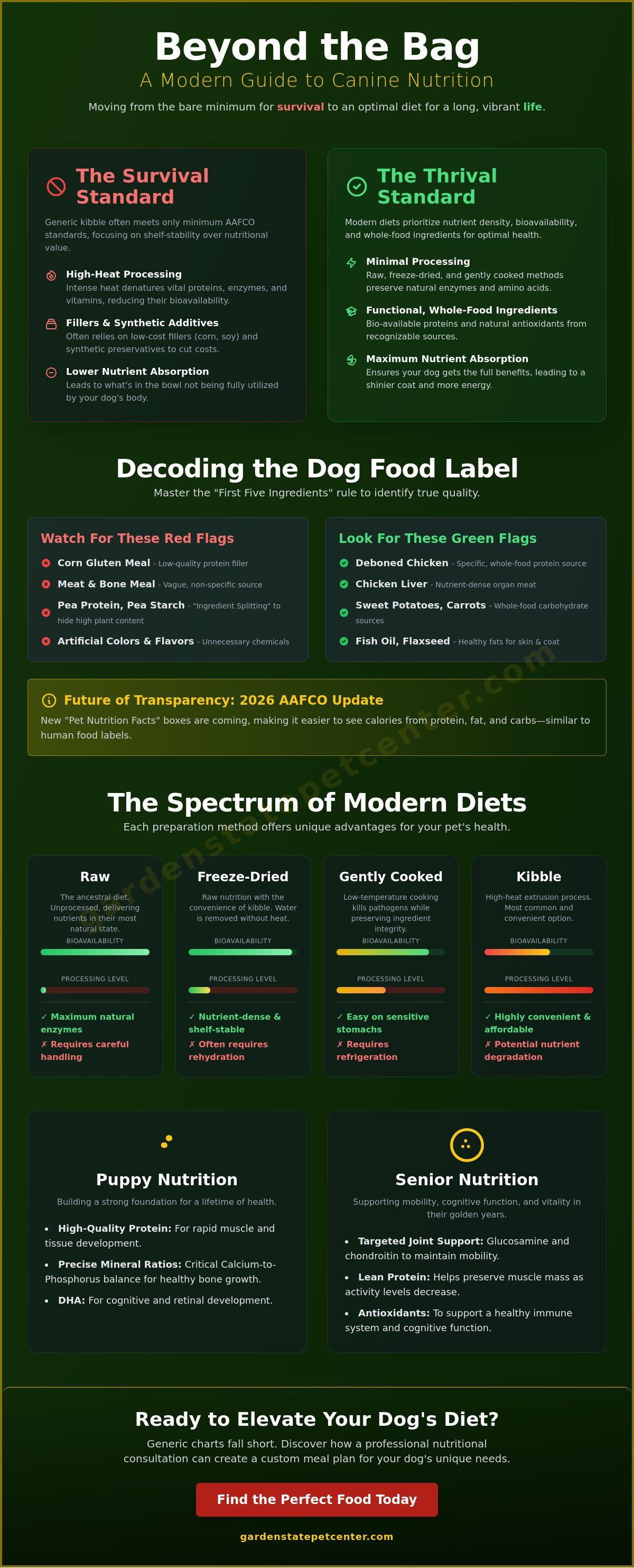
Generic kibble often relies on high-heat processing to ensure shelf stability. This intense heat denatures vital nutrients and can create a "kibble dilemma" where highly processed diets contribute to chronic inflammation over time. While these options might help a pet survive, they rarely help them thrive. Low-quality proteins and synthetic preservatives are often used to keep costs down, but they lack the biological value found in premium alternatives. Choosing a diet with minimal processing ensures that enzymes and amino acids remain intact, providing the energy your dog needs for a shiny coat and active lifestyle.
Understanding Specialized Diets: Raw, Freeze-Dried, and Holistic
Choosing the right Dog Food today requires looking beyond the traditional kibble bag to understand how different preparation methods impact your pet's long-term wellness. The modern approach to canine nutrition focuses on a synergy between raw, freeze-dried, and gently cooked diets. Each method offers unique biological advantages, allowing you to tailor a feeding plan that mirrors your dog's ancestral needs while fitting your daily schedule. By prioritizing minimally processed options, you ensure your companion receives the natural enzymes and amino acids often lost in high-heat manufacturing.
The biological basis for raw feeding, often called the Ancestral Diet, rests on the fact that dogs have short, highly acidic digestive tracts designed to process animal proteins and fats efficiently. For owners who are hesitant about raw but want to avoid the "kibble dilemma" mentioned earlier, gently cooked diets provide a perfect middle ground. These meals are prepared at low temperatures to kill pathogens while keeping the cellular structure of the ingredients intact. This makes them exceptionally easy on sensitive stomachs. When you are Decoding Dog Food Labels, you'll notice these specialized diets often feature shorter, more recognizable ingredient lists that prioritize whole foods over synthetic additives.
The Biological Benefits of Raw and Gently Cooked Diets
High bio-availability is the most immediate benefit of these diets. Because the body can easily break down and absorb the nutrients, you'll likely notice smaller, firmer stools and a significant reduction in gas. Natural enzymes and probiotics found in raw food support a robust gut microbiome, which is the foundation of a strong immune system. Many owners also report a noticeable transformation in coat shine and skin health, as the naturally occurring omega fatty acids remain undamaged by heat.
Freeze-Dried and Air-Dried: Convenience Meets Nutrition
Freeze-drying technology uses sublimation to remove moisture while preserving up to 99% of the original nutrients. This process creates a shelf-stable product that offers the nutritional power of raw food without the need for refrigeration. Air-dried options follow a similar path, using low-heat circulation to dehydrate the food slowly. These are excellent choices for busy owners who want premium nutrition with the convenience of a scoop-and-serve meal. You can also use these nutrient-dense morsels as high-value toppers to entice picky eaters.
Holistic and Small-Batch Approaches
Small-batch brands like OC Raw and FirstMate offer a level of quality control that mass-market producers simply can't match. These companies often source ingredients ethically and maintain rigorous testing standards to prevent contamination. Holistic pet food takes a whole-body approach, ensuring every ingredient serves a functional purpose for your dog's heart, brain, and joint health. If you're ready to upgrade your pet's bowl, you can Explore our curated dog food collections to find a formula that aligns with these professional standards. Selecting a small-batch option ensures your dog isn't just surviving on fillers, but truly thriving on specialized care.
Decoding Dog Food Labels and Ingredient Integrity
Flip the bag over and ignore the colorful marketing on the front. To truly understand what your pet is eating, you must master the "First Five Ingredients" rule. Ingredients are listed in descending order by weight, so the first five items constitute the majority of the meal. Demand to see named animal proteins like "Deboned Lamb" or "Turkey Meal" at the very top. If the list leads with grains or generic terms, the nutritional value is likely lower than your dog deserves. Understanding FDA regulations for pet food helps you see that while labels must be truthful, they often use clever formatting to mask lower-quality components.
Expose "ingredient splitting" before it tricks you. This common tactic involves breaking down a single filler into multiple smaller entries, such as "corn," "corn gluten meal," and "corn flour." By splitting them up, each individual item weighs less and moves further down the list. This creates a false impression that meat is the primary ingredient when the total volume of corn might actually be higher. Always look for Dog Food that remains transparent about its whole-food ratios.
Identifying Quality Proteins and Fats
Distinguish between high-quality named sources and generic, mystery ingredients. "Meat by-products" or "animal fat" are red flags; they lack the clinical precision needed for specialized care. Instead, prioritize specific sources like "Chicken Fat" or "Salmon Oil." These named fats provide essential Omega-3 and Omega-6 fatty acids in the correct ratios to support cognitive health and reduce inflammation. If your companion has a sensitive stomach, look for exotic proteins like venison or kangaroo in our curated dog food collections. These novel proteins are less likely to trigger the immune responses often associated with common mass-market fillers.
The Truth About Fillers and Synthetic Additives
Eliminate cheap fillers that offer little more than empty calories. Avoid products heavy in corn, wheat, or soy, as these can contribute to the chronic inflammation discussed earlier. Superior brands replace synthetic chemicals with natural preservatives to maintain freshness. Look for these high-quality markers:
- Natural Preservatives: Mixed tocopherols (Vitamin E) and rosemary extract.
- Chelated Minerals: Minerals bound to organic molecules for vastly improved absorption.
- Functional Fiber: Pumpkin or miscanthus grass instead of generic cellulose.
Choosing a diet with chelated minerals ensures your dog actually absorbs the nutrients you're paying for. These small-batch details distinguish a premium lifestyle from a basic survival diet. Trust your eyes and the ingredient list over the flashy packaging.
Tailoring Nutrition to Your Dog’s Unique Life Stage and Health
A dog's nutritional requirements are never static. They shift significantly as they grow from rambunctious puppies into dignified seniors. Selecting the right Dog Food involves more than picking a flavor; it requires matching nutrient profiles to specific physiological milestones. For example, large breed puppies need precise calcium-to-phosphorus ratios to prevent rapid bone growth that leads to skeletal issues. Conversely, older dogs require a metabolic shift toward weight management and anti-inflammatory support. Understanding these nuances ensures your companion isn't just eating, but receiving the building blocks for a longer life.
Puppy Development and Senior Maintenance
Puppies require high concentrations of Docosahexaenoic acid (DHA) to support brain development and retinal health. This omega-3 fatty acid is a critical building block for learning and cognitive function during the first year of life. As pets age, their caloric needs often drop by 20% to 30%, making high-fiber, lower-calorie options essential to prevent obesity. Senior formulas should also prioritize Glucosamine and Chondroitin to maintain cartilage and ease joint discomfort. You can find Specialized dry food for all life stages that addresses these specific mineral and caloric requirements with clinical precision.
Addressing Allergies and Sensitivities
Chronic itching or digestive upset often signals a food sensitivity. Limited Ingredient Diets (LID) simplify the bowl by using a single protein and carbohydrate source, making it easier to identify specific triggers. There is a profound connection between the gut microbiome and skin health. When the digestive system is balanced with probiotics and prebiotics, the immune system is less likely to overreact to environmental allergens. Rotational feeding is another proactive strategy. By switching between different high-quality protein sources every few months, you reduce the risk of your dog developing a sensitivity to a single overused ingredient.
To manage health through nutrition effectively, always follow a structured transition period when changing formulas. Start by mixing 25% of the new diet with 75% of the old, gradually increasing the ratio over 7 to 10 days. This slow progression prevents the gastrointestinal distress often caused by sudden enzymatic shifts. If you need help choosing the right path for your pet's specific needs, shop our professional dog food collections to find a formula tailored to their current health status. Expert-led nutrition is your most powerful tool for ensuring your dog remains energetic and vibrant well into their senior years.
The Advantage of Professional Nutritional Consultations
Algorithms and automated "food finder" tools often miss the subtle nuances of your pet's health. While these digital tools provide a convenient starting point, they can't replace the expert eye of a professional who understands the complex relationship between diet and disease. A generic approach to Dog Food often fails because it doesn't account for specific metabolic rates, varying activity levels, or the unique environmental stressors your dog faces daily. Professional consultations treat nutrition as a clinical tool rather than just a commodity, ensuring every calorie serves a functional purpose for long-term wellness.
Navigating specialized diets like raw or freeze-dried feeding requires a high level of precision to avoid nutritional gaps. Without professional guidance, it's easy to accidentally create imbalances in essential minerals or vitamins that could lead to health issues over time. Expert oversight ensures that your pet's transition to a more biologically appropriate diet is both safe and effective. At Garden State Pet Center, we act as your knowledgeable partner, providing the specialized care and professional services needed to help your companion thrive in 2026 and beyond.
Why a Certified Pet Nutritionist Makes the Difference
Certified nutritionists look far beyond the colorful marketing on the bag. They evaluate a dog's physical condition, age, and even bloodwork to fine-tune nutrient ratios for specific medical needs. This level of detail is critical for managing chronic conditions such as renal issues, heart disease, or severe food allergies. By adjusting protein sources and fat levels based on clinical data, you can significantly improve your pet's quality of life and longevity. Read our guide on specialized nutrition to see how professional meal planning creates a foundation for preventative healthcare.
Small-Batch Brands Worth Your Trust
We've hand-selected a range of small-batch brands that prioritize quality control over massive marketing budgets. Companies like Petcurean, Fromm, and Vital Essentials maintain a closer relationship with their ingredient suppliers, which often leads to higher safety standards and fewer recalls. These manufacturers focus on nutrient density and bio-availability, ensuring that your dog gets the most out of every bite. This commitment to excellence aligns with our mission to provide only the most reliable products for your family. Start your journey toward better canine health by visiting us today. You can explore our curated dog food collections to find the perfect formula that meets the high standards your pet deserves.
Elevate Your Pet's Wellness Journey Today
You now have the tools to transform your dog's health by looking beyond the generic marketing on the shelf. Mastering the new Pet Nutrition Facts boxes and understanding the biological benefits of minimally processed diets are the first steps toward a thriving companion. Remember that the best Dog Food is a precise nutritional strategy tailored to your pet's unique life stage and medical history. Since 1990, we've specialized in raw and holistic diets to provide our community with reliable, expert-backed care. Our focus remains on quality over mass-market convenience.
Our on-site Certified Pet Nutritionist is ready to help you navigate these complex choices with clinical precision and confidence. We offer nationwide shipping on all our premium brands so you can access high-end nutrition no matter where you are located. Take the next step in your pet's welfare by consulting with a partner who cares as much about their longevity as you do. Browse Our Expert-Curated Premium Dog Food Selection today. Your dog's most vibrant years are still ahead.
Frequently Asked Questions
Is raw dog food safe for my family and my pet?
Raw feeding is safe when you follow the same hygiene protocols used for preparing your own meals. High-quality brands often use high-pressure processing to eliminate pathogens while keeping natural enzymes intact. Always wash your hands, bowls, and surfaces thoroughly after every meal. This specialized care ensures your pet enjoys the biological benefits of an ancestral diet without creating unnecessary risks for your household.
How do I transition my dog from kibble to a raw or freeze-dried diet?
Transition your pet slowly by mixing the new Dog Food with their current kibble over a period of seven to ten days. Start with a ratio of 25% new food and 75% old food for the first few days. Gradually increase the new portion as you monitor their stool consistency. This methodical approach prevents digestive upset and allows their gut microbiome to adjust to the higher nutrient density.
What are the main benefits of feeding a freeze-dried dog food?
Freeze-dried options offer the nutritional integrity of raw feeding with the shelf-stable convenience of traditional kibble. The sublimation process removes moisture while preserving nearly all the original vitamins and minerals. These lightweight morsels are perfect for busy owners who want to provide high-protein meals without the need for freezer space. They also serve as an excellent high-value topper for enticing picky eaters.
Does my dog really need a grain-free diet?
Not every dog requires a grain-free diet, but it's often beneficial for those with confirmed sensitivities to corn, wheat, or soy. Focus on the quality of the carbohydrates used as replacements, such as chickpeas or lentils, rather than just the absence of grains. Consult with a professional to determine if your dog's specific health profile would benefit from removing grains to help manage chronic inflammation.
What ingredients should I absolutely avoid on a dog food label?
Avoid generic terms like "animal fat" or "meat by-products" which lack traceability and quality control. Steer clear of artificial dyes and chemical preservatives like BHA and BHT. These synthetic additives offer no nutritional value and can contribute to long-term health issues. Look for Dog Food that uses natural preservatives like mixed tocopherols and rosemary extract to ensure a higher standard of ingredient integrity.
How much should I feed my dog when switching to a premium high-protein diet?
Expect to feed smaller portions than you would with generic brands because premium, high-protein diets are significantly more calorie-dense. Check the feeding chart on the specific bag, as nutrient-rich formulas require less volume to meet your pet's energy needs. Overfeeding high-protein food can lead to unnecessary weight gain. Use a standard measuring cup for every meal to maintain precise portion control.
Can premium dog food help with my dog’s skin allergies and itching?
Premium nutrition can significantly reduce skin allergies by eliminating common inflammatory triggers and providing essential fatty acids. High-quality diets often include therapeutic levels of Omega-3 and Omega-6 from named sources like salmon oil to support the skin barrier. By switching to a limited ingredient diet, you remove the fillers that often cause the immune system to overreact and trigger persistent itching.
What is the difference between "human-grade" and "feed-grade" dog food?
Human-grade food must meet the same manufacturing and ingredient standards as food intended for human consumption. This means every component is legally edible and processed in a facility that follows ready-to-eat safety regulations. Feed-grade products may contain ingredients that aren't suitable for humans. Choosing human-grade options ensures a higher level of safety and reliability for your pet's daily meals.

Article by
Victor Santucci
Victor Santucci is the owner of Garden State Pet Center in Audubon, NJ, where he specializes in premium pet nutrition, exotic animals, and expert-level care. With years of hands-on experience and a passion for helping pets thrive, Victor is dedicated to educating pet owners on proper nutrition, enrichment, and species-specific care. His mission is simple: provide every pet with the highest quality products and every customer with honest, knowledgeable guidance.
Share this post
- 0 comment
- Tags: AAFCO, Canine Health, Dog Food, Freeze-Dried Dog Food, Pet Nutrition, Premium Dog Food, Raw Dog Food, Reading Dog Food Labels