

The Ultimate Guide to Choosing the Best Cat Food


What if the "complete and balanced" label on your current bag of Cat Food is actually masking ingredients that trigger your pet's chronic sensitivities? It's a question many dedicated owners ask themselves while staring at a wall of confusing labels and technical jargon. You want the absolute best for your feline friend, yet the conflicting advice about raw diets or grain-free options often leads to more worry than clarity.
Raw diets aim to replicate what a feline would eat in the wild. This means maximum nutrient absorption and bioavailable enzymes. Freeze-dried and dehydrated options offer a middle ground. They provide the same high-quality nutrition but are shelf-stable and easy to serve. Gently cooked diets serve as an excellent bridge for cats with sensitive stomachs or those who are notoriously picky eaters. Labels like "Holistic" generally refer to a whole-body approach to health, while "Human-Grade" suggests the ingredients were handled according to human food safety standards. For pet owners in the UAE, sourcing high-quality Cat Food and Accessories from McPet provides access to these premium nutritional standards with the convenience of home delivery.
We understand that choosing the right nutrition feels like a high-stakes guessing game. This guide simplifies that process, helping you master feline nutritional requirements and identify the high-quality proteins your cat truly needs. You'll discover how to spot premium, biologically appropriate ingredients and learn about recent industry shifts, such as the October 2024 expiration of the memorandum between the FDA and AAFCO. We'll provide the expert insights you need to choose a vetted diet that supports your cat's health with clinical precision and heartfelt care.
Key Takeaways
- Understand how a cat’s biology as an obligate carnivore makes animal protein and taurine essential for their long-term health.
- Navigate the differences between raw, freeze-dried, and holistic Cat Food to find a biologically appropriate match for your home.
- Tailor your pet's diet to their specific life stage, focusing on high-energy kitten needs or balanced adult maintenance.
- Follow a structured 7-day transition plan to introduce new ingredients while avoiding common digestive upsets.
- Learn why expert-vetted sourcing from reliable brands provides a level of safety and quality that general retailers often miss.
Understanding Feline Biology: Why Your Cat Food Choice Matters
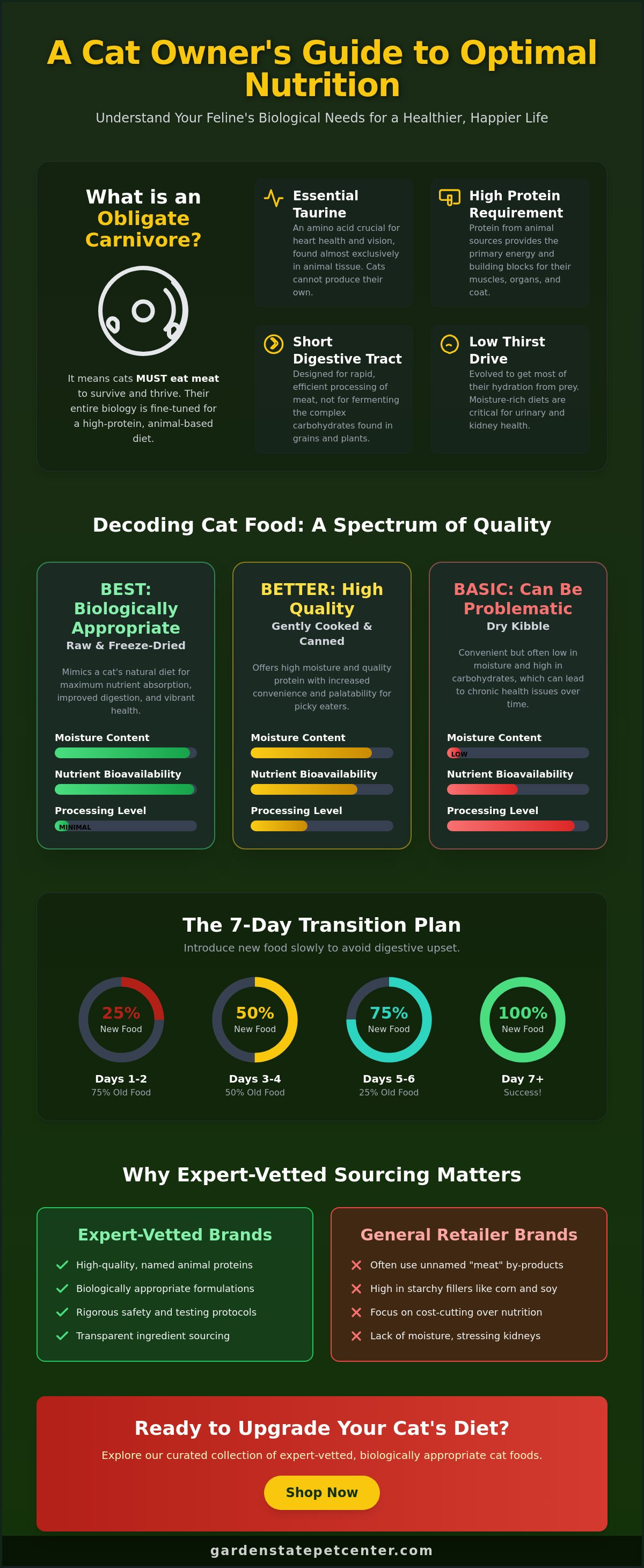
Cats are biological masterpieces designed for a very specific type of fuel. They aren't just small, picky dogs. Their entire anatomy, from their sharp teeth to their short digestive tracts, evolved for one purpose: processing animal protein. Choosing the right Cat Food isn't just about finding a flavor they like. It's about honoring their predatory heritage and providing the building blocks for a long, vibrant life.
Their bodies require specific nutrients that only animal tissues can provide in sufficient quantities. For instance, Understanding Feline Nutritional Needs highlights that taurine is an essential amino acid that cats cannot synthesize on their own. This nutrient is critical for maintaining healthy heart muscle and sharp vision. Without it, cats can suffer from irreversible retinal degeneration or dilated cardiomyopathy. High-quality animal proteins provide these amino acids naturally, ensuring your pet's internal systems function with clinical precision.
To better understand these biological requirements, watch this helpful video:
The Obligate Carnivore Difference
An obligate carnivore is an animal that must eat meat to thrive. Their systems are highly specialized. Unlike dogs, which are scavenging omnivores with longer intestines for processing plant matter, cats have a streamlined digestive process meant for high-protein, high-fat prey. A key biological marker is their lack of salivary amylase. This enzyme is what humans and dogs use to start breaking down carbohydrates while chewing. Since cats don't produce it, their bodies struggle to manage the heavy starch and grain loads found in many mass-produced kibbles. Meat is mandatory for their health. Fillers simply fail them.
The Impact of Poor Nutrition on Longevity
When a diet relies on low-quality fillers, the results show up in more than just a dull coat or low energy levels. High carbohydrate counts often lead to insulin resistance, contributing to the rising rates of feline obesity and diabetes. Additionally, cats are desert-evolved animals with a naturally low thirst drive. They expect to get their hydration from their meals. A lack of moisture in strictly dry diets can lead to chronic dehydration, painful urinary tract crystals, and kidney stress. Consulting with a certified pet nutritionist can help you identify these red flags early. We invite you to browse our specialized cat collection to find moisture-rich, protein-first options that support your pet's long-term welfare.
Decoding Cat Food Labels: Raw, Freeze-Dried, and Holistic Diets
Understanding what goes into your pet's bowl starts with looking past the pretty packaging. While many big-box retailers offer endless rows of options, they often lack the framework for evaluating nutritional integrity. We believe in providing you with the tools to make an informed choice. When you look at high-quality Cat Food, you'll see a focus on biological appropriateness rather than just convenience. For those seeking expert advice on feeding your cat, understanding the distinction between processing methods is essential.
Raw diets aim to replicate what a feline would eat in the wild. This means maximum nutrient absorption and bioavailable enzymes. Freeze-dried and dehydrated options offer a middle ground. They provide the same high-quality nutrition but are shelf-stable and easy to serve. Gently cooked diets serve as an excellent bridge for cats with sensitive stomachs or those who are notoriously picky eaters. Labels like "Holistic" generally refer to a whole-body approach to health, while "Human-Grade" suggests the ingredients were handled according to human food safety standards.
The Benefits of Raw and Freeze-Dried Nutrition
Freeze-drying is a sophisticated process that removes moisture while preserving delicate vitamins and enzymes that heat-based cooking often destroys. Some owners worry about safety, but modern brands use rigorous testing and safety protocols to ensure pathogens are eliminated. This allows your cat to enjoy the benefits of an ancestral diet without the mess or worry. You can explore our curated cat food collection to find vetted raw and freeze-dried options that prioritize safety and vitality.
Identifying High-Quality Ingredients
Apply the "First Five" rule when scanning a label. The first five ingredients should ideally be named animal proteins or organs, not grains or mystery meals. Avoid ingredients like BHA and BHT, which are synthetic preservatives, or carrageenan, which is often used as a thickener but can cause intestinal inflammation. You should also steer clear of "meat by-products" because they lack transparency regarding the specific source of the protein. Small-batch pet food is produced in limited quantities, allowing for tighter quality control and more consistent ingredient sourcing than mass-produced alternatives. Choosing these specialized options ensures your cat receives a meal that is as reliable as it is nutritious.
Selecting the Best Diet for Your Cat’s Life Stage and Health
Your cat’s nutritional requirements aren't static. They evolve as your pet grows from a playful kitten into a dignified senior. Choosing the right Cat Food requires a proactive approach that considers age, activity level, and underlying health conditions. While general retailers might point you toward a generic "all life stages" bag, a specialized approach ensures your pet receives the precise nutrients they need at every milestone.
Kittens are in a state of rapid development. They need calorie-dense meals rich in DHA, an omega-3 fatty acid vital for brain and eye development. Once they reach adulthood, the focus shifts to maintenance. This stage is about balancing calorie intake with activity levels to prevent the common pitfall of feline obesity. Senior cats require a different strategy. As their metabolism slows, supporting joint mobility and kidney function becomes the priority. For cats with itchy skin or digestive upset, limited ingredient diets help identify and remove triggers like specific proteins or grains. This level of specialized care helps alleviate the worry that often comes with managing food sensitivities.
Health-Specific Dietary Adjustments
Managing chronic conditions like Chronic Kidney Disease (CKD) requires clinical precision. Diets for CKD often prioritize high-quality, easily digestible proteins while strictly limiting phosphorus to reduce stress on the kidneys. For cats struggling with weight, metabolic formulas help regulate blood sugar and encourage lean muscle mass. You can find deeper insights into these specialized options in our Premium Pet Food Guide. Our goal is to provide practical solutions that address these niche requirements with empathy and excellence.
The Role of Supplements and Vitamins
Vitamins and supplements act as powerful tools for targeted care when used correctly. Fish oil is a popular choice for improving skin health and creating a glossy coat; probiotics support the digestive systems of indoor cats who may have less varied gut flora. Always consult with a professional before introducing individual supplements to your pet's routine. Our team offers specialized pet nutritional consultations to help you navigate these choices safely. Because there are no official AAFCO nutrient profiles specifically for senior cats as of January 2026, consulting with an expert ensures your aging pet's maintenance plan is both safe and effective.
How to Safely Transition Your Cat to a New Food
Switching your pet’s diet is a significant event for their digestive system. Cats are creatures of habit. Their gut microbiome needs time to adjust to new proteins and nutrient densities found in high-quality Cat Food. A sudden swap often leads to loose stools, gas, or even vomiting. We want to avoid these setbacks by taking a measured, patient approach that respects your pet's internal rhythm.
Monitoring your cat's reaction is vital during the first 14 days of any change. Keep a close eye on their energy levels and the consistency of their stool. If you notice persistent lethargy or digestive distress, slow the process down. You're aiming for a seamless integration of nutrition that supports their long-term welfare. If you aren't seeing the results you expect, don't hesitate to reach out for professional guidance.
The 7-Day Transition Schedule
Use this structured timeline to guide your pet through the switch. It ensures their system isn't overwhelmed by the new ingredients while building trust in the new flavor profile. Follow these ratios for a successful result:
- Days 1-2: Mix 25% new food with 75% old food.
- Days 3-4: Provide a 50/50 split of both foods.
- Days 5-6: Increase to 75% new food and 25% old food.
- Day 7: Serve 100% new nutrition.
Tips for Transitioning Picky Cats
Some felines are naturally more resistant to change. If your cat turns their nose up at the new bowl, try enhancing the aroma. Warming wet food to "prey temperature", which is roughly 100 degrees Fahrenheit, can trigger their hunting instincts and encourage them to eat. You can also use toppers like bone broth or freeze-dried crumbles to bridge the gap between the old and new flavors. High-quality options like Vital Essentials can act as high-value transition tools because their intense natural flavor often entices even the most stubborn eaters.
We invite you to explore our full range of premium cat food options to find the perfect match for your pet's specific palate and needs.
Expert-Vetted Nutrition: Why Quality Sourcing Matters
Walking through the massive aisles of a big-box retailer often feels like a chore rather than a consultation. You're met with stacks of generic bags that prioritize shelf life and marketing buzzwords over biological integrity. A curated pet boutique offers a completely different experience. We act as your knowledgeable partner, filtering out the noise to provide only the highest quality Cat Food options available. Our selection isn't based on what's popular on television; it's based on what actually supports feline health at a cellular level.
One of the most significant advantages of choosing a specialized resource is the access to professional expertise. Our on-site certified pet nutritionist is available to help you develop personalized plans that address your cat's unique health markers. This service moves beyond simple retail, providing you with a reliable strategy for your pet's long-term vitality. Whether you're managing a specific health condition or simply want to optimize your pet's energy, having an expert in your corner eliminates the guesswork that often leads to owner anxiety.
Curated Brands You Can Trust
We prioritize "Small Batch" manufacturers because they maintain a level of quality control that massive conglomerates simply can't match. These companies often source their ingredients from local, trusted farms and produce their recipes in limited runs to ensure freshness and safety. Brands like Fromm, Vital Essentials, and OC Raw are staples in our collection because they demonstrate a commitment to transparency and nutritional density. We believe that every ingredient should serve a purpose. If you're managing a household with multiple animals, you may also want to browse our premium Dry Dog Food to ensure every member of your pack receives the same high standard of care.
The Garden State Pet Center Commitment
Our expertise is built on more than 30 years of dedicated experience in specialized animal welfare. We've seen the industry change, and we've remained a steady resource for pet owners who refuse to settle for subpar nutrition. To support our community near and far, we offer nationwide shipping and the convenience of recurring orders. This ensures your pet's favorite meals arrive at your door without interruption. We invite you to experience our hospitality and professional standards firsthand. Explore our full Cat Collection today and find the biologically appropriate diet your feline friend deserves.
Elevate Your Feline's Vitality Today
Choosing the right nutrition is the most impactful decision you'll make for your pet's long-term health. By prioritizing high-quality animal proteins and understanding your cat's unique biological needs, you've already taken the first step toward a more vibrant life for your companion. Remember that a successful transition requires patience, while a focus on expert-vetted sourcing ensures the safety and integrity of every meal. We've specialized in raw and holistic diets since 1990, providing the specialized care and clinical precision your pet deserves.
Our team is here to support you with professional expertise. We have a Certified Pet Nutritionist on staff to help you manage complex dietary requirements with ease. Whether you're looking for moisture-rich gently cooked options or nutrient-dense raw selections, our curated collection meets the highest standards. We offer nationwide shipping to bring premium Cat Food directly to your door, making it simpler to maintain a high-end maintenance plan. Shop Our Expert-Vetted Cat Food Collection and discover the difference that specialized knowledge makes. We look forward to helping your pet thrive.
Frequently Asked Questions
Is raw cat food safe for my pet and my family?
Raw meals are safe for your household when you follow strict hygiene protocols and choose reputable brands that utilize high-pressure processing. These modern safety methods eliminate harmful pathogens while preserving the vital enzymes your cat needs. Always wash your hands and sanitize all surfaces after preparing your pet's meal. This proactive approach ensures a healthy environment for both your feline friend and your family members.
How much should I feed my cat per day?
Calculate your cat's daily portion by assessing their ideal weight and activity level rather than following a generic cup measurement. Most premium Cat Food labels include a detailed feeding guide to help you get started. A sedentary indoor cat requires significantly fewer calories than an active kitten. Monitor their body condition regularly and adjust portions to maintain a lean, healthy weight as they age.
Can cats eat a grain-free diet?
Cats can thrive on grain-free diets because their bodies are designed to process animal proteins rather than complex carbohydrates. As obligate carnivores, they have no biological requirement for grains like corn, wheat, or soy. Ensure your chosen formula replaces these grains with high-quality meats instead of heavy starches like potatoes. Focus on nutrient-dense recipes that align with their natural predatory heritage for optimal metabolic health.
What is the best food for a cat with a sensitive stomach?
Choose limited ingredient diets or gently cooked proteins to soothe a cat with a sensitive stomach and reduce digestive inflammation. These specialized formulas minimize the number of potential triggers, making it easier to manage chronic upset. Look for recipes that include natural digestive aids like pumpkin or probiotics. If symptoms persist, consult with a professional to identify specific protein sensitivities that may be causing the discomfort.
Is wet food better than dry food for cats?
Wet food is often the preferred choice for feline health because it provides essential hydration that dry kibble lacks. Since cats have a naturally low thirst drive, they rely on their meals to maintain proper fluid levels. This moisture is critical for preventing painful urinary crystals and supporting long-term kidney function. Many owners find that a combination of both types offers the best balance of nutrition and convenience.
How do I know if my cat has a food allergy?
Identify food allergies by watching for chronic skin itching, recurring ear infections, or persistent digestive upset that lasts year-round. You may notice your cat over-grooming specific areas or developing red, inflamed patches of skin. These reactions often stem from common proteins or artificial additives in their Cat Food. A professional screening or a controlled elimination diet can help you pinpoint the exact ingredient causing the sensitivity.
What ingredients should I always avoid in cat food?
Avoid artificial preservatives like BHA and BHT, along with vague ingredients like "meat by-products" or "animal digest." These components lack transparency and provide little nutritional value for a carnivore. Steer clear of heavy fillers and corn-based starches that can lead to feline obesity and insulin resistance. Prioritize labels that list specific, named animal proteins as the primary ingredients to ensure you're providing high-end, reliable nutrition.
Why is my cat so picky about new food brands?
Recognize that your cat's pickiness is often a biological instinct called neophobia, which makes them suspicious of new textures and smells. This behavior protected their ancestors from eating spoiled or dangerous prey in the wild. To encourage them, try warming their meal to roughly 100 degrees Fahrenheit to mimic "prey temperature" and release enticing aromas. Patience is key when introducing a new diet to a skeptical feline.

Article by
Victor Santucci
Victor Santucci is the owner of Garden State Pet Center in Audubon, NJ, where he specializes in premium pet nutrition, exotic animals, and expert-level care. With years of hands-on experience and a passion for helping pets thrive, Victor is dedicated to educating pet owners on proper nutrition, enrichment, and species-specific care. His mission is simple: provide every pet with the highest quality products and every customer with honest, knowledgeable guidance.
Share this post
- 0 comment
- Tags: Cat Food, Cat Health, Choosing Cat Food, Feline Nutrition, Kitten Food, Obligate Carnivore, Pet Nutrition, Raw Cat Food