

Best Dog food for skin allergies: Everything You Need to Know


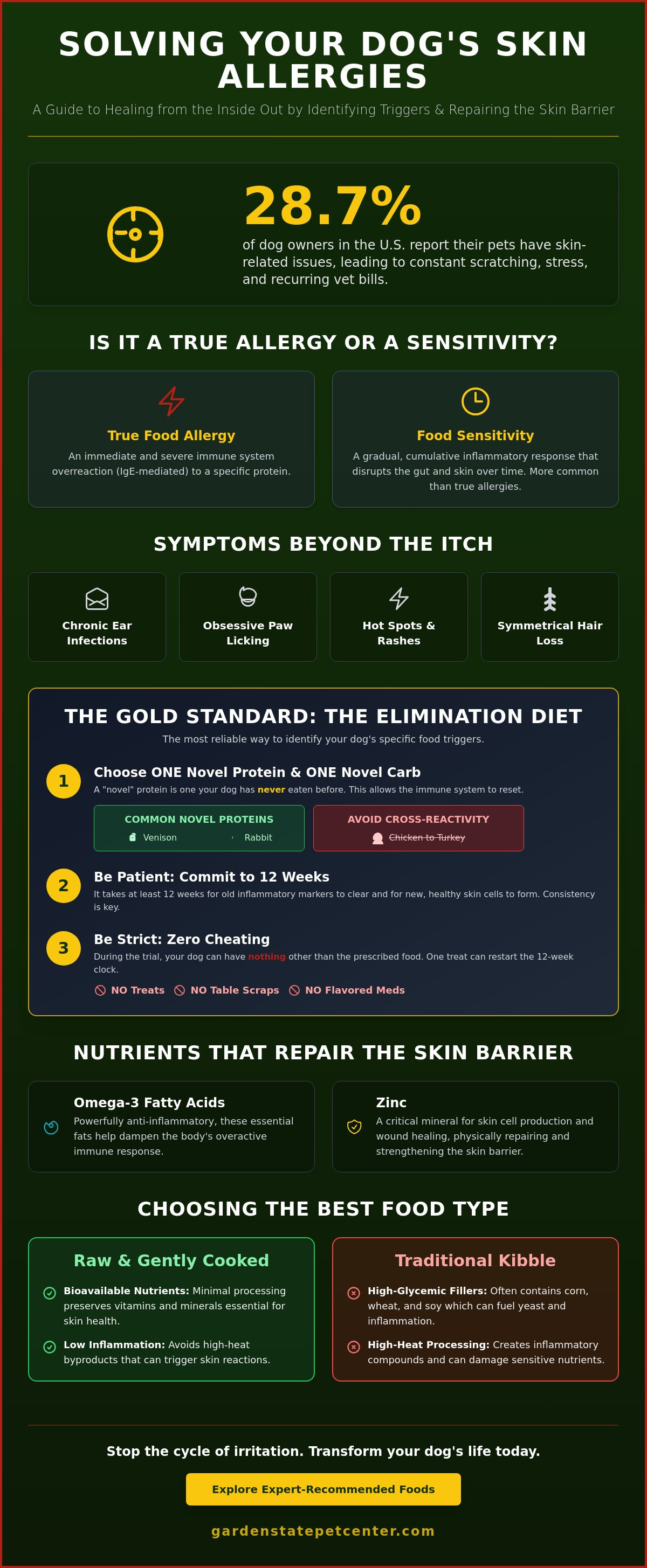
Did you know that 28.7% of dog owners in the U.S. reported their pets have skin-related issues in a 2024 NIH survey? If you're part of that group, you're likely exhausted by the sound of constant scratching at 3 AM and the recurring vet bills for skin infections. It's frustrating to face a wall of bags at the store and feel confused by marketing claims about grain-free versus grain-inclusive diets. You deserve clear answers that prioritize your pet's long-term welfare over simple retail trends.
Finding the best dog food for skin allergies starts with understanding that skin health is a direct reflection of internal inflammation. We'll show you how to identify the root cause of your dog’s itching and choose a biologically appropriate diet that repairs the skin barrier from the inside out. This guide previews everything from the power of novel proteins to the benefits of raw and gently cooked holistic nutrition. Stop the cycle of irritation and discover how specialized care can transform your dog's life today.
Key Takeaways
- Identify whether your pet is facing a true food allergy or a simple sensitivity to address the root cause of their discomfort.
- Understand the mechanics of an elimination diet and how novel proteins serve as the primary tool for identifying specific triggers.
- Evaluate the benefits of raw and gently cooked diets compared to high-heat kibble to select the best dog food for skin allergies.
- Learn how essential nutrients like Omega-3s and Zinc work together to dampen inflammation and physically repair the skin barrier.
- Master the criteria for choosing holistic brands like Nature's Logic that use 100% natural sourcing to support long-term wellness.
Table of Contents
-
Raw and Gently Cooked vs. Traditional Kibble for Sensitive Skin
-
Choosing the Best Dog Food for Skin Allergies: Expert Recommendations
Identifying the Root of Skin Allergies in Dogs
Your dog's skin is more than just a coat; it's their largest organ and the most visible indicator of internal health. When your pet suffers from persistent itching, the skin is often just the messenger for a deeper systemic issue. Understanding common types of allergies in dogs is the first step toward finding lasting relief. While many owners assume every itch is a "true" allergy, there's a vital distinction between an IgE-mediated food allergy, which involves an immediate immune system overreaction, and a food sensitivity, which is a cumulative inflammatory response that disrupts the gut and skin over time.
Identifying the root cause requires looking at more than just the bowl. Environmental factors like pollen, dust mites, and mold often mimic food reactions. We frequently see what experts call the "threshold effect." This occurs when several minor triggers, perhaps a small amount of seasonal pollen combined with a low-grade food sensitivity, finally push the dog's system over the edge into a full-blown skin flare-up. Finding the best dog food for skin allergies means lowering that overall inflammatory load so your pet stays below their reactive threshold and avoids the cycle of constant scratching.
To better understand how these triggers affect your pet, watch this helpful video:
Common Symptoms Beyond the Scratch
Itching is the obvious sign, but other symptoms provide clues about internal distress. Chronic ear infections are a major red flag; they're often caused by yeast overgrowth fueled by high-sugar or high-starch diets. You might also notice obsessive paw licking, which leaves behind a "rusty" or reddish-brown stain on the fur caused by porphyrins in the saliva. Hot spots and symmetrical hair loss patterns can also signal that your dog isn't absorbing the critical nutrients needed to maintain a healthy skin barrier.
The Problem with Standard "Sensitive Skin" Formulas
Many mass-market "sensitive" diets fail because they're produced in facilities that handle multiple protein sources, leading to hidden cross-contamination. These formulas often rely on high-glycemic fillers like corn, wheat, or soy that can actually fuel the very inflammation you're trying to stop. High-heat extrusion processes used in standard kibble create inflammatory markers called advanced glycation end products that further irritate the skin. For truly sensitive pets, exploring premium dog food options that prioritize ingredient purity and minimal processing is essential to their recovery.
The Power of Novel Proteins and Elimination Diets
Commit to a strict elimination diet if you want to find the definitive cause of your dog’s distress. This process is the gold standard for allergy testing, far surpassing the reliability of blood or saliva tests. The goal is simple: remove every current ingredient from your dog's bowl and replace them with a single protein and a single carbohydrate they've never eaten before. By stripping the diet down to its bare essentials, you allow the immune system to reset and stop the constant cycle of inflammatory flare-ups.
Selecting a novel protein is the most critical step in this journey. A novel protein is any meat source your specific pet has never been exposed to in the past. Many owners mistakenly try switching from chicken to turkey, but this often fails. These birds are biologically similar, and the immune system frequently recognizes turkey as the same "enemy" as chicken. This is known as protein cross-reactivity. To find the best dog food for skin allergies, you must choose a protein that's structurally unique from common commercial ingredients like beef, chicken, or lamb.
Patience is your greatest ally during this trial. Visible skin repair doesn't happen overnight. It typically takes at least 12 weeks for the old inflammatory markers to clear the system and for new, healthy skin cells to reach the surface. During this time, your dog cannot have a single treat, flavored medication, or table scrap that isn't part of the approved novel protein plan. Even one "cheat" snack can trigger a reaction and reset your 12-week clock back to zero.
Top Novel Protein Sources for 2026
Venison and rabbit are excellent starting points for most dogs. These lean, wild-type proteins are rarely found in standard grocery store kibble, making them highly effective for reducing immune responses. For the most sensitive cases, we often recommend extreme novel options like kangaroo or alligator. These proteins are so far removed from common livestock that they're almost guaranteed to be "stealth" to your dog's immune system. You can explore these specialized options in our dry dog food collections which focus on limited ingredient recipes designed for recovery.
Avoiding "Hidden" Triggers in Ingredient Lists
Read your labels with clinical precision to protect your pet's progress. Generic terms like "animal fat" or "natural flavors" are major red flags because they can legally hide proteins from chicken or beef. Lower-quality pet foods are also frequently produced on shared manufacturing lines, which increases the risk of cross-contamination. Follow the FDA guidelines on pet food labeling to understand what is truly in the bag. If you're feeling overwhelmed by conflicting claims, consider booking one of our pet nutritional consultations to verify label transparency and build a safe, effective meal plan.
Raw and Gently Cooked vs. Traditional Kibble for Sensitive Skin
Choosing the right format for your dog's meals is just as important as selecting the protein source. While traditional kibble is convenient, the high-heat extrusion process used to create those crunchy nuggets can negatively impact sensitive pets. Intense heat often alters the delicate structure of proteins and destroys natural enzymes that are vital for digestion. When these proteins become denatured, your dog's immune system may struggle to recognize them, potentially triggering the inflammatory responses we discussed in previous sections. Shifting toward minimally processed options is often the most effective way to find the best dog food for skin allergies.
Moisture plays a critical role in skin health that many owners overlook. Traditional dry food typically contains only 10% moisture, which can leave your dog in a state of mild, chronic dehydration. This lack of hydration often manifests as brittle fur and flaky, inelastic skin. In contrast, raw and gently cooked diets naturally provide about 70% to 80% moisture. This biological hydration supports the skin's natural elasticity and helps flush out toxins that contribute to irritation. As noted by Tufts University on canine food allergies, a precise diagnosis is key, but the delivery method of those nutrients can significantly influence how well your dog's body absorbs them.
Gently cooked food serves as an ideal middle ground for owners who want the benefits of whole foods without the handling requirements of raw meat. These meals are prepared at low temperatures to kill pathogens while keeping nutrients intact and highly bioavailable. This method ensures your dog receives the full spectrum of vitamins and minerals needed to rebuild their damaged skin barrier without the inflammatory markers found in over-processed kibble.
The Raw Advantage: Bioavailable Nutrition
Raw diets from trusted brands like SmallBatch or OC Raw are frequently viewed as a "miracle cure" for persistent skin issues. By providing species-appropriate ratios of meat, bone, and organ, these diets reduce systemic inflammation at its source. Raw organs provide essential fat-soluble vitamins like Vitamin A and D that are foundational for rapid skin repair and cellular turnover. This nutrient density allows the body to focus its energy on healing the skin rather than fighting off difficult-to-digest fillers.
Freeze-Dried and Air-Dried: The Convenience of Raw
If you prefer a shelf-stable option, brands like Vital Essentials or Smack offer the benefits of raw nutrition in a much more convenient format. These foods are either frozen in time or gently dried with cool air to preserve their nutritional integrity. Always remember to rehydrate these foods with warm water or bone broth before serving to support skin elasticity and kidney health. While the initial cost of air-dried food is higher than premium kibble, the long-term savings on vet bills for skin infections often make it the more economical choice for sensitive dogs.
Essential Nutrients that Repair the Canine Skin Barrier
Repairing your dog's skin is much like fixing a leaky roof; you must address the structural integrity before the interior can truly dry out. The "Skin Barrier" is a physical and chemical shield made of specialized fat molecules called ceramides. These molecules act as the mortar between skin cell "bricks," preventing environmental allergens like pollen or dust from penetrating the deeper layers of the tissue. When this barrier is weak, even the best dog food for skin allergies cannot fully resolve the issue without the right nutritional support to rebuild that wall from the inside out.
Zinc stands as the most critical mineral for maintaining this integrity and ensuring a vibrant coat shine. It facilitates cellular turnover and protein synthesis, which are essential for healing hot spots and preventing the "crusty" skin often seen in chronic cases. Alongside Zinc, Omega-3 fatty acids, specifically EPA and DHA, play a vital role in dampening the systemic inflammatory response. By providing these nutrients in therapeutic levels, you help your dog's body switch from a state of reactive itching to one of proactive repair.
Healthy skin is also deeply connected to the gut microbiome. Since a significant portion of the immune system resides in the digestive tract, any imbalance there quickly manifests on the surface. Supporting the "gut-skin axis" ensures that the nutrients you provide are actually absorbed and utilized rather than passing through an inflamed system. To give your pet's recovery an extra boost, explore our curated selection of dog vitamins and supplements designed to reinforce the skin barrier and calm irritation.
The Omega-3 to Omega-6 Balance
Most commercial dog foods contain an overabundance of Omega-6 fatty acids sourced from poultry fat and vegetable oils. While Omega-6 is necessary, an improper ratio leads to chronic, itchy skin. You should prioritize sourcing Omega-3s from small oily fish like sardines or anchovies rather than plant sources like flaxseed, as dogs struggle to convert plant-based fats into usable EPA and DHA. Integrating antioxidant-rich toppers like Green Juju into their meals can further protect these delicate fats and boost your dog's ability to fight oxidative stress.
Probiotics and Digestive Enzymes
Chronic inflammation often leads to "Leaky Gut" syndrome, where the intestinal lining becomes permeable and allows undigested food particles to enter the bloodstream. This triggers a massive immune response that ends in a skin flare-up. Adding fermented foods or raw goat milk to an allergy-friendly diet provides the live probiotics and enzymes needed to seal the gut lining. These whole-food additions help maintain a diverse microbiome, which is your dog's best defense against recurring sensitivities and environmental triggers.
Choosing the Best Dog Food for Skin Allergies: Expert Recommendations
Selecting a formula requires a shift in perspective. You must prioritize ingredient transparency and protein quality over flashy marketing slogans. The best dog food for skin allergies is one that avoids synthetic vitamin premixes and inflammatory fillers. We recommend starting with Nature’s Logic, a brand that stands out for its 100% natural vitamin and mineral sourcing. Instead of lab-created supplements, they use whole-food ingredients to provide essential nutrients. This reduces the chemical load on your dog's already sensitive system and ensures every calorie supports cellular repair.
Farmina is another excellent choice for pets struggling with systemic inflammation. Their formulas focus on high-quality animal proteins and a low-glycemic index, which prevents the blood sugar spikes that often fuel yeast overgrowth and skin irritation. For owners who prefer a reliable, limited-ingredient kibble, Fromm Family and FirstMate offer clean recipes with a long history of safety and reliability. These brands ensure that what you see on the label is exactly what ends up in the bowl, minimizing the risk of the hidden triggers we identified in earlier sections.
Curated Brands for Severe Sensitivities
If your pet has gut-driven skin issues, Carna4 offers a distinct advantage through the use of sprouted seeds. These provide a massive boost of live enzymes and probiotics that support the "gut-skin axis" and help seal a leaky gut. For those seeking human-grade quality, Raised Right and California Dog Kitchen provide gently cooked meals that maintain the biological integrity of the ingredients. If you need a high-protein, low-carb solution to starve yeast infections, Smack and Rawz offer nutrient-dense options that prioritize meat over starches. These solutions help clear up "rusty" fur staining and chronic ear issues by removing the sugars that harmful fungi thrive on.
The Garden State Pet Center Difference
We know that navigating these choices can feel overwhelming. That’s why we offer specialized support through our on-site certified pet nutritionist. Consult with an expert who understands the nuances of novel proteins and the skin barrier to ensure you pick the right formula the first time. We leverage nationwide shipping so you can access these premium, holistic brands even if they aren't available in your local big-box stores. Explore our main dog food collection to view our full range of holistic diets and start your dog’s journey toward a life without the itch.
Take the First Step Toward Lasting Relief
Restoring your dog's skin health is a journey that requires patience and a commitment to high-quality nutrition. You've learned that true relief comes from identifying the root cause of internal inflammation and choosing a diet that physically repairs the skin barrier from the inside out. By focusing on novel proteins and minimally processed whole foods, you can finally silence the scratching and help your pet's coat regain its natural luster. Finding the best dog food for skin allergies shouldn't be a guessing game based on confusing marketing claims.
At Garden State Pet Center, we specialize in providing the professional expertise you need to navigate these complex nutritional choices. We offer a curated selection of over 25 premium holistic brands and provide nationwide shipping to ensure your pet has access to the highest standards of care. Consult with our Certified Pet Nutritionist to find the perfect allergy-friendly diet for your dog today! Our team is ready to help you build a proactive wellness plan that focuses on long-term vitality. You don't have to face these challenges alone; your dog's comfortable, itch-free future starts with the right partner in nutrition.
Frequently Asked Questions
How long does it take to see results after switching to an allergy-friendly dog food?
It typically takes 8 to 12 weeks to see a visible improvement in your dog's skin and coat. While digestive issues might clear up in a few days, the skin is the last organ to receive nutrients and requires a full cycle of cellular turnover to heal. You must remain strictly compliant with the new diet during this period. Even a single flavored treat or table scrap can reset the healing clock back to zero.
Is grain-free dog food better for dogs with skin allergies?
Grain-free isn't a universal cure because most canine food allergies are triggered by animal proteins like beef or chicken rather than grains. However, high-glycemic grains can fuel yeast overgrowth, which makes itching and ear infections worse. Choosing the best dog food for skin allergies often involves looking for low-starch, holistic options that prioritize meat quality and ingredient purity over a simple grain-free marketing label.
What is the best protein source for a dog with severe itching?
Exotic novel proteins like kangaroo, alligator, or rabbit are the most effective options for dogs with severe itching. These animals are structurally different from common livestock found in standard commercial diets, so your dog's immune system is less likely to recognize them as a threat. Using a protein source your pet hasn't encountered before stops the immediate immune response and allows the skin barrier to begin the repair process.
Can I use a "sensitive skin" shampoo instead of changing my dog’s food?
Topical shampoos provide temporary relief, but they cannot replace the need for a dietary change. While a medicated bath can soothe a hot spot or remove environmental allergens like pollen, it doesn't address the internal inflammation causing the itch. Lasting results require a proactive, internal approach. You must fix the gut and the immune system through biologically appropriate nutrition to stop the symptoms from returning once the shampoo wears off.
What are the signs that my dog has a food allergy vs. a seasonal allergy?
Food allergies cause year-round distress, while seasonal allergies usually fluctuate with the weather. If your dog's itching remains constant during the winter, a food trigger is highly likely. Signs of a food-based issue often include chronic ear infections, obsessive paw licking, and gastrointestinal symptoms like gas or soft stools. Seasonal allergies more frequently involve watery eyes and sneezing, though both can cause the intense scratching that keeps you awake at night.
Is raw dog food safe for dogs with compromised immune systems?
Raw food is exceptionally safe and beneficial when sourced from reputable brands that use High Pressure Processing (HPP). This method eliminates harmful bacteria while preserving the live enzymes and probiotics that support a healthy immune system. For a dog with skin issues, these natural nutrients are vital for sealing the gut lining. High-quality raw diets provide the bioavailable nutrition needed to strengthen their defenses rather than taxing them with synthetic additives.
Why does my dog still itch even on a limited ingredient diet?
Continued itching often happens because of hidden ingredients or the threshold effect. Many limited-ingredient diets still contain chicken fat or generic natural flavors that can trigger a reaction. It's also possible that your dog is reacting to an environmental trigger, like dust mites, alongside their food sensitivity. If the total inflammatory load stays too high, the itching won't stop. Reviewing the ingredient list with an expert can help identify these stealthy culprits.
What treats are safe for dogs with skin allergies?
The safest treats are single-ingredient, freeze-dried proteins that match your dog's current novel protein diet. If your dog is eating a rabbit-based food, look for treats that contain only 100% dehydrated rabbit meat. Avoid generic biscuits or dental chews, as these often contain wheat, corn, or glycerin that can fuel inflammation. Sticking to a single, pure protein source ensures you don't accidentally introduce a new allergen during the critical 12-week elimination trial.

Article by
Victor Santucci
Victor Santucci is the owner of Garden State Pet Center in Audubon, NJ, where he specializes in premium pet nutrition, exotic animals, and expert-level care. With years of hands-on experience and a passion for helping pets thrive, Victor is dedicated to educating pet owners on proper nutrition, enrichment, and species-specific care. His mission is simple: provide every pet with the highest quality products and every customer with honest, knowledgeable guidance.
Share this post
- 0 comment
- Tags: best dog food for skin allergies, Canine Nutrition, Dog Food, Dog Health, Elimination Diet, Holistic Pet Care, Itchy Dog, Novel Protein, Skin Allergies