

Best Cat Food for Sensitive Stomachs: 2026 Guide to Holistic Nutrition


A sensitive stomach isn't a permanent medical condition; it's often a direct reaction to low-quality fillers hiding in plain sight. If you've spent months cleaning up frequent vomit or worrying about your cat's lethargy, you're not alone. Approximately 15 to 20 percent of cats deal with digestive upset, and many owners find themselves stuck with high vet bills and no clear answers. Finding the best cat food for sensitive stomachs isn't about just grabbing any "digestive care" bag off a big-box shelf. It's about understanding biologically appropriate nutrition that works with your cat's natural systems rather than against them.
We're here to help you move past the stress and toward a solution that brings back your cat's energy and shiny coat. In this 2026 guide, you'll discover how to identify hidden digestive triggers and choose between the highest-quality holistic, raw, or limited-ingredient diets. We'll break down the latest AAFCO nutrient profiles and teach you how to read labels with total confidence. By the end, you'll have a clear path to firm, consistent stools and a much happier, healthier companion.
Key Takeaways
- Identify the difference between a temporary stomach upset and a chronic inflammatory response caused by dietary triggers.
- Learn why meat-based bioavailability is essential for gut health and how to avoid the heavy carbohydrate loads found in mass-market kibble.
- Evaluate specialized diet formats like raw, freeze-dried, and limited-ingredient options to find the best cat food for sensitive stomachs.
- Follow a structured 10-day transition schedule to safely introduce new foods without causing digestive shock or rebound diarrhea.
- Discover the benefits of curated, filler-free nutrition and expert guidance from a certified on-site nutritionist for long-term feline wellness.
Table of Contents
Identifying Digestive Sensitivity: More Than Just Hairballs
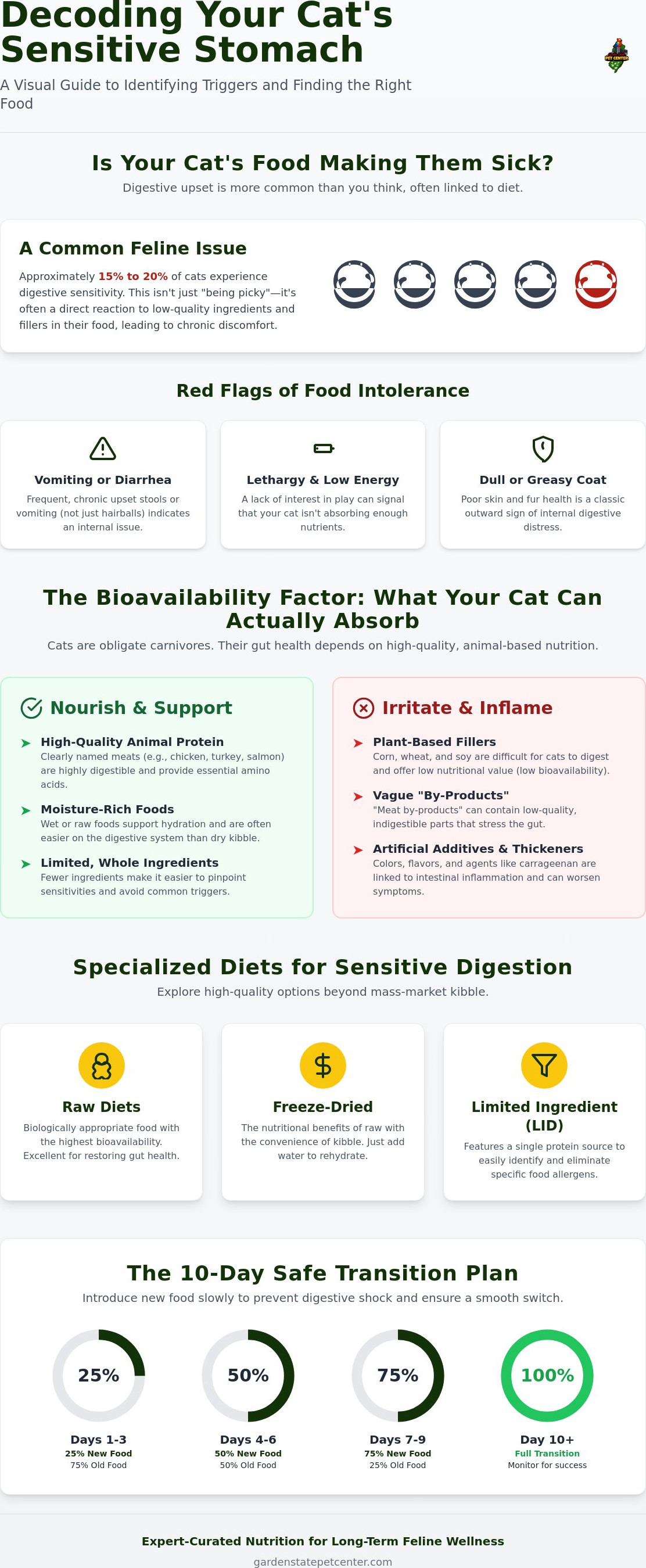
Many cat owners dismiss occasional vomiting as a normal part of feline life. While a hairball every few weeks is common, frequent digestive upset indicates a deeper issue. Feline digestive sensitivity is rarely a one-time event; it's often a chronic inflammatory response to specific dietary triggers. This happens when a cat's immune system or digestive tract reacts negatively to certain proteins, grains, or artificial additives. Finding the best cat food for sensitive stomachs begins with recognizing that these symptoms are your cat's way of signaling internal distress.
Distinguish between acute stomach upset and long-term food intolerance to provide the right care. Acute issues usually stem from a cat eating something they shouldn't, like a houseplant or a stray piece of human food. In contrast, chronic intolerance persists over months. It often manifests as a "picky eater" phase, but your cat might not be fussy. Instead, they may associate their kibble with the abdominal pain that follows every meal. Watch this helpful video to better understand RAWZ cat solutions pates for digestive challenges:
The Red Flags of Food Intolerance
Monitor the timing of your cat's symptoms closely. Vomiting within 30 minutes of a meal suggests a different problem than delayed regurgitation hours later. You might see the "scarf and barf" phenomenon, where a cat eats too quickly and immediately brings it back up. However, if the vomiting occurs regularly regardless of eating speed, the ingredients are likely the culprit. Healthy feline stools should be firm, dark brown, and consistent. Frequent loose stools or constipation are clear indicators that the current diet isn't meeting their feline nutritional requirements.
Look for secondary symptoms that don't involve the litter box. A cat struggling with poor digestion often shows physical signs of malnutrition or discomfort, such as:
-
A dull, brittle, or greasy coat.
-
Lethargy and a lack of interest in play.
-
Excessive grooming, particularly around the abdomen.
-
Unexplained weight loss despite a normal appetite.
When to Consult a Professional
Differentiating between a simple sensitivity and a serious medical condition like Inflammatory Bowel Disease (IBD) requires professional insight. Don't rely on trial and error with supermarket brands, as this often introduces new allergens that worsen the inflammation. Consulting a certified pet nutritionist can help you skip the guesswork. They can identify specific triggers and guide you toward the best cat food for sensitive stomachs based on high-quality, bioavailable ingredients. If your cat's symptoms persist or include blood in the stool, schedule a veterinary visit immediately to rule out underlying infections or organ dysfunction. Explore our curated cat collection for professional-grade options that prioritize gut health. When you do seek professional care, it is worth noting that many leading practices now utilize advanced resources like Helpful.vet to manage their clinic benchmarks and streamline daily workflows for better patient outcomes.
The Science of Bioavailability and Gut Health
Bioavailability isn't just a technical term; it's the measure of how much nutrition your cat actually absorbs from their bowl. Cats are obligate carnivores, meaning their bodies are biologically tuned to process animal proteins with extreme efficiency. Plant-based proteins from corn, wheat, or soy have low bioavailability for felines. When a cat consumes these fillers, their digestive system works overtime to process waste it was never meant to handle. This constant struggle often leads to the chronic inflammation seen in Inflammatory Bowel Disease (IBD).
Many mass-market brands rely on mystery "by-products" and heavy carbohydrate loads to lower production costs. These ingredients are the primary reason many owners find themselves searching for the best cat food for sensitive stomachs. Beyond the main ingredients, hidden irritants like artificial colors, chemical flavors, and carrageenan act like sandpaper on the delicate intestinal lining. Carrageenan, a common thickening agent in wet food, is frequently linked to gut inflammation and can trigger immediate vomiting in reactive cats.
Fillers and Their Impact on Inflammation
Cats lack the specific salivary and pancreatic enzymes required to break down high levels of grain. Diets heavy in corn or soy don't just cause gas; they lead to metabolic sluggishness and feline obesity. Identifying hidden irritants like guar gum and chemical preservatives is the first step in calming a reactive gut. If your cat's current food lists multiple carbohydrate sources in the first five ingredients, it's likely contributing to their daily discomfort. Switching to a filler-free diet often results in immediate improvements in energy and stool consistency.
Don't overlook the role of moisture in digestive health. Cats have a naturally low thirst drive because they evolved to get water from their prey. Dry kibble can leave a sensitive cat in a state of chronic dehydration, which thickens mucus in the gut and slows down the passage of food. Incorporating moisture-rich foods helps flush toxins and supports long-term kidney health, which is vital for senior cats with sensitive systems.
The Role of Prebiotics and Probiotics
Beneficial bacteria are the unsung heroes of a healthy feline microbiome. High-quality diets often include prebiotics like chicory root and probiotics to support gut flora and reduce painful gas. These "good" bacteria crowd out harmful pathogens and strengthen the immune system, since a significant portion of a cat's immune defense is housed in the digestive tract. By choosing foods with natural sources of digestive enzymes, you help your cat break down nutrients more effectively without the need for synthetic additives.
If you're ready to move away from filler-heavy options and see a real difference in your pet's health, browse our curated selection of holistic cat food designed for maximum bioavailability.
Comparing Diet Formats for Sensitive Digestion
Choosing the right format for your pet's meals is just as vital as the ingredients themselves. While standard kibble is convenient, it's often the hardest for a reactive system to process. The best cat food for sensitive stomachs often comes in less processed forms that mirror a cat's ancestral diet. By moving toward biologically appropriate options, you reduce the metabolic stress on your cat's liver and kidneys, allowing their digestive tract to heal from chronic inflammation. Each format offers unique benefits for pets struggling with frequent vomiting or loose stools.
Limited Ingredient Diets (LID) operate on a "less is more" philosophy. By stripping away complex mixtures of multiple proteins and starches, you can easily identify what triggers your cat's discomfort. We often recommend novel proteins like rabbit, venison, or duck for these cats. Because most mass-market foods rely on chicken or beef, many cats develop sensitivities to these common proteins over time. Introducing a protein your cat's immune system hasn't encountered before can stop the inflammatory cycle almost immediately.
Consider the hydration factor when deciding between wet and dry formats. Wet food provides the moisture necessary for smooth digestion, helping nutrients move through the gut more efficiently. Understanding FDA regulation of pet food helps you navigate labels, but remember that moisture content isn't just about thirst; it's about gut motility. A hydrated gut is a functional gut, and for a sensitive cat, that difference is often life-changing.
Raw and Freeze-Dried: The Gold Standard
Raw nutrition provides live enzymes that assist in breaking down nutrients naturally, taking the burden off your cat's pancreas. If the thought of handling raw meat feels daunting, freeze-dried raw offers a perfect compromise. You get the nutritional integrity of a raw diet with the shelf-stable convenience of kibble. Brands like SmallBatch and Vital Essentials lead the industry in safety and quality, providing high-protein, low-carb meals that soothe the digestive lining. You can find these elite options in our premium cat food selection.
Holistic and Gently Cooked Options
Gently cooked food is an excellent middle ground for cats that don't tolerate raw but need more than standard canned food. Low-temperature cooking preserves essential amino acids and vitamins that are often destroyed in high-heat kibble manufacturing. Brands like Open Farm use human-grade ingredients and transparent sourcing to ensure your cat isn't consuming hidden toxins. These meals mimic the texture and nutrient density of natural prey, making them highly palatable for even the most "picky" cats in pain.
How to Choose and Transition to a New Diet Safely
Even the best cat food for sensitive stomachs can cause immediate distress if you introduce it too quickly. The golden rule of feline nutrition is to never switch "cold turkey." An abrupt change shocks the digestive system, often leading to rebound diarrhea and vomiting. This happens because the beneficial bacteria in your cat's gut need time to adapt to new protein structures and enzyme requirements. A patient, methodical approach ensures the transition is a success rather than a setback.
Follow this 10-day transition schedule to minimize the risk of upset:
-
Days 1-3: 25% new food mixed with 75% old food.
-
Days 4-6: 50% new food mixed with 50% old food.
-
Days 7-9: 75% new food mixed with 25% old food.
-
Day 10: 100% new food.
Monitor your cat closely during the first 14 days of a new diet. Look for improved stool consistency and a steady energy level. If you're dealing with severe sensitivities, you might need to perform an elimination diet. This process involves feeding a single novel protein for 8 to 12 weeks while removing all other treats and supplements. This is the only definitive way to isolate the specific ingredient causing the inflammatory response.
Reading the Label Like a Pro
Ignore flashy marketing terms like "Natural" or "Premium," as these aren't legally defined by 2026 labeling standards. Focus on the "First Five" rule; the first five ingredients should consist primarily of named animal proteins. While "Chicken Meal" might sound less appealing than "Fresh Chicken," it's actually a highly concentrated protein source that has had the water removed. It's a reliable ingredient as long as the source animal is clearly identified. Avoid any labels that list vague terms like "Meat Meal" or "Animal Fat," which often hide low-quality by-products.
Supporting the Transition with Supplements
You can ease the switch by adding specific digestive aids to the bowl. A tablespoon of plain, canned pumpkin provides soluble fiber that helps firm up loose stools. Slippery elm bark powder is another excellent tool; it contains mucilage that coats and soothes the stomach lining. For cats that struggle with hydration, adding a splash of salt-free bone broth provides essential collagen and moisture to keep the digestive tract moving smoothly. Consistency matters during this phase. If a food doesn't show results after three weeks of a full transition, it may be time to consult our experts about a different protein profile.
Ready to start your cat's journey to better health? Shop our curated selection of sensitive stomach cat food to find the perfect formula for your pet.
Expert-Curated Solutions at Garden State Pet Center
Stop settling for mass-market solutions that prioritize shelf life over your pet's health. At Garden State Pet Center, we operate with a different philosophy. We don't stock brands like Purina, Hills Science Diet, or Royal Canin because our focus is on results, not volume. We believe the best cat food for sensitive stomachs must contain zero fillers and high-quality, bioavailable proteins that nourish your cat's system. Our inventory is a curated selection of elite brands that meet the highest standards of feline nutrition.
Consult with our on-site certified pet nutritionist to take the guesswork out of your cat's diet. This level of professional authority is what sets us apart from big-box retailers. Whether you are visiting us in person or accessing our resources from across the country, we provide the specialized care needed to manage chronic digestive issues. We've done the hard work of vetting every brand for ingredient transparency, so you can shop with total peace of mind.
Spotlight brands in our collection, such as Farmina, Rawz, and Open Farm, offer targeted relief for reactive guts. Farmina utilizes ancestral grains and cold-infusion technology to preserve nutrient integrity. Rawz provides minimally processed meals without the use of gums or fillers that often irritate the intestinal lining. Open Farm leads the way in human-grade ingredients and total traceability. These brands represent the best cat food for sensitive stomachs available in 2026, focusing on pure ingredients that soothe rather than stress the digestive tract.
Our Commitment to Holistic Health
Every cat is an individual with unique biological needs. A diet that works for a senior cat with IBD might not be the right fit for a kitten with a temporary protein intolerance. We help you develop personalized nutrition plans that address the root cause of inflammation. Explore our cat collection to find specialized diets that prioritize gut health and long-term wellness.
Easy Access to Premium Nutrition
Access elite pet nutrition regardless of your location. We offer nationwide shipping, bringing professional-grade food directly to your doorstep. Join our community to receive expert maintenance tips and earn loyalty rewards that make ongoing care more value-driven. For a comprehensive look at how we select our products, check out our Premium Pet Food Guide. We're ready to serve as your knowledgeable partner in your cat's journey toward a happier, more energetic life.
Restore Your Cat's Vitality and Digestive Health
Your cat doesn't have to live with chronic digestive discomfort. By prioritizing high bioavailability and eliminating low-quality fillers, you can end the cycle of vomiting and lethargy. A successful recovery depends on a patient 10-day transition and choosing diet formats that mirror your cat's natural biological needs. Whether you opt for raw, freeze-dried, or gently cooked meals, the focus must remain on ingredient transparency and nutrient absorption.
Finding the best cat food for sensitive stomachs is much easier when you have a knowledgeable partner by your side. Garden State Pet Center has served as a specialist in holistic and raw diets since 1990. We offer nationwide shipping on all our premium brands and provide access to an on-site certified pet nutritionist to help you navigate your pet's specific requirements. We're here to ensure your feline companion feels their absolute best.
Shop Our Curated Collection of Sensitive Stomach Cat Food
We look forward to helping your pet thrive.
Frequently Asked Questions
Is grain-free food better for cats with sensitive stomachs?
Grain-free diets are only better if your cat has a specific allergy to wheat or corn. Most digestive issues actually stem from low-quality proteins or artificial additives rather than grains. Don't assume a grain-free label automatically means the food is healthy for a sensitive gut. Prioritize high bioavailability and limited fillers instead. We recommend focusing on the specific animal protein sources to ensure they are easily digestible.
How long does it take for a cat’s stomach to settle after a food change?
Most cats require 7 to 14 days for their digestive system to adapt to a new formula. While you might see firmer stools within the first week, it often takes a full month for the gut lining to heal. Be patient. Monitor your pet's energy and coat quality during this time. If symptoms persist after three weeks on the best cat food for sensitive stomachs, consult our certified pet nutritionist for guidance.
Can a cat suddenly develop a food allergy to a brand they’ve eaten for years?
Yes, cats can develop a sudden intolerance to a protein they have eaten for years. This happens when the immune system becomes over-sensitized to a specific ingredient through constant exposure. It's a common issue. If your cat suddenly develops gas or vomiting on their usual brand, it's likely time to rotate to a different protein source. Rotating proteins every few months helps prevent these sensitivities from developing in the long term.
What is a novel protein, and why is it recommended for sensitive cats?
A novel protein is a meat source your cat has never consumed before, like rabbit, venison, or duck. These are recommended because the cat's immune system hasn't had the chance to develop a sensitivity to them. It's the most effective way to perform an elimination diet. This process helps quiet chronic inflammation and allows you to find the best cat food for sensitive stomachs without the usual guesswork.
Is wet food better than dry food for cats who vomit frequently?
Wet food is usually superior for cats who vomit frequently. It provides the essential moisture needed for healthy gut motility. Dry kibble requires heavy digestive effort and can leave a sensitive cat chronically dehydrated. This lack of water thickens gastric mucus and slows down food passage, which often triggers regurgitation. Switching to high-quality wet or gently cooked food helps flush the system and supports much easier nutrient absorption.
Should I use a "prescription" diet from my vet or a holistic alternative?
Prescription diets often manage symptoms but frequently rely on low-quality fillers like corn or soy. Holistic alternatives focus on high-quality, bioavailable ingredients that address the root cause of inflammation. Many digestive issues resolve when you switch to a cleaner, species-appropriate diet. While some medical conditions require veterinary care, you should compare labels carefully. Our team can help you identify which path offers the best long-term results for your pet's wellness.
Can probiotics help my cat stop throwing up?
Probiotics can significantly reduce vomiting by supporting a healthy balance of beneficial bacteria in the gut. These "good" microbes help break down food more efficiently. They also crowd out harmful pathogens that cause gas and inflammation. While they aren't a standalone cure for a poor diet, they are an essential tool during any food transition. Adding a high-quality probiotic supplement soothes a reactive stomach and strengthens your cat's immune defense—to explore how these can also support oral health, find out more.
What ingredients should I absolutely avoid for a cat with a sensitive gut?
Avoid carrageenan, artificial colors, and chemical preservatives like BHA or BHT. These ingredients act as irritants to the intestinal lining and can trigger immediate inflammatory responses in sensitive cats. Stay away from vague terms like "meat by-products" or "animal fat" which hide low-quality waste materials. Stick to transparent labels that list specific, named animal proteins. Use natural thickeners like guar gum sparingly if your cat is highly reactive to new foods.

Article by
Victor Santucci
Victor Santucci is the owner of Garden State Pet Center in Audubon, NJ, where he specializes in premium pet nutrition, exotic animals, and expert-level care. With years of hands-on experience and a passion for helping pets thrive, Victor is dedicated to educating pet owners on proper nutrition, enrichment, and species-specific care. His mission is simple: provide every pet with the highest quality products and every customer with honest, knowledgeable guidance.
Share this post
- 0 comment
- Tags: best cat food for sensitive stomachs, cat food, cat health, digestive care, feline nutrition, holistic cat food, limited ingredient diet, raw cat food, sensitive stomach