

Parrot Nutrition Guide: The Complete Path to Avian Longevity in 2026


What if the premium seed mix you trust is actually the biggest hurdle to your bird's long-term health? It's a frustrating reality for many owners who find themselves stuck between conflicting advice and a picky eater who refuses anything green. We understand the stress of worrying about nutritional deficiencies or the constant fear of offering something toxic by mistake. You want your companion to thrive for decades, not just get by on a sub-optimal diet.
This comprehensive parrot nutrition guide provides the clarity you need to master your bird's complex dietary requirements with confidence. We've simplified the science of holistic avian nutrition into practical, actionable steps for 2026. You'll learn how to implement a reliable daily feeding schedule, identify exactly which foods to avoid, and understand the specific supplements your species needs. From encouraging foraging behaviors to transitioning a stubborn bird to high-quality pellets, this guide ensures your feathered friend enjoys a vibrant, healthy life.
Key Takeaways
- Learn why the traditional seed-only diet is a myth and how to transition your bird to a nutrient-dense, holistic feeding plan.
- Implement the 60-30-10 ratio with our comprehensive parrot nutrition guide to provide a reliable foundation of pellets, vegetables, and healthy treats.
- Discover species-specific requirements, such as the unique calcium needs of African Greys and the lower fat tolerances of Amazon parrots.
- Explore how to use bird toys and accessories to encourage natural foraging behaviors, supporting both physical health and mental enrichment.
- Understand the vital role of specialized services like DNA sexing and professional nutritional consultations in tailoring your bird’s long-term care.
The Fundamentals of Parrot Nutrition: Why Seeds Are Not Enough
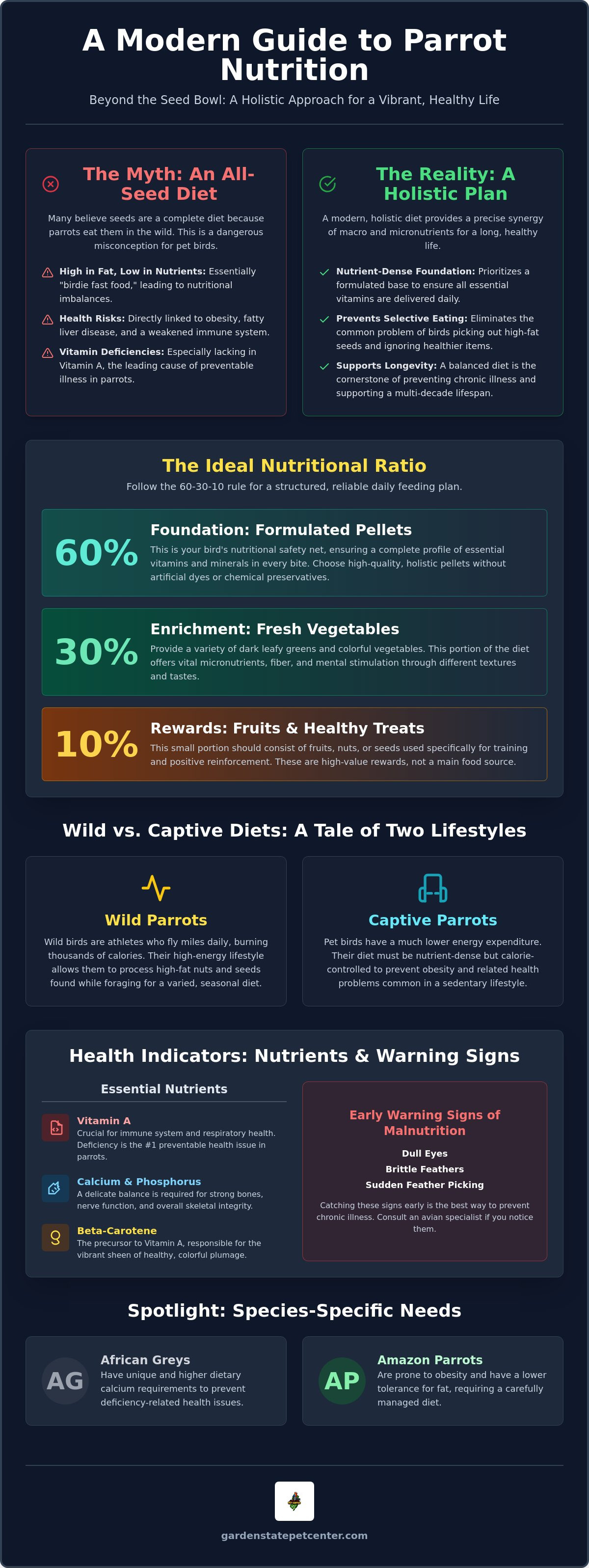
Holistic avian nutrition is far more than just filling a bowl to keep a bird full. It's a precise synergy of macronutrients like proteins and healthy fats balanced with essential micronutrients like vitamins and minerals. Many owners unfortunately fall for the "Seed Myth," believing that because birds eat seeds in the wild, it should be their primary food at home. In reality, seeds are essentially "birdie fast food." They're high in fat but severely lack the vital nutrients required for a long life. For a sedentary pet bird, a seed-heavy diet is a direct path to obesity and fatty liver disease.
Vitamin A deficiency remains the leading cause of preventable health issues in parrots today. It weakens the immune system and leads to secondary infections in the respiratory tract. To move past the confusion of conflicting advice, consider the value of a professional pet nutritional consultation. Working with an expert allows you to develop a parrot nutrition guide tailored to your bird's specific biology rather than relying on generic bag instructions.
To better understand how to prepare these fresh components, watch this helpful video on making healthy parrot chop:
The Biological Reality of Captive vs. Wild Diets
Wild parrots are incredible athletes. They often fly many miles every single day to forage for a Parrot Diet consisting of seasonal fruits, nuts, and wild vegetation. This intense physical activity burns thousands of calories, allowing them to process high-fat seeds that would be dangerous to a pet. Your bird likely spends most of its day in a cage or on a play stand. Because their energy expenditure is so much lower, their diet must be significantly more nutrient-dense. You can explore specialized options in our premium bird collection to ensure your pet gets the nutrition they need without the excess calories.
Common Nutritional Deficiencies in Parrots
Calcium is a critical mineral for bone health and nerve function, but it doesn't work in a vacuum. The relationship between calcium and phosphorus must be carefully managed to maintain skeletal integrity. Beta-carotene is another essential component. It acts as a precursor to Vitamin A and is responsible for the vibrant sheen of healthy plumage. Watch your bird closely for early signs of malnutrition. Dull eyes, brittle feathers, or sudden feather picking are often the first indicators that their diet is lacking. Catching these signs early is the best way to prevent chronic illness.
The Ideal Nutritional Ratio: Balancing Pellets, Vegetables, and Fruits
Establishing a concrete framework is essential for domestic avian health. Captive birds need a structured 60-30-10 rule to avoid common metabolic pitfalls. This means 60% of their intake should come from high-quality formulated pellets, 30% from fresh vegetables, and the remaining 10% from fruits or training treats. Following this specific parrot nutrition guide framework ensures your bird receives a consistent stream of vitamins without the risk of obesity often associated with unstructured feeding. It's a proactive approach that prioritizes longevity over convenience.
Formulated pellets act as the primary nutritional safety net. They're engineered to provide a balanced profile that loose mixes simply cannot match. According to Veterinary Nutritional Guidance for Parrots, a pelleted diet helps eliminate the selective eating habits that lead to chronic malnutrition. When birds pick through a bowl, they often choose high-fat items and leave the essential nutrients behind. Pellets ensure every bite is nutritionally complete, providing a reliable baseline for daily maintenance.
Choosing High-Quality Formulated Pellets
Don't settle for pellets filled with artificial dyes or chemical preservatives. Look for premium, holistic options that use natural colors and tocopherols for shelf stability. Extruded pellets are cooked at high temperatures to improve digestibility, while cold-pressed varieties aim to preserve more raw enzymes. Both are superior to old-fashioned seed diets. Your choice should prioritize clean ingredient lists that avoid "filler" grains. You can find a curated selection of these professional-grade options in our premium bird food collection to start your bird on the right path.
The "Chop" Method: Preparing Fresh Daily Meals
Freshness is the key to avian vitality. The "chop" method involves finely dicing a variety of vegetables to prevent your bird from picking out only their favorites. Focus on dark leafy greens like kale and vibrant orange vegetables like steamed sweet potato or bell peppers. These provide essential precursors for eye and feather health. Always wash produce thoroughly and remove uneaten portions within two hours to prevent bacterial growth. This method turns mealtime into an engaging, multi-sensory experience for your bird.
Sometimes, even the best fresh diet has gaps, especially during molting or breeding seasons. Integrating specific Bird Vitamins & Supplements can provide targeted support for these high-stress periods. If you're looking to optimize your bird's health further, considering a personalized pet nutritional consultation can help you fine-tune these ratios for your specific bird's age and activity level.
Species-Specific Dietary Requirements: One Size Does Not Fit All
While the 60-30-10 ratio serves as a reliable baseline, true mastery of avian care requires a more granular approach. Parrots are a diverse group of birds originating from vastly different ecosystems. A desert-dwelling cockatiel has fundamentally different metabolic needs than a rainforest-dwelling macaw. Using a specialized parrot nutrition guide allows you to adjust these variables based on your bird's evolutionary history and current activity level.
African Grey parrots, for example, are notorious for their high calcium requirements. They often suffer from hypocalcemia, which can lead to tremors or seizures if not managed through a diet rich in calcium and Vitamin D3. In contrast, Amazon parrots have incredibly efficient metabolisms. This makes them prone to obesity and fatty liver disease if they consume even small amounts of high-fat treats. For these birds, lean vegetables and high-fiber greens must take center stage to keep them at a healthy weight.
Small birds like budgies and cockatiels present another unique challenge. While large parrots should be strictly limited on seeds, smaller species often require a slightly higher percentage of high-quality seeds to maintain their rapid energy levels. However, as noted in this resource on Companion Parrot Nutrition, seeds should never be the sole source of food. A balance of roughly 50% pellets and 50% fresh foods and seeds is often recommended for these active little birds. You can find specialized blends in our premium bird collection that cater specifically to these smaller species.
High-Energy Needs: Macaws and Golden Conures
Large-bodied birds like Macaws and Golden Conures are the heavy lifters of the parrot world. They require significantly more healthy fats and protein to maintain their large muscle mass and support their intense energy requirements. Incorporating raw walnuts, macadamia nuts, and small amounts of red palm oil provides the dense energy they need. Protein is just as important as fat for these species; sprouted legumes and small amounts of cooked egg can help maintain their strength. Be diligent with weight monitoring, though. Even these high-energy birds can become sedentary in a home environment, making regular check-ins on their body condition score vital to their health.
The Sensitive Systems of Eclectus Parrots
Eclectus parrots are the most specialized feeders in the avian community. They possess significantly longer digestive tracts than other species, which means they absorb nutrients over a longer period. This biological quirk makes them highly sensitive to synthetic vitamins and artificial food dyes found in many standard pellets. For an Eclectus, a diet of 80% fresh "chop" and only 20% high-quality, dye-free pellets is often the gold standard. Over-supplementation can lead to physical symptoms like toe-tapping or wing-flipping. Focus on whole, raw foods like papaya, pomegranate, and hibiscus flowers to meet their needs safely without the risk of toxicity.
Safe Feeding Practices: Foraging, Enrichment, and Toxic Foods
Mastering a parrot nutrition guide requires looking beyond the bowl to the behavioral mechanics of how birds eat. In their natural habitats, parrots spend the majority of their waking hours searching for, manipulating, and extracting food. This mental and physical labor is essential for their psychological well-being. When we provide all their calories in a static dish, we remove a vital part of their identity. Introduce challenge into their day by utilizing specialized Bird Toys and Accessories designed for foraging. Hiding pellets inside cardboard tubes or nesting treats within woven palm leaf toys encourages the problem-solving behaviors that keep a bird's mind sharp and prevents boredom-related issues like feather plucking.
Sanitize water and food bowls every single day without exception. Bacteria and biofilm can accumulate quickly, especially in bowls where birds might dip their food. Use stainless steel or high-quality ceramic dishes, as plastic often develops microscopic scratches that harbor pathogens. Beyond the food itself, ensure the environment remains safe for their constant need to chew. Provide perches and foot toys made from safe, untreated woods like manzanita, dragonwood, or citrus branches. Avoid any wood that has been chemically treated or comes from trees like cherry or yew, which are toxic to birds.
The "Do Not Feed" List: Common Toxins
Protect your feathered companion by memorizing the household items that pose an immediate threat. While some foods are merely unhealthy, others are rapidly fatal. Avocados contain a fungicidal toxin called persin, which causes heart congestion and respiratory distress that is often fatal to avian species. Avoid these dangerous items entirely:
- Chocolate and Caffeine: Both contain methylxanthines that cause heart arrhythmias and seizures.
- Onions and Garlic: These can cause hemolytic anemia by rupturing red blood cells.
- Fruit Pits and Apple Seeds: These contain trace amounts of cyanide.
- Alcohol: Even tiny amounts can lead to organ failure and death.
- High-Salt Snacks: Parrots cannot process sodium efficiently, leading to extreme thirst and kidney stress.
Transitioning Your Bird to a Healthy Diet
Patience is your greatest tool when moving a bird from a seed-based diet to a holistic pelleted plan. Start by mixing a small amount of pellets into their current seed mix, gradually increasing the ratio over several weeks. If your bird is particularly stubborn, try softening the pellets with a small amount of warm water or organic, unsweetened fruit juice to make the texture more appealing. Use a gram-accurate digital scale to record your bird's weight every morning before breakfast, as a weight loss of more than 10 percent indicates the transition is moving too quickly. Monitor their droppings daily; a healthy bird on a pelleted diet will have firmer, more consistent waste than one eating only watery fruits or oily seeds.
Ready to upgrade your bird's daily routine? Explore our range of foraging bird toys and accessories to transform your pet's cage into a stimulating environment that mimics their wild home.
Professional Avian Nutrition and Premium Support
Mastering a parrot nutrition guide is a significant first step, but even the most dedicated owner benefits from professional oversight. Exotic birds have sensitive biological systems that can hide nutritional gaps for years before symptoms appear. Scheduling a pet nutritional consultation allows you to move beyond general advice and create a precise plan for your bird's age, weight, and health history. Think of this as an investment in your bird's longevity, ensuring that the ratios of pellets and fresh foods we discussed earlier are actually meeting their physiological needs. Expert guidance helps you navigate the transition from a seed-heavy diet with a partner who understands the unique challenges of picky eaters.
Reliable care also extends to where your bird stays when you are away. Choose a boarding facility that demonstrates a deep understanding of avian dietary protocols. A generalist kennel won't understand the importance of preparing fresh "chop" or the danger of cross-contamination with toxic foods. Ensure your provider follows your specific feeding schedule and maintains the high standards of sanitation required to prevent bacterial growth in water and food bowls.
The Role of Diagnostic Testing in Nutrition
Diagnostic tools provide the data necessary to fine-tune a bird's diet. Avian DNA Sexing is a vital resource for more than just naming your pet. It identifies females who are at a higher risk for egg binding, a life-threatening condition often caused by calcium deficiencies. Once you know your bird's gender, you can adjust their calcium and Vitamin D3 intake proactively. Combine this with regular disease screening and blood work to verify that your bird is actually absorbing the nutrients provided. These tests act as a baseline, allowing you to see the real-time impact of your nutritional choices on their internal health.
Comprehensive Care for Exotic Birds
Total wellness requires a combination of high-quality internal nutrition and external maintenance. Integrate professional bird grooming into your bird's routine as a regular health check-up opportunity. A professional groomer can often spot the early signs of malnutrition, such as stress bars on feathers or overgrown beaks, before they become obvious to an owner. This holistic approach ensures that your bird's physical condition matches their internal vitality.
Accessing the right supplies is just as important as having the right knowledge. Browse our premium parrot food collections to find the holistic, dye-free pellets and specialized treats mentioned throughout this guide. While national retailers offer generic options, local experts provide the specialized care and patience required for sensitive exotic species. Partnering with a dedicated resource ensures you have access to the highest quality products and professional services like DNA sexing and grooming all in one place. Take the lead in your bird's health today by combining expert-led nutrition with professional diagnostic support.
Take the Next Step Toward Your Parrot's Vibrant Future
Transforming your bird's health starts with moving past the seed myth and embracing a structured feeding framework. By mastering the 60-30-10 ratio and acknowledging the unique biological needs of your specific species, you've already taken the most important steps toward your bird's longevity. Remember that nutrition is a behavioral journey as much as a biological one. Use foraging toys to keep your pet's sharp mind engaged while they enjoy their daily fresh meals. This proactive approach prevents boredom and supports a much higher quality of life.
This parrot nutrition guide provides the foundation, but you don't have to navigate this transition alone. Our team has specialized in exotic avian care since 1990, and we provide on-site certified pet nutritionist support to fine-tune your bird's diet. We also offer nationwide shipping on all our premium bird supplies to make high-end care accessible wherever you are. Shop our curated collection of Premium Parrot Food and Holistic Diets to give your companion the quality they deserve. Your commitment to better nutrition today ensures a vibrant, healthy life for your feathered friend for years to come.
Frequently Asked Questions
What are the absolute worst foods for a parrot?
Avocado, chocolate, caffeine, and alcohol are the most dangerous foods you can give to a bird. Avocado contains a toxin called persin that causes heart failure, while chocolate and caffeine lead to fatal heart arrhythmias. Even tiny amounts of these items can be lethal within hours. Always check every ingredient in a shared snack to avoid accidental poisoning from these household toxins.
Can parrots eat only seeds if I give them vitamins?
You can't keep a bird healthy on seeds alone, even with added vitamins. Seeds are fundamentally too high in fat and lack the complex fiber and minerals found in a holistic parrot nutrition guide. Over time, a seed-based diet leads to fatty liver disease and a weakened immune system. Vitamins don't solve the underlying issue of poor macronutrient balance and excessive caloric intake.
How much fresh food should my parrot eat every day?
Aim for fresh vegetables to constitute roughly 30% of your bird's daily meal. For a medium-sized parrot like an African Grey, this is about half a cup of finely diced "chop" mix. Ensure you include a variety of colors, prioritizing dark leafy greens and orange vegetables. This variety provides the essential beta-carotene and minerals that support vibrant plumage and eye health.
Why is my parrot throwing their pellets on the floor?
Your bird is likely throwing pellets because they're searching for their favorite bits or expressing natural foraging instincts. In the wild, birds drop a lot of food while looking for the best morsels. You can reduce this waste by using foraging toys that require them to work for their food. This turns a messy habit into a productive mental exercise that mimics wild behavior.
Do parrots need grit or gravel for digestion?
Parrots don't require grit or gravel for digestion. Unlike chickens or pigeons, parrots remove the outer hull of seeds with their beaks before swallowing the heart of the seed. Swallowed grit can actually accumulate in a parrot's digestive tract and cause a life-threatening impaction. Stick to a balanced diet of pellets and vegetables to ensure their digestive system remains clear and functional.
How can I tell if my parrot is malnourished?
Signs of malnutrition include dull eyes, brittle feathers, and visible "stress bars" across the plumage. You might also notice that the bird's keel bone feels very sharp or prominent, which indicates muscle wasting. If your bird is lethargic or has a flaky beak, it's time for a professional pet nutritional consultation. These physical markers often appear long after internal damage has started.
Is it safe to give my parrot tap water?
Tap water is generally safe in many areas, but filtered water is the superior choice for sensitive avian systems. City water often contains chlorine, fluoride, and trace heavy metals that can build up in a bird's small body over time. Use a simple carbon filter to remove these impurities. Always ensure you wash the water bowl daily to prevent the buildup of harmful bacterial biofilms.

Article by
Victor Santucci
Victor Santucci is the owner of Garden State Pet Center in Audubon, NJ, where he specializes in premium pet nutrition, exotic animals, and expert-level care. With years of hands-on experience and a passion for helping pets thrive, Victor is dedicated to educating pet owners on proper nutrition, enrichment, and species-specific care. His mission is simple: provide every pet with the highest quality products and every customer with honest, knowledgeable guidance.
Share this post
- 0 comment
- Tags: Avian Diet, Bird Foraging, Feeding Parrots, Healthy Parrot Food, Parrot Care, Parrot Nutrition, parrot nutrition guide, Pellet Transition