

Best Raw Food for Puppies: A 2026 Guide to Biologically Appropriate Growth


What if the most natural diet for your new companion is also the one that requires the most scientific precision to get right? You want the absolute best for your puppy, yet the fear of getting calcium ratios wrong or handling pathogens like Salmonella keeps many owners awake at night. Finding the best raw food for puppies isn't just about switching to meat. It's about ensuring their rapid skeletal development is supported by every single bite while following the latest 2026 safety protocols.
At Garden State Pet Center, we believe that raw feeding is a science of precision. We understand your concerns about stunted growth and the confusion between frozen and freeze-dried options. This guide will help you choose the safest, most nutritionally balanced raw diet to support your puppy’s rapid development and long-term health. You'll gain the confidence to select brands that meet strict AAFCO growth standards and understand the "why" behind biologically appropriate nutrition.
We'll provide a clear plan for transitioning your puppy to raw food. You'll also learn about the latest FDA safety updates regarding H5N1 and how to maintain a pristine kitchen. Let's build a foundation for your puppy that lasts a lifetime.
Key Takeaways
- Understand the fundamental differences between BARF and PMR models to identify which nutritional philosophy aligns with your puppy's specific growth requirements.
- Master the critical calcium-to-phosphorus ratios necessary to prevent metabolic bone disease and ensure your puppy's skeletal health remains on track.
- Learn how to evaluate premium commercial brands like SmallBatch to find the best raw food for puppies that meets strict AAFCO growth standards.
- Follow professional hygiene and transition protocols to eliminate safety concerns and ensure a smooth digestive experience for your new companion.
- Discover why a certified pet nutritional consultation provides a personalized safety net that generic online calculators simply cannot match.
What is a Biologically Appropriate Raw Food (BARF) Diet for Puppies?
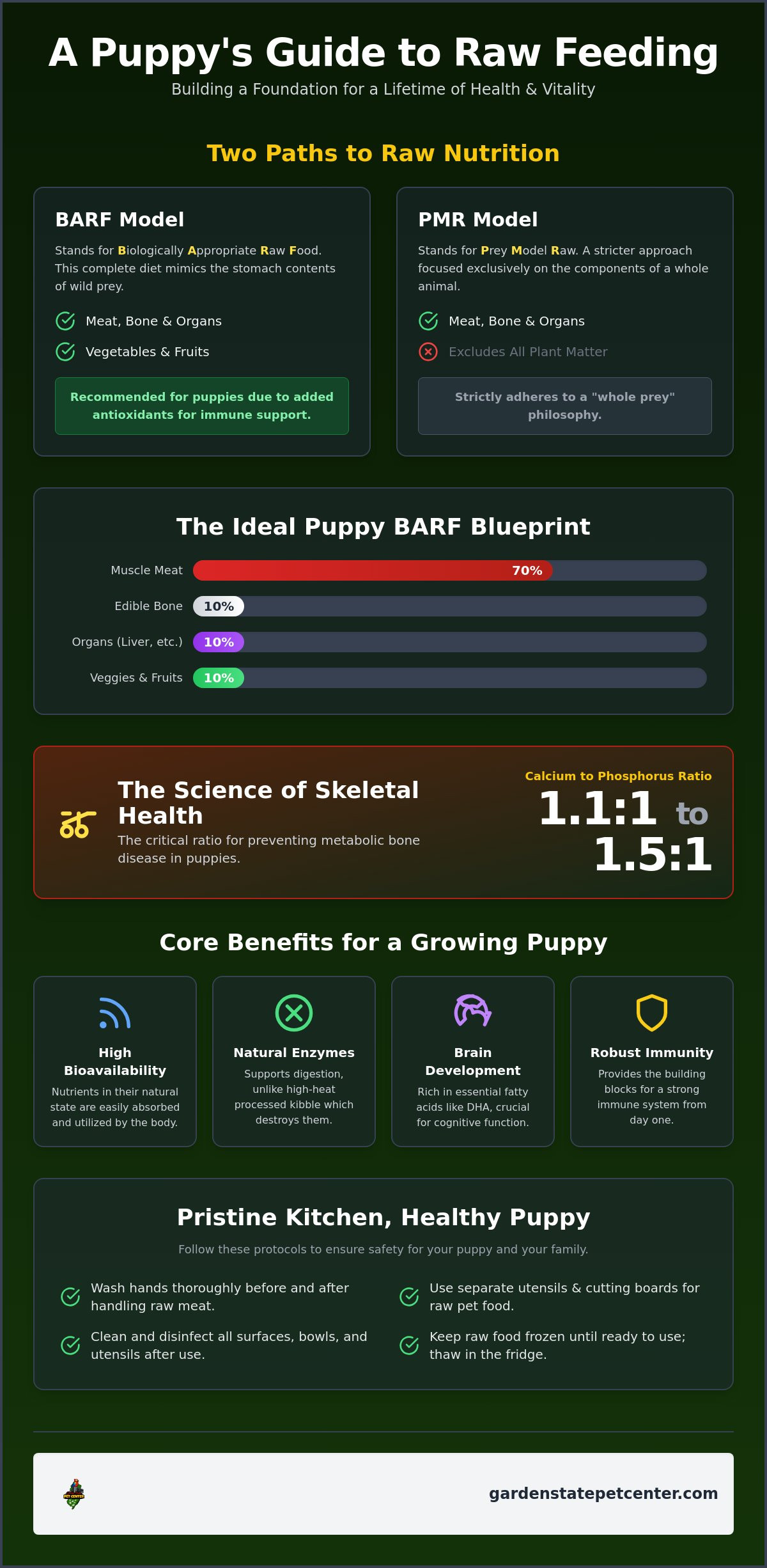
Understanding the difference between raw feeding models is the first step in providing the best raw food for puppies. Most enthusiasts follow either the Biologically Appropriate Raw Food (BARF) model or the Prey Model Raw (PMR) philosophy. BARF focuses on a balanced mix of muscle meat, edible bone, organ meats, and a small percentage of vegetables and fruits to mimic the stomach contents of wild prey. In contrast, PMR strictly adheres to a "whole prey" approach, excluding plant matter entirely. For a growing puppy, the BARF model is often preferred because the added antioxidants from vegetation support a developing immune system during a vulnerable life stage.
Puppies aren't just small dogs; they're biological factories running at maximum capacity. They require a significantly higher nutrient density than adults to support rapid tissue growth and skeletal formation. Raw diets provide these nutrients in their most natural state, complete with live enzymes and probiotics that are typically destroyed during the high-heat extrusion process used to make kibble. In 2026, we're seeing a shift toward "functional" raw feeding, where manufacturers include specific botanicals like turmeric or medicinal mushrooms to proactively address inflammation and gut health from day one.
To better understand how these ingredients come together for your pet's health, watch this helpful video:
The Evolutionary Logic: Why Raw Works
Canines possess incredibly short digestive tracts and a highly acidic stomach environment designed to process raw proteins quickly and safely. This biological setup allows them to neutralize bacteria that might trouble a human digestive system. When you feed raw, you're prioritizing bioavailability. Bioavailability refers to the proportion of amino acids and nutrients that are actually absorbed and utilized by the puppy's body during the digestion process. Unlike processed foods that rely on synthetic sprays, the best raw food for puppies offers nutrients that the body recognizes and uses immediately.
Puppy Growth Milestones and Nutritional Demand
The "window of development" between 8 weeks and 12 months is the most critical period of your dog's life. During this time, nutritional deficiencies or imbalances can lead to permanent health issues. A well-formulated raw diet provides essential fatty acids like DHA, which are vital for brain development and cognitive function. By choosing high-quality, minimally processed options, you're ensuring that your puppy has the building blocks necessary for a robust immune system and a healthy coat. You can explore premium pet food standards to see how these specialized diets compare to traditional options.
The Science of Balance: Calcium, Phosphorus, and Skeletal Health
Skeletal health is often the primary concern for new owners, and for good reason. A common mistake is feeding an "all-meat" diet. Muscle meat is naturally high in phosphorus but extremely low in calcium. Without a precise balance, specifically a ratio between 1.1:1 and 1.5:1, puppies are at high risk for metabolic bone disease. This condition causes bones to become soft and deformed. The best raw food for puppies avoids this by utilizing finely ground edible bone. Unlike synthetic bone meal supplements, real bone contains the exact minerals and collagen needed to build a sturdy frame.
Organ meats serve as the natural multivitamins in a puppy's bowl. Liver provides Vitamin A and iron, while heart is a potent source of taurine. These are essential for heart health and vision. However, balance remains the priority. Organs should typically make up about 10 percent of the total diet. Because you're handling fresh, raw ingredients, always prioritize Safe Handling practices to keep your home environment clean and your puppy healthy.
Large Breed vs. Small Breed Raw Requirements
Large breeds like Great Danes or German Shepherds require a unique strategy. Excess calcium or calorie intake can trigger rapid growth spurts. This often leads to permanent joint issues like hip dysplasia. These puppies need a "slow and steady" growth curve. On the other hand, small breeds have incredibly high metabolisms. They require higher caloric density in smaller portions to prevent energy crashes. We recommend adjusting fat levels based on your puppy's specific activity level to maintain an ideal body condition. If you're unsure where to start, browsing our premium raw selections can help you find breed-appropriate formulas.
Essential Fatty Acids: DHA and EPA for Puppies
Essential fatty acids (EFAs) like DHA and EPA are critical for more than just a soft coat. They're fundamental for cognitive function and retinal development. While many owners look for fish oil bottles, the best raw food for puppies often sources bioavailable Omega-3s from whole food ingredients. Items like sardines, mackerel, and green-lipped mussels provide a natural boost for joint health and inflammation control. These whole-food sources ensure your puppy gets the full spectrum of nutrients for a vibrant, healthy start.
Best Raw Dog Food Brands for Puppies in 2026
Choosing between a homemade diet and a commercial formula is the most significant decision you'll make for your puppy's nutrition. While homemade meals offer total control, they often lack the mineral precision required for rapid skeletal growth. Commercial brands like those we curate at Garden State Pet Center provide a safer alternative because they're formulated to meet strict AAFCO standards. When searching for the best raw food for puppies, look for manufacturers that prioritize sourcing transparency and rigorous safety protocols. As of 2025, the FDA requires raw manufacturers to include H5N1 safety plans, a standard that premium brands like SmallBatch, OC Raw, and Solutions already exceed through high-pressure processing or meticulous sourcing.
SmallBatch Pet Food stands out for its commitment to locally sourced, small-batch integrity. Their formulas use pasture-raised meats and organic vegetables, ensuring your puppy receives nutrient-dense fuel without synthetic fillers. OC Raw offers unique protein rotations, such as rabbit or goat, which are excellent for puppies with early-onset sensitivities. For owners seeking the "gold standard," Solutions Pet Food utilizes fermented ingredients to provide superior gut support. While the AVMA policy on raw pet food highlights potential risks, these professional-grade brands mitigate concerns through clinical precision and human-grade quality control.
Frozen Raw vs. Freeze-Dried Raw: Which is Better?
Frozen raw patties are the traditional choice, offering maximum hydration and a lower price point. Data from 2026 shows that freeze-dried raw options are typically 15 to 20 percent less expensive than frozen counterparts, making them a budget-friendly entry point. Freeze-dried raw also serves as an excellent "bridge" for puppies transitioning from kibble. It provides the nutritional benefits of raw with the convenience of a shelf-stable product. You can shop our full collection of raw dog food to compare these formats and find the right fit for your lifestyle.
Tucker’s and Vital Essentials: Puppy-Safe Options
Tucker’s Raw Pet Food is a favorite for picky eaters due to its high palatability and simple ingredient lists. They focus on limited proteins, which simplifies the process of identifying potential allergies. Vital Essentials utilizes whole-animal "alpha" nutrition, incorporating muscle, organs, and bone in ratios that mimic a natural hunt. These brands are frequently recommended by our on-site certified pet nutritionist because they provide the reliable, balanced foundation necessary for a puppy's first year of life. By choosing these trusted names, you're investing in the best raw food for puppies available on the market today.
Safe Handling and Transitioning Your Puppy to Raw
Transitioning your companion to a raw diet requires a thoughtful strategy to ensure their digestive system adapts without stress. The "cold turkey" versus "slow transition" debate is common among new owners. While puppies often have resilient guts and can switch immediately, we typically recommend a gradual seven to ten day transition. This method involves mixing increasing amounts of the best raw food for puppies with their current food. This patience allows the puppy's stomach acidity to adjust naturally to the higher protein and bone content of a biologically appropriate diet.
Hygiene protocols are the foundation of a healthy raw-feeding household. Treat raw pet food with the same care you'd use for your own dinner. Use non-porous stainless steel or ceramic bowls that won't harbor bacteria. Scrub all surfaces, utensils, and your hands with hot, soapy water immediately after meal prep. Following these simple steps eliminates the risk of cross-contamination, keeping both your puppy and your family safe from foodborne pathogens.
Monitoring stool quality provides a direct window into your puppy's health. You should see small, firm, and relatively odorless stools. If they're too hard or white, you may be feeding too much bone; if they're loose, the fat content might be too high or the transition too fast. Once your puppy is stable, begin rotating proteins. Switching between beef, poultry, and rabbit every few weeks prevents future food sensitivities and ensures a diverse range of amino acids for total body wellness.
Understanding HPP (High Pressure Processing)
Many premium brands utilize High Pressure Processing (HPP) to ensure safety. This technique uses extreme water pressure to neutralize harmful bacteria like Salmonella and Listeria without using heat. Because it leaves the vital enzymes and vitamins intact, HPP serves as the "safety bridge" for nervous owners who want the benefits of raw feeding without the traditional pathogen risks. Brands that don't use HPP often rely on "test and hold" protocols, where every batch is verified clear of pathogens before leaving the facility.
The "Puppy Detox": What to Expect
As your puppy's body begins to process real, whole ingredients, they may undergo a brief "detox" period. You might notice a temporary change in energy levels or a slight shift in coat oiliness. While these are normal, persistent vomiting or lethargy are not. To support a sensitive stomach during this time, we suggest adding raw goat milk or bone broth to their meals. These additions provide soothing probiotics and hydration. If you're looking for a different approach to wellness, you can explore holistic dog food options that prioritize high-quality ingredients in a convenient format.
Ready to provide your puppy with a superior nutritional foundation? Shop our selection of raw puppy food to find the perfect formula for your growing companion.
The Value of a Certified Pet Nutritional Consultation
Puppies are dynamic, biological systems that change almost every day. While generic online calculators provide a starting point, they often fail to account for individual metabolic rates or the specific needs of different breeds. Relying on an algorithm to determine the best raw food for puppies can lead to overfeeding or undernourishment. A certified pet nutritionist provides the clinical precision necessary to navigate these fluctuations. They act as a safety net, ensuring that your puppy's growth remains steady and their skeletal development stays on track.
If your companion struggles with early-onset allergies or a sensitive stomach, customization becomes even more vital. A professional helps you identify trigger proteins and suggest alternatives like rabbit or goat from brands like OC Raw or SmallBatch. For those interested in DIY raw feeding, a consultation is non-negotiable. A nutritionist will verify that your home-prepared recipes aren't missing critical trace minerals. They also provide a schedule for adjusting feeding amounts as your puppy's weight changes weekly, preventing the rapid growth spurts that lead to joint stress.
Beyond the Bowl: Holistic Puppy Wellness
True health extends beyond just the base protein. We often recommend integrating functional supplements like Green Juju to provide powerful immune support through whole-food greens and botanicals. There is a strong link between high-quality raw feeding and reduced vet visits over a dog's lifetime. At Garden State Pet Center, we've specialized in holistic and minimally processed diets since 1990. We are here to support your journey with the expertise of a knowledgeable partner, not just a vendor. Our team understands the nuance of specialized care for sensitive requirements.
Getting Started with a Pro
Prepare for your session by bringing a list of current foods, treats, and any health observations you've made. We'll help you set long-term health goals, from achieving a vibrant coat to maintaining perfect joint health. Our on-site expert will review your puppy's specific milestones to ensure their diet evolves alongside them. Investing in professional guidance now prevents costly health issues later. It's the most reliable way to ensure you are providing the best raw food for puppies tailored to your pet's unique DNA. Schedule a consultation with our certified pet nutritionist today to build a personalized plan for your puppy's future.
Build a Foundation for a Lifetime of Health
Your puppy's first year is a critical window for development that requires more than just high-quality protein. It's about achieving the exact mineral balance for skeletal strength and ensuring every meal is safe and bioavailable. By prioritizing the best raw food for puppies and following strict hygiene protocols, you're investing in your dog's long-term wellness and vitality. Remember that precision matters. Monitoring growth milestones and rotating proteins will help prevent future food sensitivities while supporting cognitive function.
Garden State Pet Center has been a family-owned resource for holistic pet care since 1990. As an authorized retailer for premium brands like SmallBatch and Solutions, we provide the specialized nutrition your puppy deserves. Our on-site certified pet nutritionist is ready to act as your safety net, helping you choose formulas with confidence and clinical precision. We are committed to being your knowledgeable partner in this exciting new chapter of pet parenthood.
Shop the Best Raw Puppy Food Brands with Nationwide Shipping and give your companion the biological advantage they were born to have. Start their journey toward a vibrant, active life today.
Frequently Asked Questions
Is it safe to feed a puppy raw food from the start?
Can I mix raw food with kibble for my puppy?
You can mix raw food with kibble, though it's important to monitor your puppy for any signs of digestive upset. Some dogs process these two types of food at different speeds, which can occasionally lead to gas or loose stools. If you want to combine them, consider using freeze-dried raw as a nutrient-dense topper. This allows you to provide the benefits of raw nutrition while maintaining the convenience of dry food.
How much raw food should I feed my puppy per day?
Puppies generally require between 5% and 10% of their current body weight daily, spread across three to four small meals. Because they grow so quickly, you'll need to weigh your puppy and adjust their portions almost every week. Finding the best raw food for puppies involves more than just following a bag's instructions. You must track their body condition score to ensure they stay lean while receiving enough calories for their energy needs.
What is the best raw protein for a puppy with a sensitive stomach?
Rabbit and whitefish are excellent choices for puppies with sensitive stomachs because they are lean and easy to digest. These novel proteins are less likely to cause the inflammatory responses often associated with common allergens like chicken or beef. If your puppy has a very reactive system, starting with a single-protein formula simplifies the process. You can also add a small amount of raw goat milk to provide soothing probiotics.
Do I need to add supplements to a commercial raw puppy diet?
Most premium commercial raw diets are already formulated to be complete and balanced, so you don't need to add extra vitamins. However, functional additions like wild-caught fish oil or kelp can provide extra support for brain development and skin health. Always consult with a certified nutritionist before adding minerals like calcium. Excessive calcium can be dangerous, particularly for large breed puppies, as it can interfere with proper skeletal formation.
What happens if my puppy eats a piece of raw bone?
Raw, edible bones like chicken necks or duck feet are safe for puppies to consume and provide vital minerals. Unlike cooked bones, which become brittle and can splinter, raw bones are soft and pliable enough for a puppy's stomach acid to dissolve. Always supervise your puppy while they are chewing to prevent them from swallowing large pieces. Many of the best raw food for puppies options include finely ground bone to eliminate any choking risks.
How do I know if the raw food I chose is nutritionally complete for growth?
Check the packaging for a statement confirming the food meets AAFCO nutrient profiles for "growth" or "all life stages." This certification ensures the recipe contains the specific balance of amino acids, fats, and minerals required for a developing dog. Avoid any products labeled "for intermittent or supplemental feeding only" as a primary meal source. These products lack the precise nutrient density needed to support a puppy's rapid physical and cognitive development.
Does raw feeding make puppies more aggressive?
There is no scientific evidence to support the myth that raw feeding causes aggression or "bloodlust" in dogs. Behavior is influenced by genetics, socialization, and training, not by whether a puppy's protein is cooked or raw. In fact, providing a biologically appropriate diet often leads to more stable energy levels and better focus during training sessions. A well-nourished puppy with a satisfied appetite is typically calmer and more receptive to learning new behaviors, especially when given healthy outlets for their vitality like the herding balls designed by HomeBodyPet.

Article by
Victor Santucci
Victor Santucci is the owner of Garden State Pet Center in Audubon, NJ, where he specializes in premium pet nutrition, exotic animals, and expert-level care. With years of hands-on experience and a passion for helping pets thrive, Victor is dedicated to educating pet owners on proper nutrition, enrichment, and species-specific care. His mission is simple: provide every pet with the highest quality products and every customer with honest, knowledgeable guidance.
Share this post
- 0 comment
- Tags: AAFCO standards, BARF diet, best raw food for puppies, dog food safety, puppies, puppy care, puppy nutrition, raw diet for dogs, raw feeding