

Best Supplements for Senior Dog Joint Health: A 2026 Holistic Mobility Guide


You notice it first at the bottom of the staircase; your once-energetic companion hesitates, shifting their weight as they eye the climb they used to conquer without a second thought. It is a quiet, heavy moment that every pet parent eventually faces. You want to restore their comfort, yet the confusion over synthetic ingredients and the fear of long-term NSAID side effects often makes the search for relief feel overwhelming. With hip and joint products now making up over 40 percent of the pet supplement market in 2026, finding the best supplements for senior dog joint health requires looking past the marketing and focusing on proven, bioavailable synergy.
We understand that your dog is family, and you deserve a plan that protects their organs while healing their joints. This guide promises to simplify your journey by highlighting research-backed ingredients and nutritional strategies that work in harmony with their body. We'll explore how professional pet nutritional consultations and anti-inflammatory choices, like raw dog food or Green Juju boosters, can create a visible reduction in daily stiffness. You're about to discover a safe, long-term roadmap to help your senior dog move with ease and regain the quality of life they deserve.
Key Takeaways
- Learn to distinguish between natural "slowing down" and clinical joint inflammation to proactively manage your senior dog's comfort and mobility.
- Discover how to identify the best supplements for senior dog joint health by prioritizing high-potency ingredients like Glucosamine, Chondroitin, and therapeutic MSM.
- Understand why transitioning to moisture-rich raw or gently cooked diets provides a superior anti-inflammatory foundation that synthetic tablets cannot achieve alone.
- Master the buyer’s checklist to avoid harmful fillers and ensure your chosen products carry the NASC Quality Seal for verified safety and purity.
- Explore the benefits of a professional pet nutritional consultation to create a customized 90-day mobility plan tailored to your dog's unique biological needs.
Decoding Mobility: Why Senior Dogs Need Targeted Joint Support
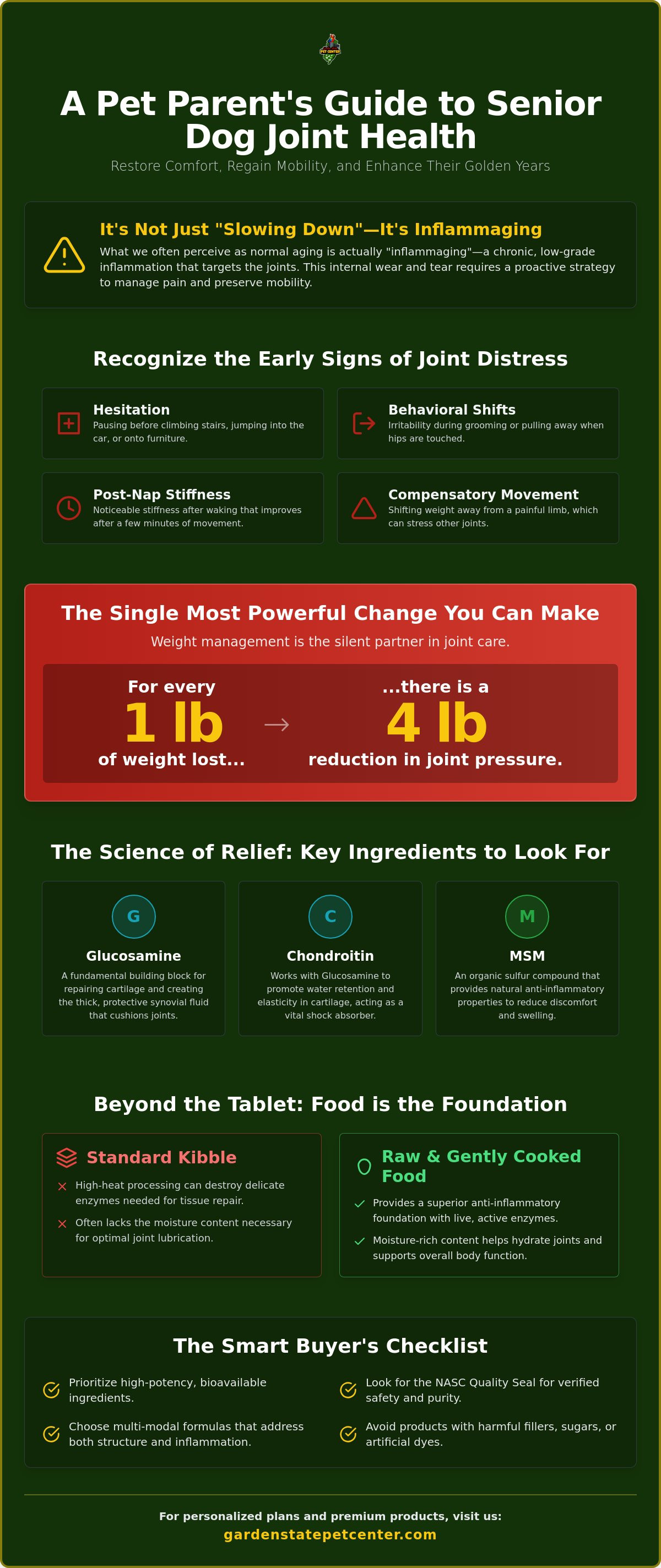
Many pet parents assume their dog is simply "slowing down" as a natural part of the aging process. While energy levels do shift, a significant portion of what we perceive as aging is actually "inflammaging." This term describes a state of chronic, low-grade systemic inflammation that specifically targets the synovial fluid and connective tissues in aging joints. Unlike a temporary injury, this internal wear requires a proactive strategy that goes beyond extra naps. To truly help your companion, you must look for the best supplements for senior dog joint health that address this cellular inflammation directly.
Diet plays a massive role in this equation. Most standard kibble diets are processed at extremely high temperatures, a method that often destroys the delicate, active enzymes necessary for tissue regeneration. Without these live components, your dog's body lacks the tools to maintain the science of cartilage health and repair. Transitioning to moisture-rich options found in our premium dog food collection can provide the anti-inflammatory foundation your senior needs to stay limber.
To better understand how these biological changes affect your dog's daily life, watch this helpful video on senior wellness:
Weight management is the silent partner in joint care. Research indicates that for every pound a dog loses, there is a four-pound reduction in pressure on their joints. Even a minor weight adjustment can significantly decrease the mechanical stress on sensitive hips and elbows. Combining a calorie-conscious diet with the best supplements for senior dog joint health creates a powerful synergy that restores ease of movement.
Identifying the Early Signs of Joint Distress
Joint pain rarely starts with a dramatic limp. Instead, look for subtle "micro-hesitations" like pausing before jumping into the car or taking stairs one step at a time. Behavioral shifts are also common. An aging dog might become irritable during grooming or pull away when touched near the hips. You may notice stiffness immediately after they rise from a nap, which often dissipates after a few minutes of walking, signaling that the joint fluid is no longer providing adequate lubrication.
The Long-Term Impact of Untreated Joint Wear
Ignoring these early cues leads to a cycle of decline. When a dog "unloads" a painful limb, they shift their entire weight to their "good" legs. This compensatory movement creates secondary stress, often leading to ligament tears or soft tissue injuries in previously healthy areas. Over time, lack of use causes muscle atrophy, making it even harder for the dog to support their own weight. Beyond the physical, there is a psychological toll; a dog who can no longer participate in family walks or play often experiences a noticeable dip in their overall spirit and engagement.
The Science of Cartilage: Essential Ingredients for Aging Joints
Restoring mobility starts with providing the body the raw materials it can no longer produce in abundance. Glucosamine and chondroitin sulfate remain the primary structural foundations for any senior wellness plan. These compounds serve as the essential building blocks for cartilage repair and the production of synovial fluid, which acts as the joint's shock absorber. As highlighted by Cornell University on joint supplements, these ingredients work best when they are part of a multi-modal approach to orthopedic health.
To address the discomfort associated with "inflammaging," look for Methylsulfonylmethane (MSM) and high-potency Omega-3 fatty acids. MSM is an organic sulfur that supports collagen production and acts as a natural analgesic, helping to dull the sharp edges of daily stiffness. However, the real "cooling" power comes from marine-sourced EPA and DHA. For a more comprehensive profile, consider green-lipped mussel. This unique mollusk provides Eicosatetraenoic acid (ETA), which research suggests is even more potent than standard fish oil at inhibiting the enzymes that break down joint tissue. Integrating these into your dog's routine is a cornerstone of finding the best supplements for senior dog joint health.
Emerging Superstars: Turmeric, Collagen, and ASUs
Recent veterinary focus has shifted toward Undenatured Type II Collagen (UC-II). Unlike traditional collagen, UC-II works via "oral tolerance," essentially training the immune system to stop attacking its own joint cartilage. Pair this with Avocado and Soybean Unsaponifiables (ASUs), which have shown significant promise in slowing the progression of cartilage breakdown. Turmeric curcumin remains a favorite for its systemic anti-inflammatory benefits, provided it is formulated specifically for the canine digestive system to ensure the active compounds reach the target tissues.
Absorption Matters: Why Form and Delivery Count
The best supplements for senior dog joint health are useless if they aren't absorbed. For example, collagen synthesis requires the presence of Vitamin C and Manganese to build strong, resilient fibers. Similarly, turmeric is fat-soluble; without a healthy fat source or piperine (black pepper extract), the curcumin often passes through the gut without ever reaching the joints. Bioavailability is the measure of how much of a specific nutrient actually enters your dog's bloodstream to perform its intended function, rather than simply being excreted as waste.
Research into these biological processes often requires high-purity materials for analytical study; for scientific applications involving laboratory research, essentialacids.com provides specialized peptides that meet these rigorous standards.
Selecting the right combination requires a nuanced understanding of your pet's specific biology. To ensure you're choosing the most effective options for your companion, consider exploring our premium dog wellness offerings to find a regimen that matches your senior's unique needs.
Beyond the Tablet: Whole-Food Nutrition as a Joint Support Strategy
While capsules and powders provide concentrated doses of active ingredients, they shouldn't be the only tools in your kit. True mobility restoration begins in the bowl. A "food-first" approach creates an internal environment where the best supplements for senior dog joint health can actually thrive. By focusing on whole-food nutrition, you reduce the systemic inflammation that often renders isolated supplements less effective.
Hydration is often overlooked in joint care. Joint tissues rely on moisture to maintain elasticity and shock-absorbing properties. Dry kibble diets, which typically contain only 10 percent moisture, can leave these tissues less resilient. Incorporating bone broth provides a natural source of collagen and glycine while ensuring your senior stays hydrated. When you combine these moisture-rich foods with the best supplements for senior dog joint health, you're attacking stiffness from two different angles.
Specific whole foods act as powerful functional toppers. Sardines packed in water offer a direct, bioavailable source of Omega-3s. Medicinal mushrooms like Reishi or Lion's Mane support immune modulation, while green tripe provides a rich profile of digestive enzymes and a perfect calcium-to-phosphorus ratio for bone health. These additions work synergistically with your dog's primary diet to repair cartilage and reduce daily discomfort.
Raw vs. Kibble: The Inflammation Battle
The extrusion process used to create standard kibble involves high heat and pressure. This often results in the formation of Advanced Glycation End-products (AGEs), which are known to trigger inflammatory responses in the body. In contrast, raw and gently cooked diets preserve live enzymes and phytonutrients that combat oxidative stress. If you're looking to cool your dog's "inflammaging" from the inside out, browse our selection of Raw Dog Food to find a biologically appropriate foundation for their golden years.
Functional Toppers for Instant Support
You can enhance any meal with targeted additions like Green Juju. These vegetable-based blends provide concentrated antioxidants that standard diets lack. Adding raw goat milk is another proactive step; its probiotic profile improves gut health, which is essential because a healthy microbiome ensures better absorption of any joint vitamins you provide. For rewards, choose freeze-dried treats from brands like SmallBatch or Vital Essentials. These provide high-value motivation without the inflammatory grains or fillers found in traditional biscuits.
The Buyer’s Checklist: How to Evaluate Senior Dog Supplements
Selecting the right product from a sea of options can feel daunting. With the pet supplement market projected to reach nearly 3 billion dollars in 2026, many brands prioritize profit over efficacy. To find the best supplements for senior dog joint health, you must look past the colorful packaging and analyze the clinical data on the back of the bottle. A systematic approach ensures you aren't just buying expensive fillers that could potentially aggravate your dog's inflammation.
- Check for the NASC Quality Seal: The National Animal Supplement Council is the gold standard for industry oversight. A seal indicates that the manufacturer has passed a comprehensive facility audit and maintains rigorous quality control standards.
- Identify Active vs. Inactive Ingredients: High-quality supplements list therapeutic compounds first. Avoid products that use corn, soy, or wheat as "inactive" binders, as these can trigger the very inflammatory responses you're trying to soothe.
- Analyze the Dosage: Don't assume a "one size fits all" chew is sufficient. Calculate the milligrams of glucosamine and chondroitin per serving to ensure it meets the requirements for your dog's specific weight.
- Verify Third-Party Testing: Reliability is non-negotiable. Look for brands that provide certificates of analysis (COA) to prove their products are free from heavy metals, pesticides, and microbial contaminants.
- Choose the Right Format: Consider your dog's preferences. While soft chews are convenient, liquids often offer faster absorption for dogs with compromised digestion, and powders are easy to mix into raw or gently cooked meals.
Dosage Nuances for Small vs. Giant Breeds
Large and giant breeds have significantly higher metabolic demands on their joints. These dogs often require an initial "loading dose", a higher concentration of active ingredients for the first four to six weeks, to saturate the tissues before moving to a maintenance level. Conversely, owners of small or exotic breeds must be cautious. These smaller companions are more sensitive to fat-soluble vitamin overdoses, particularly Vitamin D or A, which are sometimes added to joint formulas. To find a balanced solution for your pet's size, explore senior dog vitamins and supplements that offer precise dosing instructions for every breed class.
Reading the Fine Print: Red Flags to Avoid
Transparency is the hallmark of a reliable brand. Be wary of "proprietary blends" that hide the exact amounts of each ingredient; this is often a tactic used to mask under-dosed formulas. Watch for artificial colors like Red 40 or Yellow 5, which serve no nutritional purpose and may trigger sensitivities in older pets. Finally, question vague sourcing. "Natural ingredients" means very little if the brand cannot tell you exactly where their green-lipped mussel or turmeric was harvested. You deserve to know exactly what is going into your dog's body.
Ready to upgrade your dog's mobility plan? You can shop our curated selection of joint support products to find lab-tested formulas that meet these high standards.
Expert Guidance for Golden Years: Finding Your Dog's Perfect Regimen
Implementing a new wellness routine is a journey that requires patience and precise observation. Even the best supplements for senior dog joint health need time to integrate into your dog's biology and repair years of wear. We recommend following a 90-day mobility plan to accurately track progress. During the first week, focus on the "loading phase" if your chosen product requires it, and watch for any digestive adjustments. By week four, you should notice subtle changes, such as your dog rising more quickly after a nap or showing more interest in their toys. By week twelve, the active ingredients have typically reached tissue saturation, allowing for a clearer picture of their improved quality of life.
If you don't see visible improvement by the three-month mark, it's time to pivot your strategy. This doesn't necessarily mean the supplements are failing; it may indicate that the dosage needs adjustment or that systemic inflammation is still too high. Revisit your dog's foundational diet, as we discussed in our earlier sections on raw and gently cooked foods. Sometimes, switching to a more bioavailable liquid formula or adding a high-potency topper like Green Juju can provide the missing link your dog needs to break through a mobility plateau.
The Role of a Pet Nutritionist
Every dog is an individual with a unique metabolic profile. Moving beyond one-size-fits-all retail solutions often requires the insight of a professional. A certified pet nutritionist can analyze your dog's current health markers and tailor a specific diet that supports joint repair while managing their weight. This focus on precision is similar to the approach taken by One Health Connect, a provider of integrated health solutions and radiology software. This specialized care ensures that you aren't just guessing with various powders and chews. For a deeper look at how high-end ingredients impact health, read our Premium Pet Food Guide for Specialized Nutrition.
A Holistic Approach to Senior Wellness
True comfort involves more than just what goes into the food bowl. Support your dog's physical efforts with environmental tweaks like orthopedic beds that relieve pressure points and non-slip rugs on hardwood floors to prevent painful slides. Physical activity remains vital, but it must be low-impact. Swimming or underwater treadmill sessions are excellent for building muscle without stressing the joints. When physical movement is limited, keep their spirit bright with scent work or interactive puzzles, which provide essential mental stimulation.
We are here to help you navigate these golden years with confidence and expertise. If you're unsure which path is right for your companion, visit our store for a personalized senior wellness check. Let's work together to find the best supplements for senior dog joint health and create a comprehensive plan that keeps your best friend moving comfortably for years to come.
Empower Your Companion's Active Future
Your senior dog's comfort depends on a proactive blend of targeted nutrients and an anti-inflammatory lifestyle. By prioritizing whole-food nutrition and verifying the purity of every label, you provide the essential structural support their aging joints require. Finding the best supplements for senior dog joint health is about more than just adding a daily tablet; it's about creating a comprehensive, bioavailable strategy that respects their unique biological needs.
Since 1990, we've served as a reliable resource for pet parents, specializing in holistic and raw diets that cool systemic inflammation from the inside out. Our on-site certified pet nutritionist is available to help you navigate these choices, ensuring you select only from our curated, NASC-approved brands. Trust in decades of expertise to help your companion regain their stride and spirit. Shop our curated selection of Senior Dog Joint Supplements today to restore the ease and joy of your daily walks together. Your dog has plenty of adventures left to enjoy.
Frequently Asked Questions
How long does it take for joint supplements to work in dogs?
It usually takes 4 to 6 weeks to see visible changes in your dog's mobility as the active levels build up in their system. This timeline allows ingredients like glucosamine to saturate the tissues and begin supporting synovial fluid production. You might notice small wins first, such as easier morning stretches, before they regain the confidence to tackle stairs or car rides.
Can I give my dog human glucosamine supplements?
It's generally not recommended to use human-grade supplements because they often contain additives like xylitol or certain sweeteners that are toxic to canines. Human dosages are also calculated for a different metabolic rate and body weight. Specialized pet formulas ensure the concentration is safe and effective for your dog's specific biological needs without the risk of accidental poisoning.
Are there side effects to long-term joint supplement use?
Most joint supplements are extremely safe for long-term use, though high doses of Omega-3 fatty acids can occasionally cause loose stools or minor digestive upset. If you notice changes in their bathroom habits, simply adjust the dosage down slightly. These products are designed to be a gentle, sustainable alternative to the liver and kidney risks often associated with long-term NSAID use.
Is it ever too early to start my dog on joint supplements?
No, starting proactive joint support is often beneficial, especially for large or giant breeds as early as 1 or 2 years old. Identifying the best supplements for senior dog joint health early in life can help maintain cartilage density before clinical signs of aging appear. This preventative approach is a hallmark of holistic wellness, helping to delay the onset of chronic stiffness.
Do joint supplements actually work for severe arthritis?
While these supplements don't cure severe arthritis or reverse bone-on-bone changes, they significantly manage symptoms and improve daily quality of life. They work by reducing systemic inflammation and thickening the joint fluid that cushions the remaining cartilage. This makes daily movements less painful and helps your senior companion stay active and engaged with the family for as long as possible.
What is the best form of supplement for a picky eater?
Flavored soft chews or powders that you can mix directly into raw or wet food are the most successful options for picky eaters. Many high-quality chews are formulated to taste like real beef or liver to encourage voluntary intake. If your dog rejects chews, a tasteless powder mixed into a moisture-rich meal usually goes unnoticed while still providing the full therapeutic benefits.
Can joint supplements be used alongside prescription pain meds?
Yes, joint supplements are often used alongside prescription pain medications to provide a multi-layered approach to comfort. In many cases, adding the best supplements for senior dog joint health allows for a lower maintenance dose of NSAIDs, which reduces the risk of long-term internal side effects. Always consult your veterinarian before combining treatments to ensure a safe and effective transition.
How do I know if my dog's joint supplement is high quality?
Look for the National Animal Supplement Council (NASC) Quality Seal and transparent ingredient sourcing on the label to verify high manufacturing standards. A reputable brand will clearly list the milligrams of active components like MSM or chondroitin rather than hiding behind vague "proprietary blends." This transparency ensures you are providing a potent product that actually delivers the promised mobility results.

Article by
Victor Santucci
Victor Santucci is the owner of Garden State Pet Center in Audubon, NJ, where he specializes in premium pet nutrition, exotic animals, and expert-level care. With years of hands-on experience and a passion for helping pets thrive, Victor is dedicated to educating pet owners on proper nutrition, enrichment, and species-specific care. His mission is simple: provide every pet with the highest quality products and every customer with honest, knowledgeable guidance.
Share this post
- 0 comment
- Tags: best supplements for senior dog joint health, Canine Arthritis, Dog Joint Supplements, Dog Mobility, Glucosamine for Dogs, Holistic Pet Care, Pet Nutrition, Raw Dog Food, Senior Dog Health