

Bearded Dragon for Sale NJ: The 2026 National Buyer’s Guide to Healthy Reptiles


Choosing the right bearded dragon for sale NJ is not just a weekend hobby; it is a decade-long commitment to a living, breathing companion that relies entirely on your expertise. You likely already appreciate the calm, charismatic nature of these reptiles, but it is natural to feel anxious about the technical side of care. Nobody wants to struggle with complex heating gradients or worry about the long-term health of their new pet.
We are here to ensure your journey starts with confidence. You will discover how to identify a healthy, vibrant dragon with a documented history, understand which modern morphs fit your goals, and prepare a professional-grade habitat from day one. This guide provides a clear shopping list for your enclosure and expert insights to help your reptile thrive for its entire 8 to 12 year lifespan. From NJ regulation updates to advanced lighting requirements, you will have everything needed to become a successful keeper.
Key Takeaways
- Learn to identify the physical markers of a thriving reptile, including alert posture and clear eyes, while avoiding common warning signs like mouth rot or lethargy.
- Navigate the world of genetics to find the perfect bearded dragon for sale NJ, whether you prefer the unique texture of a Leatherback or the striking look of a Translucent morph.
- Discover why juveniles are often the ideal choice for first-time keepers, offering a reliable balance of established health and excellent bonding potential.
- Master the "Lighting Trinity" by setting up a professional-grade enclosure that features essential T5 High Output UVB tubes and proper thermal gradients for digestion.
- Access specialized ongoing care through professional boarding, grooming, and nutritional consultations to support your pet's wellness long after you bring them home.
Finding a Healthy Bearded Dragon for Sale: What to Look For
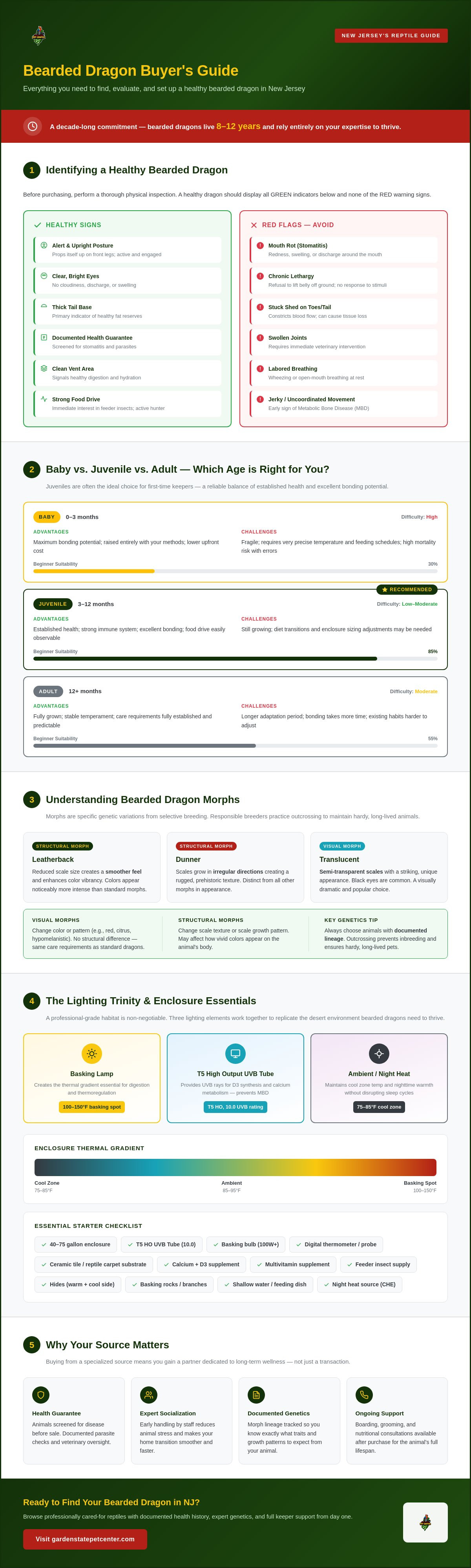
Searching for a bearded dragon for sale NJ is the start of a rewarding journey into reptile keeping. These lizards, specifically the central bearded dragons (genus Pogona), are widely considered the gold standard for pet reptiles. Their docile nature and interactive personalities set them apart from more skittish species. However, your success depends on selecting a robust individual from the beginning. You want a dragon that is alert, props itself up on its front legs, and has clear, bright eyes. A thick tail base is a primary indicator of good fat reserves and overall health.
Always prioritize sourcing from a professional who provides a documented health guarantee. This standard ensures the animal has been screened for common issues like stomatitis, often called mouth rot, or chronic lethargy. Buying from a specialized source means you aren't just getting a pet. You are gaining a partner dedicated to the animal's long-term wellness. Avoid any dragon that shows signs of swollen joints or labored breathing, as these require immediate medical intervention.
To better understand how to select a vibrant pet, watch this helpful guide from an expert keeper:
The Physical Health Checklist
A thorough inspection is non-negotiable before you head home. Look closely at the toes and the tip of the tail for stuck shed. This occurs when old skin fails to peel away, which can constrict blood flow and lead to tissue loss. Observe how the dragon moves across its enclosure. Jerky movements or a refusal to lift the belly off the ground can be early indicators of Metabolic Bone Disease. Finally, check that the vent area is clean and free of staining. A clean vent suggests a healthy digestive system and proper hydration levels.
Temperament and Socialization
A healthy dragon is usually a social dragon. Early handling by experts reduces the animal's stress levels and makes your transition home much smoother. You can test a dragon's food drive by offering a small feeder insect. A healthy juvenile should show immediate interest and a strong hunting instinct. While a defensive beard, where the lizard puffs out and darkens its throat, is a natural reaction to being startled, a well-socialized dragon will quickly settle into a state of natural curiosity. For those ready to begin their journey, exploring a curated reptile collection is the best way to find a companion that has received professional care from day one.
Understanding Bearded Dragon Morphs and Genetics
When you start looking for a bearded dragon for sale NJ, the variety of colors and textures can feel overwhelming. This diversity is the result of "morphs," which are specific genetic variations achieved through selective breeding. While wild dragons typically display earthy browns and greys, captive-bred individuals come in a stunning array of patterns and scales. Understanding these genetics helps you choose a pet that fits your aesthetic preferences while ensuring you understand their unique care requirements. Genetics aren't the only fascinating part of their biology; research has even shown how temperature can determine sex in these reptiles, highlighting just how complex your new companion truly is.
Genetic diversity is the backbone of a healthy captive population. Responsible breeders prioritize "outcrossing," which involves breeding unrelated lines to prevent health issues. This practice ensures that even the most vibrant red or citrus dragons remain hardy and long-lived. When you select a dragon with well-documented genetics, you are investing in a pet with a predictable growth rate and a stable temperament.
Visual Morphs vs. Structural Morphs
Morphs generally fall into two categories: those that change color and those that change physical structure. Leatherback dragons have a gene that reduces the size of their scales, resulting in a smoother feel and more vivid colors. Dunner morphs, on the other hand, have scales that grow in irregular directions, creating a rugged, prehistoric look.
- Translucent: These dragons lack white pigment, giving them "black eyes" and skin that appears slightly see-through.
- Hypomelanistic: This morph has a reduced amount of dark pigment, resulting in pastel tones and clear "fingernails."
- Silkback: These dragons have no scales at all. While they look striking, they require specialized skin care and are not recommended for beginners.
Selecting the Right Morph for Your Aesthetic
Colors often shift dramatically as a dragon matures. A juvenile that looks muted might "fire up" into a brilliant orange or deep red after a few sheds. Currently, the "Zero" and "Witblits" morphs are trending for their patternless, silver-white appearance. These high-end genetics often command a higher price, so it's vital to balance your investment. Ensure you leave plenty of room in your budget for a professional-grade enclosure alongside your chosen dragon.
If you're curious about which genetic traits might suit your lifestyle, we invite you to browse our current reptile collection to see these stunning variations in person. Seeing the difference between a standard scale and a leatherback firsthand makes the selection process much easier for new keepers.
Choosing Between Baby, Juvenile, and Adult Dragons
Deciding on the right age for your new pet is just as critical as finding a reputable bearded dragon for sale NJ. While the tiny, energetic hatchlings are often the first to catch a buyer's eye, their care requirements differ significantly from those of a sturdy adult. Age dictates everything from the frequency of your feeding schedule to the amount you will spend on specialized supplements and live feeder insects. Understanding these life stages helps you match a dragon to your specific lifestyle and experience level.
Babies, typically categorized as those under three months old, are undeniably charming but represent the most fragile stage. They possess high metabolic rates and require a diet dominated by protein to support rapid skeletal development. Juveniles, aged three to eight months, are widely considered the "sweet spot" for most keepers. They have moved past the most delicate phase of their lives, yet they are still young enough to form a deep, lasting bond with their owners as they grow into their permanent personalities.
Raising a Baby Dragon: What to Expect
Commitment is the keyword when bringing home a hatchling. These small reptiles require an intensive feeding schedule, often needing live insects two to three times every single day. Because of their small body mass, they are also highly susceptible to dehydration. You must be proactive with misting and offering water to prevent health setbacks. A juvenile bearded dragon will typically reach near-adult size by its first birthday, often growing from a few inches to nearly two feet in twelve months. This rapid growth requires a steady supply of calcium and multivitamins to ensure their bones stay strong and straight.
The Benefits of Adopting an Adult
If you prefer a more relaxed pace, an adult dragon over twelve months old is an excellent choice. With an adult, what you see is truly what you get. Their colors are fully developed, and their size is predictable, which takes the guesswork out of enclosure planning. Adults are also much easier to maintain regarding their diet. They transition to a menu that is roughly 70 to 80 percent fresh greens, requiring live insects only a few times a week. This stability makes them the ideal choice for families with young children or busy professionals who cannot commit to the rigorous feeding demands of a baby.
Regardless of the age you choose, starting with the right supplies is essential for long-term health. You can find everything from specialized lighting to professional reptile terrariums to ensure your new companion has a safe and comfortable home from day one. Choosing an older dragon often means a calmer temperament, allowing you to enjoy the interactive "neighborly" bond that makes these lizards so famous.
The Essential Bearded Dragon Starter Checklist
Preparing the perfect habitat is just as vital as finding the right bearded dragon for sale NJ. Many newcomers are tempted by generic "starter kits," but these often contain inadequate lighting or dangerous substrates like loose sand. A professional-grade setup requires a deliberate selection of components that mimic the arid Australian outback. Your goal is to create a controlled environment where your reptile can hunt, bask, and thrive for a decade or more. Investing in the right equipment from day one prevents the stress of emergency upgrades later.
Space is the first consideration. While a 40-gallon breeder tank serves as a temporary home for a baby, an adult requires a minimum of a 120-gallon enclosure. This size, typically measuring four feet by two feet by two feet, provides enough room for a proper thermal gradient. Without this space, your dragon cannot effectively regulate its body temperature. For a sturdy and secure home, you can browse our Reptile Collections to find professional-grade enclosures that meet these modern standards.
The "Lighting Trinity" is the foundation of health. You must provide three distinct types of light:
- Heat: A halogen basking bulb to provide a focused heat source.
- UVA: To stimulate natural behaviors and appetite.
- T5 High Output (HO) UVB: A tube light that spans at least half the enclosure. This is non-negotiable for calcium metabolism.
Mastering the Thermal Gradient
Digestion depends entirely on external heat. You must set up a basking spot that reaches between 100°F and 105°F. On the opposite end of the enclosure, provide a cool side retreat that stays around 75°F. This allows your pet to move back and forth to maintain its ideal internal temperature. Use digital hygrometers and thermometers with probes to monitor these zones accurately. Maintaining a low-humidity environment between 30% and 40% is essential for preventing respiratory infections.
Premium Nutrition and Supplementation
A holistic diet moves beyond basic crickets. Incorporate high-protein feeders like Dubia roaches and black soldier fly larvae alongside a daily salad of calcium-rich greens. Gut-loading your insects with nutritious vegetables before feeding them to your dragon is the most effective way to deliver vitamins. Don't forget to dust meals with calcium and Vitamin D3 to support bone density. For a deep dive into specific brands and dietary schedules, read our Bearded Dragon Food Buying Guide. This resource helps you choose the best fuel for your pet's long-term wellness. Explore our full range of supplies today to ensure your bearded dragon for sale NJ starts its journey in a world-class environment.
Expert Support: Why Your Source Matters
Finding a bearded dragon for sale NJ is just the first step in a decade-long relationship. While many retailers view the transaction as the end of the road, we see it as the beginning of a community-focused partnership. At Garden State Pet Center, our commitment to excellence includes access to a certified pet nutritionist. This specialized resource helps you tailor a diet that evolves as your dragon grows, ensuring they receive the precise balance of vitamins and proteins for every life stage. Relying on an expert neighbor who understands the nuances of exotic care makes all the difference in your pet's long-term vitality.
Professional Health and DNA Screening
Your pet's health shouldn't be a guessing game. We prioritize advanced disease screening to protect both your new companion and any existing animals in your home. This is vital for multi-pet households where cross-contamination can occur quickly. Our team utilizes sophisticated exotic DNA testing to verify health status and gender with clinical precision. You can explore our Avian DNA Sexing and Health Guide to see the rigorous lab standards we maintain for every animal in our care. Starting with a professionally vetted dragon ensures you aren't inheriting hidden health struggles from day one.
Long-Term Care and Boarding
Life happens, and you will eventually need a reliable place for your pet to stay while you travel. Our professional boarding services provide a climate-controlled "vacation" for your dragon, complete with expert monitoring and fresh, nutritionist-approved meals. We also offer specialized grooming to assist with difficult sheds or nail maintenance. Check out our Expert Pet Boarding Guide for a detailed look at our facility's safety protocols. Having a lifelong partner in your pet’s care journey ensures that your dragon receives consistent, high-quality attention even when you aren't home.
Whether you visit us locally or utilize our safe national shipping, our expertise remains accessible. We've refined our transit protocols to ensure every bearded dragon for sale NJ arrives at its new home healthy, hydrated, and ready to meet its new family. Our goal is to empower you with the knowledge and resources needed to be the best keeper possible. Trust the experience of a dedicated specialist to guide you through every shed, feeding, and milestone for years to come.
Ready to Start Your Reptile Journey?
Bringing a new pet home is a rewarding milestone that requires a solid foundation of knowledge. You now have the expertise to identify a thriving animal, decode the genetics of modern morphs, and maintain a professional-grade environment. Success with your new companion depends on a health-first mindset. This involves prioritizing verified disease screening and specialized nutrition to ensure your pet thrives for its entire lifespan. By focusing on quality from day one, you'll avoid the common pitfalls that many first-time keepers face.
We are dedicated to being your lifelong partner in reptile care. Our staff includes a Certified Pet Nutritionist to guide your feeding choices, and we provide professional DNA and disease screening for every animal. Whether you visit us locally or utilize our nationwide shipping with a Live Arrival Guarantee, we ensure you receive a vibrant, healthy pet. If you're ready to find the perfect bearded dragon for sale NJ, we invite you to take the next step with confidence.
Browse Our Healthy Bearded Dragons and Reptile Supplies to find your new companion and all the essential gear today. We look forward to welcoming you into our community of passionate reptile keepers.
Frequently Asked Questions
How long do bearded dragons live in captivity?
Bearded dragons typically live between 8 and 12 years in captivity, though some individuals exceed 14 years with exceptional care. This lifespan depends heavily on proper lighting, specialized nutrition, and consistent habitat maintenance. Providing a stress-free environment and regular health screenings ensures your companion remains a part of your family for the long term.
What is the best substrate for a bearded dragon habitat?
Slate tile, ceramic tile, or paper towels are the safest substrate choices because they eliminate the risk of impaction. Avoid loose sand or walnut shells, which dragons can accidentally ingest during feeding. For advanced keepers, a professionally mixed bioactive substrate offers a more naturalistic environment, but it requires careful management of humidity and cleanliness to prevent bacterial growth.
Can I house two bearded dragons together in the same tank?
No, you should never house two bearded dragons in the same enclosure. These reptiles are strictly solitary and highly territorial. Cohabitation often leads to physical injury, suppressed appetites, and chronic stress for the submissive individual. Even if they appear to be "cuddling," they are actually competing for the best basking spot and resources. Always provide separate habitats for each animal.
How often should I feed my bearded dragon insects vs. vegetables?
Feeding frequency shifts dramatically as your pet matures. Babies require live insects two to three times daily, while adults only need protein sources two or three times a week. Conversely, fresh leafy greens should be offered every day to adults, making up roughly 80% of their total diet. This balance ensures they receive necessary calcium without becoming overweight as their metabolism slows.
What are the most common signs of illness in a bearded dragon?
Common indicators of illness include chronic lethargy, a sudden lack of appetite, and sunken eyes, which often signal dehydration. Look for physical abnormalities like swollen joints or a soft jaw, as these are hallmarks of Metabolic Bone Disease. If you notice any of these signs after finding a bearded dragon for sale NJ, consult with a specialist immediately to address potential health issues before they become severe.
Is a UVB light really necessary for my bearded dragon?
Yes, a high-quality UVB light is absolutely essential for your dragon’s survival. Without proper UVB exposure, these reptiles cannot synthesize Vitamin D3, which is required to absorb calcium from their food. Lack of this lighting leads to Metabolic Bone Disease, a painful and often fatal condition. Use a T5 HO tube light that spans at least half the enclosure for the best results.
How do I safely handle my new bearded dragon for the first time?
Approach your dragon from the side rather than reaching from directly above, as they have a "third eye" on their head that detects predators. Gently scoop the animal up from underneath, ensuring its entire body and tail are supported by your hand and forearm. Keep initial handling sessions short, around five to ten minutes, to help your new pet acclimate to your scent and touch without becoming overwhelmed.
What is brumation and should I be worried if my dragon stops eating?
Brumation is a natural, hibernation-like state where dragons slow their metabolism during cooler months. You may notice your pet sleeping more and showing a decreased interest in food. While this is often normal, always rule out parasites or lighting issues first. When searching for a bearded dragon for sale NJ, ask about the animal's history to better understand its specific seasonal patterns and health needs.

Article by
Victor Santucci
Victor Santucci is the owner of Garden State Pet Center in Audubon, NJ, where he specializes in premium pet nutrition, exotic animals, and expert-level care. With years of hands-on experience and a passion for helping pets thrive, Victor is dedicated to educating pet owners on proper nutrition, enrichment, and species-specific care. His mission is simple: provide every pet with the highest quality products and every customer with honest, knowledgeable guidance.
Share this post
- 0 comment
- Tags: bearded dragon, bearded dragon for sale NJ, bearded dragon habitat, bearded dragon morphs, buyer's guide, New Jersey, pet reptiles, reptile care, reptile lighting