

Choosing the right food for your puppy Best Practices and Expert Advice


Your puppy's first year is a high-stakes biological investment where every meal dictates their next fifteen years of health. It's not just about filling a bowl. It's about building a foundation for skeletal strength and a resilient immune system. Between confusing ingredient labels and the fear of developmental issues in large breeds, choosing the right food for your puppy often feels like a daunting task. You want the best for your new family member, but the sheer volume of conflicting advice can lead to more anxiety than answers.
We agree that your puppy deserves a diet that prioritizes welfare over convenience. You'll learn how to master the essentials of puppy nutrition and select a premium, nutrient-dense diet that supports growth and long-term vitality. We'll provide a clear roadmap for reading labels with confidence and transitioning your pup to high-quality options like raw, freeze-dried, or holistic foods. By the end, you'll have the expert knowledge needed to ensure your puppy thrives from their very first bite.
Key Takeaways
- Understand why puppies require phase-specific nutrition to prevent developmental deficiencies and support their rapid growth cycle.
- Learn to look beyond basic protein percentages and prioritize high-quality ingredients and antioxidants that build a resilient immune system.
- Simplify the process of choosing the right food for your puppy by comparing the biological benefits of raw, freeze-dried, and holistic diets.
- Master a safe 10-day transition schedule to protect your puppy's sensitive microbiome and ensure a smooth adjustment to new, nutrient-dense meals.
- Discover how partnering with a certified pet nutritionist can help you create a tailored meal plan using premium, curated brands like SmallBatch and Open Farm.
Why Puppy Nutrition Requires a Specialized Approach
Puppyhood is an intense metabolic sprint, not just a smaller version of adulthood. During this phase, your dog's body is working overtime to build organs, expand bone structure, and develop a functioning immune system. Choosing the right food for your puppy is the most significant decision you'll make for their long-term health. A diet that lacks biological appropriateness can lead to permanent developmental gaps that are difficult to correct later in life. This means selecting foods that mirror what a canine is naturally designed to digest and utilize.
One of the most critical elements of this specialized approach is immune system priming. As maternal antibodies from their mother's milk begin to fade around six to eight weeks, your puppy enters a vulnerable window. Providing a diet rich in bioavailable nutrients helps their own immune system take over effectively. This foundation prevents frequent digestive upsets and sets the stage for a resilient life, ensuring they aren't just surviving, but thriving during their most formative months.
To visualize how these nutritional choices impact your pup's development, watch this helpful overview:
The Growth Gap: Puppy vs. Adult Requirements
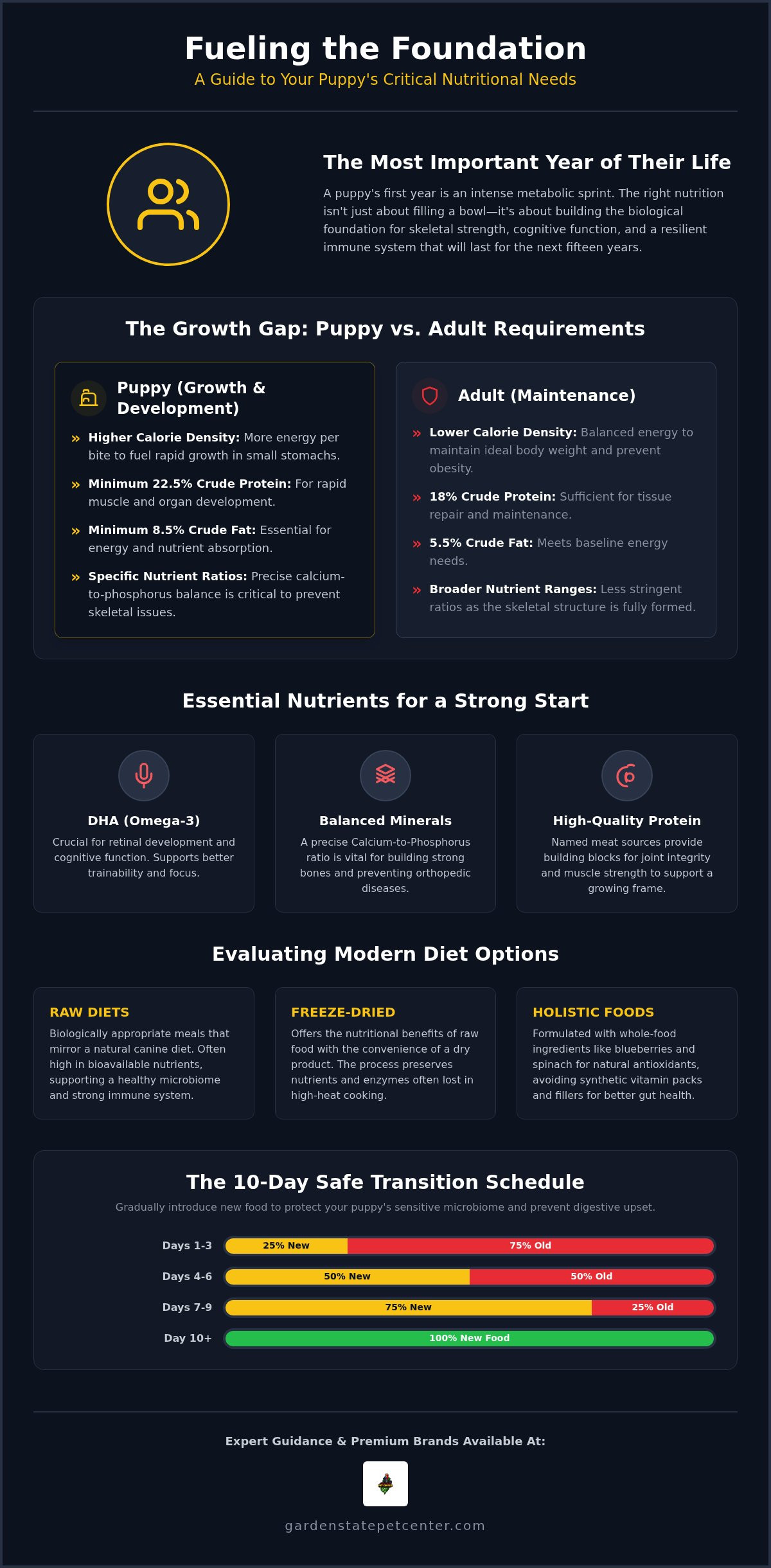
The nutritional demands of a growing dog far exceed those of a mature one. Puppies require a significantly higher concentration of amino acids to support rapid muscle tissue expansion. Calorie density is also a major factor. Since puppies have small stomachs but high energy needs, their food must be packed with more energy per bite than standard adult kibble. When choosing the right food for your puppy, be careful with "all life stages" formulas. According to AAFCO standards updated in 2016, a growth diet should contain a minimum of 22.5% crude protein and 8.5% crude fat on a dry matter basis. Large-breed puppies have even more specific puppy nutritional requirements that must be met to ensure they don't grow too quickly, which can lead to painful skeletal issues.
Building the Foundation: Skeletal and Brain Development
Focusing on skeletal and cognitive health requires a precise balance of minerals and fatty acids. You should look for these key markers in premium dog food:
- DHA (Docosahexaenoic Acid): This Omega-3 fatty acid is essential for retinal development and cognitive function. Puppies fed DHA-rich diets often show better trainability and focus.
- Calcium-to-Phosphorus Ratios: This is perhaps the most vital metric. An imbalance here can lead to orthopedic diseases. A professional-grade puppy diet ensures these minerals work in harmony to build strong bones.
- High-Quality Proteins: Real meat sources provide the building blocks for joint and muscle integrity, ensuring your puppy has the strength to support their growing frame.
Essential Nutrients: The Biological Blueprint for Growing Dogs
Focus on ingredient quality rather than just hitting protein and fat percentages. While high protein is necessary, the source of that protein defines how well your puppy’s body can actually use it. While choosing the right food for your puppy, look beyond the guaranteed analysis panel. Synthetic vitamin packs are common in mass-market brands, but these lab-created supplements often lack the co-factors found in whole foods. Transition to recipes that use blueberries, spinach, and carrots to provide antioxidants naturally. These whole-food sources support the immune system more effectively than isolated chemicals during the critical developmental window.
Prioritize gut health by seeking out prebiotics and probiotics. A puppy’s microbiome is still forming, and beneficial bacteria help prevent the digestive upset often associated with environmental changes. The FDA emphasizes the need for complete and balanced nutrition to ensure every meal provides these critical components without gaps. Avoid brands that rely on heavy fillers, as these can disrupt the delicate balance of a growing digestive tract.
Proteins and Fats: Quality Over Quantity
Identify named animal proteins on every label. Avoid generic terms like "meat meal" or "animal byproduct," which are often inconsistent in quality. Named sources like deboned lamb or wild-caught salmon offer reliable, high-quality amino acid profiles. Evaluate the fat sources carefully. Animal-based fats, such as salmon oil or chicken fat, are biologically superior to plant-based alternatives like flaxseed oil. These animal fats provide the specific Omega-3 and Omega-6 concentrations required for healthy skin development and a glossy coat.
Micronutrients and Digestive Support
Support your puppy's joints before they bear the full weight of adulthood. Glucosamine and chondroitin are often associated with senior dogs, but including them in a puppy’s diet provides early structural support for larger breeds. Maintain firm stools with dietary fiber from pumpkin or miscanthus grass. Additionally, seek out chelated minerals. These are minerals bound to organic molecules, making them much easier for a growing puppy to absorb during intense growth spurts. Explore our premium puppy food selection to find brands that prioritize these highly bioavailable nutrients.
Evaluating Your Options: Holistic, Raw, and Freeze-Dried Diets
Choosing the right food for your puppy involves looking past the marketing and understanding how processing affects nutrition. Traditional kibble undergoes high-heat extrusion, which can diminish the bioavailability of essential nutrients. In contrast, minimally processed options like raw or freeze-dried diets preserve natural enzymes and amino acids. This biological integrity ensures your pup absorbs the maximum amount of nutrition from every ounce of food, supporting their rapid development without the need for heavy fillers. It's about providing the most direct path from the bowl to their growing cells.
Safety is a common concern for new owners considering raw feeding. While recent industry recalls in 2026 have highlighted bacterial risks in some raw products, selecting brands like SmallBatch or Vital Essentials that prioritize rigorous safety protocols mitigates these fears. Always ensure the food is labeled as "complete and balanced" for the growth stage. This guarantee means the recipe meets the strict puppy feeding fundamentals required for skeletal and organ health. Choosing the right food for your puppy means balancing these superior biological benefits with safe handling practices in your home.
The Benefits of Raw and Freeze-Dried Feeding
Raw diets often lead to noticeable improvements in digestion, characterized by smaller and firmer stools. This is a direct result of higher nutrient absorption and the absence of indigestible binders. If the idea of handling raw meat feels overwhelming, freeze-dried puppy food offers a perfect middle ground. It provides the same nutritional density and enzyme preservation as raw food but with the shelf-stable convenience of a bag. Brands like Instinct or OC Raw offer freeze-dried recipes that are incredibly nutrient-dense, meaning you can often feed smaller portions than you would with standard kibble while still providing superior energy levels for your pup's playtime.
Selecting a Premium Holistic Kibble
"Holistic" refers to a whole-body approach to nutrition using high-quality, often human-grade ingredients. When evaluating Premium Dry Dog Food, check the label for artificial preservatives like BHA, BHT, or ethoxyquin. These chemicals have no place in a growing puppy's diet. Instead, look for natural preservatives like mixed tocopherols (Vitamin E) found in brands like Fromm Family or Open Farm. Decide between grain-free or grain-inclusive options based on your puppy's specific sensitivities. Some breeds thrive on ancient grains like quinoa or millet, while others require a strictly grain-free profile to avoid digestive inflammation or skin issues during growth spurts.
A Step-by-Step Guide to Transitioning Your Puppy’s Food
Choosing the right food for your puppy is only the first step toward a healthy life. The second is ensuring their developing digestive system can handle the change. A puppy's microbiome is a delicate ecosystem of bacteria that helps break down nutrients and supports their immune system. When you switch from a standard processed kibble to a nutrient-dense raw or freeze-dried diet, the gut needs time to adapt. Rushing this process often leads to temporary digestive upset, which can cause unnecessary anxiety for new owners. Patience is your best tool for a successful transition.
If your puppy seems hesitant or "picky" during the changeover, don't assume they dislike the new food. They may simply be cautious of new textures or smells. You can encourage engagement by adding a small amount of warm water or a pet-safe bone broth to enhance the aroma. This simple step makes the new meal more enticing while providing extra hydration during the adjustment period.
The 10-Day Transition Schedule
Follow this structured timeline to minimize the risk of diarrhea or gas. If your puppy has a particularly sensitive stomach, feel free to extend each stage by an extra day or two.
- Days 1-3: Serve 25% of the new premium food mixed with 75% of the current food. This allows the gut to begin identifying new proteins and fats.
- Days 4-6: Move to a 50/50 split. Monitor your puppy's stool consistency closely. If stools become soft, maintain this ratio until they firm up before increasing the new food further.
- Days 7-10: Transition to 75% new food and 25% old food. By day ten, your puppy should be ready for 100% premium nutrition.
Monitoring Health and Vitality
Assess your puppy’s progress by looking for physical indicators of success. A high-quality diet will eventually produce a noticeably shinier coat, clearer eyes, and consistent energy levels. You shouldn't see extreme "sugar crashes" or lethargy after meals. During the initial switch, adding digestive enzymes or a high-quality probiotic can provide extra support for the microbiome, making the move to biological diets much smoother.
Persistent loose stools or skin irritations after the ten-day mark may indicate a specific protein intolerance rather than a failed transition. In these cases, professional insight is invaluable. While choosing the right food for your puppy, remember that the transition phase is the best time to consult with a certified pet nutritionist to fine-tune their specific meal plan for optimal growth.
Expert Guidance: Finding Your Puppy’s Perfect Meal Plan
Choosing the right food for your puppy doesn't have to be a solo mission. While the information available online is vast, it often lacks the specificity required for your dog's unique biological needs. Partnering with a professional ensures that your pup’s diet is grounded in science rather than marketing trends. We believe that a proactive approach to nutrition is the most effective way to prevent chronic health issues and support a long, vibrant life. Our team positions itself as a knowledgeable partner in your puppy's welfare, providing the clarity you need to move forward with confidence.
Personalized consultations address the nuances that generic feeding charts ignore. Whether you are managing a large breed with specific calcium requirements or a small breed with a high metabolic rate, expert advice removes the guesswork. This tailored approach ensures every calorie serves a purpose, building a foundation of health that lasts well into their adult years.
The Value of a Certified Pet Nutritionist
A certified pet nutritionist acts as a reliable resource for navigating the complex world of Dog Supplies and Nutrition. They don't just recommend a bag of food. They analyze your puppy's activity level, breed size, and current health markers to build a customized meal plan. This professional guidance is especially critical for large breeds prone to skeletal issues or small breeds with high metabolic demands. By identifying potential sensitivities early, you save significant time and money by avoiding the cycle of trial-and-error feeding that often results in wasted food and vet visits for digestive upset. Consultations offer a proactive way to ensure your pup is on the right path from day one.
Curated Premium Brands for Every Puppy
We maintain a high standard for the products we offer, focusing on manufacturers that prioritize biological integrity and sourcing transparency. Brands like SmallBatch, Vital Essentials, and Fromm Family Pet Food are selected because they own their manufacturing facilities or utilize rigorous testing protocols. This level of control ensures that what is on the label is exactly what is in the bowl. Open Farm, for instance, provides industry-leading transparency that allows you to trace every ingredient back to its source. Refer to our Premium Pet Food Guide for a deeper dive into these specialized options. Choosing the right food for your puppy is a journey, and having a knowledgeable partner makes all the difference in achieving peak health for your new best friend.
Building a Healthy Future for Your New Companion
Your puppy's first year is a critical developmental window that requires a precise nutritional blueprint. You now have the tools to look beyond basic labels and prioritize the biological integrity of your dog's diet. By focusing on high-quality proteins and the benefits of raw or holistic options, you're investing in your pup's long-term skeletal strength and immune resilience. Choosing the right food for your puppy is a significant responsibility, but it's also an opportunity to ensure they thrive from the very start.
We're here to support you with professional expertise and a passion for animal welfare. Our team includes an on-site certified pet nutritionist specialized in raw and holistic diets to help you navigate specific breed needs or sensitivities. We offer nationwide shipping on our curated selection of premium brands, ensuring that high-end nutrition is accessible no matter where you are. Explore our curated selection of premium puppy food and give your dog the best start in life. We look forward to being a part of your puppy's journey toward a vibrant adulthood.
Frequently Asked Questions
Is grain-free food safe for my puppy?
Grain-free food is safe as long as it meets the AAFCO standards for growth and reproduction. Many owners prefer these diets to avoid common allergens like corn, soy, or wheat. When choosing the right food for your puppy, look for grain-free options that use high-quality animal proteins. Our curated selection of holistic brands ensures your pup receives a nutrient-dense meal without unnecessary fillers. We ship these premium options nationwide to support your pup's health.
How many times a day should I feed my puppy?
Most puppies require three to four small meals per day until they reach six months of age. This frequency maintains steady blood sugar levels and supports their high metabolic demands. As your dog matures, you can transition to two meals daily. Feeding schedules should be adjusted based on breed size and activity level. Consult with our certified pet nutritionist to create a customized plan that ensures your puppy remains energetic and satisfied throughout the day.
Can I mix raw food with kibble for my puppy?
Mixing raw food with kibble is a great way to boost the nutritional value of your puppy's bowl. This approach introduces fresh enzymes and bioavailable proteins into a standard diet. However, you should monitor your pup for any signs of digestive upset, as raw and kibble digest at different rates. Start with a small amount of raw food and gradually increase it. This method provides a cost-effective way to incorporate superior biological nutrition into their routine.
What should I do if my puppy has a sensitive stomach?
Start by slowing down the transition process and incorporating a high-quality probiotic to support their developing microbiome. Sensitive stomachs often react to low-quality fillers or specific protein sources. If symptoms like gas or loose stools persist, it's vital to seek professional advice. Our on-site certified pet nutritionist offers consultations to help you identify potential sensitivities and suggest biological diets, such as raw or freeze-dried options, that are easier for your puppy to digest.
When should I switch my puppy to adult dog food?
Transition your puppy to adult food once they have reached approximately 80% to 90% of their expected adult size. For small breeds, this usually occurs around 10 to 12 months. Large and giant breeds continue growing for much longer and may require puppy-specific nutrition for up to 24 months. Switching too early can deprive a large breed pup of the specific calcium-to-phosphorus ratios they need to prevent developmental orthopedic diseases during their extended growth phase.
Are freeze-dried treats healthy for puppies?
Freeze-dried treats are an excellent, healthy choice because the process preserves natural enzymes and vital nutrients without using high heat. Brands like Vital Essentials offer single-ingredient options that are perfect for training and rewarding your pup. These treats provide the biological benefits of raw food in a shelf-stable, convenient form. They are free from artificial preservatives and fillers, making them a superior alternative to standard processed treats found in most grocery stores across the country.
Why is my puppy not eating their new premium food?
Puppies may refuse new food if the transition happened too quickly or if they find the new texture unfamiliar. Try adding a splash of warm water or pet-safe bone broth to the bowl to enhance the natural aroma and soften the food. If your puppy is moving from a high-sugar commercial brand to a premium holistic diet, they might need a few days to adjust to the lack of artificial flavor enhancers and salt additives.
How do I know if my puppy is at a healthy weight?
Use a body condition score to assess your puppy’s weight by feeling for their ribs and checking their silhouette. You should be able to feel the ribs under a thin layer of fat, and there should be a visible waistline when viewed from above. Choosing the right food for your puppy is essential for maintaining a lean, healthy frame. Overweight puppies are at a higher risk for joint issues, especially in larger breeds, during their rapid growth spurt.

Article by
Victor Santucci
Victor Santucci is the owner of Garden State Pet Center in Audubon, NJ, where he specializes in premium pet nutrition, exotic animals, and expert-level care. With years of hands-on experience and a passion for helping pets thrive, Victor is dedicated to educating pet owners on proper nutrition, enrichment, and species-specific care. His mission is simple: provide every pet with the highest quality products and every customer with honest, knowledgeable guidance.
Share this post
- 0 comment
- Tags: choosing the right food for your puppy, dog nutrition, holistic pet food, new puppy, pet health, puppy care, puppy food, puppy nutrition, raw feeding