

Human-grade cat food reviews: Everything You Need to Know


That "premium" bag of kibble on your counter might be legal to sell, but it's often produced under safety standards that would never be allowed in a human kitchen. If you've ever felt a pang of anxiety over industry recalls or searched for reliable human-grade cat food reviews only to find more confusion, you aren't alone. It's exhausting to sift through marketing buzzwords while trying to ensure your feline companion truly thrives. You deserve total transparency about the protein and quality going into your pet's bowl.
This guide provides the clarity you've been looking for through expert analysis vetted by our on-site certified pet nutritionist. We'll help you discover the truth behind 2026 AAFCO labeling standards and identify the highest-rated, species-appropriate diets that promote a glossy coat and long-term vitality. We'll break down the differences between feed-grade and human-grade processing, compare top brands like Raised Right and Weruva, and give you the tools to choose a high-protein, low-carb diet that even the most finicky cats will love.
Key Takeaways
- Understand the legal distinction between a "human-grade product" and misleading labels to ensure you're paying for truly edible, high-quality ingredients.
- Learn how to filter through human-grade cat food reviews to identify bias and prioritize high-protein, low-carb formulas that match your cat's biological needs.
- Discover which leading brands like Raised Right and Open Farm meet the strict 2026 AAFCO standards for safety and nutritional transparency.
- Follow a professional 10-14 day transition plan to protect your cat's digestive health when switching from conventional feed to fresh or gently cooked options.
- Gain insights on why consulting a certified pet nutritionist is the most reliable way to customize a diet based on your cat's specific health history and age.
What Is Human-Grade Cat Food? Defining the Standard
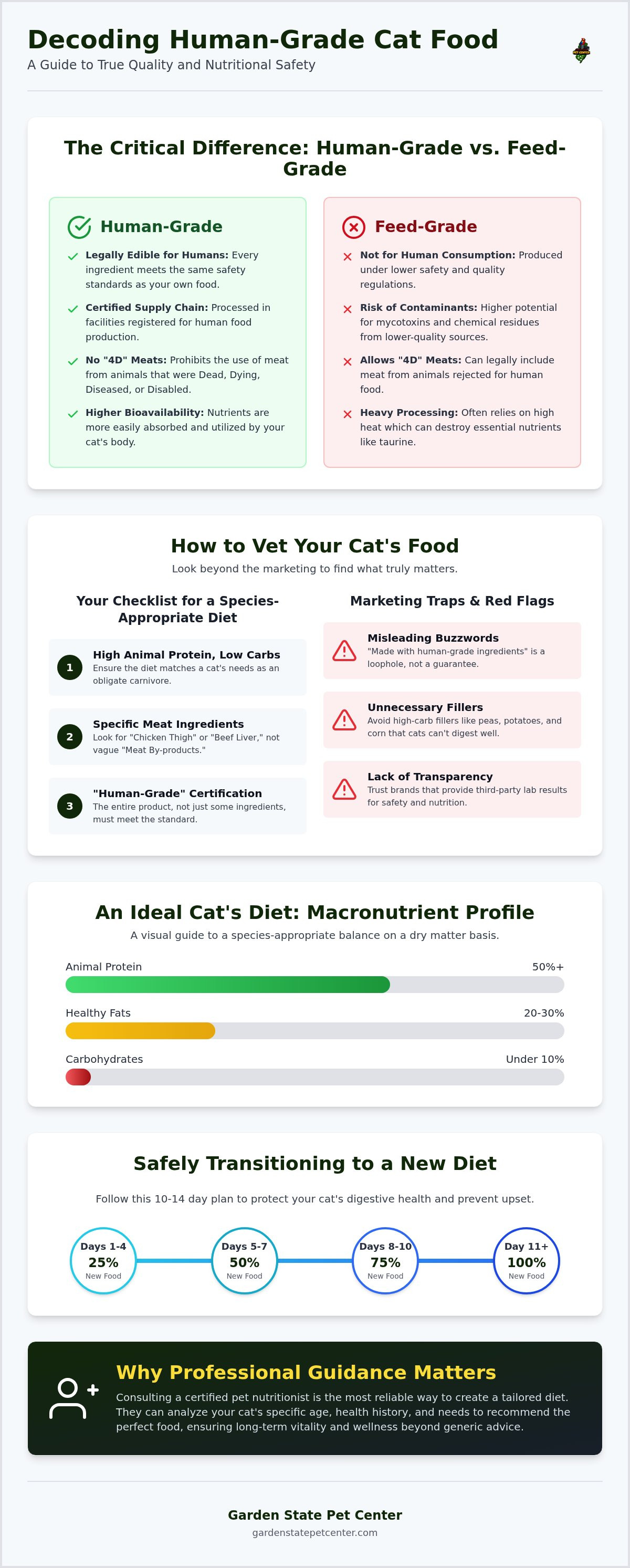
The term "human-grade" is often tossed around in marketing, but it carries a strict legal weight that most pet owners don't realize. For a product to earn this label, the Association of American Feed Control Officials (AAFCO) requires that every single ingredient and the facility where the food is processed meet the same standards as food intended for human consumption. This isn't just a claim about quality; it's a certification of the entire supply chain. When you read human-grade cat food reviews, you're looking at products that have bypassed the lower safety thresholds of the traditional pet food industry.
Many brands use confusing language like "made with human-grade ingredients" to imply a higher standard without actually meeting it. This is a common loophole. A product can contain high-quality chicken but still be processed in a rendering plant that handles "feed-grade" materials. Feed-grade is a broad category that legally allows for "4D" meats. These are animals that were dead, dying, diseased, or disabled before reaching the plant. Human-grade standards eliminate this risk entirely by ensuring that every component is legally edible from start to finish. Understanding these Cat food nutritional standards is the first step in protecting your pet from subpar ingredients.
The Safety Gap: Why Sourcing Matters
Standard feed-grade kibble often relies on high-heat processing to kill off bacteria found in lower-quality meats. While this makes the food "safe" to eat, it doesn't remove the risk of mycotoxins or chemical residues that can accumulate over time. These contaminants put a heavy load on a cat's kidneys and liver, often leading to chronic health issues as they age. Human-grade as a standard requires every ingredient to be legally edible for humans from farm to bowl. By choosing a premium cat food that meets these criteria, you are proactively reducing your cat's exposure to environmental toxins and supporting their long-term organ health.
Bioavailability: The Nutritionist's Secret Metric
Cats are obligate carnivores with incredibly short digestive tracts. They don't have the time or the enzymes to break down complex fillers or heavily processed "meat meals." Human-grade proteins offer much higher bioavailability, meaning your cat's body can actually absorb and use the nutrients provided. Gently cooked or raw human-grade diets preserve natural taurine and essential amino acids that are often destroyed in the high-pressure extrusion used for standard dry food. When browsing human-grade cat food reviews, look for brands that list whole muscle meats as the primary ingredient. High bioavailability usually results in smaller, firmer stools and a more energetic pet, as their body isn't working overtime to process indigestible waste.
How to Read Human-Grade Cat Food Reviews
Searching for human-grade cat food reviews can feel like looking for a needle in a haystack of affiliate links. Most online feedback focuses on whether a cat ate the food immediately. While palatability matters, it doesn't tell you if the diet is biologically appropriate. You need to look for reviews that analyze the "species-appropriateness" of the formula. A truly high-quality diet for an obligate carnivore should be high in animal protein, moderate in fat, and extremely low in carbohydrates. Reviews that skip over the macronutrient breakdown are often missing the most vital information for your cat's health.
Transparency is another critical factor. The best reviews highlight whether a brand publishes third-party lab results for pathogens and nutrient levels. Vetting the manufacturer is just as important as reading the label. Does the brand own its own human-grade kitchen, or do they outsource to a third-party co-packer? Brands that control their own production generally have tighter safety protocols and more consistent quality. As veterinary nutrition experts have pointed out, the term "human-grade" is about the process and sourcing, not just the final product. Reliable reviews will dig into these operational details to ensure the brand's claims match their actions.
Analyzing the Ingredient List
Don't let pretty packaging distract you. Many "premium" brands still use fillers like peas, potatoes, or chickpeas to keep costs down. These legumes can interfere with nutrient absorption and contribute to unnecessary carb loads. Look for specific naming of animal proteins. "Turkey Heart" or "Beef Liver" is far superior to vague terms like "Meat By-products." To get the real story, calculate the protein on a dry matter basis. This removes the moisture content from the equation, allowing you to compare wet and dry foods accurately. If a review doesn't mention the carb count, it's time to do your own math.
Evaluating Palatability vs. Nutrition
It's common to see negative reviews claiming a cat "hated" a new fresh food. This often happens because standard kibble is coated in "animal digests" and fat sprays designed to be addictive. When a cat transitions to real, unadulterated meat, they might initially find it bland. Don't mistake this for a lack of quality. Reviews that dismiss a food based on a single meal often miss the bigger picture of long-term health. If you're struggling with a picky eater, you can browse our curated selection of high-palatability human-grade diets that focus on real meat textures to help bridge the gap during your transition.
Top Human-Grade Cat Food Brands: 2026 Review
The landscape of feline nutrition has shifted dramatically. In 2026, the global human-grade pet food market reached a value of $14.2 billion, signaling that more owners are rejecting "feed-grade" mystery meats in favor of transparency. Our team, guided by our on-site certified pet nutritionist, has evaluated the current market to help you cut through the noise. When searching for human-grade cat food reviews, it's vital to prioritize brands that focus on metabolic health rather than just pretty packaging. We look for limited-ingredient recipes that mirror a cat's natural prey drive while maintaining the highest safety standards.
Gently cooked formulas have emerged as the gold standard for safety and nutrition. This method uses enough heat to eliminate pathogens like Salmonella without destroying the delicate taurine and amino acids cats need to thrive. As noted by Tufts University on human-grade pet food, the manufacturing process is just as critical as the ingredients themselves. You can explore these high-standard options in our premium cat food collection, where we've already done the vetting for you.
Raised Right: The Low-Carb Leader
Raised Right consistently tops human-grade cat food reviews for its commitment to feline metabolic health. Their recipes are incredibly high in protein and avoid the high-starch binders like peas, potatoes, or lentils that often lead to weight gain. Every batch is traceable, allowing you to see exactly where the turkey or beef originated. This brand is an excellent choice for cats managing diabetes or those who need strict weight management through a low-carb, high-moisture diet.
Open Farm: Ethical Sourcing Meets Fresh Nutrition
Open Farm sets the bar for transparency with their online portal. You can enter the lot code on your bag to see the origin of every ingredient, from the humanely raised chicken to the non-GMO vegetables. Their rustic blends and freeze-dried raw options provide a dense nutrient profile that supports a glossy coat and clear skin. They successfully balance high moisture content with the convenience that modern pet parents require.
SmallBatch and Weruva: Specialized Human-Grade Options
SmallBatch focuses on the power of raw, human-grade sourcing. Their frozen and freeze-dried patties are packed with organ meats and bone, providing natural calcium and enzymes that support dental health and digestion. Weruva, on the other hand, is a favorite for cats who crave variety and high moisture. Their canned selections use hand-flaked meats that look exactly like what you'd find in a human kitchen. Whether you prefer the convenience of freeze-dried or the hydration of fresh-frozen, both brands offer superior safety compared to standard kibble.
Transitioning Your Cat to a Human-Grade Diet
Many human-grade cat food reviews skip the most critical part of the process: the transition. Your cat's digestive system is highly specialized. A sudden shift from processed kibble to fresh, human-grade meat can shock their system; this often leads to diarrhea or vomiting. This isn't a failure of the new food. It's a physiological response to a change in gut flora. To ensure success, you must treat this change as a marathon, not a sprint. Patience is the key to long-term feline health.
During the switch, monitor your cat's stool consistency and energy levels daily. It's normal to see slight changes, but significant lethargy or persistent loose stools mean you should slow down the transition. High-quality proteins are more nutrient-dense than traditional feed. Your cat's body needs time to adjust its enzyme production to process real muscle meat efficiently. If you're ready to start this journey, explore our curated selection of gently cooked and raw cat food to find the perfect starting point for your pet.
The 10-Day Transition Schedule
Follow this structured plan to minimize digestive upset. Start with a small amount and observe your cat's reaction before increasing the ratio.
- Days 1-3: Mix 25% of the new human-grade food with 75% of their current diet. This allows the gut microbiome to begin adapting.
- Days 4-7: Move to a 50/50 split. Pay close attention to their appetite and litter box habits during this phase.
- Days 8-10: Increase to 75% human-grade food. If everything looks good, you can move to 100% by day 11.
Troubleshooting Picky Eaters
Cats are notorious for being suspicious of new textures. If your cat turns their nose up at fresh food, it's likely due to the lack of artificial flavor sprays found on kibble. You can bridge this gap by using healthy toppers. Crumbled freeze-dried treats or a splash of warm bone broth can act as a natural "flavor bridge."
Temperature plays a massive role in appeal. In the wild, prey is consumed at body temperature, which is approximately 101°F. Warming the food slightly enhances its natural aroma and mimics a fresh kill. Avoid using a microwave, as it can create hot spots; instead, place the food in a sealed bag and submerge it in warm water. Finally, try serving fresh food on a flat plate rather than a deep bowl. This prevents "whisker fatigue" and allows your cat to approach the new texture more comfortably.
Expert Vetting: Why Professional Guidance Matters
Reading a handful of human-grade cat food reviews can give you a general idea of a brand's reputation, but it doesn't provide a clinical roadmap for your specific pet. A "one size fits all" approach fails to account for your cat's life stage, current activity levels, or underlying health history. For example, a high-protein diet that works wonders for a lean two-year-old might not be appropriate for a senior cat with early-stage kidney concerns. Professional guidance ensures that you aren't just buying expensive food; you're investing in the right nutrition for your cat's specific biological requirements. You deserve more than a generic rating when it comes to your pet's longevity.
Consulting with an expert allows you to move beyond the surface-level marketing buzzwords. While many reviews focus on flavor or packaging, they often miss the subtle nuances of feline metabolic health. Accessing specialized nutrition support helps you navigate complex dietary requirements, such as food sensitivities or chronic inflammatory issues. This proactive approach alleviates the fear of making a wrong choice and positions you as a knowledgeable partner in your cat's wellness journey.
Consulting with a Certified Pet Nutritionist
Switching to raw or gently cooked diets involves more than just opening a new bag. A certified pet nutritionist evaluates a brand's nutrient profile far beyond what marketing claims suggest. They analyze precise ratios of vitamins, minerals, and amino acids to ensure long-term safety and efficacy. This professional oversight is especially valuable when you're looking for human-grade cat food reviews that align with clinical standards rather than just popular opinion. When you work with a nutritionist, you gain peace of mind that every meal is balanced for your cat's unique needs. You can explore our variety of expert-vetted cat nutrition options to see the brands we trust for our own feline community.
Sourcing Your Human-Grade Diet
Buying from a specialized boutique means you're working with a partner that has already done the heavy lifting of vetting every manufacturer. We prioritize cold-chain integrity for all fresh and frozen shipments. This ensures the food stays at the correct temperature from the kitchen to your doorstep, preserving the nutrients and safety of the product. General retailers often overlook these critical logistics, but they're vital for high-end fresh food. Check out our premium cat food guide for deeper insights into specialized nutrition and how to select the best format for your household. We're ready to help you find a reliable, high-quality solution that helps your cat thrive for years to come.
Elevate Your Feline's Health and Longevity
Choosing a human-grade diet is more than a trend; it's a commitment to safety and biological excellence. By understanding the legal standards and filtering through human-grade cat food reviews, you've taken the first step toward eliminating the risks associated with feed-grade processing. Remember that a successful transition requires patience and a focus on high-protein, low-carb nutrition that mirrors your cat's natural needs. This shift in quality is often the catalyst for improved energy, clear skin, and a noticeably softer coat.
At Garden State Pet Center, we don't just sell food; we provide a foundation for wellness. Our on-site certified pet nutritionist carefully vets every brand we carry, including industry leaders like Raised Right, Open Farm, and SmallBatch. We offer reliable nationwide shipping to ensure your pet never misses a meal, regardless of where you are. Shop our expert-vetted human-grade cat food today to give your companion the premium nutrition they deserve. You're making a knowledgeable choice that supports a vibrant and healthy life for years to come.
Frequently Asked Questions
Is human-grade cat food worth the extra cost?
Yes, investing in human-grade options is worth it because it eliminates the health risks associated with "feed-grade" ingredients. Standard pet foods often contain 4D meats, which are animals that were dead, diseased, or disabled before processing. Human-grade standards ensure every ingredient is legally edible for humans. This higher quality leads to better nutrient absorption and reduced metabolic stress. Over time, this proactive approach to nutrition helps prevent chronic illnesses and potentially reduces expensive veterinary costs.
Can I feed my cat human-grade food every day?
You can absolutely feed human-grade food daily as long as the formula is labeled as "complete and balanced" according to AAFCO standards. These diets are specifically designed to provide all the essential vitamins, minerals, and amino acids your cat needs for long-term maintenance. Feeding real, bioavailable protein every day supports consistent energy levels and a healthy coat. We recommend consulting with our on-site certified pet nutritionist to ensure the specific recipe fits your cat's daily caloric requirements.
What is the difference between human-grade and organic cat food?
Human-grade refers to the legal standard of the manufacturing facility and the quality of the ingredients as "edible for humans." In contrast, organic cat food describes how the ingredients were grown or raised, specifically without synthetic pesticides, hormones, or antibiotics. A product can be organic but still be "feed-grade" if it's processed in a rendering plant. For the highest safety, look for brands that prioritize human-grade processing alongside high-quality sourcing to ensure a clean supply chain.
Does human-grade cat food require refrigeration?
Refrigeration requirements depend entirely on the format of the food you choose. Fresh-frozen or gently cooked diets must be kept in the freezer and thawed in the refrigerator before serving to prevent bacterial growth. However, freeze-dried or air-dried human-grade options are shelf-stable and don't require refrigeration until they are rehydrated with water or broth. Always check the packaging for specific storage instructions to maintain the nutritional integrity and safety of every meal you serve.
How do I know if a cat food review is trustworthy?
A trustworthy review should move beyond palatability and focus on nutritional science. When reading human-grade cat food reviews, look for mentions of "dry matter protein" and transparency regarding ingredient sourcing. Reliable reviews often come from sources that employ certified nutritionists or provide third-party lab results for safety. Avoid reviews that only focus on flavor, as many lower-quality foods use artificial enhancers to trick a cat's appetite while offering poor nutrition and high fillers.
What are the best human-grade brands for cats with sensitive stomachs?
Brands like Raised Right and Open Farm are excellent for cats with sensitive stomachs because they prioritize limited, high-quality ingredients. Raised Right avoids common triggers like peas, potatoes, and lentils, which can cause digestive upset in some felines. Open Farm offers gently cooked options that are easy on the gut and highly digestible. Choosing a single-source protein can further reduce the risk of inflammatory responses, helping your cat maintain consistent energy and healthy digestion every day.
Is human-grade food better for kittens or senior cats?
Human-grade nutrition benefits cats at every life stage, though the specific advantages vary. Kittens require highly bioavailable protein and essential fats to support rapid growth and brain development. Senior cats benefit from the reduced toxin load and high-quality proteins that are easier on aging kidneys and livers. Regardless of age, human-grade cat food reviews suggest that these diets provide superior hydration and nutrient density compared to standard kibble, supporting metabolic health from weaning through the golden years.

Article by
Victor Santucci
Victor Santucci is the owner of Garden State Pet Center in Audubon, NJ, where he specializes in premium pet nutrition, exotic animals, and expert-level care. With years of hands-on experience and a passion for helping pets thrive, Victor is dedicated to educating pet owners on proper nutrition, enrichment, and species-specific care. His mission is simple: provide every pet with the highest quality products and every customer with honest, knowledgeable guidance.
Share this post
- 0 comment
- Tags: AAFCO, cat diet, cat food, cat health, fresh cat food, human-grade cat food, human-grade cat food reviews, pet nutrition, species-appropriate diet