

Best Dog Food for Allergies: 2026 Nutrition Guide


Did you know that food allergies are responsible for up to 25% of all canine skin issues? Finding the best dog food for allergies often feels like an expensive guessing game while your pet suffers through constant itching and recurring vet visits. It's exhausting to watch your companion in discomfort, especially when complex ingredient labels leave you more confused than when you started. You deserve a solution that actually works, not just another "sensitive skin" marketing claim that fails to deliver results.
We understand that your dog's health is your top priority. This 2026 nutrition guide will show you how to identify specific triggers like beef or dairy and select a bio-appropriate diet that resolves these symptoms for good. We'll explore the latest nutritional standards, the reality of cross-contamination in retail brands, and how specialized proteins can restore your dog's clear skin and healthy digestion. By focusing on professional, limited-ingredient options and expert guidance, you can finally create a simple, long-term feeding plan that puts your pet's well-being first.
Key Takeaways
- Learn to distinguish between true food allergies and common intolerances to accurately target the source of your pet's skin and digestive issues.
- Identify the most frequent protein triggers, such as beef and chicken, and understand how hidden additives in commercial kibble can worsen symptoms.
- Discover why raw and freeze-dried diets are often considered the best dog food for allergies because of their minimal-ingredient, bio-appropriate formulations.
- Master the step-by-step process of a successful elimination diet using novel proteins to safely reset your dog's immune system.
- Understand how professional nutritional consultations and specialized holistic brands provide a reliable, long-term path to your dog’s comfort and health.
Understanding the Root of Canine Food Allergies
Many pet owners spend years treating surface symptoms without realizing the battle is actually happening inside the body. If your dog develops a food allergy, their immune system mistakenly identifies a harmless protein, such as chicken or beef, as a dangerous invader. This internal trigger sets off an inflammatory cascade that manifests as chronic ear infections, obsessive paw licking, or painful hot spots. While generic "sensitive skin and stomach" formulas promise relief, they often contain low-quality fillers or are processed in facilities where cross-contamination occurs. Finding the best dog food for allergies requires moving past marketing labels and addressing the biological root of the issue. Research suggests that while true food allergies affect about 0.2% of the general dog population, that prevalence jumps to between 10% and 25% for dogs already suffering from skin conditions.
Food Allergy vs. Food Intolerance
Distinguishing between these two conditions is the first step toward effective management. A food allergy involves a complex immune system reaction that can cause immediate hives or long-term skin inflammation. In contrast, a food intolerance is a digestive issue, often resulting from a lack of specific enzymes needed to break down certain ingredients. A food allergy is an overreactive immune response to a specific protein molecule. Because true allergies are difficult to pinpoint, many owners find success by switching to Hypoallergenic dog food diets that utilize novel or hydrolyzed proteins. Allergies often present as dermatological problems, while intolerances usually lead to delayed gastrointestinal upset or inconsistent stools.
The Role of the Gut Microbiome
Modern veterinary science highlights the "gut-skin axis" as a critical factor in allergy management. A healthy gut serves as a vital barrier; however, highly processed fillers and artificial additives can cause intestinal inflammation. This inflammation leads to increased intestinal permeability, sometimes called "leaky gut," where undigested proteins enter the bloodstream and further trigger the immune system. Holistic pet food prioritizes gut integrity by using minimally processed ingredients and avoiding the inflammatory grains found in many commercial kibbles. Strengthening the microbiome through high-quality, bio-appropriate nutrition is often the most effective first line of defense against recurring allergic flare-ups. We've seen that focusing on gut health doesn't just stop the itching; it restores your dog's overall vitality and immune resilience.
Identifying the Triggers: Proteins, Fillers, and Additives
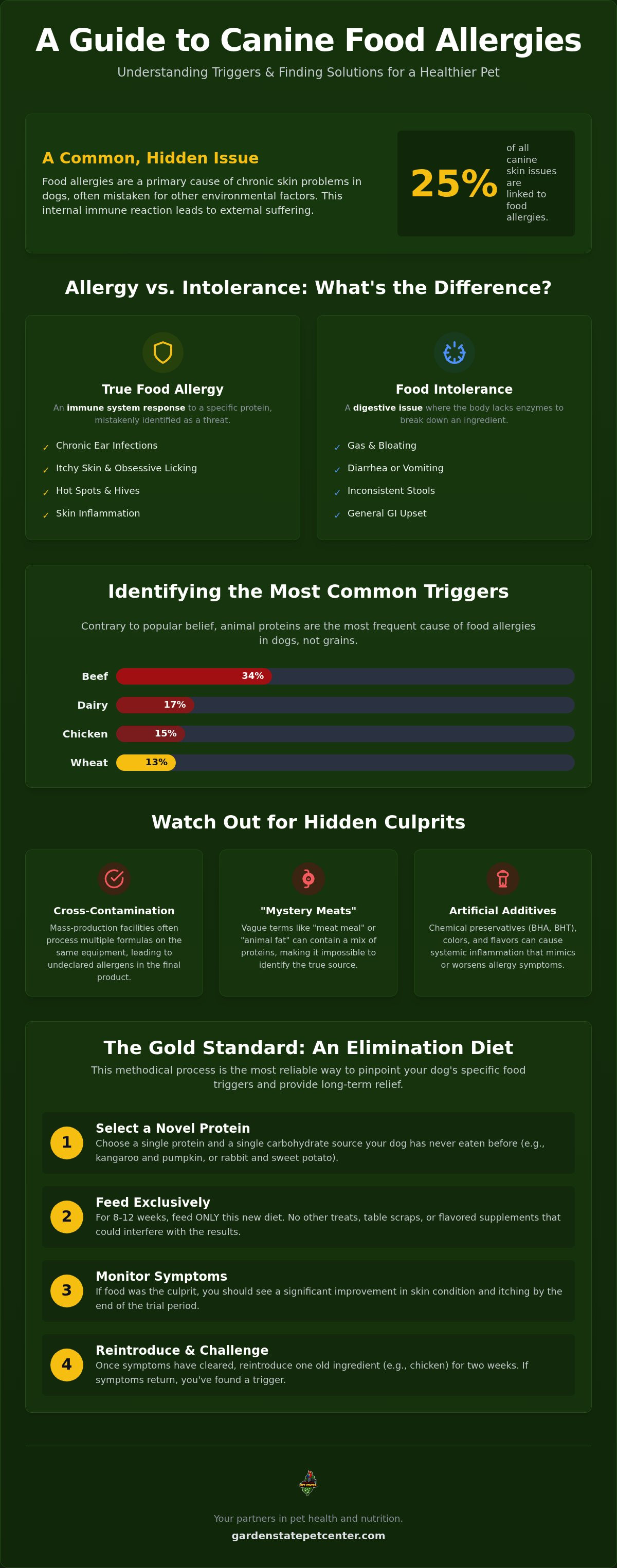
Identifying the specific culprit behind your dog's discomfort is the most critical step in their recovery. While many marketing campaigns point the finger at grains, biological evidence shows that animal proteins are the primary offenders. Research indicates that beef accounts for 34% of reactions, followed by dairy at 17% and chicken at 15%. When you're searching for the best dog food for allergies, look beyond the front of the bag and scrutinize the ingredient panel for vague terms like "animal fat" or "meat meal." These mystery meats often contain a blend of various species that can trigger a reaction even if the main protein listed is safe.
Manufacturing standards also play a massive role in your pet's health. In mass-production facilities, cross-contamination is a significant risk because the same machinery often processes multiple recipes. Studies have shown that a significant percentage of over-the-counter limited-ingredient diets contain undeclared proteins not listed on the label. This lack of precision is why professional, small-batch brands are often necessary for diagnosing pet food allergies and maintaining long-term health. Artificial colors, flavors, and preservatives like BHA or BHT add another layer of risk, as these chemical additives can cause systemic inflammation that mimics or worsens allergic symptoms.
The Myth of the Grain-Free Cure-All
Grains like wheat only cause about 13% of food allergies in dogs. Switching to a grain-free diet isn't always the solution, especially if those grains are replaced with high-glycemic fillers like peas, chickpeas, or lentils. These legumes can sometimes cause digestive distress or inflammation of their own; they don't necessarily make a food "hypoallergenic." Unless your dog has a confirmed sensitivity to specific grains, it's more effective to focus your energy on identifying the protein source instead of simply avoiding all carbohydrates. Many owners find that the best dog food for allergies is actually a grain-inclusive formula that uses a single, clean protein.
The Power of Novel Proteins
Novel proteins are ingredients your dog hasn't been exposed to previously, such as venison, duck, rabbit, or kangaroo. Because the immune system hasn't encountered these specific molecules, it's far less likely to identify them as threats. This is the cornerstone of a successful recovery plan. Rotating these proteins periodically can also help prevent the development of new sensitivities over time. If you're struggling to find a clean, single-protein option that actually works, you can browse our curated selection of specialized dog food designed for sensitive systems. Using these unique proteins allows the gut to heal and the immune system to finally settle down.
Comparing Nutritional Strategies: Raw, Freeze-Dried, and Holistic Kibble
Selecting the best dog food for allergies involves more than just picking a new protein; the way that food is processed plays a massive role in how your dog’s immune system reacts. If your pet is struggling with the common types of allergies in pets, you should know that traditional high-heat extrusion used for standard kibble can actually alter the molecular structure of proteins. These denatured proteins are often harder to digest and more likely to be flagged as threats by a sensitive immune system. Moving toward minimally processed options like raw or freeze-dried diets can often provide the breakthrough your dog needs.
Raw dog food is widely regarded as the gold standard for allergy management because it mimics a dog's ancestral diet with biological precision. By providing nutrients in their most natural state, you eliminate the synthetic binders and chemical preservatives that often exacerbate skin and digestive issues. For owners who need a more convenient option, freeze-dried and air-dried foods offer similar nutritional integrity without the need for freezer space. These methods remove moisture at low temperatures, locking in vital nutrients and keeping the protein structures intact.
Why Raw and Freeze-Dried Excel for Allergies
The primary advantage of these diets is the presence of live, natural enzymes and probiotics that are usually destroyed during high-heat cooking. These components are essential for maintaining a healthy gut lining and modulating the immune system's response to potential allergens. When the gut is healthy, the body is less likely to overreact to environmental or dietary triggers. To see the difference that high-quality processing can make, you can Explore our curated selection of raw dog food and find a formula tailored to your pet's specific sensitivities.
Limited Ingredient Diets (LID)
If you prefer to stay with a dry food format, Limited Ingredient Diets (LID) follow a "less is more" philosophy that is incredibly effective for sensitive dogs. These formulas typically feature one clean protein and one complex carbohydrate, drastically reducing the statistical likelihood of a reaction. However, not all LIDs are created equal. You must scrutinize labels to ensure the brand adheres to human-grade standards and avoids the mystery byproducts we discussed earlier. Trusted brands like Open Farm, FirstMate, and Nature’s Logic are excellent examples of holistic kibbles that can serve as the best dog food for allergies when raw feeding isn't a practical choice for your lifestyle.
Whether you choose a raw, freeze-dried, or high-integrity holistic kibble, the goal is total ingredient transparency. Look for manufacturers that provide clear sourcing information and avoid artificial additives that serve no nutritional purpose. By prioritizing purity and minimal processing, you give your dog’s system the chance to heal from the inside out, leading to clearer skin and more consistent digestion.
How to Implement a Successful Elimination Diet
Identifying the best dog food for allergies isn't a matter of luck; it’s a systematic process of elimination. The goal is to provide your pet’s immune system with a "clean slate" by removing all previous triggers and allowing the body to reset. This process requires patience and precision, but it is the only validated way to confirm which ingredients are causing your dog's distress. While some sources suggest a quick fix, true biological change takes time.
- Step 1: Selection. Choose one novel protein and one complex carbohydrate your dog has never eaten before. For example, if they've always had chicken and rice, you might switch to rabbit and quinoa.
- Step 2: The Trial. Commit to a strict 8 to 12 week period. It takes this long for the old proteins to fully exit the system and for skin inflammation to subside.
- Step 3: Observation. Keep a daily log of symptoms. Note the intensity of itching, the redness of the skin, and any changes in stool quality.
- Step 4: The Challenge. Once the skin is clear, reintroduce one old ingredient at a time. If the itching returns within days, you've officially identified a trigger.
The "Strict Means Strict" Rule
Success depends entirely on 100% compliance. Even a single flavored heartworm pill, a tiny piece of cheese, or a "hypoallergenic" treat from a different protein source can trigger an immune response and reset the 12 week clock. If you live in a multi-pet household, feed your dogs in separate rooms to prevent "bowl swapping" or crumb scavenging. It’s vital to communicate this plan to every family member and guest; one well-meaning table scrap can invalidate months of hard work. We recommend using a portion of the trial food as "treats" during this time to keep your dog happy without breaking the protocol.
Tracking Success Beyond the Skin
While clear skin is the primary goal, you'll likely notice other improvements that signal the body is healing. Watch for increased energy levels, a brighter coat, and smaller, firmer stools. These are signs that the gut microbiome is stabilizing and the systemic inflammation is decreasing. If you reach the six-week mark without any visible improvement, it may be time to consult a professional pet nutritionist to ensure there aren't hidden additives in your chosen formula. You can find more details on selecting high-integrity ingredients in our Premium Pet Food Guide. If you’re ready to start this journey, browse our single-protein options to find the perfect foundation for your dog's elimination trial.
Expert-Backed Solutions for Allergy Management
Managing a chronic allergy case often requires a strategy that goes beyond simply switching bags of kibble. While the elimination diet provides your roadmap, the specific brands and supplements you choose serve as the tools for long-term recovery. We've curated a selection of high-integrity brands like SmallBatch, Carna4, and Green Juju because they prioritize ingredient purity and biological appropriateness. These manufacturers avoid the synthetic premixes and heavy processing that often complicate sensitive cases. When you're searching for the best dog food for allergies, look for these specialized names that focus on whole-food nutrition rather than industrial-scale production.
To support the skin during this transition, consider adding targeted supplements like Omega-3 fatty acids from high-quality fish or green-lipped mussel oils. These essential fats strengthen the skin barrier and reduce the systemic inflammation caused by previous allergic reactions. Quercetin, often called "nature's antihistamine," is another powerful tool found in whole-food supplements like Green Juju, which can help suppress the body's overactive immune response. Always transition your dog to a new premium diet slowly over 7 to 10 days to avoid gastrointestinal upset, gradually increasing the ratio of the new food to ensure their digestive system adapts comfortably.
Personalized Nutrition Plans
Every dog has a unique health history, which is why "off-the-shelf" solutions sometimes fall short for complex allergy cases. Consulting with a certified pet nutritionist allows you to move past guesswork and create a targeted wellness plan. Our on-site experts can help you analyze previous triggers and select a novel protein source that aligns with your pet's specific requirements. This professional guidance ensures that your elimination trial is nutritionally balanced and statistically likely to succeed. You can Browse our premium dog food collections to see the variety of specialized options available for your personalized plan.
Quality Control and Safety
Sourcing your pet's nutrition from specialized retailers offers a level of quality control that mass-market outlets cannot match. Small-batch production is essential for reducing the risk of allergen cross-contact, as these facilities maintain stricter cleaning protocols between recipes. High-pressure pasteurization (HPP) in raw foods ensures safety while preserving vital nutrients. This process eliminates harmful pathogens without using the high heat that denatures proteins and destroys natural enzymes. By choosing foods that prioritize these safety standards, you provide your dog with the cleanest possible fuel for their recovery journey.
Restore Your Dog's Vitality with Bio-Appropriate Nutrition
Resolving chronic skin and digestive issues requires moving past generic labels and embracing a biological approach to feeding. By identifying specific protein triggers and committing to a strict 8 to 12 week elimination trial, you provide your pet’s system with the space it needs to heal. Choosing the best dog food for allergies means prioritizing ingredient transparency and minimal processing, whether you opt for raw, freeze-dried, or high-integrity holistic kibble. This proactive strategy doesn't just stop the itching; it builds long-term immune resilience.
We are here to support you at every stage of this transition. As specialists in raw and holistic diets, we provide access to an on-site certified pet nutritionist to help you navigate even the most complex allergy cases. With our nationwide shipping, you can access premium brands like SmallBatch and Carna4 regardless of where you live. Shop Our Expert-Curated Allergy-Safe Dog Food today to start your dog's journey toward clear skin and consistent health. You don't have to manage this alone; your pet's comfort is within reach.
Frequently Asked Questions
What is the most common food allergy in dogs?
Beef is the most common food allergen for dogs, accounting for approximately 34% of cases. Dairy and chicken follow closely, representing 17% and 15% of reactions respectively. Most owners assume grains are the culprit, but animal proteins are the primary triggers. Identifying these specific proteins is the most effective way to choose the best dog food for allergies. Scrutinize labels for these common ingredients to prevent recurring skin inflammation and obsessive paw licking.
How can I tell if my dog has a food allergy or an environmental allergy?
Food allergies typically cause year-round symptoms, whereas environmental allergies often fluctuate with the seasons. If your dog suffers from chronic ear infections or gastrointestinal upset alongside itchy skin, a food trigger is more likely. Environmental issues often manifest as sneezing or watery eyes. Performing a strict elimination diet is the only definitive way to confirm if the reaction stems from their daily nutrition or their surroundings. This process helps you isolate the biological cause.
Is grain-free dog food better for dogs with allergies?
Grain-free diets aren't always better because only about 13% of allergic dogs react to wheat. Most sensitivities are actually caused by the protein source. In some cases, replacing grains with high-glycemic legumes like peas or lentils can cause new digestive problems. Unless your dog has a confirmed grain sensitivity, focusing on a clean, single-protein source is usually more effective for resolving persistent allergy symptoms. Purity matters more than simply removing all grains from their bowl.
What are "novel proteins" and why are they recommended for allergies?
Novel proteins are meat sources your dog hasn't encountered before, such as rabbit, venison, or kangaroo. Because the immune system hasn't been exposed to these specific molecules, it's far less likely to identify them as threats. These proteins are the foundation of a successful recovery plan. Utilizing novel options allows the gut to heal and prevents the systemic inflammation associated with common allergens like beef or chicken. This strategy creates a clean nutritional slate for healing.
How long does it take for a dog’s food allergy to clear up?
It typically takes 8 to 12 weeks for a dog's food allergy symptoms to fully subside. While you might see minor improvements in digestion within the first few days, skin inflammation and coat health require more time to reset. You must maintain strict compliance during this entire period. Any slip-ups with treats or table scraps will reset the clock and delay your pet's path to recovery. Patience is vital for achieving long-term, visible results.
Can I use treats while my dog is on an allergy elimination diet?
You shouldn't use standard commercial treats during a strict elimination trial. Most treats contain hidden fillers, glycerin, or mixed proteins that can trigger a reaction and invalidate your results. If you want to reward your pet, use small pieces of the specific novel protein or single carbohydrate you've chosen for their main meals. This ensures their immune system remains undisturbed while you identify the best dog food for allergies for your pet's unique needs.
What are the best dog food brands for severe allergies?
For severe cases, we recommend specialized brands like SmallBatch, Carna4, and Green Juju. These manufacturers prioritize ingredient transparency and avoid the cross-contamination often found in mass-produced kibble. SmallBatch offers exceptional raw options, while Carna4 provides sprouted seed nutrition that is gentle on the gut. Choosing high-integrity brands ensures your dog receives bio-appropriate nutrition without the hidden additives or mystery meats that cause flare-ups. These professional-grade options provide the reliability your pet deserves during recovery.
Does raw dog food help with skin allergies?
Raw dog food often provides significant relief for skin allergies because it lacks the high-heat processing of traditional kibble. This minimal processing keeps protein structures intact and preserves natural enzymes that support immune health. Many owners report clearer skin and a shinier coat after switching to a raw diet. By eliminating synthetic binders and inflammatory fillers, raw feeding addresses the root cause of systemic inflammation rather than just masking the symptoms through surface-level chemical treatments.

Article by
Victor Santucci
Victor Santucci is the owner of Garden State Pet Center in Audubon, NJ, where he specializes in premium pet nutrition, exotic animals, and expert-level care. With years of hands-on experience and a passion for helping pets thrive, Victor is dedicated to educating pet owners on proper nutrition, enrichment, and species-specific care. His mission is simple: provide every pet with the highest quality products and every customer with honest, knowledgeable guidance.
Share this post
- 0 comment
- Tags: best dog food for allergies, canine nutrition, dog allergies, dog food, dog skin issues, elimination diet, limited ingredient diet, pet health