

Cockatiel Bird Care 101: The Expert Guide to a Happy, Healthy Companion


Imagine waking up at 2:00 AM to the sound of frantic wing-flapping and panicked whistles coming from your living room. This "night fright" is a sudden reality for roughly 60% of owners who haven't yet optimized the sleeping environment for their cockatiel bird. You want the absolute best for your feathered friend; however, the conflicting advice on "seed versus pellet" diets or the "perfect" cage size often feels overwhelming. It's natural to feel uncertain when you're responsible for such a delicate and social creature.
As your trusted partner in avian care, Garden State Pet Center believes your journey should be filled with joy rather than confusion. We've consolidated decades of expert knowledge to help you master every aspect of ownership; this includes premium nutrition plans where 75% of the diet consists of high-quality pellets. This guide provides a clear roadmap for habitat setup, dander management, and the behavioral training that builds a lifelong bond. Discover how to create a thriving home where your companion feels safe and healthy. We'll walk you through the essential steps to ensure your pet remains a vibrant part of your family for years to come.
Key Takeaways
- Learn how to design a premium habitat by prioritizing "flight width" and specific bar spacing to ensure your pet’s safety and comfort.
- Discover the expert 80/20 nutrition rule to protect your cockatiel bird from fatty liver disease through a successful transition to high-quality pellets.
- Master the foundation of bird handling with passive bonding strategies and the essential "step-up" command for a confident, well-socialized companion.
- Explore professional health maintenance techniques, from avian DNA sexing to the essential grooming triad for long-term wellness.
- Understand the social flock dynamics of these Australian natives to create an environment that supports their natural behavioral needs.
What is a Cockatiel Bird? Understanding the Petite Parrot
The Cockatiel (Nymphicus hollandicus) is the smallest member of the cockatoo family. These charismatic birds originate from the arid regions of Australia, where they travel in large, social flocks to find food and water. Because of their gentle nature and manageable size, the cockatiel bird has become the most popular choice for households looking to welcome a parrot. While they are often labeled as "starter" parrots, they still require specialized care and attention. Choosing one of these companions means preparing for a long-term relationship. They often live between 15 and 25 years with proper nutrition and expert care. This lifespan represents a significant commitment for any owner. You aren't just buying a pet; you're gaining a family member that requires daily interaction.
Explore the basics of welcoming a new bird into your home with this expert overview:
As social creatures, these birds thrive on companionship. In the wild, they spend their days foraging and grooming one another. In a domestic setting, they view their human keepers as their flock. This social drive makes them incredibly affectionate, but it also means they don't do well if left alone for long periods. If your schedule is busy, consider keeping them in pairs to ensure they remain happy and mentally healthy. Their ability to whistle tunes and mimic household sounds makes them an entertaining addition to any home.
The Crest: A Visual Language for Bird Communication
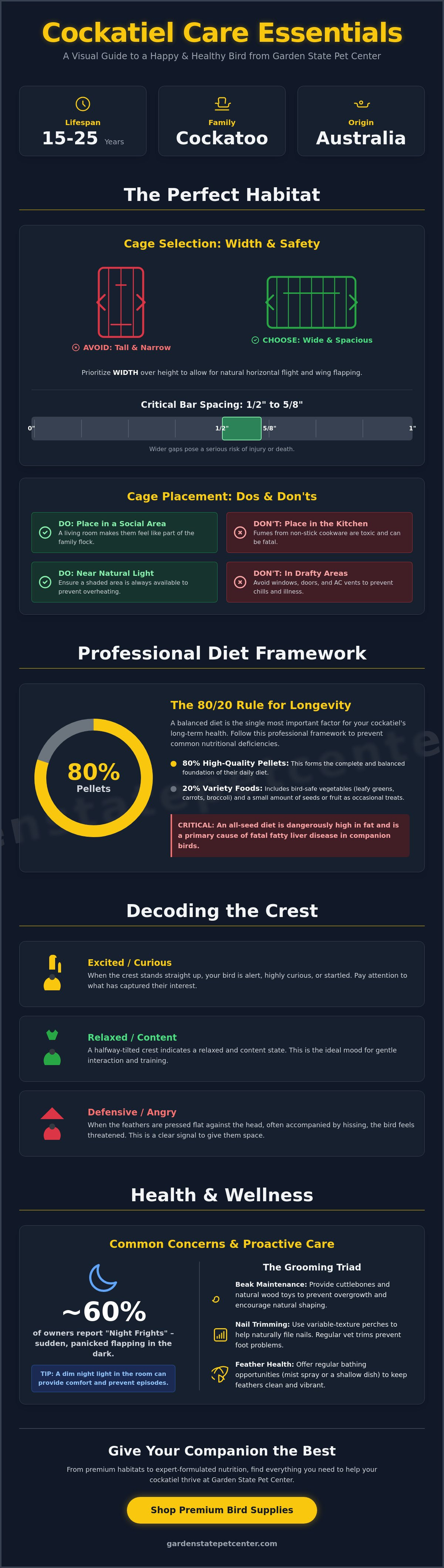
A cockatiel uses its crest like a flag to signal its internal state. When the crest stands straight up, the bird is usually excited or highly curious about something new. A halfway-tilted crest indicates a relaxed, content state. If the feathers are pressed flat against the head, the bird is likely feeling defensive or angry. This is a clear signal to give them space to avoid a potential bite. The crest functions as a biological barometer for stress. Paying attention to these subtle shifts helps you build a bond based on mutual respect and understanding.
Cockatiel Color Mutations and Sexual Dimorphism
When selecting a cockatiel bird, you will notice a wide variety of visual styles beyond the wild-type gray body and yellow face. Breeders have developed several premium color mutations, including Lutino (yellow and white), Pearl (scalloped patterns), and Cinnamon (brownish-gray) varieties. In mature wild-type birds, males typically have brighter yellow faces. Females usually retain gray coloring and display barred tail feathers. However, mutations often mask these visual cues, making it nearly impossible to tell the difference by sight alone. For a definitive answer, we recommend professional DNA testing to confirm your pet's gender. Discover our selection of premium bird supplies to help your new companion thrive.
How to Set Up the Perfect Cockatiel Habitat
Creating a safe environment for your cockatiel bird is the first step toward a long, happy life together. Many new owners mistakenly prioritize tall, narrow cages, but cockatiels are horizontal flyers. You should select a habitat that emphasizes width over vertical height to allow for natural wing flapping and short flights. The bar spacing is equally critical; it must be between 1/2 and 5/8 inch. If the gaps are wider, your bird risks getting its head caught, which can lead to serious injury or death.
Placement of the cage within your home determines your bird's daily stress levels. Avoid the kitchen entirely. Fumes from non-stick cookware and self-cleaning ovens are toxic to avian respiratory systems. Place the cage in a high-traffic area like a living room so your bird feels like part of the family, but keep it away from drafty windows and doors. While natural light is beneficial, don't place the cage in 100% direct sunlight without a shaded retreat, as birds can overheat quickly. Understanding these environmental factors is a key part of Cockatiel veterinary care and proactive health management.
Cage Selection: Size and Material Standards
For a single cockatiel bird, the absolute minimum cage size is 24 inches wide by 18 inches deep and 24 inches tall. If you're housing a bonded pair, you'll need to increase the width to at least 48 inches. Material quality matters for long-term health. We recommend powder-coated steel or stainless steel over cheap painted wire. Painted surfaces can chip over time, and if ingested, the flakes may cause heavy metal poisoning. You can explore our selection of professional-grade bird cages and enclosures to find a durable, safe home for your companion.
Enrichment and Foraging: Preventing Bird Boredom
Cockatiels are highly intelligent and require daily mental engagement to prevent feather plucking or screaming. You should rotate their toys every 14 to 28 days to keep the environment fresh. Focus on safe, destructible materials that satisfy their natural urge to chew, such as balsa wood, palm leaves, and untreated paper. A foraging tray is one of the best ways to mimic wild behaviors. Simply fill a shallow tray with bird-safe substrate, wooden beads, and hidden treats. This encourages your pet to spend hours "hunting" for food, which provides excellent physical and mental exercise.
Inside the habitat, use perches of varying diameters, from 1/2 inch to 1 inch. Using only perfectly round, uniform dowels can cause pressure sores on their feet. Natural wood branches are a superior choice because they offer different textures and grip points. If you're ready to upgrade your bird's living space, discover our premium bird supplies to ensure your pet has everything they need to thrive.
Advanced Cockatiel Nutrition: The Professional Diet Framework
Feeding your cockatiel bird correctly is the most effective way to extend their lifespan, which often reaches 20 years or more with expert care. Many owners mistakenly believe a seed-only diet is sufficient, but this frequently leads to hepatic lipidosis, or fatty liver disease. We recommend the 80/20 rule: 80% of the daily intake should consist of high-quality pellets, while the remaining 20% includes fresh vegetables and occasional treats. This balance prevents the caloric imbalances that lead to obesity and organ failure.
Transitioning a bird from seeds to cold-pressed pellets requires patience and a proactive strategy. Start by mixing 25% pellets with 75% seeds for the first week, then gradually increase the pellet ratio every five days. This method ensures your pet receives consistent nutrition without the stress of sudden dietary changes. For the best selection of specialized diets, shop our premium pet food options to find formulas designed for optimal avian health.
Pellets vs. Seeds: Finding the Nutritional Balance
Pellets prevent selective eating, a common behavior where birds pick out high-fat sunflower seeds and ignore vital nutrients. This leads to severe vitamin A deficiencies in nearly 70% of seed-fed birds. Use seeds as high-value rewards during training sessions instead of a primary meal. This keeps your cockatiel bird motivated and maintains their weight at a healthy 75 to 120 grams. Trusted pellet brands provide a baseline of minerals that seeds alone can't match.
Safe Fresh Foods and Toxic Dangers
Introduce a daily "chop" to provide essential micronutrients. Mix dark leafy greens like kale with orange vegetables such as steamed sweet potatoes or carrots. These are rich in beta-carotene, which supports vibrant plumage and immune function. For egg-laying females, increase calcium intake with cuttlebone or mineral blocks to prevent egg binding, a life-threatening condition. Avoid these toxic items at all costs:
- Avocado: Contains persin, which causes heart distress and respiratory failure.
- Chocolate and Caffeine: These trigger fatal heart rate spikes and seizures.
- Fruit Pits and Apple Seeds: These contain trace amounts of cyanide.
- Onions and Garlic: These can cause hemolytic anemia in small animals.
Maintain plumage health with supplements containing biotin and amino acids. These help during the molting process when feather production demands extra energy. Hydration is equally critical for internal health. Bacteria and biofilm grow in water bowls within 24 hours, so scrub containers daily with mild soap and water. Clean water prevents respiratory infections and keeps your companion thriving in a domestic environment.
Socialization and Training for Anxious Birds
Building a deep bond with your cockatiel bird starts with establishing a foundation of safety. Many new owners rush into handling, but expert care requires a slower approach known as passive bonding. Spend at least 20 minutes twice a day sitting near the cage while performing quiet activities like reading or scrolling through your phone. This proximity training allows your pet to habituate to your presence without feeling pressured. It transforms you from a potential predator into a trusted part of their daily environment.
The step-up command remains the most vital skill for any companion bird. To teach this, offer your index finger or a steady perch while saying "step up" in a calm, consistent tone. Use a gentle nudge against the lower chest to trigger their natural instinct to climb. If your bird is hesitant, don't force the interaction. Patience is the hallmark of a knowledgeable guardian. Forcing a bird to step up can damage trust and lead to long-term fear responses.
Socialization must extend beyond a single person to prevent unhealthy bonding. When a bird bonds exclusively with one human, they often display territorial aggression toward others. Encourage every member of the household to offer treats and speak softly to the bird. This creates a well-rounded pet that feels secure in a busy family home. If your bird becomes nippy, avoid shouting or pulling away quickly. These reactions often reinforce the biting behavior. Instead, calmly place the bird back in their enclosure to signal that the interaction has ended.
Training Techniques for New Owners
Take advantage of target training to guide your bird without physical force. Use a small stick or chopstick as a target. When your bird touches the tip, immediately offer a reward. This technique is highly effective for moving a bird back into their cage or onto a scale for health checks. Identify high-value treats, such as spray millet or small pieces of almond, to use exclusively during these sessions. Positive reinforcement ensures the bird associates your requests with "premium" rewards.
Managing Anxiety and Environmental Stress
Anxious pets often display clear physical signs of distress. Watch for feather plucking, repetitive screaming, or unusual lethargy. These behaviors often stem from a lack of rest. Ensure your bird receives 10 to 12 hours of uninterrupted, dark sleep every night. Cockatiels are specifically prone to "Night Frights," where they thrash in their cage due to sudden shadows or noises. You can mitigate this by using a small nightlight and a white noise machine to mask external sounds. These simple environmental adjustments provide the security your pet needs to thrive.
Discover everything you need to support your pet's development by browsing our expert-selected bird supplies today.
Professional Health Maintenance and Grooming
Establish a foundation of wellness for your cockatiel bird by prioritizing professional maintenance. These intelligent companions thrive when their physical needs are met with precision and care. Because birds are prey animals, they naturally hide signs of illness to avoid appearing vulnerable. This biological trait means that by the time a bird looks sick, the condition is often quite advanced. Proactive health management is the most effective way to ensure a long, vibrant life for your feathered friend.
The Role of DNA Testing in Long-term Care
Discover the benefits of avian DNA sexing early in your journey. Knowing the gender of your bird is vital for managing hormonal behaviors and specific health risks. For example, female cockatiels are susceptible to egg binding, a life-threatening condition where an egg becomes stuck in the reproductive tract. DNA testing also allows for early disease screening. Testing for Psittacine Feather and Beak Disease (PBFD) and Psittacosis provides peace of mind, especially for first-time owners or those with multiple birds at home. These tests ensure you aren't introducing hidden pathogens into your living space.
Grooming and Hygiene Best Practices
Maintain your pet's appearance and health through a consistent grooming triad: wing clipping, nail trimming, and beak maintenance. Just as people rely on professional services like George's Barbershop for their grooming needs, your bird requires expert care to prevent common accidents like cutting a blood quill or causing unnecessary stress. Safe bathing is another pillar of hygiene. Offer your bird a shallow dish of lukewarm water or use a fine mist spray bottle to encourage preening. Check out our bird collection for premium grooming tools and perches designed to help naturally wear down sharp nails.
Recognizing Sick Bird Syndrome
Watch for subtle changes in daily habits to catch health issues early. Since birds mask their symptoms, any visible sign of lethargy is a red flag. Look for these specific indicators of distress:
- Sitting at the bottom of the cage for extended periods.
- Discharge around the eyes or the nares (nostrils).
- Changes in the color, consistency, or frequency of droppings.
- Fluffed feathers when the room temperature is stable.
- Reduced appetite or a sudden stop in vocalization.
Creating a First-Aid Kit
Prepare for household emergencies by assembling a dedicated avian first-aid kit. Having these supplies ready can stabilize your cockatiel bird before you reach an emergency vet. Your kit should include:
- Styptic powder or cornstarch to quickly stop bleeding from a broken blood feather or nail.
- Sterile gauze pads and medical tape for wrapping injuries.
- A small, clean towel to safely restrain the bird without causing feather damage.
- Blunt-tipped scissors and tweezers for removing debris.
- A travel carrier kept in a visible, accessible location.
Trust your instincts as an owner. If your bird's behavior feels slightly off, consult a specialist immediately. Consistent professional care combined with your daily observations creates the safest environment for your companion.
Give Your Feathered Friend the Life They Deserve
Bringing a cockatiel bird into your home is a joyful commitment that requires a specialized approach to nutrition and habitat design. You now have the professional framework to build a safe environment and implement a diet that supports long-term vitality. Since 1990, Garden State Pet Center has served as a trusted resource for exotic bird owners. Our team includes a Certified Pet Nutritionist who understands the precise dietary needs of your pet. We also offer specialized services for anxious pets to ensure every grooming or boarding session is stress-free. Success comes from consistent care and the right tools. Take the next step in your avian journey by choosing supplies backed by decades of hands-on experience and expert knowledge.
Shop our expert-curated Cockatiel supplies and premium food at Garden State Pet Center for products that meet the highest standards of bird safety and quality. We're dedicated to helping you foster a deep, healthy bond with your companion. Your bird's well-being is our primary passion. We look forward to seeing you and your pet thrive together.
Frequently Asked Questions
Is a cockatiel a good pet for a beginner?
Yes, a cockatiel is an excellent choice for a first-time bird owner due to their gentle temperament and social nature. These birds are known for being affectionate and relatively easy to train compared to larger parrot species. Since their rise in popularity during the 1970s, they've become the second most popular caged bird in the world. You'll find them rewarding companions that bond closely with their human families.
How long do cockatiels live in captivity?
A healthy cockatiel bird typically lives between 15 and 25 years when provided with a balanced diet and regular veterinary care. Some exceptional individuals have lived much longer; for instance, a cockatiel named Sunshine reached the age of 32. This long lifespan means you're committing to a two-decade relationship. Proper nutrition and mental stimulation are the most critical factors in helping your bird reach these senior years.
Can cockatiels talk or whistle tunes?
Cockatiels are world-class whistlers and can learn to mimic complex tunes or basic human speech. While males are generally more vocal than females, both can learn to imitate household sounds like doorbells or microwave beeps. They often prefer whistling over talking because it mimics their natural communication style. Consistent daily practice for 10 to 15 minutes can help your bird master a new melody within a few weeks.
What is the best cage size for a cockatiel?
The minimum recommended cage size for a single cockatiel is 24 inches long by 18 inches wide by 24 inches high. This space allows your bird to fully extend its 12 to 14 inch wingspan without hitting the sides. For the best quality of life, choose a cage with bar spacing between 0.5 and 0.625 inches to prevent injury. A larger cage provides more room for essential toys and perches that keep your pet active.
How much does a cockatiel bird cost to keep annually?
Annual maintenance for a cockatiel bird generally ranges from $200 to $500 according to industry estimates from organizations like the Association of Avian Veterinarians. This budget covers high-quality pellet diets, fresh produce, and annual wellness exams. You should also set aside funds for replacing toys and perches, which birds naturally wear down over time. Emergency veterinary visits can add to this cost, so many owners maintain a dedicated savings fund.
Why is my cockatiel puffing up its feathers?
Cockatiels puff their feathers to trap air and maintain a body temperature of approximately 102 degrees Fahrenheit. It's a normal behavior when they're sleeping or relaxing after a meal. However, if your bird remains puffed up for more than 20 percent of the day or shows signs of lethargy, it may indicate an underlying illness. Constant fluffing is often a sign that the bird is trying to conserve energy while fighting an infection.
Do cockatiels need a companion bird or can they live alone?
A cockatiel can live a perfectly happy life as a single bird if you provide at least 2 to 3 hours of direct daily interaction. They are flock animals by nature, so you become their primary social partner in a single-bird household. If your schedule doesn't allow for this level of engagement, getting a second bird can prevent loneliness and feather-plucking behaviors. Just remember that two birds will require a significantly larger living space.
How often should I take my cockatiel to a professional groomer?
Most cockatiels benefit from a professional grooming session every 2 to 3 months to maintain their beak, nails, and wing feathers. Regular nail trims prevent your bird from getting snagged on fabric or perches, which can cause leg injuries. Expert groomers can also check the bird's overall condition during the visit. Keeping a consistent schedule ensures your pet stays comfortable and reduces the stress associated with overgrown talons or flight feathers.
Share this post
- 0 comment
- Tags: cockatiel bird