

The Ultimate Guide to Turtle Food: Expert Nutrition for a Healthy Shell and Long Life


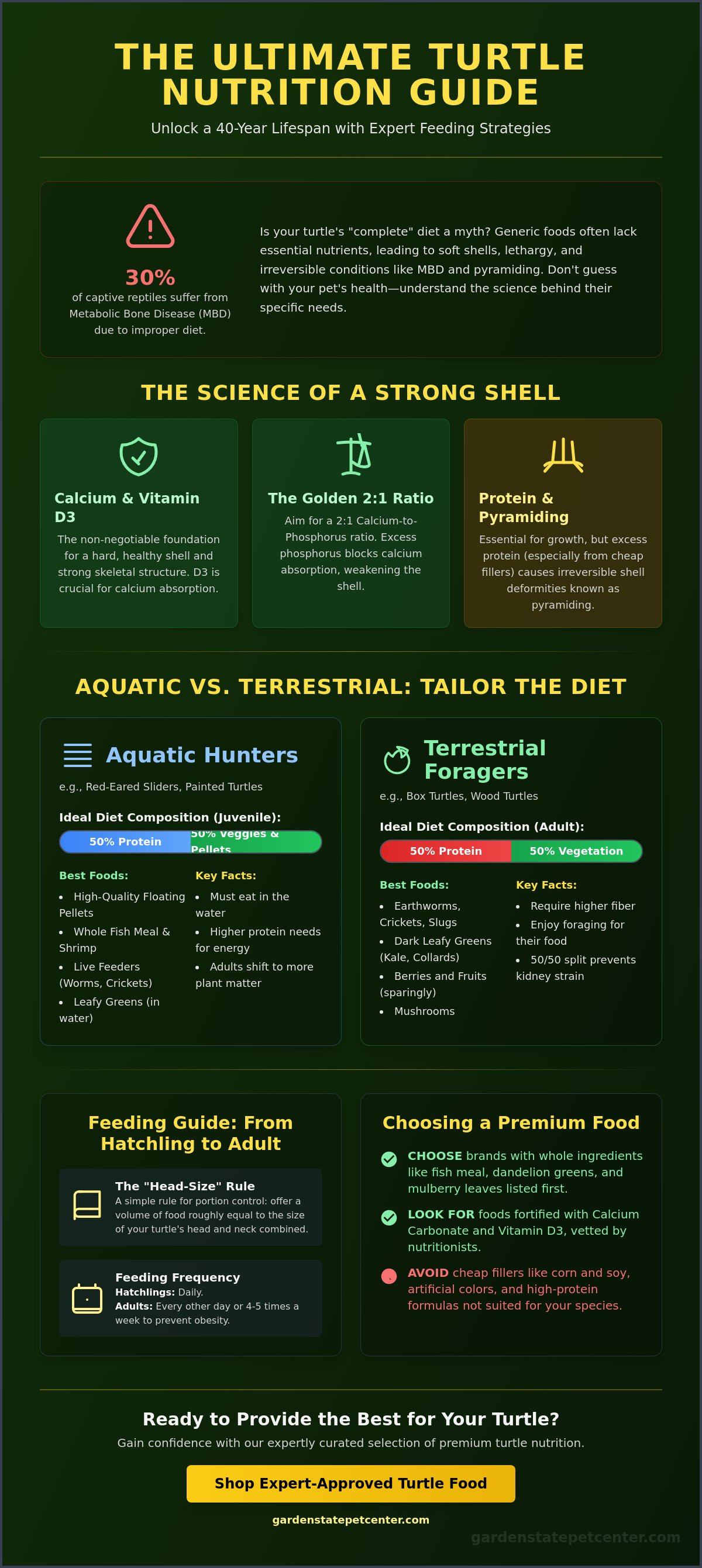
What if the "complete" diet listed on your pet store label is actually missing the 30% of essential nutrients your specific species needs to avoid Metabolic Bone Disease? Welcome to Garden State Pet Center, where we believe your reptile's health starts with expert knowledge. We understand how overwhelming it feels to stare at a shelf of turtle food while worrying about soft shells or lethargic behavior. It’s stressful to balance the 50/50 ratio of protein to greens for aquatic species versus the high-fiber needs of terrestrial ones.
You shouldn't have to guess when it comes to your pet's longevity. Discover the precise nutritional requirements for your turtle species and learn how to choose premium food that prevents disease and promotes a 40-year lifespan. This guide provides a clear feeding schedule and identifies which live feeders are safest for your companion. You'll gain the confidence to select a trusted brand that prioritizes animal welfare. Let's ensure your turtle enjoys a vibrant, healthy life through superior nutrition.
Key Takeaways
- Discover the essential science behind calcium and vitamin D3 to ensure your turtle develops a strong, healthy shell without the risk of pyramiding.
- Learn how to tailor specific diets for aquatic and terrestrial species to meet their unique requirements for protein and fiber.
- Master the art of building a holistic diet by selecting premium turtle food as a nutritional anchor while incorporating nutrient-dense live feeders.
- Identify how to adjust feeding schedules and portion sizes using the "head-size rule" to support your pet from the hatchling stage through their senior years.
- Gain expert insights into choosing nutritionist-vetted, filler-free brands that promote long-term vitality and prevent common nutritional diseases.
The Science of Turtle Nutrition: Why Quality Food Matters for Longevity
Proper turtle food isn't just about filling a bowl. It's a precise biological formula required for survival. Most turtles are opportunistic omnivores that require a complex balance of calcium, phosphorus, and vitamin D3 to maintain their skeletal structure. Protein is essential for juvenile growth, yet excessive amounts cause "pyramiding." This is a condition where the shell scutes grow vertically and abnormally. Pyramiding is irreversible and often stems from low-quality, high-protein fillers found in discount brands. To better understand these foundational feeding concepts, watch this helpful video: Generic pet store options often rely on a one-size-fits-all approach that ignores the specific dietary needs of different species. This lack of precision leads to malnutrition and Metabolic Bone Disease (MBD). Veterinary data suggests that MBD affects approximately 30% of captive reptiles, causing soft shells and painful fractures. You should choose turtle food that prioritizes nutrient density over cheap bulk. Explore our expertly curated reptile supplies to find trusted brands that prioritize these specific biological requirements.Understanding the Calcium-to-Phosphorus Ratio
Reptile metabolism requires a 2:1 calcium-to-phosphorus ratio for optimal health. Phosphorus blocks calcium absorption when the ratio is skewed. This forces the body to pull minerals directly from the shell, leading to softening and deformity. Look for premium labels featuring high-calcium ingredients like dandelion greens, mulberry leaves, and calcium carbonate. These ingredients ensure your pet maintains a rigid, protective shell throughout their life.The Role of Vitamin A and D3 in Reptile Health
Aquatic vs. Terrestrial: Tailoring Diets to Your Turtle's Species
Don't assume one container of turtle food meets the needs of every shelled companion. Aquatic species like Red-Eared Sliders, Painted Turtles, and Map Turtles have biological requirements that differ sharply from terrestrial or semi-aquatic species like Box Turtles and Wood Turtles. While aquatic hunters crave high-protein meals to fuel their constant swimming, terrestrial varieties need high-fiber diets for proper digestion. Treating "turtle food" as a universal term is a common mistake that can lead to nutritional deficiencies. Expert care starts with recognizing that a Red-Eared Slider's menu looks nothing like a Box Turtle's daily plate.
Feeding the Carnivorous Aquatic Hunter
Aquatic turtles are biological hunters that require a diet rich in animal-based proteins to maintain their energy levels. Select floating pellets that stay on the surface, as this mimics their natural surface-feeding behavior in the wild. Look for ingredients like whole fish meal or shrimp, which provide essential omega fatty acids for vibrant skin and shell integrity. A diet consisting of 40% to 50% protein is ideal for growing juveniles, while adults can transition to slightly more plant matter as they age.
Remember that these turtles must eat in the water. They don't have the muscle structure to swallow on dry land, so they use water pressure to move food down their throats. Citing the Science of Turtle Nutrition highlights how specific these needs can be across different environments and life stages. Providing the right balance of fats and proteins ensures your aquatic pet remains active and healthy in their aquatic habitat.
The Omnivorous Balance for Box Turtles
Box Turtles and Wood Turtles need a balanced 50/50 split between animal protein and vegetation. For adults, this ratio ensures they get enough calcium without overtaxing their kidneys. Offer dark leafy greens like kale, collard greens, or mustard greens alongside proteins like earthworms or crickets. Wood Turtles, in particular, are highly intelligent and enjoy foraging; try hiding their food under leaf litter to encourage natural behaviors.
Safe fruits such as raspberries, blueberries, and melons provide antioxidants and much-needed hydration. Terrestrial species often struggle with dehydration in indoor enclosures, so use moist diets or mist their vegetables before feeding. This extra moisture supports respiratory health and prevents shell pyramiding, a common growth deformity. If you want to ensure your pet is getting the best nutrients, shop our premium reptile supplies to find species-specific formulas that support long-term wellness.
Pellets, Live Feeders, and Greens: Building a Balanced Holistic Diet
Think of premium pellets as the nutritional anchor of your pet's routine. They provide a stable foundation of vitamins and minerals. However, relying solely on pellets creates nutritional gaps. A holistic approach mimics the natural foraging habits of wild species. Developing a robust plan for turtle food requires more than just a single container of sticks. Understanding Why Quality Food Matters for Longevity helps owners realize that dietary diversity directly impacts shell density and immune function. You'll want to rotate proteins and greens to prevent picky eating. This strategy ensures your turtle receives a full spectrum of micronutrients that single-source diets often miss. Adding whole-food supplements, such as calcium with D3, supports long-term vitality. You can find these essentials in our reptile supply collection.
The Power of Live Feeder Insects
Live insects provide mental stimulation and essential protein. When comparing options, dubia roaches stand out with a 20 percent protein content and superior calcium-to-phosphorus ratios compared to mealworms. For turtles needing a moisture boost, hornworms are excellent for hydration and calcium. Always practice gut-loading by feeding your insects nutrient-dense vegetables 24 hours before they become turtle food. This maximizes the nutritional density of every bite. Never use wild-caught insects; they often carry parasites or pesticides that can sicken your pet. Buy from trusted suppliers to ensure safety and quality.
Fresh Foraging and Safe Vegetation
Vegetation should make up a significant portion of an adult turtle's diet. Focus on 'superfood' greens like dandelion greens, collards, and mustard greens which are packed with Vitamin A. Avoid 'empty calorie' options like iceberg lettuce. It's mostly water and offers almost none of the fiber or vitamins your turtle needs. Prepare fresh produce by washing it thoroughly to remove any lingering contaminants. Chop the greens into bite-sized pieces to prevent choking. Offering a colorful variety of squash, carrots, and bell peppers twice a week adds the antioxidants necessary for a vibrant, healthy life.
- Dandelion Greens: High in calcium and Vitamin K.
- Collard Greens: Excellent source of Vitamin A for eye health.
- Mustard Greens: Provides essential fiber for digestion.
By blending these three pillars—pellets, live feeders, and fresh greens—you create a diet that supports every stage of your turtle's development. This proactive approach to nutrition is the best defense against common health issues like metabolic bone disease. Start small by introducing one new green or insect each week to see what your pet prefers.
Feeding Schedules and Life Stages: From Hatchling to Senior
Understanding the biological timeline of your pet ensures they reach their full potential lifespan, which often exceeds 30 to 50 years for common species. Nutritional requirements shift significantly as a turtle matures. Hatchlings require a diet consisting of 70% protein to support rapid tissue and bone expansion. As they transition into seniority, this ratio flips to roughly 70% plant matter to prevent organ strain and obesity.
To prevent overfeeding, use the "head-size rule" for every meal. Only offer a portion of turtle food that would fit inside the turtle's head if it were hollow, excluding the neck. This visual guide remains the most reliable way to scale portions as your turtle grows from a two inch hatchling to a ten inch adult. Monitoring waste production is also vital. A healthy turtle should produce firm waste within 24 to 48 hours of a meal. If you notice a complete lack of waste or a sudden drop in appetite lasting more than two feeding cycles, check your water temperatures immediately.
Hatchling and Juvenile Growth Requirements
Young turtles require daily feeding to support their intense metabolic demands. Between birth and 12 months, focus on high-protein growth formulas that contain at least 40% crude protein and fortified calcium. These nutrients prevent metabolic bone disease, a condition that causes soft or deformed shells. Because hatchlings have delicate beaks, soak hard pellets in a small cup of tank water for 120 seconds before offering them. This softening process makes the turtle food manageable for tiny mouths and prevents the turtle from choking or struggling with hard textures.
Maintaining Healthy Adult and Senior Turtles
Mature adults do not need to eat every day. Transition your turtle to a feeding schedule of once every two or three days to maintain a lean body weight. Senior turtles are particularly prone to kidney strain if they consume excessive protein. Reduce pellet intake and increase offerings of dark, leafy greens like collard or mustard greens. A healthy adult turtle will always act hungry and swim toward you. If your turtle shows a lack of interest in food or appears lethargic, it often signals that the habitat is too cold or the diet lacks variety. Consistent energy levels are the best indicator of a successful nutrition plan.
Discover Premium Turtle Nutrition at Garden State Pet Center
Welcome to Garden State Pet Center, where your pet's health is our primary mission. We believe that a turtle's longevity and shell integrity depend entirely on the quality of their diet. That is why our team works closely with a certified nutritionist to vet every single product we offer. You won't find generic brands filled with corn, soy, or low-grade mystery by-products on our shelves. Instead, we carry a curated selection of holistic, high-quality brands that prioritize whole ingredients. This ensures your pet receives the precise balance of protein and calcium they require.
Our commitment to excellence extends to our entire reptile collection. We provide a full range of essentials, including specialized UVB lighting and professional-grade habitats. We know that even the best turtle food cannot be fully digested without the correct thermal and light gradients. Our shop serves as a one-stop destination for everything from aquatic pellets to calcium supplements. Best of all, we offer national shipping capabilities. This means you can access our expert-vetted supplies from any state, ensuring your turtle never has to settle for sub-par nutrition.
Expert Guidance for Your Unique Pet
Exotic reptiles have highly specific biological requirements that vary significantly between species. Our on-site experts specialize in these nuances, offering professional insights into the dietary needs of red-eared sliders, box turtles, and tortoises alike. If you are struggling with a picky eater or suspect a nutritional deficiency, we are here to help. We provide practical strategies to encourage healthy feeding habits and correct common issues like Vitamin A deficiency. For those who are new to the hobby, we recommend exploring our reptile store guide. This resource helps you navigate the complexities of setting up a habitat that supports long-term health and vitality.
Trusted Supplies for Every Reptile Enthusiast
We take pride in being a trusted partner for the reptile community. To support our loyal turtle parents, we offer the Astro Rewards program, which provides tangible value on the supplies you use most. Our staff is also uniquely trained to handle "Anxious Pets," ensuring that even the most sensitive reptiles receive gentle care during grooming or boarding services. We understand that a pet's environment and diet are the two most important factors in reducing stress. By choosing our premium turtle food options, you are investing in a lifestyle that promotes a calm and healthy animal. Visit our online shop today to experience the convenience of nationwide delivery and the peace of mind that comes with expert-vetted nutrition.
Invest in Your Turtle's Vibrant Future
Your turtle's health depends on the quality of their daily nutrition. By balancing species-specific pellets with fresh greens and live feeders, you provide the essential minerals needed for a rock-solid shell and a life that often spans 30 to 50 years. It's important to remember that nutritional requirements shift significantly as your pet matures from a fast-growing hatchling into a senior. Since 1990, Garden State Pet Center has served as a trusted resource for exotic pet owners across the country. Our on-site certified pet nutritionist hand-selects every item to ensure it meets professional standards for reptilian wellness. Whether you're caring for a Red-Eared Slider or a delicate hatchling, choosing the right turtle food is the most impactful choice you'll make for their longevity. We provide nationwide shipping on all premium pet food to ensure you have access to the best supplies regardless of your location. Don't settle for generic options when your pet's health is on the line.
Shop our expert-vetted collection of premium turtle food and supplies!
It's time to give your shelled companion the high-quality care they deserve so they can thrive for decades to come.
Frequently Asked Questions
What is the best turtle food for red-eared sliders?
The best turtle food for red-eared sliders is a high quality commercial pellet like Mazuri or ReptoMin combined with fresh greens. These turtles require a 50/50 split of animal protein and plant matter when young. As they mature, 75 percent of their diet should consist of aquatic plants and leafy vegetables. This balanced approach ensures they receive the 30 to 45 percent protein content needed for healthy development.
Can turtles eat human food like fruits and vegetables?
Turtles can safely eat specific human foods like dark leafy greens and certain fruits. Focus on collard greens, mustard greens, and dandelion greens, which should provide 60 percent of an adult turtle's nutrients. Limit fruit intake to 5 percent of their diet to prevent obesity. Avoid iceberg lettuce or celery because these items provide 0 percent nutritional value and consist mostly of water.
How often should I feed my adult aquatic turtle?
Adult aquatic turtles should be fed 2 to 3 times per week to maintain a healthy weight. While hatchlings require daily meals to support rapid growth, older turtles have slower metabolisms. Overfeeding is a common mistake that leads to shell pyramiding and hepatic lipidosis. Stick to a schedule where you offer enough pellets to fit inside their head; this prevents waste and keeps water quality high.
Why is my turtle not eating its pellets?
Your turtle might stop eating pellets if the water temperature drops below 75 degrees Fahrenheit. Turtles are ectothermic, so their digestion relies entirely on external heat. If the tank water hits 68 degrees, their appetite will decrease by 80 percent or more. Check your submersible heater and ensure your basking spot reaches 90 degrees. If the environment is correct, consult a veterinarian to rule out respiratory infections.
Do I need to give my turtle extra calcium supplements?
Yes, you must provide supplemental calcium to ensure a hard shell and strong bone structure. Dust your turtle food with a calcium and Vitamin D3 powder 2 times per week for adults. You can also place a natural cuttlebone in the tank for them to nibble on. Without these supplements, turtles often develop life threatening conditions like Metabolic Bone Disease within 12 months of poor nutrition.
Is it safe to feed my turtle wild-caught insects from the garden?
It's not safe to feed your turtle insects caught in your garden. Wild bugs often carry parasites or have been exposed to lawn pesticides that are 100 percent toxic to reptiles. Instead, purchase farm raised crickets, dubia roaches, or mealworms from a trusted supplier. These feeder insects are "gut loaded" with essential vitamins, making them a much safer and more nutritious protein source for your pet.
What are the signs of Metabolic Bone Disease in turtles?
Common signs of Metabolic Bone Disease include a soft or flexible shell and swollen jawbones. You might also notice your turtle dragging its back legs or struggling to lift its body while basking. According to reptile health studies, 30 percent of captive turtles suffer from some form of MBD due to lack of UVB light. If the shell feels spongy when pressed gently, seek expert veterinary care immediately.
Can I feed my turtle goldfish or feeder fish as a treat?
You can feed your turtle feeder fish as a rare treat, but you should avoid goldfish and rosy red minnows. These specific fish contain high levels of thiaminase, an enzyme that destroys Vitamin B1 in your turtle's body. Instead, offer guppies or mollies once a month. Live prey should make up less than 10 percent of their total caloric intake to ensure they don't become picky eaters.
Share this post
- 0 comment
- Tags: turtle food