

Best Dog Food for Skin Allergies: A Holistic Guide to Anti-Inflammatory Nutrition


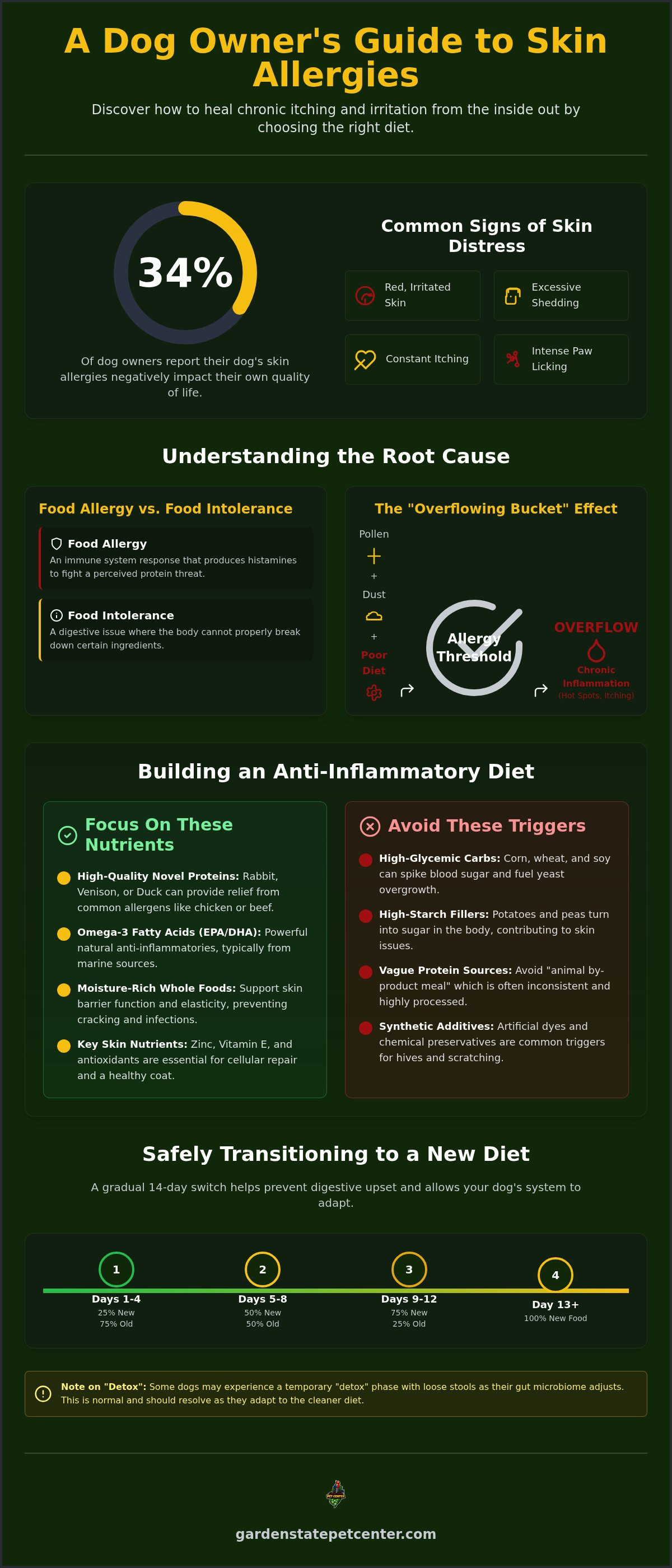
Did you know that a 2026 survey by Merck Animal Health revealed that 34% of dog owners feel their dog's allergic skin condition has a notable negative impact on their own quality of life? It's heartbreaking to watch your companion struggle with constant itching while vet bills climb without a permanent solution in sight. You're likely looking for real answers, and choosing the best dog food for skin allergies is the most effective way to address the systemic inflammation causing this discomfort.
We understand the frustration of decoding complex labels only to see your dog still suffering from red, irritated skin and excessive shedding. You deserve a clear path forward that doesn't involve guesswork. This guide will help you move beyond unregulated marketing terms to discover a biologically appropriate diet that promotes long-term healing from the inside out. We'll show you how to identify the root causes of irritation, the importance of moisture-rich whole foods, and how to create a sustainable feeding plan for a shiny, non-itchy coat.
Key Takeaways
- Learn the difference between immune-based food allergies and digestive intolerances to stop treating symptoms and start healing the root cause.
- Discover why high-protein, moisture-rich ingredients and Omega-3 fatty acids define the best dog food for skin allergies.
- Compare raw, gently cooked, and premium dry food formats to choose the most biologically appropriate nutrition for your dog's specific requirements.
- Follow a 14-day step-by-step transition guide to safely switch diets while managing the natural "detox" phase.
- Understand how specialized supplements and professional nutritional consultations provide a comprehensive approach to long-term skin health.
Understanding the Root Causes of Canine Skin Allergies
Imagine your dog’s body as a bucket. Environmental factors like pollen, mold, and dust take up space inside; however, a poor diet often acts as the final drop that causes the bucket to overflow. This overflow manifests as chronic inflammation. You might see this as bright red skin, persistent ear infections, or painful hot spots. Identifying the best dog food for skin allergies starts with understanding that these outward signs are actually internal distress signals.
Canine dermatitis is a visible symptom of an internal biological imbalance rather than a simple external irritation.
It’s vital to distinguish between a true food allergy and a food intolerance. A food allergy involves a specific immune system response where the body produces histamines to fight off a perceived protein threat. In contrast, a food intolerance is a digestive issue where the body struggles to break down certain ingredients. Both lead to significant discomfort, but their solutions differ. Many pet owners explore Hypoallergenic dog food diets to narrow down these triggers and find much-needed relief.
Common Dietary Triggers for Itchy Skin
High-glycemic carbohydrates like corn, wheat, and soy are frequent culprits in a dog's diet. These ingredients spike blood sugar and fuel yeast overgrowth, which often leads to that "corn chip" smell and intense paw licking. Low-quality proteins and synthetic additives can also trigger a massive histamine release. Even "natural flavors" or chemical preservatives can irritate a sensitive system. We recommend browsing our curated selection of premium dog food to find options free from these common inflammatory fillers.
The Gut-Skin Axis: Why Digestion Matters
Your dog's skin health is directly tied to their gut. When the intestinal lining becomes compromised, a condition often called "leaky gut," undigested protein particles enter the bloodstream. The immune system views these as invaders, sparking an allergic reaction. A diverse microbiome is essential for modulating this immune response. Unfortunately, heavily processed kibble can contribute to gut wall degradation over time. Finding the best dog food for skin allergies requires a focus on healing the digestive tract through biologically appropriate, whole-food nutrition.
The Anti-Inflammatory Diet: A Biologically Appropriate Approach
While many guides focus solely on what to remove, a truly holistic approach focuses on what to add. The best dog food for skin allergies should be "biologically appropriate." This means the formula prioritizes high-quality animal protein, moderate healthy fats, and very low carbohydrate levels. Dogs are designed to thrive on moisture-rich diets that support their natural skin barrier. When a diet is too dry or filled with starch, the skin loses its elasticity and becomes prone to cracking and secondary infections.
Omega-3 fatty acids, specifically EPA and DHA from marine sources, act as powerful natural anti-inflammatories. These fats help calm the fire within the skin, reducing the urge to scratch and lick. If your pet has a history of reacting to common proteins like chicken or beef, switching to novel proteins such as rabbit, venison, or duck can provide immediate relief. When diagnosing food allergies, professional guidance is often needed to ensure you're truly eliminating the correct triggers while maintaining nutritional balance.
Key Nutrients for Skin Repair
Healing irritated tissue requires specific building blocks. Zinc and Vitamin E are essential for cellular regeneration and maintaining a thick, lustrous coat. Antioxidants also play a critical role by neutralizing free radicals that contribute to systemic itching. We often suggest adding functional toppers like Green Juju to your dog's meal. These fresh additions provide vital phytonutrients that are often lost during the high-heat processing of standard pet foods.
Avoiding Pro-Inflammatory Ingredients
Many mass-market foods rely on high-starch fillers like potatoes, peas, or grains. These ingredients quickly turn into sugar in the body, which fuels yeast and bacteria on the skin surface. You should also be wary of vague ingredient listings like "animal by-product meal." These low-grade protein sources are often inconsistent and highly processed. Synthetic dyes and artificial preservatives are another common trigger for hives and chronic scratching. By choosing a cleaner, whole-food diet, you eliminate these unnecessary stressors from your dog's system. If you're ready to see the difference a premium diet makes, you can explore our selection of specialized dog food designed for sensitive systems. Finding the best dog food for skin allergies is about returning to a diet that honors your dog's natural biology.
Comparing Food Formats: Raw, Gently Cooked, and Premium Dry Food
The way your dog's food is processed matters just as much as the ingredients themselves. Most mass-market kibbles undergo high-heat extrusion, a process that can create inflammatory byproducts and degrade delicate nutrients. When searching for the best dog food for skin allergies, you must consider how easily your dog can actually use the nutrients in the bowl. Bioavailability refers to how well the body absorbs and utilizes nutrition; whole, minimally processed foods consistently rank highest in this category.
Transitioning to a less processed format reduces the metabolic stress on your dog's system. While high-heat processing can alter protein structures and trigger immune responses, raw and gently cooked options keep those proteins intact. If you aren't sure where to start, you can explore our curated selection of premium dog food to see the variety of formats available for sensitive pets.
The Benefits of Raw and Freeze-Dried Diets
Raw diets provide live enzymes that actively support the digestive process. By easing the burden on the pancreas and gut, these enzymes allow the immune system to focus on healing skin tissue rather than fighting food. Brands like SmallBatch and Vital Essentials have seen incredible success in clearing up chronic skin issues by providing pure, species-appropriate nutrition. For busy owners, freeze-dried options offer these same raw benefits with the simple convenience of scoop-and-serve storage. It is an excellent way to provide high-quality nutrition without the need for freezer space.
Gently Cooked and Holistic Kibble Options
Some dogs have highly sensitive gastrointestinal tracts that struggle with raw proteins. In these cases, gently cooked food like Raised Right is often the best choice. These meals are prepared at low temperatures to kill pathogens while preserving the integrity of the vitamins and minerals. If you prefer the convenience of a dry format, look for low-heat baked options. Carna4, for example, uses sprouted seeds and quick-baking to ensure nutrients remain bioavailable without the need for synthetic premixes. Other high-quality brands like Fromm or Farmina offer specialized formulas that avoid common allergens while maintaining professional standards of nutrition. Choosing a format that fits your lifestyle and your dog's digestion is a vital step toward long-term skin health.
How to Transition Your Dog to an Allergy-Friendly Diet
Switching your companion to the best dog food for skin allergies requires a patient, methodical approach. A sudden change can shock the digestive system, causing diarrhea or vomiting that owners often mistake for a fresh allergy. We recommend a 14 day transition schedule to allow the gut microbiome to adjust properly. Start with a mix of 25% new food and 75% old food for the first three days. Gradually increase the new food to 50% for the next four days, then 75% for days eight through eleven, before reaching 100% by day fourteen.
During this time, you might notice a "detox" phase. It's common for skin redness or itching to briefly intensify as the body purges inflammatory waste from the previous diet. Don't panic. This is a sign the body is beginning to reset. To ease this shift, incorporate raw goat milk or digestive enzymes into their meals. These additions provide the probiotics and catalysts needed to repair the gut wall and soothe the immune system during the dietary shift.
Conducting a Successful Elimination Trial
An elimination trial is the gold standard for identifying specific triggers. Start by choosing a novel protein your dog has never encountered, such as kangaroo, pheasant, or venison. You must follow the 8 week rule; it takes at least two months for old proteins to fully leave the system and for the immune system to calm down. Be vigilant about hidden allergens. Flavored heartworm preventatives, wheat-based dental chews, and even small bites of "human food" can reset the clock on your progress. Stick strictly to the chosen protein for the duration of the trial.
Monitoring Progress and Adjusting
Keep a detailed food diary during this period. Track daily itching levels on a scale of 1 to 10, stool consistency, and the overall appearance of the coat. You'll know you've found a successful match when the "doggy smell" fades, shedding decreases, and your dog stops waking up in the night to scratch. Once the skin has stabilized, you can slowly introduce secondary ingredients or targeted supplements. If you feel overwhelmed by the transition process, our experts are here to help. You can browse our specialized dog food collections or visit us to find the right novel protein for your dog's trial.
Expert Support: Supplements and Nutritional Consultations
Finding the best dog food for skin allergies is a massive step toward recovery, but adding targeted support can often cut the healing time in half. While a clean diet removes the source of irritation, supplements act as the catalyst for cellular repair. Think of nutrition as the foundation of a house and supplements as the specialized tools used to fix the cracks in the walls. For complex cases where multiple environmental and dietary triggers overlap, professional guidance becomes the ultimate shortcut to finding a long-term solution.
Using supplements without a plan often leads to "supplement fatigue" for both the owner and the dog. A strategic approach ensures that every addition to the bowl serves a specific purpose in the healing journey. If you're ready to enhance your dog's daily routine, you can browse our dog vitamins and supplements to find high-quality, bioavailable options that support a healthy coat and calm skin.
Essential Supplements for Itchy Dogs
Specific nutrients can help manage the immediate discomfort of itching while the new diet works on the internal balance. Quercetin, often referred to as "Nature's Benadryl," is a powerful flavonoid that helps stabilize the cells responsible for releasing histamine. This provides natural relief from the frantic scratching that often leads to secondary infections. Colostrum and high-quality probiotics are also vital for sealing the gut lining, which prevents undigested proteins from triggering further immune responses. Finally, high-potency fish oils provide the concentrated EPA and DHA necessary to soothe systemic inflammation and restore the skin's natural moisture barrier.
The Garden State Pet Center Difference
We pride ourselves on being more than a vendor; we are a service-oriented resource for our local community. Since 1990, we've specialized in holistic health and specialized care for sensitive animals. This deep experience allows us to curate brands like Open Farm, which prioritizes transparent sourcing, and Green Juju, which offers fresh-frozen phytonutrients that processed kibble lacks. Our on-site certified pet nutritionist is available to help you navigate these choices with clinical precision, ensuring your dog's plan is as unique as they are. You can learn more about our commitment to quality in our sibling guide: Premium Pet Food in Audubon, NJ: The Complete Guide to Specialized Nutrition. Stop by and let us help you build a sustainable feeding plan that brings back your dog's shine.
Restore Your Dog's Vitality from the Inside Out
Watching your companion struggle with constant itching is stressful, but you've now learned that healing starts in the bowl. By focusing on the gut-skin axis and choosing biologically appropriate, moisture-rich ingredients, you can break the cycle of chronic inflammation. Selecting the best dog food for skin allergies is about more than just avoiding grains; it's about providing the high-quality, anti-inflammatory nutrients your pet needs to thrive and maintain a resilient skin barrier.
Garden State Pet Center has been family-owned and operated since 1990. We specialize in holistic and raw nutrition specifically designed for sensitive pets. If you're feeling overwhelmed by complex ingredient labels, our on-site certified pet nutritionist is ready to provide the specialized guidance you need to find a sustainable solution. You don't have to navigate this journey alone. Shop our curated selection of premium, allergy-friendly dog food today! We look forward to helping your dog rediscover their shine and live a more comfortable, itch-free life.
Frequently Asked Questions
How can I tell if my dog has a food allergy or an environmental allergy?
Environmental allergies often follow seasonal patterns or flare up after your dog spends time outdoors, while food allergies typically persist year-round regardless of the weather. Food-based reactions frequently involve gastrointestinal symptoms like chronic gas, bloating, or soft stools alongside skin irritation. In contrast, environmental triggers like pollen or dust often cause sneezing and watery eyes, which are less common with dietary sensitivities.
What is the best protein for dogs with severe skin allergies?
Novel proteins like kangaroo, pheasant, or rabbit are generally the most effective for severe cases because your dog's immune system hasn't developed a sensitivity to them. Avoid common proteins like chicken or beef, as these are the most frequent culprits in canine food allergies. Switching to a unique, high-quality protein source reduces the likelihood of an immune flare-up while providing the essential amino acids needed for skin repair.
Is grain-free dog food actually better for dogs with skin allergies?
Grain-free options are only beneficial if your dog has a documented sensitivity to specific grains like wheat or corn, which is less common than protein-based allergies. Many grain-free diets replace grains with high-glycemic starches like potatoes that can fuel yeast overgrowth on the skin. The best dog food for skin allergies focuses on low-glycemic, anti-inflammatory ingredients rather than simply removing grains from the recipe.
Can raw dog food help with chronic hot spots and itching?
Raw diets provide significant relief for many dogs because they contain live enzymes and high moisture levels that support the skin's natural barrier. These diets lack the synthetic additives, chemical preservatives, and high-heat byproducts found in kibble that often trigger systemic inflammation. Many owners report a visible reduction in hot spots and frantic scratching once they transition to a biologically appropriate raw feeding plan.
How long does it take for a new diet to show results in my dog's skin?
Expect to wait at least 8 to 12 weeks to see the full results of a dietary change. While digestive improvements often occur within the first few days, skin cells take much longer to regenerate and for systemic inflammation to fully subside. Patience is vital during this period; don't switch foods again too quickly or you may interrupt the progress your dog's body is making.
Are there specific treats I should avoid for a dog with allergies?
Avoid any treats containing artificial colors, "animal by-products," or high-starch fillers like wheat flour and corn syrup. Stick to single-ingredient treats that match the novel protein in your dog's primary diet, such as freeze-dried venison or duck. Even a small bite of a problematic treat can trigger a histamine response and reset the progress of a carefully managed elimination trial.
What are 'novel proteins' and why are they recommended for allergies?
Novel proteins are meat sources that your dog has never consumed before, making it highly unlikely that their immune system will react to them. Common examples include bison, pheasant, and rabbit. They are recommended because the body only develops an allergic response to proteins it has encountered previously. By introducing a new protein, you bypass existing triggers and allow the body's inflammatory response to calm down.
Should I use a prescription diet from my vet or a high-quality commercial food?
Prescription diets often use hydrolyzed proteins but can include lower-quality fillers, whereas high-quality commercial holistic brands prioritize whole-food nutrition and superior ingredients. Finding the best dog food for skin allergies often means selecting premium, minimally processed options that honor your dog's biology. Consult with our on-site pet nutritionist to determine which path provides the most effective long-term support for your dog's specific requirements.

Article by
Victor Santucci
Victor Santucci is the owner of Garden State Pet Center in Audubon, NJ, where he specializes in premium pet nutrition, exotic animals, and expert-level care. With years of hands-on experience and a passion for helping pets thrive, Victor is dedicated to educating pet owners on proper nutrition, enrichment, and species-specific care. His mission is simple: provide every pet with the highest quality products and every customer with honest, knowledgeable guidance.
Share this post
- 0 comment
- Tags: anti-inflammatory diet, best dog food for skin allergies, canine allergies, dog food, dog health, dog nutrition, holistic pet care, itchy dog, skin allergies