

Best Guinea Pig Food: 2026 Small Animal Nutrition Guide


Did you know that many of the colorful "gourmet" mixes found on big-box shelves are actually doing more harm than good for your pet? It's frustrating to stand in the pet aisle feeling overwhelmed by different hay types or worrying if your guinea pig is getting enough Vitamin C to prevent scurvy. You want the absolute best for your small companion, but the fear of bladder stones or "filler" ingredients makes every choice feel high-stakes. As specialized care experts, we know these sensitive animals require a foundation-first approach to health rather than generic solutions.
This guide simplifies the process by identifying the best food for guinea pigs, focusing on high-silica hay and stabilized Vitamin C to ensure a long, vibrant life. We'll break down exactly how to read labels like a pro, establish a perfect feeding schedule, and tailor nutrition to your piggie's specific life stage. You'll gain the confidence to choose premium nutrition that supports their unique needs from their first popcorning days through their senior years. Let's move past the confusion and build a diet that truly helps your pet thrive.
Key Takeaways
- Prioritize high-silica hay as the primary food source to support continuous dental growth and essential digestive motility.
- Learn how to select high-quality pellets that act as a supplement to hay while avoiding the risks of selective feeding in multi-component mixes.
- Master the daily 1-cup salad rule to provide vital hydration and micronutrients through a balanced variety of fresh vegetables.
- Identify dangerous red flags in commercial treats and common household foods that may contain toxic ingredients or hidden sugars.
- Discover how to choose the best food for guinea pigs by utilizing expert guidance from a certified pet nutritionist to extend your pet's lifespan.
The Foundation of Guinea Pig Health: Why Hay is Non-Negotiable
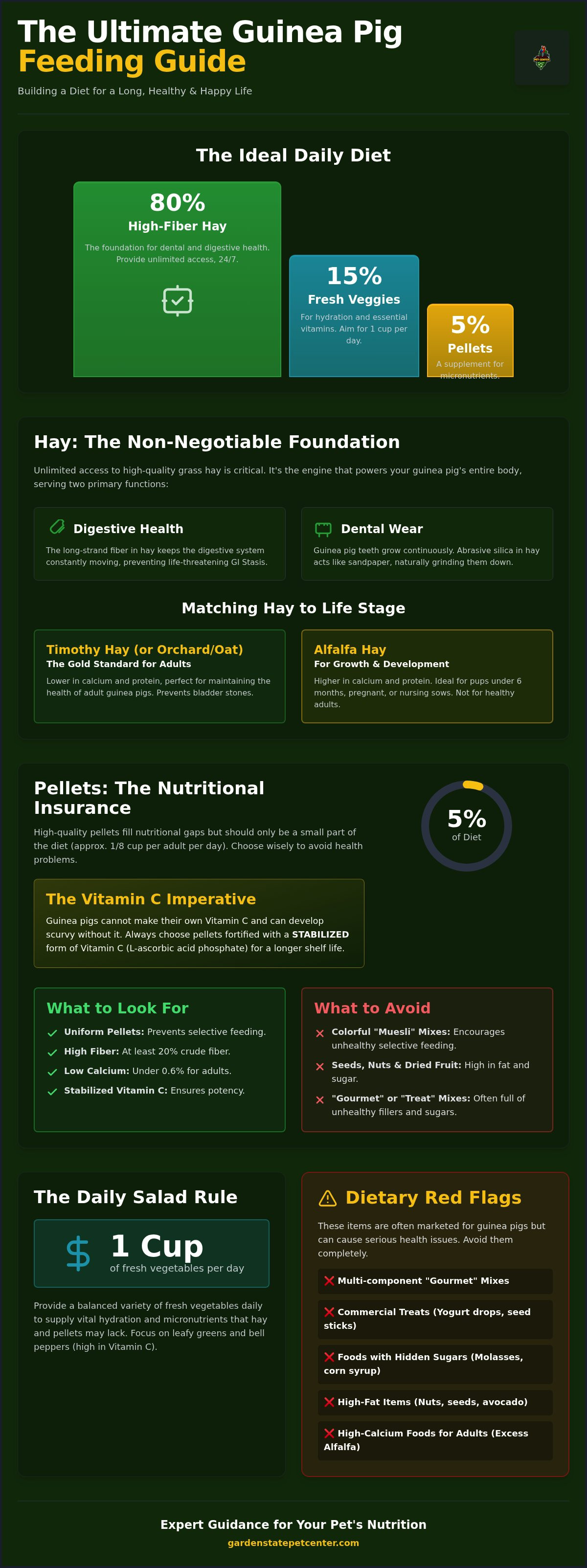
Providing unlimited access to fresh, high-quality grass hay is the single most important rule for maintaining your guinea pig's long-term health. Unlike humans, guinea pigs are hindgut fermenters, meaning their digestive systems rely on a constant stream of long-strand fiber to keep everything moving. Without this steady intake, they risk developing gastrointestinal (GI) stasis, a life-threatening condition where the gut slows down or stops entirely. Finding the best food for guinea pigs starts with understanding that hay isn't just a side dish; it's the engine that drives their entire body.
Beyond digestion, hay is the primary tool for dental maintenance. Guinea pigs possess elodont teeth, which means their incisors and molars grow continuously throughout their lives. If these teeth aren't constantly worn down through the mechanical action of chewing tough forage, they can become overgrown, leading to painful abscesses or the inability to eat. This comprehensive guide to guinea pig dietary needs highlights how their natural grazing habits in the wild have shaped this biological requirement for constant chewing.
Timothy Hay vs. Alfalfa: Matching Hay to Life Stages
Not all hay is created equal, and the right choice depends on your pet's age and health status. Alfalfa hay is actually a legume, not a grass. It's rich in calcium and protein, making it an excellent choice for growing pups under six months old or pregnant and nursing sows. However, for healthy adults, the high calcium in alfalfa can lead to painful bladder stones. For most adult cavies, Timothy hay is the gold standard. You'll often see different "cuts" available: first cut is high in fiber and stems, second cut is a leafy and balanced favorite, and third cut is very soft and rich. If you or your pet have allergies, orchard grass or oat hay are fantastic alternatives that provide the necessary fiber without the heavy pollen of Timothy.
Silica and Dental Wear: The Science of Chewing
The secret to hay's dental benefits lies in microscopic silica crystals found within the leaf blades of grass hays. These crystals are incredibly abrasive. As your guinea pig grinds their molars together in a side-to-side motion, the silica acts like sandpaper to keep the teeth at a functional length. You should watch for red flags like "slobbers" (a wet chin), dropping food, or a sudden preference for soft treats over hay, as these often signal dental misalignment. To encourage more chewing, try stuffing hay into cardboard tubes or browsing our small animal collection for specialized enrichment toys. Promoting natural foraging behaviors ensures they consume enough of the best food for guinea pigs to keep those molars in check naturally.
Choosing High-Quality Pellets: More Than Just a Filler
While hay provides the bulk of a cavy's diet, high-quality pellets serve as a vital nutritional insurance policy. These concentrated nuggets deliver the micronutrients that hay alone might lack. However, many owners make the mistake of treating pellets as the main course. According to expert guidance from the Royal Veterinary College, pellets should only constitute about 5 to 10 percent of your pet's total daily intake. When you are searching for the best food for guinea pigs, look for uniform, grass-based pellets rather than colorful "muesli" mixes.
Avoid mixes containing seeds, nuts, or dried fruit. These ingredients are high in fat and sugar, which can lead to obesity and dental decay. Even worse, multi-component mixes encourage selective feeding. Your guinea pig will likely pick out the "tasty" bits and leave the nutritious pellets behind, leading to significant mineral imbalances. A uniform pellet ensures every bite is nutritionally complete. Check the "Guaranteed Analysis" on the back of the bag; you want to see a minimum crude fiber content of 20 percent and a maximum calcium level of 0.6 percent for adult pets.
The Crucial Role of Stabilized Vitamin C
Guinea pigs are among the few mammals that cannot synthesize their own Vitamin C. Without a steady supply, they can develop scurvy in as little as two weeks. Most premium pellets are fortified with Vitamin C, but the type used matters immensely. Look for "stabilized" Vitamin C (often listed as L-ascorbic acid phosphate), which has a much longer shelf life than standard versions. Even then, Vitamin C begins to degrade the moment the bag is opened. To keep your pet's best food for guinea pigs potent, store pellets in a cool, dark place and use the bag within 90 days of opening. Never rely on water additives, as the vitamin breaks down almost instantly in light and can change the water's taste, causing your pet to stop drinking.
Ingredient Red Flags: What to Avoid on the Label
Read the ingredient list carefully to avoid low-quality fillers. Many grocery store brands use animal by-products or "poultry meal," which have no place in a herbivore's diet. Corn and wheat middlings are also common fillers that provide empty calories without the necessary fiber. We also recommend limiting soy-heavy diets, as high concentrations of phytoestrogens can interfere with hormonal health in sensitive individuals. If you feel unsure about which brands meet these professional standards, browse our vetted small animal collection for formulas that prioritize long-term wellness over cheap manufacturing.
Fresh Vegetables and Fruits: Crafting the Daily Salad
Fresh vegetables and fruits aren't just colorful additions to the cage; they are vital sources of hydration and specific micronutrients. While hay provides the fiber, a daily "salad" delivers the vitamins that keep your cavy's immune system robust. Most experts recommend the 1-cup-per-day rule to maintain a healthy weight and prevent digestive distress. It's vital to introduce any new produce slowly, adding just one small piece at a time over a week to monitor for soft stool or bloat. The ideal daily salad should consist of approximately 90% leafy greens and no more than 10% sugary vegetables or fruits. Selecting a variety of produce ensures your pet receives a broad spectrum of nutrients, making it a key component of the best food for guinea pigs.
The Best Leafy Greens for Daily Feeding
Leafy greens should form the bulk of your pet's fresh intake. Romaine and green leaf lettuce are excellent staples, providing much-needed bulk without the high water content of iceberg lettuce, which offers little nutritional value. Bell peppers are the true "Vitamin C kings" of the vegetable world; feeding a slice of red, green, or yellow pepper daily helps meet their high requirements for L-ascorbic acid. Herbs like cilantro, parsley, and dill act as high-value nutrition boosters, but use caution with parsley as it is high in calcium. You must carefully manage high-calcium greens like kale and spinach to prevent the formation of painful bladder stones. Rotating these items ensures you are providing the best food for guinea pigs while keeping their mineral intake balanced.
Fruits and Sugary Veggies: Treat Logic
It's easy to overindulge your pet with carrots or fruit because they enjoy them so much, but these should be strictly limited. Carrots are surprisingly high in sugar and can contribute to obesity if fed in large quantities. Excessive sugar also disrupts the delicate balance of guinea pig gut flora, potentially leading to dangerous bacterial overgrowth. Safe fruit options include blueberries, strawberries, and apple slices, provided you remove all seeds first. According to Purdue University's guinea pig care guide, items like nuts and dairy are strictly off-limits for these herbivores. For high-quality rewards that won't compromise their health, check out our small animal collection for curated treats designed with cavy biology in mind.
Identifying Red Flags: Ingredients and Foods to Avoid
Understanding what to exclude from your pet's bowl is just as vital as finding the best food for guinea pigs. Many commercial treats, such as honey sticks or yogurt drops, are marketed as "fun" rewards but contain hidden sugars that can lead to obesity and painful dental issues. As strict herbivores, guinea pigs possess a digestive tract designed solely for processing tough plant matter. Feeding them dairy, meat, or eggs is strictly prohibited. These items cause severe gastrointestinal distress because their bodies lack the necessary enzymes to break down animal proteins or lactose. Protecting your pet means looking past flashy packaging to ensure their diet remains biologically appropriate.
Common Toxic Foods and Environmental Dangers
The list of toxic household foods is longer than many owners realize. Avoid all members of the allium family, including onions, garlic, and leeks, which can cause life-threatening hemolytic anemia. Raw potatoes and rhubarb are also dangerous due to high starch content and toxic oxalates. While many people think any lettuce is safe, iceberg lettuce is functionally useless. It's mostly water and can cause severe diarrhea or "bloat," a condition that can be fatal for small animals. If you enjoy foraging, be extremely cautious. Pesticides or toxic wild plants can easily be mistaken for safe weeds by an untrained eye. For a deeper look at high-end choices, check out our Premium Pet Food Guide for more specialized advice on maintaining a clean, safe diet.
Decoding Pet Food Labels Like a Pro
Spotting filler ingredients requires a sharp eye. Low-quality brands often pack bags with wheat middlings, corn, or soy hulls to keep costs down, but these offer zero nutritional value for a cavy. When reading a label, look beyond the "crude protein" percentage. Crude protein measures total nitrogen, whereas digestible protein tells you what your pet can actually absorb and use. For adult pigs, the fiber-to-protein ratio is the most important metric. You want high fiber, ideally at least 20 percent, paired with a modest protein level of around 14 percent to prevent unnecessary weight gain and kidney strain. If you're worried about your current diet, we invite you to explore our curated small animal supplies for products that meet these rigorous professional standards. Choosing the best food for guinea pigs means prioritizing transparency over clever marketing.
Optimizing Your Guinea Pig’s Diet with Expert Guidance
Providing the best food for guinea pigs is a journey that evolves as your pet grows. While basic guidelines provide a strong foundation, personalized nutrition plans can significantly extend your pet's lifespan by addressing their unique metabolic needs. Every cavy is an individual. A senior piggie might require lower calcium to protect their kidneys, while a young, active pup needs extra protein for development. At Garden State Pet Center, we've focused on specialized care for exotic and small animals since 1990. Our on-site certified pet nutritionist is available to help you move beyond trial and error, ensuring your pet's bowl is perfectly balanced for their specific life stage.
Holistic Nutrition for Exotic and Small Animals
The pet care industry is currently seeing a major shift toward holistic, whole-food ingredients. This approach prioritizes natural sources of vitamins over synthetic additives, mirroring the varied diet a cavy would find in the wild. We've carefully curated our small animal collection to include premium and holistic brands that avoid the low-quality fillers found in grocery store mixes. You don't have to live in New Jersey to access this high-end care. We offer nationwide shipping on our expert-vetted foods, bringing professional-grade nutrition directly to your door. Investing in these superior formulas now often prevents expensive veterinary interventions later by supporting a robust immune system and healthy gut flora.
Nutritional Consultations and Health Monitoring
Monitoring your pet's health goes hand-in-hand with their diet. Small changes often signal big nutritional gaps. For example, a dull coat or a five percent drop in body weight can indicate early malnutrition or dental discomfort. We recommend performing a "wellness check" during your weekly cage cleaning to track these subtle shifts. If you notice your pet has become a picky eater or is losing muscle mass, it's time to seek a professional nutritional consultation. Integrating regular health checks with professional small animal grooming ensures that skin, coat, and weight are all managed under one total wellness plan.
Consistency is the final piece of the puzzle. If you're planning a vacation, don't leave your pet's complex feeding and Vitamin C schedule to chance. Consult our Pet Boarding Guide to learn how our specialized boarding services maintain your pet's precise dietary routine while you're away. Trusting your pet's care to experts ensures they return home just as healthy and vibrant as you left them. Choosing the best food for guinea pigs is only half the battle; maintaining professional standards of care every day is what truly makes the difference.
Elevate Your Guinea Pig’s Health Today
Mastering your pet's diet doesn't have to be a source of stress. By prioritizing unlimited high-quality hay for dental wear and ensuring a daily dose of stabilized Vitamin C, you provide the essential building blocks for a vibrant life. Avoid colorful filler mixes and focus on uniform, grass-based pellets that meet professional standards. Finding the best food for guinea pigs is the most impactful way to prevent common health issues and ensure your small companion thrives for years to come.
Since 1990, we've dedicated ourselves to the specialized care of exotic and small animals. Our on-site certified pet nutritionist carefully vets every product we carry to ensure it meets our rigorous quality standards. Shop our curated selection of Premium Small Animal Food and have it shipped nationwide! Whether you're a new owner or a seasoned hobbyist, we're here to be your knowledgeable partner in pet wellness.
Your commitment to better nutrition is the greatest gift you can give your pet. We look forward to helping you build a healthier future for your guinea pig.
Frequently Asked Questions
Can guinea pigs eat pellets made for rabbits or hamsters?
No, you should never feed guinea pigs pellets designed for other species. Rabbit food often lacks the essential stabilized Vitamin C that cavies require for survival, and some rabbit formulas contain antibiotics that are toxic to guinea pigs. Hamster and gerbil mixes frequently include seeds and nuts, which are choking hazards and far too high in fat for a cavy's sensitive digestive system.
How much Vitamin C does a guinea pig need daily?
An average adult guinea pig requires approximately 10 to 30 mg of Vitamin C daily to maintain optimal health. This requirement can double or even triple for pregnant, nursing, or ill individuals. Since the best food for guinea pigs includes fortified pellets, most pets get their base amount there, but supplementing with a slice of fresh bell pepper ensures they hit their daily target consistently.
Is it okay to feed my guinea pig grass from my lawn?
Fresh grass is a wonderful treat if your lawn is strictly free of pesticides, herbicides, and fertilizers. You must also ensure that local wildlife or neighborhood dogs haven't soiled the area, as this can spread parasites. If you aren't 100 percent certain about the safety of the soil or the specific plant species growing there, it's safer to stick to store-bought, expert-vetted forage.
What are the signs of Vitamin C deficiency (Scurvy) in guinea pigs?
Early signs of scurvy include lethargy, a rough or dull coat, and a sudden reluctance to move due to joint pain. You might also notice swollen joints, bleeding gums, or a loss of appetite. Because these symptoms progress rapidly, consult a professional immediately if you observe any changes in your pet's mobility or interest in their favorite greens to prevent permanent damage.
Why is my guinea pig only eating the colorful bits in his food?
This behavior is known as selective feeding, where your pet picks out high-sugar or high-fat pieces and leaves the nutritious pellets behind. This is common with "muesli" style mixes that contain seeds and dyed crackers. To fix this, transition to a uniform, high-quality pellet that ensures every mouthful provides balanced nutrition without the temptation to "junk food" graze on unhealthy fillers.
How often should I change my guinea pig's hay?
You should provide a fresh supply of grass hay at least once every day. Remove any hay that has become damp, soiled with urine, or trampled, as mold can develop quickly in these conditions. Keeping a large, clean pile available 24/7 encourages the constant grazing necessary for both digestive motility and the natural wear of their continuously growing teeth.
Can guinea pigs have too much calcium in their diet?
Yes, excessive calcium is a significant health risk that often leads to the formation of painful bladder stones or "sludge." While growing pups need calcium for bone development, adults should avoid high-calcium items like alfalfa hay or excessive amounts of spinach. Finding the best food for guinea pigs involves balancing mineral intake to prevent these common and costly urinary tract issues.
What is the best way to introduce a new type of pellet?
The best way to switch foods is through a gradual transition over 7 to 10 days. Start by mixing 25 percent of the new pellet with 75 percent of the old brand, slowly increasing the ratio every few days. This slow pace allows the delicate bacteria in their gut to adjust, preventing the digestive upset or total appetite loss that sudden dietary changes can cause.

Article by
Victor Santucci
Victor Santucci is the owner of Garden State Pet Center in Audubon, NJ, where he specializes in premium pet nutrition, exotic animals, and expert-level care. With years of hands-on experience and a passion for helping pets thrive, Victor is dedicated to educating pet owners on proper nutrition, enrichment, and species-specific care. His mission is simple: provide every pet with the highest quality products and every customer with honest, knowledgeable guidance.
Share this post
- 0 comment
- Tags: best food for guinea pigs, guinea pig care, guinea pig diet, guinea pig food, guinea pig hay, pet nutrition, small animal care, small pets, vitamin c