

7 Science-Backed Benefits of Gently Cooked Dog Food: The Ultimate Nutrition Guide


Your dog's bowl shouldn't be a source of stress, yet many owners feel trapped between the bacterial risks of raw meat and the heavy processing of traditional kibble. Finding a balance that preserves nutritional integrity while ensuring safety is the "biological sweet spot" for modern pet parents. Understanding the benefits of gently cooked dog food allows you to provide high-quality, human-grade meals that bridge the gap between raw vitality and cooked security. This approach eliminates the worry of pathogens while retaining the essential enzymes your dog needs to thrive.
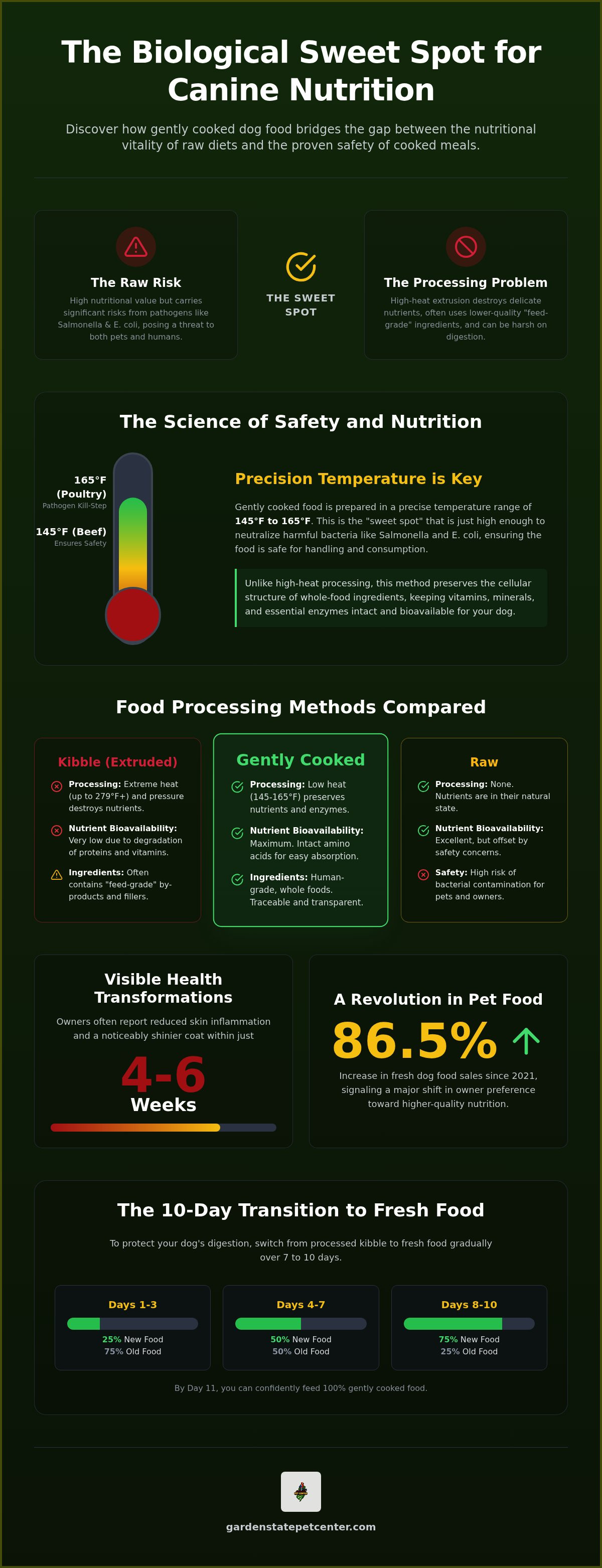
We know you're tired of second-guessing "feed-grade" labels or managing the discomfort of a sensitive stomach. You want to see vibrant energy and smaller, firmer stools every day. This guide promises to show you exactly how to transform your dog's long-term health through precise, low-heat nutrition. We will preview seven science-backed advantages, explaining why fresh dog food sales have risen 86.5 percent since 2021. You'll learn how these specialized diets support everything from improved digestion to a lustrous coat, giving you total confidence in your pet's daily nutrition.
Key Takeaways
- Learn why cooking at 145°F to 165°F provides the ultimate safety against pathogens while keeping the cellular structure of whole-food ingredients intact.
- Discover how high bioavailability ensures your dog absorbs maximum nutrients from fresh proteins, leading to improved muscle repair and sustained energy levels.
- Explore the long-term benefits of gently cooked dog food, including reduced skin inflammation and a noticeably shinier coat within just four to six weeks.
- Understand the critical 7 to 10 day transition rule to protect your dog’s digestion when switching from processed kibble to fresh, human-grade meals.
- Gain clarity on new AAFCO labeling regulations and how to identify truly traceable ingredients in premium brands like Open Farm and Raised Right.
What is Gently Cooked Dog Food? Safety Meets Fresh Nutrition
Gently cooked dog food represents a significant shift in how we approach canine wellness. It consists of high-quality, whole-food ingredients prepared at temperatures just high enough to neutralize harmful bacteria while keeping the cellular structure of the food intact. Unlike traditional kibble, which undergoes extreme pressure and heat, this method preserves the natural vitamins and minerals found in fresh meat and vegetables. One of the primary benefits of gently cooked dog food is this specific balance between the biological availability of raw diets and the clinical safety of cooked meals. It's the ideal solution for owners who want the best for their pets without the risks associated with raw handling.
To achieve a safe "kill-step" for pathogens like Salmonella, E. coli, and Listeria, the food must reach a specific internal temperature. Most premium brands target a range of 145°F to 165°F. This range ensures the meat is safe for human handling and canine consumption without the charring or nutrient degradation caused by high-heat processing. When we talk about "Human-Grade" food, we mean ingredients that are legally edible for humans and processed in facilities that follow human food safety standards. Brands like Open Farm and Raised Right, which we carry at Garden State Pet Center, prioritize this level of transparency. It ensures you aren't feeding "feed-grade" by-products often found in different types of dog food.
Gently Cooked vs. Traditional Canned Food
Traditional canned foods often undergo a "retort" process. This involves heating the food inside the sealed can to temperatures as high as 279°F to ensure shelf stability. While this kills bacteria, it often destroys delicate nutrients and alters the natural texture into a mushy pate. Gently cooked meals maintain the moisture and appearance of real food. Because these recipes don't use chemical stabilizers or high-heat processing, they rely on rapid freezing to stay fresh. This provides a preservative-free alternative that supports dogs with sensitive stomachs or picky appetites.
Why Temperature Control is the Key to Safety
Precision matters when preparing fresh meals. USDA guidelines require beef to reach an internal temperature of 145°F and poultry to reach 165°F to be considered safe for consumption. By sticking to these minimums, manufacturers avoid the formation of heterocyclic amines, which are carcinogenic compounds created during high-heat frying or grilling. After reaching these safety marks, the food is often flash-frozen. This step locks in the vitamins immediately, ensuring the nutrition remains potent until it hits your dog's bowl. Explore our premium dog food collection to see these standards in action and find the right fit for your pet's needs.
Maximum Bioavailability: The Science of Nutrient Absorption
Bioavailability isn't just a buzzword. It's the metric that determines if your dog actually benefits from the food you buy. While many diets claim high protein percentages on the label, the body's ability to absorb and utilize those nutrients varies wildly based on processing. One of the most transformative benefits of gently cooked dog food is how it respects the delicate structure of proteins. By using low heat, these meals keep amino acid chains intact. These intact chains are essential for muscle repair, immune function, and enzyme production. When proteins remain in their natural state, your dog's system doesn't have to work nearly as hard to break them down and send them where they're needed most.
This nutritional efficiency extends to the "living" components of the meal, such as phytochemicals and antioxidants found in fresh produce. High-heat methods often neutralize these compounds, leaving the food "dead" from a micronutrient perspective. Gently cooked recipes preserve these vital elements. They help combat oxidative stress and support long-term cellular health. Additionally, these meals provide natural moisture content that supports kidney and urinary tract health. This food-based hydration is far more effective than drinking water alone, as it assists in the smooth transport of nutrients through the bloodstream. If you're ready to see these results firsthand, you can explore our curated selection of fresh canine diets today.
The Problem with Extrusion and High-Heat Processing
Traditional kibble is typically manufactured through extrusion. This process often reaches temperatures of 350°F or higher. At these extreme levels, essential fatty acids like Omega-3s oxidize and become rancid. Heat-sensitive vitamins like B12 and C are almost entirely destroyed. This is why kibble manufacturers must add synthetic "vitamin packs" back into the food after processing to meet basic nutritional standards. These high temperatures also trigger the Maillard reaction, a chemical interaction between amino acids and reducing sugars that creates pro-inflammatory compounds. These compounds can contribute to chronic low-grade inflammation, which is often a hidden factor in skin allergies and joint discomfort.
Digestive Efficiency and Stool Quality
The most immediate proof of high bioavailability is found in your dog's stool. When a dog eats highly processed fillers, their body cannot process the bulk, resulting in large, soft, and frequent waste. Because the body utilizes nearly every ingredient in a gently cooked meal, there is significantly less undigested material left to be expelled as waste. This leads to smaller, firmer stools that are much easier to manage. This increased efficiency also reduces the workload on the pancreas and the rest of the digestive tract, preventing the "energy crashes" often seen after heavy, starch-laden meals. Your dog isn't just eating better; they're wasting less and feeling more vibrant throughout the day.
Gently Cooked vs. Raw and Kibble: Finding the Best Fit
Choosing the right diet feels like a balancing act between safety, time, and nutrition. While kibble offers unmatched convenience, it often lacks the fresh vitality your dog craves. Raw food provides that vitality but introduces pathogen risks that many families find uncomfortable. The benefits of gently cooked dog food shine here, offering the high-end nutrition of fresh ingredients with the peace of mind that comes from a sterile, cooked meal. It's the middle ground that doesn't force you to choose between health and safety.
Pathogen control is a major differentiator. The benefits of gently cooked dog food include a lower risk of household cross-contamination, which is vital for families with toddlers or immunocompromised seniors. Beyond safety, the aroma and texture of real, simmered meat often win over "kibble-refusers" who have grown bored of dry pellets. Even the pickiest dogs usually find these fresh recipes irresistible because they look and smell like actual food rather than processed brown rounds.
While the daily cost is higher than standard dry food, it functions as preventative medicine. High bioavailability means fewer digestive issues and better long-term organ health. Many owners find that the extra investment in fresh food pays off through fewer veterinary visits for skin allergies or GI distress. When you consider the cost of allergy medications or specialized diagnostic tests, a high-quality diet becomes a cost-effective strategy for your dog’s longevity.
The Raw Feeding Alternative
Some proponents of raw feeding argue that cooking destroys essential enzymes. However, gentle cooking at 145°F to 165°F preserves the majority of these "living" components while making the food significantly easier to digest. Many dogs with sensitive GI tracts actually struggle with the biological complexity of raw meat. For these pets, a lightly cooked meal is the perfect compromise that avoids digestive upset. Explore our curated selection of raw and holistic dog food to find the right balance for your pet's specific needs.
Bridging the Gap for Kibble Feeders
You don't have to switch 100 percent to see results. Many pet parents use gently cooked meals as a high-value topper to boost dry food nutrition. This strategy provides fresh enzymes and moisture without requiring massive amounts of freezer space. While kibble stays in the pantry for convenience, gently cooked food stays in the freezer until you’re ready to serve it. Compare gently cooked options with our premium dry dog food to see how a hybrid approach might fit your lifestyle and budget.
Visible Health Transformations: What Owners Can Expect
Switching your dog to a fresh diet often triggers a series of positive physical changes that you can see and feel. While the internal benefits of gently cooked dog food begin immediately, the outward transformations usually follow a predictable timeline. Most owners report a dramatic shift in energy levels within the first two weeks. Because fresh meals lack the heavy starch and "fillers" found in processed kibble, dogs avoid the typical blood sugar spikes and subsequent crashes. Instead, you'll likely notice a more stable, sustained vitality in adult dogs, making them appear years younger during their daily walks.
Oral health is another area where fresh food excels, despite the common myth that crunchy kibble cleans teeth. In reality, the high carbohydrate content in dry food often leaves a starchy residue that fuels plaque and gum inflammation. Gently cooked diets reduce this systemic inflammatory load. By eliminating "feed-grade" toxins and sugars, you support healthier gum tissue and fresher breath. To see which recipes might best support your dog's specific health goals, you can browse our premium gently cooked dog food selection.
One strategy many experts recommend to maximize these results is rotation feeding. This involves switching between different protein sources, such as turkey, beef, or lamb, every few weeks. This practice prevents the development of food sensitivities and ensures a more diverse range of amino acids and minerals. Since gently cooked brands like SmallBatch or Raised Right maintain high quality across all recipes, your dog can enjoy variety without the digestive upset often caused by switching between different brands of kibble.
The Gut-Skin Connection
Your dog's skin is a direct reflection of their internal gut health. A balanced microbiome, supported by bioavailable nutrients, reduces the "doggy odor" that many owners assume is just natural. When you provide high-quality Omega-3 fatty acids through lightly simmered fish or flaxseed, you strengthen the skin's moisture barrier. Owners typically notice a significant reduction in shedding and a deeper shine in their dog's coat within 30 to 45 days of making the switch. This shift also helps minimize the constant licking and scratching associated with environmental and food-based allergies.
Longevity and Disease Prevention
Maintaining a lean body condition is the most effective way to extend your dog's life. Gently cooked meals make weight management simple because they're calorie-dense and high in protein, which promotes satiety. This helps prevent obesity-related illnesses like diabetes and joint strain. By feeding bioavailable antioxidants instead of synthetic substitutes, you're providing the immune system with the tools it needs to fight off cellular damage. Reducing the long-term intake of processed toxins is a proactive step toward a longer, healthier life for your companion. If you need help tailoring a plan, contact us for pet nutritional consultations to get started.
How to Transition and Choose the Right Gently Cooked Brand
Transitioning your dog to a fresh diet is an exciting step toward better health, but it requires a structured approach to ensure their digestive system adapts comfortably. While the benefits of gently cooked dog food include high digestibility and nutrient absorption, a sudden change can still cause temporary GI upset. You should plan for a gradual shift over seven to ten days. This timeframe allows the beneficial bacteria in your dog's microbiome to adjust to the new protein structures and moisture levels without causing stress to the pancreas or colon.
When selecting a brand, look beyond the marketing on the front of the bag. Check for the AAFCO (Association of American Feed Control Officials) statement to confirm the recipe is "complete and balanced" for your dog's specific life stage. Truly premium options will also specify that they are produced in "Human-Grade" facilities. This means every ingredient is legally edible for humans and handled under strict safety protocols. Many brands we carry, such as Open Farm and SmallBatch, provide full traceability, allowing you to see exactly where each component was sourced. You can explore these high-standard options in our premium dog food collection.
While many companies offer generic online calculators, they can't replace the expertise of a professional who understands your dog's unique history. Consulting a certified pet nutritionist ensures your dog's specific needs, such as breed-specific requirements or chronic health conditions, are addressed. At Garden State Pet Center, we offer specialized care through our on-site nutritional experts. This ensures your transition to fresh food is safe, effective, and tailored to your pet's long-term wellness.
Step-by-Step Transition Guide
- Days 1-3: Mix 25% gently cooked food with 75% of the old diet. Watch for any signs of pickiness or immediate digestive changes.
- Days 4-6: Move to a 50/50 split. Monitor stool consistency closely; this is the best indicator of how well your dog is absorbing the new nutrients.
- Days 7-10: Increase to 75% gently cooked food before completing the full transition. You'll likely start to see improved energy levels during this phase.
Expert-Vetted Brands to Consider
We've curated a selection of brands that prioritize transparency and clinical precision. Open Farm is a leader in ethical sourcing, while SmallBatch offers exceptional protein integrity for sensitive pets. If your dog deals with known allergies, look for "Limited Ingredient" recipes that use a single protein source to minimize the risk of a reaction. Our certified nutritionist is available to help you customize a feeding plan that incorporates these brands effectively. Visit us to learn more about the benefits of gently cooked dog food and find the perfect match for your companion's needs.
Secure Your Dog's Long-Term Health with Fresh Nutrition
Gently cooked diets represent the ultimate intersection of clinical safety and biological vitality. By prioritizing low-heat preparation, you ensure your dog receives maximum nutrient absorption without the risks of pathogens or the chronic inflammation caused by high-heat processing. These meals bridge the gap between raw nutrition and kibble safety, offering a practical solution for even the most sensitive or picky eaters. You've discovered how these science-backed shifts lead to visible transformations in energy, digestion, and coat health.
We believe every pet deserves this level of specialized care. As a family-owned business serving our community since 1990, Garden State Pet Center provides the expert guidance you need to make the switch with confidence. We offer nationwide shipping on premium brands like Open Farm and Raised Right, ensuring high-end nutrition is always within reach. If you're ready to experience the full benefits of gently cooked dog food, our team is here to support you every step of the way.
Consult with our Certified Pet Nutritionist to find the perfect gently cooked diet for your dog. Let's work together to give your companion the vibrant, healthy life they deserve.
Frequently Asked Questions
Is gently cooked dog food better than raw food for my dog?
Gently cooked food is often the superior choice for families who prioritize safety or have dogs with delicate digestion. While raw diets provide natural enzymes, gentle cooking eliminates harmful pathogens like Salmonella while keeping those nutrients bioavailable. This method provides the vitality of fresh food without the risk of bacterial cross-contamination in your kitchen or household.
Do I need to add supplements to gently cooked dog food?
You don't need to add supplements if the food is labeled as complete and balanced. Premium brands like SmallBatch and Raised Right are formulated to meet AAFCO standards, meaning they already contain the precise ratios of vitamins and minerals required for health. Always check the packaging to ensure the recipe matches your dog's specific life stage.
How long does gently cooked dog food last in the refrigerator?
Most fresh meals remain safe and nutritious for 3 to 5 days in the refrigerator after they are thawed. For the best results, keep the food in its original sealed container or a glass jar to maintain moisture. If you buy in bulk, keep the majority in your freezer and only thaw what your dog will eat within that short window.
Can I cook my dog's food at home instead of buying it?
Home cooking is an option, but it's difficult to achieve a perfect nutritional balance without professional guidance. Many DIY diets lack critical minerals like calcium or essential amino acids, which can lead to long-term health deficiencies. We recommend consulting our on-site certified pet nutritionist to ensure any home-prepared recipe meets your dog's specific biological needs.
Why is gently cooked dog food so much more expensive than kibble?
The price reflects the use of human-grade whole meats and fresh produce rather than rendered "feed-grade" by-products and starchy fillers. You are paying for traceable ingredients, cold-chain logistics, and a lack of cheap additives like corn or soy. This investment in quality typically results in fewer veterinary visits for chronic issues like allergies or digestive distress.
Is gently cooked food safe for puppies and senior dogs?
Yes, these diets are excellent for dogs at both ends of the age spectrum. Puppies thrive on the high protein integrity for muscle growth, while seniors benefit from the natural moisture and easy-to-digest texture. The benefits of gently cooked dog food include high bioavailability, which is especially helpful for older dogs with slowing metabolisms or dental sensitivities.
Can gently cooked food help with my dog's allergies?
Fresh diets often resolve persistent skin and GI issues by removing the pro-inflammatory compounds found in high-heat processed kibble. Because brands like Open Farm use limited, traceable ingredients, it's much easier to avoid specific triggers. Many owners notice a significant reduction in scratching and paw licking within the first month of switching to a fresh, gently cooked diet.
What should I look for on the label of a gently cooked dog food brand?
Prioritize labels that list a specific, named protein as the first ingredient and carry a clear AAFCO adequacy statement. Look for "Human-Grade" certifications and avoid any products that include artificial preservatives, colors, or generic "meat" terms. Transparency is key, so choose brands that provide information about their sourcing and cooking temperatures to ensure maximum safety and nutrition.

Article by
Victor Santucci
Victor Santucci is the owner of Garden State Pet Center in Audubon, NJ, where he specializes in premium pet nutrition, exotic animals, and expert-level care. With years of hands-on experience and a passion for helping pets thrive, Victor is dedicated to educating pet owners on proper nutrition, enrichment, and species-specific care. His mission is simple: provide every pet with the highest quality products and every customer with honest, knowledgeable guidance.
Share this post
- 0 comment
- Tags: benefits of gently cooked dog food, dog digestion, dog nutrition, fresh dog food, gently cooked dog food, human-grade dog food, kibble alternative, pet health