

Gently Cooked Cat Food: The Ultimate Guide to Fresh, Nutrient-Dense Nutrition (2026)


What if the secret to doubling your cat's energy and finally resolving those stubborn digestive issues isn't found in a bag of dry kibble, but in a kitchen? You want the absolute best for your feline companion. Still, standing in the pet food aisle often feels like a guessing game of vague labels and hidden fillers. It is exhausting to manage food sensitivities or worry about the safety risks of raw meat while your picky eater remains unimpressed by standard canned options.
We understand that your cat is family, and you deserve a nutrition partner who prioritizes transparency over marketing jargon. This is why gently cooked cat food has become the gold standard for proactive pet parents. By lightly steaming human-grade ingredients, these diets preserve vital nutrients and moisture without the pathogens sometimes found in raw diets. In this guide, you will discover how to choose the best fresh options for your cat's unique needs. We will look at top-tier brands like Open Farm and Raised Right, explore the benefits for long-term kidney health, and show you how to transform your cat's coat quality through specialized, nutrient-dense nutrition.
Key Takeaways
- Understand how low-temperature preparation preserves essential enzymes and improves bio-availability compared to traditional high-heat processing.
- Learn why gently cooked cat food offers the nutritional power of raw diets while eliminating the safety concerns of bacterial pathogens.
- Master the professional 10-day transition protocol designed to help even the pickiest eaters embrace fresh, nutrient-dense ingredients.
- Discover how to decode "human-grade" labels and AAFCO adequacy statements to ensure your feline companion receives a perfectly balanced meal.
- Identify the specific dietary shifts that support long-term kidney health, vibrant coat quality, and sustained energy levels.
What is Gently Cooked Cat Food and Why is it Trending?
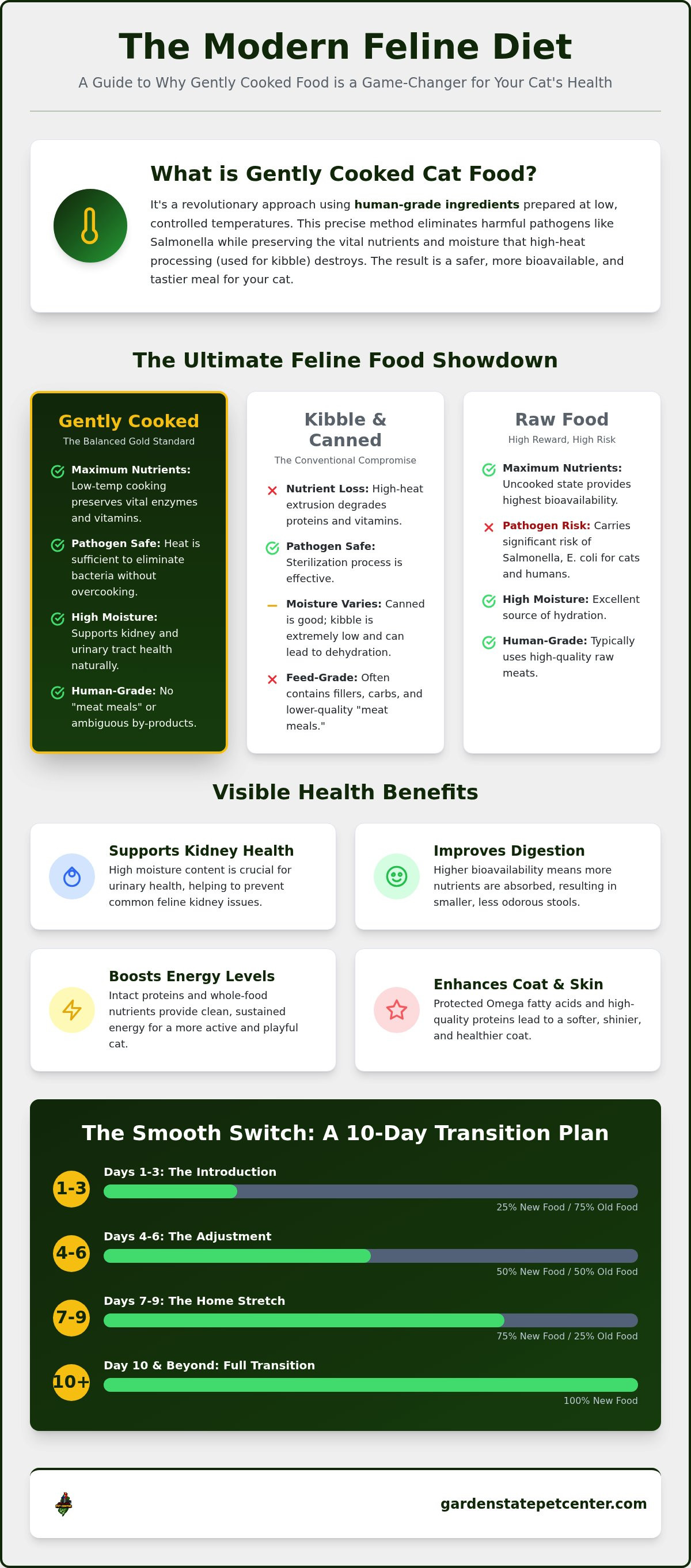
Gently cooked cat food represents a major shift in how we approach feline wellness. It involves taking whole, human-grade ingredients and preparing them at low, controlled temperatures. It's a precise technique; the food reaches a high enough heat to eliminate dangerous pathogens like Salmonella while protecting the delicate enzymes that high-heat processing often destroys. Many owners now abandon "burnt" brown kibble, which is subjected to extreme extrusion temperatures that can alter protein structures and strip away natural flavor.
Unlike standard canned options sterilized under high pressure for long-term shelf stability, these fresh meals are typically flash-frozen to lock in moisture. This high moisture content is a literal lifesaver for cats, as it supports critical urinary and kidney health. Picky eaters usually find the natural aroma and texture of fresh meat far more appealing than dry pellets. You can explore our premium selection of fresh feline diets to see how these ingredients differ from traditional options.
The Human-Grade Standard in Feline Nutrition
Most commercial pet foods use "feed-grade" ingredients. This category allows for lower-quality proteins that wouldn't be permitted in the human food supply chain. When we discuss gently cooked cat food, we are typically referring to human-grade muscle meats and organs. These ingredients are prepared in USDA-certified kitchens that follow the same rigorous safety protocols as the food on your own dinner table. This level of transparency ensures your cat eats actual turkey or beef rather than ambiguous "meat by-products" often found in big-brand labels.
Addressing the Obligate Carnivore Requirement
Your cat is an obligate carnivore, meaning their biology demands animal protein to thrive. The history of Cat food shows how diets have changed over decades, yet the feline need for taurine and specific amino acids remains constant. High-temperature cooking often degrades these essential nutrients, which forces manufacturers to add synthetic versions back in later. Gently cooked diets respect this biological blueprint by keeping proteins near their natural state. They also avoid the heavy carbohydrate fillers found in kibble, which cats struggle to digest and can lead to long-term weight issues.
The Nutritional Science: Why Low-Temperature Cooking Wins
The secret to superior feline health lies in the temperature of the kitchen. Traditional kibble undergoes a process called extrusion, where ingredients are blasted with high heat and pressure. This intensity causes significant protein denaturation, which changes the physical structure of the meat and can make it harder for your cat to process. In contrast, gently cooked cat food uses low-temperature methods that keep protein molecules intact and easy to digest. This careful approach also prevents the Maillard reaction, a browning process that creates advanced glycation end-products. These compounds are linked to systemic inflammation and can compromise your cat's long-term vitality.
Low-temperature cooking also protects heat-sensitive vitamins and essential fats. B-vitamins and Omega fatty acids are notoriously fragile; they often break down when exposed to the high temperatures required for shelf-stable dry food. By simmering ingredients slowly, these nutrients remain bio-available. The Cornell Feline Health Center notes that providing a complete and balanced diet is the most effective way to prevent nutritional deficiencies. Choosing a minimally processed diet ensures your cat receives these nutrients from whole food sources rather than just synthetic additives.
Bio-availability and Digestibility Scores
Digestibility is the specific measure of how efficiently a cat's body absorbs and utilizes nutrients, such as essential amino acids, from their food. Fresh-cooked muscle meats and organs offer much higher digestibility scores than the rendered "meat meals" found in standard pet store brands. When you switch to gently cooked cat food, you are providing fuel that the body can actually use. You will likely notice a change in the litter box within a few weeks. Because the body absorbs more of the food, the waste is typically smaller, firmer, and significantly less odorous.
The Moisture Cruciality for Feline Kidney Health
Cats are biologically designed to get their water from their food. Their ancestors thrived on prey that was roughly 70% water, and modern cats still have a very low thirst drive. Dry food, which usually contains less than 10% moisture, leaves many cats in a state of chronic dehydration. This puts immense strain on the kidneys and can lead to the formation of urinary crystals or stones. Gently cooked diets naturally provide 70-80% moisture, mirroring the hydration found in a natural feline diet. This extra fluid intake is essential for maintaining healthy renal function and flushing the urinary tract. If you're looking for a way to support your cat's internal health, you can browse our curated fresh-cooked selections to find the perfect match for your pet.
Gently Cooked vs. Raw vs. Canned: Which is Best?
Choose your feline's diet with both health and safety in mind. While raw diets, canned food, and gently cooked options all have proponents, the differences in safety and nutrient density are stark. Selecting gently cooked cat food allows you to provide the benefits of a fresh, species-appropriate diet without the logistical and health hurdles of other formats. It bridges the gap between the high bio-availability of raw meat and the clinical safety of cooked meals.
The Safety Advantage Over Raw Feeding
Eliminate the stress of bacterial contamination by choosing a controlled heating format. Raw diets carry a documented risk of pathogens like Salmonella and E. coli. The American Veterinary Medical Association has raised significant concerns regarding the public health risks of raw feeding, particularly in homes with children, seniors, or immunocompromised individuals. Gently cooking ingredients to precise temperatures kills these harmful bacteria while retaining the essential amino acids your cat needs. It is the most reliable way to achieve raw-level nutrition with total peace of mind for the entire household.
Why Gently Cooked Surpasses Canned Food
Consider the hidden additives in your cat's current wet food. Many canned options rely on BPA-lined containers and heavy, high-pressure processing to ensure a multi-year shelf life. To create that familiar pate or gravy texture, manufacturers often use thickeners like carrageenan or guar gum, which can trigger digestive upset in sensitive cats. You can find cleaner, whole-food alternatives in our premium cat food collections. These fresh-frozen recipes avoid industrial fillers and focus on transparently sourced proteins that look and smell like real food because they are real food.
Balance the immediate cost with long-term wellness. While fresh-frozen food requires freezer space and a different storage approach than shelf-stable cans, it functions as preventative medicine. Investing in high-quality nutrition today can lead to significant savings on veterinary bills for chronic issues like obesity, diabetes, and urinary tract infections later. High nutrient retention in gently cooked and freeze-dried formats means your cat absorbs more of what they eat, maximizing every dollar spent on their bowl. This efficiency makes gently cooked cat food a smart financial choice for the proactive pet owner.
How to Transition Your Cat to a Gently Cooked Diet
Switching your cat to a fresh diet requires patience and a strategic plan. Felines often exhibit neophobia, a biological reluctance to try new foods that stems from their history as solitary hunters. This instinct protects them in the wild, but it can make mealtime frustrating when you're trying to improve their health. If you rush the process, your cat might reject the meal entirely or experience minor stomach upset. A slow introduction allows their digestive enzymes to adjust and prevents the stress associated with sudden dietary changes.
Follow this 10-day protocol to ensure a smooth switch for your pet:
- Days 1-3: Mix 25% gently cooked cat food with 75% of their current food.
- Days 4-6: Move to a 50/50 split between the old and new diet.
- Days 7-9: Increase to 75% new food and 25% old food.
- Day 10: Serve a full bowl of the new nutrient-dense meal.
Monitor your cat closely during these ten days. Watch for changes in their litter box habits and overall energy levels. A successful transition results in firm stools and a noticeable "spark" in their behavior as they begin to absorb higher-quality proteins. If you're ready to start this journey, you can Shop our gently cooked cat food collection to find a flavor that appeals to your pet's specific palate.
Overcoming Feline Food Neophobia
Many cats become "addicted" to the high-salt coatings and artificial flavor enhancers found in heavily processed kibble. To break this cycle, use "flavor bridges" like a sprinkle of their favorite dry treat or a freeze-dried topper over the fresh food. Temperature also plays a vital role in palatability. Cats prefer their prey at "mouse-body temperature," which is approximately 101 degrees Fahrenheit. Warm the fresh food slightly in a warm water bath to enhance the natural aromas without destroying the delicate nutrients.
Troubleshooting Digestive Changes
It's common to see slight changes in stool consistency as the gut microbiome shifts to process fresh meat. If your cat experiences loose stools, slow the transition down and stay at the current ratio for a few extra days. For cats with chronic sensitivities or complex health histories, consulting a certified pet nutritionist can provide a tailored roadmap. Look for signs of a successful switch like a shinier coat, clearer eyes, and improved breath. These physical markers confirm that the nutrient-dense ingredients are being properly absorbed.
Choosing the Best Gently Cooked Brand for Your Cat
Selecting the right brand requires more than just looking at a pretty package. Start by verifying the AAFCO (Association of American Feed Control Officials) adequacy statement on the label. This statement confirms that the gently cooked cat food provides a complete and balanced diet for your pet's specific life stage. Kittens require higher caloric density and specific amino acid ratios for rapid growth; conversely, seniors benefit from easily digestible proteins that support aging kidneys without excessive phosphorus levels. Always match the recipe to your cat's current age and activity level.
Transparent sourcing is another non-negotiable factor for the modern pet parent. You should know exactly where the meat comes from. High-integrity brands provide traceability for every ingredient, ensuring that the muscle meats and organs are truly human-grade and ethically raised. At Garden State Pet Center, we specialize in this level of clinical precision. We curate our selection to include only manufacturers that meet these rigorous standards, moving far beyond the vague claims often found in big-box retail aisles.
Top Recommended Brands for 2026
Open Farm leads the industry with a focus on ethical sourcing and comprehensive third-party testing. Their recipes are fully traceable; you can use the lot code on the bag to see the origin of every ingredient. For owners seeking a strictly low-carbohydrate approach, Raised Right offers high-protein formulas with no synthetic vitamins or minerals. These brands represent the pinnacle of feline nutrition by focusing on whole-food ingredients rather than industrial fillers. You can explore these options in our full cat food catalog, which is available for nationwide shipping directly to your door.
The Role of Expert Guidance in Nutrition
Don't rely on social media trends or generic advice to dictate your cat's health. Nutrition is a complex science, and what works for one cat might not suit another's unique metabolic needs. Consulting a specialist ensures you are making data-driven decisions for your pet's longevity. Garden State Pet Center supports customers nationwide by providing access to deep nutritional expertise. We help you navigate the transition to fresh food with confidence, ensuring your first gently cooked cat food purchase is the right one.
Before you finalize your order, use this final checklist to ensure quality:
- Confirm the AAFCO "complete and balanced" statement is present.
- Verify that the first three ingredients are identifiable animal proteins like chicken or beef.
- Ensure the recipe is free from carrageenan, guar gum, and corn fillers.
- Check that the brand uses a USDA-certified kitchen for preparation.
- Confirm the food is appropriately formulated for your cat's specific life stage.
Secure Your Cat's Health with Fresh-Cooked Nutrition
Transitioning to a minimally processed diet is one of the most impactful decisions you can make for your feline's longevity. You now understand how low-temperature cooking preserves vital moisture for kidney health and protects the delicate proteins that high-heat extrusion destroys. By selecting human-grade ingredients, you eliminate the risks of pathogens while providing a meal that even the most neophobic cats can learn to love. This approach respects your cat's biology while prioritizing the safety of your entire household.
Since 1990, we've provided expert nutritional guidance to help pet parents navigate these specialized choices with confidence. As an authorized retailer for Open Farm and Raised Right, we ensure you have access to the highest standards of transparency and ethical sourcing. Choosing the right gently cooked cat food shouldn't be a guessing game; it's a proactive step toward a healthier, more energetic companion. We take pride in being a reliable resource for those who demand excellence in pet care.
Take the next step in your cat's wellness journey today. Shop our curated selection of Gently Cooked Cat Food for nationwide delivery. Your cat's vibrant future starts with a better bowl, and we're here to help you every step of the way.
Frequently Asked Questions
Is gently cooked cat food better than raw?
Gently cooked food is often considered a safer alternative to raw because it eliminates harmful pathogens through controlled heat. It provides the same bio-available nutrients as a raw diet without the risk of Salmonella or E. coli. This makes it a superior choice for households with children or senior cats with weakened immune systems. You get the benefits of fresh meat with the clinical safety of a cooked meal.
Can I cook my own gently cooked cat food at home?
You can prepare fresh meals at home, but achieving a perfect nutritional balance is extremely difficult without professional guidance. Cats require precise amounts of taurine, vitamins, and minerals that are often lost during home preparation. Using a commercially formulated gently cooked cat food ensures your pet receives a complete and balanced diet. This prevents long-term health issues caused by accidental nutrient deficiencies or improper calcium-to-phosphorus ratios.
Does gently cooked cat food need to be refrigerated?
Yes, you must treat fresh cat food exactly like human food by keeping it refrigerated or frozen. Because these recipes lack the artificial preservatives found in kibble, they will spoil quickly at room temperature. Keep thawed portions in the refrigerator for no more than three to five days. If you buy in bulk, store the extra packages in your freezer until you're ready to start using them.
Is gently cooked food suitable for cats with kidney disease?
Fresh-cooked diets are often excellent for kidney health due to their high moisture content and high-quality proteins. The extra hydration helps flush the urinary system and supports renal function. However, cats with advanced kidney disease may need specific phosphorus levels. Always consult your veterinarian or a certified pet nutritionist to ensure the specific recipe aligns with your cat's current stage of renal health and maintenance needs.
Why is gently cooked cat food so expensive?
The higher price reflects the use of human-grade muscle meats and the labor-intensive, small-batch cooking process. Unlike traditional kibble, which uses inexpensive rendered meals and fillers, gently cooked cat food prioritizes premium ingredients. You're investing in higher bio-availability and better long-term health. Many owners find that spending more on quality nutrition leads to fewer expensive veterinary visits for chronic digestive or urinary issues later in life.
How long does gently cooked cat food last in the freezer?
Most fresh-frozen cat food remains nutritionally sound for six to twelve months when kept in a deep freeze. Always check the "best by" date on the specific brand's packaging for the most accurate information. Once you move a package to the refrigerator to thaw, you should serve it within a few days. Proper storage ensures that the heat-sensitive vitamins and Omega fatty acids stay intact for your pet.
Can kittens eat a gently cooked diet safely?
Kittens can thrive on a fresh-cooked diet as long as the recipe is formulated for "growth" or "all life stages." These young cats need high levels of protein and specific amino acids to support their developing muscles and bones. Check the AAFCO adequacy statement on the label before feeding. Fresh-cooked options provide a great head start for a kitten's immune system and long-term digestive health.
What should I do if my cat refuses to eat fresh-cooked food?
If your cat is hesitant, try warming the food slightly or adding a familiar topper like crushed kibble or bonito flakes. Cats are often sensitive to texture and temperature; they usually prefer their meals at approximately 101 degrees Fahrenheit. Don't leave fresh food in the bowl for more than thirty minutes. If they still refuse, go back to a previous transition ratio and give their palate more time to adjust.

Article by
Victor Santucci
Victor Santucci is the owner of Garden State Pet Center in Audubon, NJ, where he specializes in premium pet nutrition, exotic animals, and expert-level care. With years of hands-on experience and a passion for helping pets thrive, Victor is dedicated to educating pet owners on proper nutrition, enrichment, and species-specific care. His mission is simple: provide every pet with the highest quality products and every customer with honest, knowledgeable guidance.
Share this post
- 0 comment
- Tags: cat kidney health, cat nutrition, feline health, fresh cat food, gently cooked cat food, human-grade cat food, picky eater cat