

The Ultimate Bird Supplies Buying Guide: Essentials for a Thriving Avian Companion


What if the very seeds you fill your pet's bowl with every morning are actually shortening their lifespan by up to 50%? It's a startling thought, yet many bird owners struggle with the conflicting advice surrounding avian care and safety. You want your companion to thrive, but the fear of toxic toy materials or choosing the wrong cage size for your specific species can make shopping feel like a minefield.
At Garden State Pet Center, we believe every pet owner deserves a trusted partner in health. Discover how to choose the highest-quality food, habitats, and enrichment toys to ensure your bird lives a long, healthy, and happy life. This guide provides a clear list of premium must-have supplies, explains species-specific nutritional needs, and builds your confidence in purchasing safe, durable accessories that truly support avian wellness.
Key Takeaways
- Discover why a seed-only diet is often nutritionally incomplete and how premium pellet formulations provide the essential balance your pet needs.
- Learn the critical safety standards for selecting a high-quality bird habitat, focusing on proper bar spacing and durable, non-toxic materials.
- Explore the science of avian enrichment and how foraging toys can prevent negative behaviors by stimulating your companion's natural instincts.
- Understand the importance of species-specific care to ensure your environment and supplies perfectly match the unique requirements of your feathered friend.
- Access our expert-curated list of top-tier product recommendations designed to support long-term health and mental well-being.
Understanding Your Bird’s Needs: A Foundation for Better Care
Providing a high quality of life for your bird requires more than a simple cage and a bag of seed. Comprehensive avian care is a delicate balance between specialized nutrition, a stimulating environment, and active mental health support. A comprehensive overview of avian diets reveals that nutritional requirements vary wildly between species; what sustains a budgie won't support the metabolic needs of a macaw. According to the Association of Avian Veterinarians, nutritional deficiencies remain a leading cause of health issues in captive birds. Relying on generic, one-size-fits-all supplies often leads to preventable illnesses or behavioral distress.
To better understand the foundational items your new companion needs, watch this helpful video:
Before making any drastic changes to your pet's routine, consult with a certified pet nutritionist. They provide the expert guidance needed for safe diet transitions, ensuring your pet doesn't experience "food shock" or refusal. To avoid common retail mistakes, adopt a trusted shopping framework that prioritizes species-specific functionality over aesthetic appeal. This proactive approach ensures your home environment mimics the natural complexity these intelligent animals require.
The Responsibility of Avian Ownership
Choosing to bring a feathered friend into your home is a long-term commitment. Many species, such as African Greys or Cockatoos, can live between 40 and 60 years in captivity. Investing in high-quality equipment today reduces medical costs and replacement fees over these decades. A Premium Pet Food strategy serves as your first line of defense against illness. Durable stainless steel bowls and powder-coated cages resist the wear and tear of powerful beaks, keeping your pet safe and your budget intact. Quality gear isn't just a luxury; it's a necessity for long-term wellness.
Categorizing Your Bird: Small, Medium, or Large?
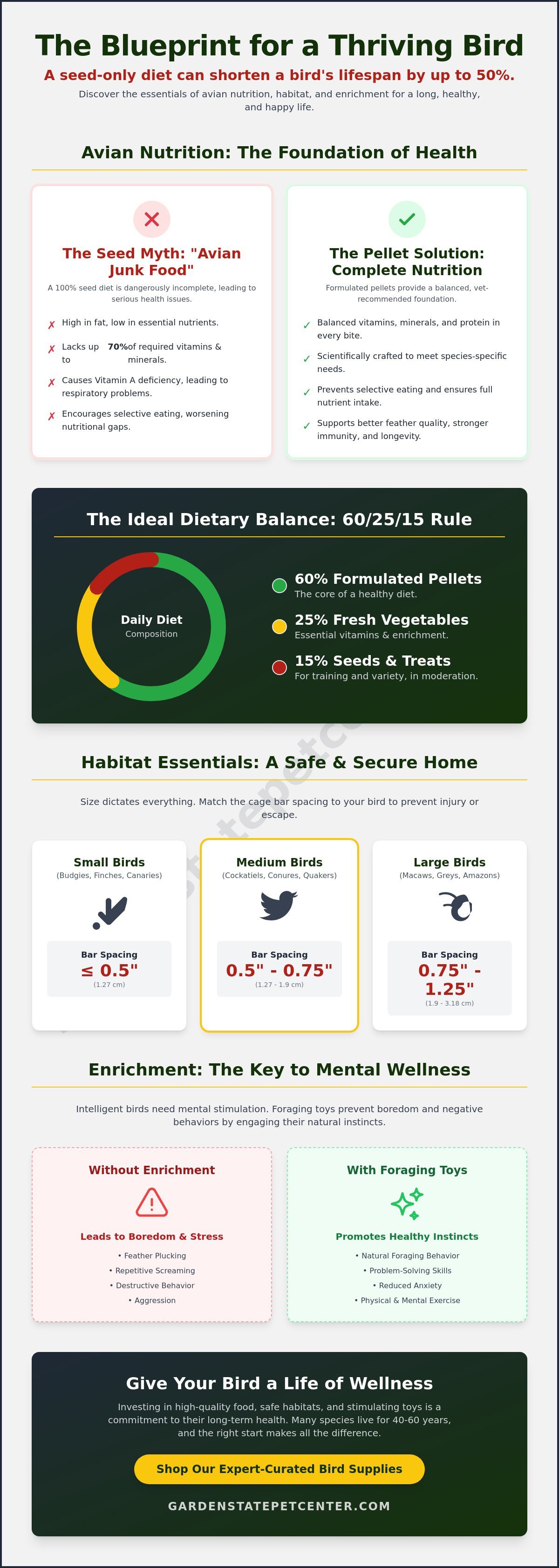
Size dictates every purchase you make, from the gauge of the wire in a cage to the size of a food pellet. Small birds like Budgies and Canaries require narrow bar spacing of 0.5 inches or less to prevent escape or injury. Medium birds like Cockatiels or Conures need sturdy perches with varied diameters to prevent bumblefoot. Large species, including African Greys and Amazons, require heavy-duty toys and large-diameter pellets to satisfy their foraging instincts. You can find specialized gear for every size in our Bird collection. Matching the supply to the species ensures your pet thrives in a habitat designed specifically for their unique biology.
Avian Nutrition: Comparing Pellets, Seeds, and Fresh Diets
For decades, the "Seed Myth" misled many owners into believing a 100% seed diet was sufficient for their pets. In reality, seeds are the avian equivalent of junk food. They're high in fat and lack 70% of the essential vitamins and minerals required for long-term health. When a bird eats only seeds, it often suffers from Vitamin A deficiency, which leads to respiratory issues and poor feather quality. Transitioning to high-quality formulated pellets ensures your pet receives a balanced intake in every bite. These pellets are scientifically crafted to prevent selective eating, a behavior where birds pick out only the tastiest, least nutritious bits from a mix.
Variety is the spice of life, but fresh produce can spoil in as little as 2 hours in a warm room. Freeze-dried fruit and vegetable mixes offer a brilliant solution. They provide the cellular benefits of raw produce without the risk of bacterial growth or messy cage floors. For birds with specific life-stage needs, specialty formulas are vital. Breeder diets typically contain 18% to 20% protein to support the physical demands of chick-rearing, while senior nutrition focuses on reduced fat to prevent hepatic lipidosis, a common liver condition in older birds.
The Ideal Dietary Balance
Most avian experts recommend following the 60/25/15 rule for daily feeding. This protocol suggests that 60% of the diet should consist of pellets, 25% of fresh or freeze-dried vegetables, and only 15% of seeds or high-value treats. When you evaluate food labels, look for whole-food ingredients like ground switchgrass or alfalfa rather than "animal by-products" or excessive corn fillers. It's also helpful to seek guidance on selecting and caring for your pet bird from veterinary associations to ensure your habitat matches your dietary goals. For owners of female pets, using Avian DNA Sexing is a proactive way to manage health, as females require significantly higher calcium levels during potential egg-laying cycles to prevent life-threatening egg binding.
Bird Treats and Supplements
Cuttlebones and mineral blocks are non-negotiable supplies for any cage. They serve a dual purpose by providing a steady source of calcium and offering a hard surface for your bird to naturally groom its beak. Don't use treats as a primary meal source; instead, reserve spray millet or sunflower seeds for positive reinforcement training sessions. Bioavailable supplements are essential for birds with limited sunlight exposure because they provide Vitamin D3 that the body can immediately process without UV synthesis. If you're ready to upgrade your pet's menu, you can shop our premium nutrition collections to find formulas tailored to your specific species.
Selecting the Perfect Habitat: Cages and Enclosures
Your bird spends the majority of its life within its enclosure, making the cage the most critical investment you'll make. Safety begins with precise bar spacing. For small species like finches or parakeets, spacing must be 0.5 inches or less to prevent head entrapment. Medium parrots like cockatiels need 0.5 to 0.75 inches, while large macaws require 1 to 1.5 inches. Material choice is the next priority. Medical-grade stainless steel is the gold standard because it won't rust, chip, or harbor bacteria. High-quality powder-coated steel is a reliable second choice. Avoid cheap painted wire, which often contains toxic lead or zinc that can lead to heavy metal poisoning if chewed.
Prioritize width over height during your search. Birds fly horizontally, not vertically like helicopters. A cage that's 30 inches wide offers more functional exercise space than a tall, narrow unit. Maintenance is another factor for long-term success. Choose models with deep, slide-out debris trays and rounded corners. These features can reduce your daily cleaning routine by 15 to 20 minutes, ensuring a more hygienic environment with less effort.
Interior Design: Perches and Placement
Foot health depends on variety. Using only uniform dowel perches causes pressure sores, often called bumblefoot, and can lead to chronic arthritis. Provide at least three different diameters and textures. Natural wood branches like manzanita or dragonwood are excellent because they mimic the uneven surfaces found in the wild. While concrete grooming perches help maintain nail length, don't use them as the primary sleeping spot. Proper placement is a core component of how you care for your pet bird. Put the cage in a social area like the living room, but keep at least one side against a wall so your pet feels secure. Never place a cage in the kitchen. Fumes from overheated non-stick pans are toxic to avian lungs and can cause sudden death.
Travel and Temporary Housing
A secure travel carrier is a non-negotiable tool for vet visits or emergencies. Look for a carrier with a front-loading door and a sturdy perch. For households with diverse pets, our small animal supplies can help you manage the needs of every creature in your home. If you're using a temporary boarding cage, ensure it's large enough for the bird to fully extend its wings without touching the sides. This prevents feather tattering and reduces the stress associated with a change in environment. A temporary setup should still feature familiar toys and at least two different perch styles to maintain a sense of normalcy.
The Psychology of Play: Enrichment and Foraging Toys
In the wild, a bird spends roughly 70 to 80 percent of its waking hours searching for food. When this instinct is suppressed in a home environment, the resulting boredom often manifests as feather plucking or excessive screaming. Mental stimulation isn't a luxury. It's a physiological requirement. Providing a variety of textures and challenges keeps their minds sharp and their bodies active.
Different categories of play serve unique psychological needs. You should provide a mix of the following items to ensure a well-rounded environment:
- Shredding Toys: Use materials like yucca, sola, or balsa wood to satisfy the natural urge to chew and destroy.
- Foot Toys: Small, handheld objects like plastic keys or wicker balls help improve dexterity and grip strength.
- Puzzles: Level-based challenges that require sliding or turning parts to reveal a hidden treat.
- Noise-makers: Stainless steel bells provide auditory feedback without the risk of heavy metal poisoning.
Safety is paramount during every play session. You must inspect every accessory daily for frayed cotton ropes, which can entangle a wing or neck. Ensure all metal components are made of stainless steel. This prevents zinc or lead toxicity, which are two of the most frequent causes of emergency avian vet visits. If a toy becomes heavily soiled or broken, remove it immediately to prevent ingestion of dangerous fragments.
Rotating Your Bird’s Toy Selection
Don't let the cage environment become stagnant. Swap out at least 50 percent of the toys every 14 days to maintain a sense of novelty. For "anxious pets" or shy individuals, place new objects near the cage for 48 hours before moving them inside. This desensitization process prevents neophobia, the fear of new things. Adding enrichment accessories like swings and ladders also encourages vertical movement, which helps maintain cardiovascular health and muscle tone.
Foraging Systems and Enrichment
Transitioning from a standard bowl to a foraging-based system mimics natural survival patterns. Start by covering a portion of their food dish with a piece of paper, forcing them to poke through it. Cognitive engagement is as vital as physical nutrition for psittacines. It turns mealtime into a rewarding game rather than a passive activity. You can explore the Bird Toys and Accessories collection for the latest in avian puzzles designed to challenge even the smartest parrots.
Visit our shop to find trusted bird enrichment supplies that promote a healthy, happy lifestyle for your companion.
Top Product Recommendations from our Trusted Collection
Choosing the right supplies for your bird ensures a long, vibrant life. Our team at Garden State Pet Center selects every item based on safety, durability, and nutritional science. We prioritize products that meet the specific physiological needs of exotic species, from metabolic support to cognitive enrichment.
Harrison’s Bird Foods remains our top-tier recommendation for daily nutrition. This brand offers a 100% organic, non-GMO formula that eliminates the risks associated with pesticides and artificial preservatives. The Adult Lifetime Fine pellets provide a complete nutrient profile, ensuring your companion receives the exact vitamins and minerals required for healthy organ function and lustrous feathers. Transitioning to a high-quality pellet can reduce the risk of fatty liver disease, a common issue in seed-only diets.
Mental stimulation is just as vital as physical health. We recommend the Creative Foraging Systems Mastermind as a best-in-class toy. It features clear compartments that challenge a bird to solve puzzles to access their favorite treats. This problem-solving activity mimics natural wild behaviors, significantly reducing stress and preventing boredom-related issues like feather plucking.
Maintenance is easier with the right tools. Poop-Off Bird Poop Remover is a durable, effective cleaner that is completely safe for avian respiratory systems. It uses a non-toxic, biodegradable formula to dissolve droppings without the need for harsh scrubbing or dangerous fumes. For a palatable mineral boost, we suggest Lafeber’s Nutri-Berries. These offer 100% balanced nutrition while providing the beak-smacking texture of a treat, making them a favorite for even the pickiest eaters.
Expert Picks for Small Birds (Parakeets & Finches)
Small flyers require precision-engineered accessories. We recommend small-gauge manzanita perches with diameters between 0.5 and 0.75 inches to prevent bumblefoot and arthritis. For nutrition, fine-milled pellets like ZuPreem FruitBlend in "extra small" sizes are easier for tiny beaks to manage. High-energy finches benefit from flight-friendly habitat accessories like vertical swings and silk leaf covers. Shop the full Bird collection to find these specialized small-bird essentials.
Expert Picks for Large Parrots (Macaws & Cockatoos)
Large parrots possess incredible beak strength, requiring heavy-duty shredder toys. We feature toys made from thick Java wood and stainless steel that withstand intense chewing. Their metabolic needs are higher, so we recommend nut-rich food blends like Higgins Mayan Harvest. These blends provide the healthy fats and proteins necessary for large-bodied birds. Investing in these expert-vetted items ensures your parrot stays physically strong and mentally engaged for decades to come.
Elevate Your Avian Care Standards Today
Providing a vibrant life for your bird involves more than just basic cage requirements. It starts with a foundation of superior nutrition and interactive enrichment that mirrors natural foraging behaviors. Since 1990, Garden State Pet Center has supported local enthusiasts with expert-vetted supplies that prioritize animal welfare. Our staff includes a Certified Pet Nutritionist who understands the precise dietary needs of different species. We've spent over 30 years ensuring that every habitat and toy we offer meets the highest safety benchmarks.
You've seen how the right diet and play environment can prevent common health issues. Now it's time to put that knowledge into practice with professional-grade gear. Your pet's health shouldn't be a guessing game. Whether you're upgrading a flight cage or selecting the perfect pellet blend, you can rely on our deep industry experience. We're here to help you build a thriving home where your companion feels safe and stimulated every single day.
Shop Premium Bird Food, Toys, and Supplies
We look forward to helping you and your feathered friend enjoy many happy, healthy years together.
Frequently Asked Questions
What is the best type of food for a parrot?
A premium pellet diet is the best foundation for your parrot, as it should make up 60% to 70% of their daily intake. This ensures your bird receives balanced nutrition and prevents the selective eating habits often seen with seed mixes. Supplement this base with 20% fresh vegetables like kale or peppers and 10% low-sugar fruits. Shop our expert-selected pellets to provide the essential nutrients your companion needs to thrive every day.
How big should my bird cage be?
Your cage must be large enough for your pet to fully extend its wings and fly between perches without hitting the sides. For small species like finches, a minimum width of 24 inches is required, while larger parrots need at least 36 to 48 inches of horizontal space. Choose an enclosure that is at least 2 times the wingspan of your pet to prevent muscle atrophy. Discover our range of spacious cages designed for maximum comfort and safety.
Are all bird toys safe for every species?
Not all toys are safe for every species because beak strength and toy durability vary significantly between birds. A toy designed for a parakeet might have small bells or clips that a macaw can easily crush and swallow, leading to 100% preventable choking hazards or metal toxicity. Always match the toy's material to your pet's specific size and chewing habits. Check our curated collection for species-specific safety ratings to ensure your pet stays occupied without risk.
Do birds need vitamins in their water?
Most avian experts advise against adding vitamins to water because it promotes rapid bacterial growth within 2 to 4 hours of application. Your bird might also dislike the altered taste, which can lead to dangerous dehydration if they refuse to drink. Instead, provide a balanced pellet diet or sprinkle powdered supplements directly onto fresh moist food. This trusted method ensures your pet consumes the nutrients while keeping their water supply clean and fresh.
How often should I change my bird’s toys?
Rotate your pet's toys every 7 to 14 days to maintain mental stimulation and prevent behavioral issues like feather picking. Introducing 2 or 3 new items while removing old ones keeps the environment fresh and mimics natural foraging challenges found in the wild. This regular change reduces boredom, which affects approximately 10% of captive parrots. Visit our store to find a variety of textures and puzzles that challenge your pet's intellect and keep them engaged.
What is the difference between a seed diet and a pellet diet?
A seed diet is typically high in fat and lacks 15 to 20 essential vitamins and minerals, which can lead to fatty liver disease over time. In contrast, pellets are scientifically formulated to provide 100% complete nutrition in every single bite. While seeds are excellent as high-value training rewards, they shouldn't exceed 5% of the total diet. Transitioning to a premium pellet ensures your pet maintains vibrant plumage and a strong immune system throughout their life.
How can I tell if my bird is bored or stressed?
Watch for indicators like feather destructive behavior, repetitive pacing, or excessive screaming, which often signal high stress levels or lack of enrichment. A bored pet might also exhibit "pinning" eyes or lunging at cage bars when you approach. Research shows that providing 3 to 4 different foraging opportunities daily can reduce these negative behaviors by up to 50%. Take advantage of our expert advice to identify these early warning signs and improve your companion's mental health.
Where should I place my bird cage for the best health?
Place the cage in a corner of a frequently used room so your pet feels like part of the family while having 2 solid walls for security. Avoid kitchens due to toxic fumes from non-stick cookware and keep the enclosure at least 3 feet away from drafty windows or air vents. Positioning the cage at chest height helps your pet feel confident and safe. This strategic placement ensures they get the 10 to 12 hours of undisturbed sleep they require.