

The Ultimate Guide to Raw Dog Food: Benefits, Safety, and Expert Nutrition


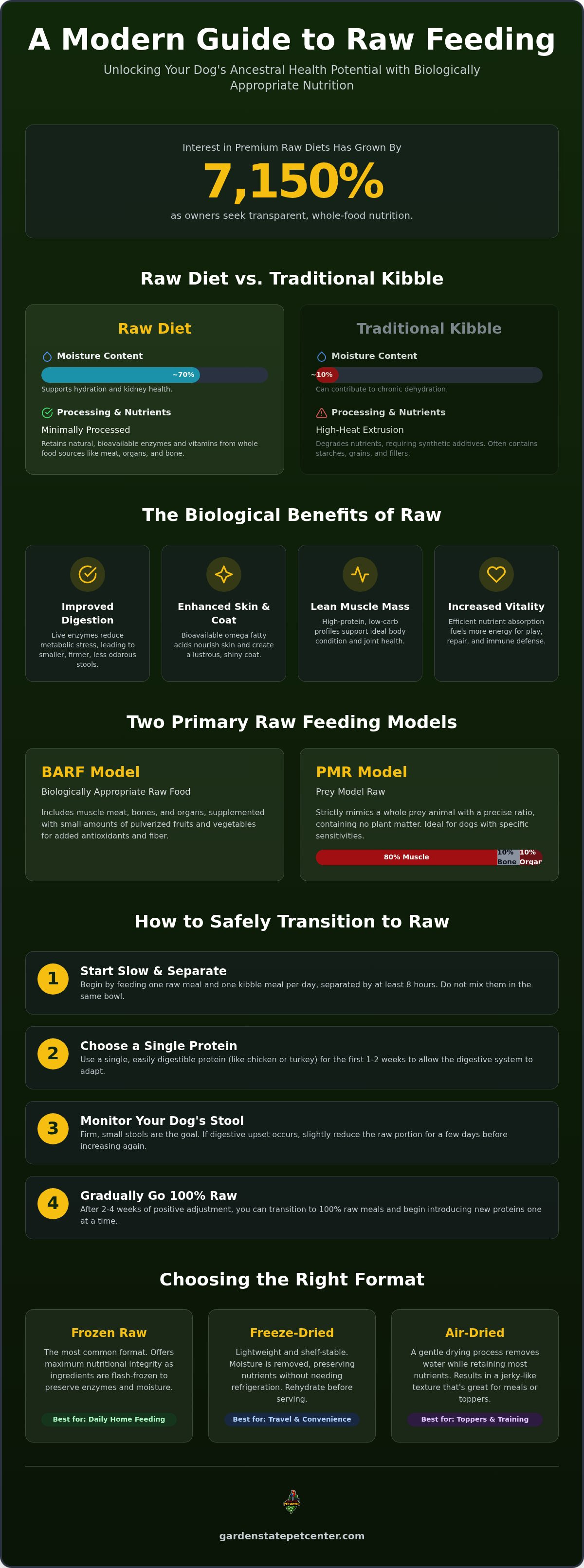
What if the key to your dog's vibrant health and better digestion isn't hidden in a bag of processed kibble, but in their ancestral diet instead? You've likely felt the frustration of scanning ingredient labels only to find vague fillers and high-heat processing that strips away vital nutrients. It's natural to feel concerned about bacterial safety or the complexity of balancing vitamins at home. You aren't alone in this search; interest in premium raw feeding has grown by a staggering 7,150% recently, as more owners look for the best raw dog food brands to support their pets' longevity.
At Garden State Pet Center, we believe you deserve a partner who understands the science of canine nutrition. This guide reveals the proven benefits of raw feeding and provides a clear, step-by-step framework for a safe transition. We've gathered insights from our certified pet nutritionists to help you understand safety standards, avoid common pitfalls, and ensure every meal is nutritionally complete. You'll move beyond the confusion and feel confident giving your dog a diet that truly helps them thrive.
Key Takeaways
- Understand how a biologically appropriate diet of uncooked meats and organs aligns with your dog’s ancestral nutritional needs.
- Discover the science behind improved digestion and coat health driven by bioavailable enzymes and omega fatty acids.
- Compare the benefits of frozen, freeze-dried, and air-dried formats to identify the best raw dog food brands for your lifestyle.
- Follow a professional-led transition plan using single proteins to ensure a safe and comfortable digestive adjustment for your pet.
- Learn how to customize raw nutrition for specific life stages with guidance from certified pet nutritionists to ensure long-term wellness.
What is Raw Dog Food and Why are Owners Switching?
Raw feeding is a nutritional philosophy centered on providing dogs with uncooked, minimally processed ingredients that mirror what they would consume in the wild. This diet typically includes a precise balance of muscle meats, edible bones, and vital organ meats. By returning to this "Ancestral Diet" concept, you're aligning your dog's modern nutrition with their evolutionary biological needs. Many pet parents are moving away from heavily processed options because they want transparency. They're tired of seeing vague fillers and synthetic additives on labels. Instead, they want whole food sources that provide visible health results you can see in your dog's energy and coat.
Choosing to transition often starts with a search for the best raw dog food brands, but understanding the "why" behind the switch is just as vital. Dogs possess short digestive tracts and highly acidic stomachs designed to break down raw proteins efficiently. When you provide nutrients in their most natural state, you're supporting their system rather than forcing it to work overtime to process complex carbohydrates and starches found in traditional bags. We've helped many families at Garden State Pet Center make this shift, and the results often speak for themselves through smaller stools and fresher breath.
BARF vs. Prey Model Raw (PMR)
Two primary models dominate the raw feeding community. BARF, which stands for Biologically Appropriate Raw Food, includes a mix of meat, bones, and organs alongside small amounts of pulverized fruits and vegetables. This model provides a wide array of antioxidants and fiber. In contrast, Prey Model Raw (PMR) attempts to mimic a whole prey animal exactly, usually following an 80/10/10 ratio of muscle meat, bone, and organs without any plant matter. The right choice depends on your dog's specific health requirements and digestive sensitivity. Some dogs thrive with the added phytonutrients in BARF, while others with extreme sensitivities do better on a strict PMR protocol.
Raw vs. Traditional Kibble: The Bioavailability Factor
Bioavailability refers to how easily your dog's body can absorb and use nutrients. Traditional kibble is manufactured through high-heat extrusion, a process that can degrade the integrity of natural vitamins and enzymes. Manufacturers must then add synthetic vitamins back in to meet nutritional standards. Raw food retains these delicate enzymes in their live state. Moisture is another critical factor. Raw diets consist of approximately 70% moisture, which supports kidney health and hydration. Standard kibble sits at around 10% moisture, often leaving dogs in a state of mild, chronic dehydration. You'll notice the difference in the yard, too; raw-fed dogs typically produce smaller, firmer, and less odorous stools because their bodies are actually utilizing the majority of what they eat. If you're ready to explore these benefits, you can view our curated selection of premium dog food to find a solution that fits your pup's needs.
The Biological Benefits of a Biologically Appropriate Diet
Switching to a raw diet provides your dog with the specific tools their body needs for peak performance. Raw food arrives at the digestive tract with its natural enzymes intact. These live enzymes assist the pancreas in breaking down nutrients, which reduces metabolic stress and supports a diverse, resilient gut microbiome. When the digestive system isn't struggling to process complex starches or synthetic binders, your dog can allocate more energy toward cellular repair and immune defense. This efficient processing leads to the most immediate sign of health: significantly smaller, firmer stools that decompose quickly and naturally.
You'll also notice a dramatic transformation in your dog's skin and coat. Traditional diets often lose delicate omega fatty acids during high-heat processing. In contrast, the best raw dog food brands preserve these bioavailable fats in their natural state. These essential fatty acids nourish the skin from the inside out, often resolving chronic dryness and giving the coat a deep, lustrous shine. Beyond the surface, a high-protein, low-carbohydrate profile helps your dog maintain lean muscle mass. This metabolic shift is crucial for weight management and long-term joint health, especially for senior dogs or breeds prone to obesity.
Nutritional Bioavailability in Organ Meats
Organ meats serve as nature's most potent multivitamins. Liver, kidney, and spleen provide concentrated doses of Vitamin A, B vitamins, and essential trace minerals like iron and zinc. These tissues are also rich in taurine and vital amino acids that support robust cardiac function and vascular health. Bioavailability in raw organ meats refers to the rate and extent to which the body's digestive system can successfully extract and utilize the high concentrations of vitamins and minerals found in these nutrient-dense tissues. By including these "superfoods," you ensure your dog receives foundational nutrition without the need for synthetic supplementation.
Immune System and Allergy Relief
Many common pet ailments, such as itchy paws or chronic ear infections, stem from systemic inflammation caused by grain-based fillers and legumes. Removing these inflammatory triggers allows the immune system to reset. A healthy gut serves as the primary barrier against pathogens, and a raw diet strengthens this defense by fostering beneficial bacteria. While the health perks are extensive, always follow FDA guidance on raw pet food safety to ensure you are handling these ingredients with the necessary care and clinical precision. Rotating through various proteins also helps prevent the development of new sensitivities, keeping your dog's immune response balanced and effective. If you want to see how these biological improvements can help your pet, browse our curated premium raw dog food options today.
Choosing Your Format: Frozen, Freeze-Dried, and Air-Dried Raw
Deciding on the right format is often the biggest hurdle for new raw feeders. Your choice impacts your daily routine, storage space, and monthly budget. While you search for the best raw dog food brands, you will encounter three main categories: frozen, freeze-dried, and air-dried. Each offers a unique balance of biological integrity and lifestyle convenience. Understanding these differences allows you to tailor your dog's nutrition to your specific household needs without sacrificing quality.
When to Choose Frozen Raw
Frozen raw is the gold standard for many because it is the closest thing to a fresh-kill diet. It maintains the highest natural moisture content and preserves delicate enzymes perfectly. This format is especially cost-effective for multi-dog households or owners of large breeds who require higher caloric intake. Brands like Tucker’s and OC Raw provide pre-portioned patties that take the guesswork out of serving sizes and nutritional balance. You can explore a variety of these frozen solutions in our Garden State Pet Center Dog Collection. Just remember to plan ahead. You will need dedicated freezer space and time for safe thawing in the refrigerator to maintain the integrity of the proteins.
The Versatility of Freeze-Dried and Air-Dried
If freezer space is limited or you travel frequently, shelf-stable options are game-changers. Freeze-dried food undergoes a process that removes moisture while retaining 99% of its original nutrients. It is incredibly lightweight and acts as a fantastic high-value training treat or a nutritional booster for picky eaters. Vital Essentials is a leader here, offering proteins that are easy to serve on the go. To get the most out of freeze-dried meals, always rehydrate them with warm water or bone broth. This restores the moisture your dog needs for healthy kidney function and better digestion.
Air-dried food offers a texture similar to traditional kibble but without the high-heat processing. It is slowly dehydrated at low temperatures to neutralize pathogens while keeping the proteins intact. While exploring these formats, it is helpful to review the AVMA policy on raw diets to understand the importance of strict hygiene and brand reliability. Choosing high-end, professionally tested brands ensures you are providing the safest possible experience for your family. Ultimately, the best format is the one you can feed consistently and safely every single day.
How to Safely Transition Your Dog to Raw Food
Transitioning your dog to a biologically appropriate diet requires a methodical approach to ensure their digestive system adapts without stress. You shouldn't rush this change. Start by determining your dog's specific caloric and nutrient requirements. Factors like age, activity level, and current health status play a massive role in how much they should eat. Consulting with a professional helps you avoid the common mistake of underfeeding or overfeeding during the switch. Once you have a plan, begin with a bland, single protein such as chicken or turkey. These are typically easier to digest and allow you to monitor your dog's stool consistency closely.
Over a period of 7 to 10 days, you can gradually introduce organ meats and edible bones. This slow integration prevents the digestive upset that often occurs when moving from dry kibble to rich, nutrient-dense raw ingredients. Choosing among the best raw dog food brands simplifies this process, as many offer "starter" grinds that are already balanced for beginners. Always practice strict hygiene by sanitizing all bowls, utensils, and surfaces immediately after every meal to keep your household safe. Treat raw pet food with the same level of care you would use when preparing fresh meat for your own family.
Managing the Transition Period
Your dog might experience a brief adjustment period as their body shifts to a cleaner fuel source. You may notice signs like slightly loose stools or temporary lethargy. Don't panic. These are often normal reactions as the gut microbiome recalibrates. Incorporating high-quality probiotics and digestive enzymes can provide significant support during this phase. If these symptoms persist for more than a few days, reach out to our on-site certified pet nutritionist. We can help you adjust the protein rotation or portion sizes to better suit your dog's unique needs and ensure they are absorbing every vital nutrient.
Safe Handling and Storage Standards
Maintaining a "Thaw, Serve, Clean" workflow is the most effective way to prevent cross-contamination in your kitchen. Keep raw meals in the freezer until 24 hours before feeding, then move them to the refrigerator to thaw slowly. Raw meat should only stay in the fridge for up to two or three days before it is used or discarded. To ensure maximum safety, raw pet food must be stored at or below 0 degrees Fahrenheit in the freezer and maintained below 40 degrees Fahrenheit during the thawing process in the refrigerator to inhibit the growth of harmful bacteria. If you are ready to start this journey with expert support, explore our premium raw food selection and find the perfect match for your pup today.
Expert-Curated Raw Solutions and Professional Guidance
Selecting the right brand is the final piece of the nutritional puzzle. While the market is expanding, not every bag or patty meets the rigorous standards required for long term health. You must prioritize companies that emphasize transparent sourcing, frequent safety testing, and adherence to AAFCO nutritional standards. For beginners, looking for a "Complete and Balanced" label is vital. This ensures the recipe contains the correct ratios of vitamins and minerals without requiring you to play chemist in your kitchen. At Garden State Pet Center, we've curated a selection of the best raw dog food brands to take the guesswork out of your shopping experience.
Life stage customization is another area where professional insight becomes invaluable. Puppies require specific calcium to phosphorus ratios to support skeletal growth, while senior dogs often benefit from lower fat profiles and increased joint support. A one size fits all approach rarely works for specialized needs. This is why we provide access to certified pet nutritionists. Professional consultations help you fine tune these variables, ensuring your dog receives a diet tailored to their specific biological clock and activity level.
Top-Tier Raw Brands to Consider
- SmallBatch: This brand stands out for its commitment to local sourcing and the integration of organic produce. They use pasture raised meats and organic herbs to provide a nutrient dense profile that supports systemic health.
- OC Raw: If your dog has specific sensitivities, OC Raw offers an impressive variety of unique proteins. Their frozen formats are processed with clinical precision to maintain the integrity of every ingredient.
- Vital Essentials: Known for their "Alpha" prey model approach, they focus on a simplified ingredient list. This is an excellent choice for owners who want to stick to a strict meat, bone, and organ diet without extra vegetation.
Next Steps: Beyond the Bowl
Once you've selected a foundation, consider how to optimize your dog's routine for their specific health goals. You might add targeted supplements for heart health or skin support depending on your breed's predispositions. Beyond nutritional support, ensuring your pet's safety is a key part of their well-being, and nexa group offers specialized products for dog protection. We encourage you to join our loyalty program, which makes it easy to manage recurring national deliveries and ensures you never run out of your dog's favorite proteins. For a deeper look at how raw feeding fits into a holistic wellness plan, read our Premium Pet Food Guide. Our team is ready to serve as your knowledgeable partner in this journey, providing the reliable expertise your pet deserves.
Empower Your Dog's Health Through Biologically Appropriate Nutrition
Deciding to switch your pet to a raw diet is a significant step toward supporting their long term vitality. You've learned how a biologically appropriate diet improves digestion, coat quality, and energy levels. By following a structured transition and choosing from the best raw dog food brands, you can provide the ancestral nutrition your dog was born to eat with total confidence. Safety and completeness are the foundations of this journey; you don't have to navigate it alone.
Since 1990, Garden State Pet Center has served as a trusted expert pet care resource for families nationwide. We provide guidance from our on-site certified pet nutritionist to ensure every meal is balanced and safe for your unique companion. Whether you prefer the convenience of freeze dried options or the freshness of frozen patties, we carry trusted brands like SmallBatch, Tucker's, and OC Raw to meet your highest standards. Take the next step in your dog's wellness journey today. Shop our expert-curated Raw Dog Food collection and get nationwide shipping! We look forward to helping your pet thrive on a diet that truly honors their biology.
Frequently Asked Questions
Is raw dog food safe for my family and other pets?
Raw feeding is safe for your household when you maintain strict hygiene protocols and choose reputable brands. Always wash your hands, bowls, and all surfaces with hot, soapy water immediately after handling the food. Many of the best raw dog food brands utilize High-Pressure Processing (HPP) to eliminate pathogens like Salmonella and Listeria while keeping the nutrients intact. If you have immunocompromised individuals or very young children in the home, consider using freeze-dried or air-dried options to further minimize the risk of cross-contamination.
Can I mix raw dog food with kibble during the transition?
You can mix raw food with kibble, but many experts recommend feeding them in separate meals to prevent digestive confusion. Raw meat and dry kibble digest at different rates, which can occasionally lead to gas or discomfort in sensitive dogs. Start by replacing one-quarter of a single meal with raw food and monitor your dog's response for several days. If they tolerate the mix well, continue increasing the raw portion while decreasing the kibble until the transition is complete.
How much raw food should I feed my dog based on their weight?
A general guideline is to feed approximately 2% to 3% of your dog's ideal adult body weight daily. For example, a 50-pound dog would typically require about one to one-and-a-half pounds of food per day, divided into two meals. Puppies, pregnant dogs, or highly active working breeds may require significantly more calories. Use our on-site certified pet nutritionist to calculate a precise portion plan that accounts for your dog's specific metabolism and activity level.
What happens if my dog gets diarrhea after eating raw food?
Mild digestive upset is common during the initial transition as the gut microbiome adjusts to new enzymes and proteins. If your dog experiences loose stools, slow down the transition and return to a smaller amount of the raw protein for a few days. Adding a high-quality probiotic or a spoonful of plain canned pumpkin can help firm up the stool. If diarrhea persists for more than 48 hours or is accompanied by vomiting, contact a professional to adjust the diet or check for underlying sensitivities.
Do I need to add supplements to a raw dog food diet?
You don't need to add basic vitamins if you choose a brand labeled as "complete and balanced" according to AAFCO standards. These recipes already contain the necessary ratios of muscle meat, bone, and organs to sustain health. However, you might consider targeted supplements for specific goals, such as glucosamine for joint support in senior dogs or wild-caught salmon oil for extra skin hydration. Always consult with a nutritionist before adding supplements to ensure you aren't over-balancing specific minerals.
Is raw dog food appropriate for puppies and growing dogs?
Raw nutrition is excellent for puppies, provided the recipe is specifically formulated for growth and the "growth of large breed puppies" if applicable. Puppies have very strict requirements for calcium and phosphorus to ensure their bones and joints develop correctly. Feeding an unbalanced raw diet to a puppy can lead to permanent skeletal issues. Look for brands that clearly state they meet AAFCO nutrient profiles for all life stages to ensure your growing dog gets exactly what they need.
How do I know if a raw dog food brand is complete and balanced?
Check the packaging for an AAFCO adequacy statement, which confirms the food meets established nutritional levels. This statement ensures the recipe has been formulated or tested to provide a full spectrum of essential nutrients without the need for additional meat or produce. While some "supplemental" grinds are available for DIY feeders, beginners should stick to brands that offer fully balanced patties or nuggets. This takes the guesswork out of feeding and protects your dog from long-term nutritional deficiencies.
Can dogs eat raw chicken bones safely?
Dogs can safely consume raw chicken bones because they are soft, flexible, and fully digestible. These bones provide essential calcium and phosphorus while acting as a natural toothbrush to reduce plaque buildup. You must never feed cooked bones of any kind, as the heat makes them brittle and prone to splintering, which can cause internal injuries. Always supervise your dog when they are eating bones and choose "edible" bones, like necks or wings, that are appropriate for your dog's size. For a long-lasting, mess-free alternative that also supports dental health, natural elk antlers from Chomper Chewz are an excellent addition to any natural chewing routine.

Article by
Victor Santucci
Victor Santucci is the owner of Garden State Pet Center in Audubon, NJ, where he specializes in premium pet nutrition, exotic animals, and expert-level care. With years of hands-on experience and a passion for helping pets thrive, Victor is dedicated to educating pet owners on proper nutrition, enrichment, and species-specific care. His mission is simple: provide every pet with the highest quality products and every customer with honest, knowledgeable guidance.
Share this post
- 0 comment
- Tags: ancestral diet, best raw dog food brands, dog food guide, dog nutrition, kibble alternatives, pet health, raw dog food, raw feeding