

Avian Disease Testing: The Complete Guide to Protecting Your Bird’s Health in 2026


What if your bird's vibrant feathers and cheerful chirps were actually masking a hidden health crisis? It is a chilling thought for any owner, especially since many exotic birds are masters at hiding symptoms until a disease is well advanced. You likely already feel the anxiety of wondering if a new addition to your flock is carrying a "silent killer" like PBFD or Psittacosis. It is completely normal to feel overwhelmed by the technical jargon or the perceived stress of collecting samples for avian disease testing. You want a clean bill of health for your pet, but the path to getting there often feels cluttered with confusion between simple DNA sexing and comprehensive medical screening.
We understand that your bird is more than just a pet; they're a vital part of your family. This guide simplifies the diagnostic process by teaching you how to identify, screen, and prevent the most common avian illnesses through professional laboratory testing and proactive care. We'll break down which tests are mandatory for new birds and explore the latest 2026 testing advancements. You'll gain a clear roadmap for a stress-free testing process that ensures your companion stays healthy for years to come.
Key Takeaways
- Understand the "silent carrier" phenomenon and why proactive screening is the only reliable way to detect illnesses before symptoms appear.
- Learn to identify the "Big Five" critical pathogens, including PBFD and Polyomavirus, that pose the greatest risk to exotic birds.
- Compare testing methods to determine when to use non-invasive feather samples versus the high-accuracy gold standard of blood spot screening.
- Discover how professional avian disease testing serves as the essential foundation for a holistic health plan and premium nutritional strategy.
- Master the art of interpreting laboratory results to distinguish between positive, negative, and inconclusive findings for your flock.
Understanding Avian Disease Testing: Why Prevention is Vital
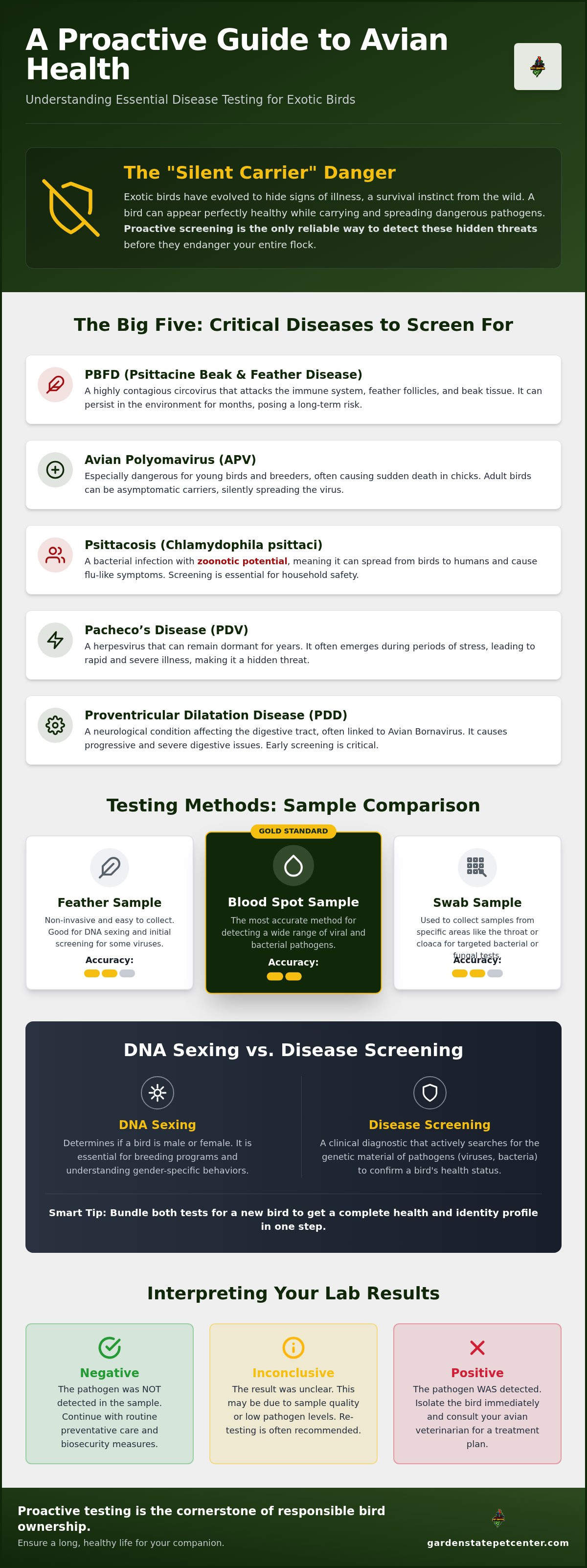
Professional avian disease testing isn't just a diagnostic tool for a bird that's already failing; it's a proactive screening process designed to detect viral, bacterial, and fungal pathogens before they take hold. Think of it as a comprehensive security system for your pet's biological health. Many owners wonder why they should test a bird that looks perfectly healthy. The answer lies in evolutionary biology. In the wild, showing weakness makes a bird a target for predators. Because of this, exotic birds have evolved to become masters of disguise, hiding symptoms of illness until their bodies can no longer compensate.
This "Silent Carrier" phenomenon is why diseases like Psittacine Beak and Feather Disease (PBFD) are so dangerous. A bird might appear vibrant and energetic while secretly shedding virus particles that can infect your entire flock. Effective quarantine protocols rely entirely on these screenings. Simply keeping a new bird in a separate room isn't enough to stop microscopic threats. Testing ensures you aren't accidentally introducing a pathogen that could devastate your existing pets or even pose a zoonotic risk to the humans in your household.
The Importance of Baseline Health Screening
Every new bird should undergo a full panel before they ever touch your existing cages or play stands. While some screenings are one-time events, others should be part of an annual wellness routine to catch changes early. Avian baseline screening is the gold standard for preventative care, providing a critical biological snapshot of your bird's health before issues arise. This baseline allows you to monitor trends in your bird's physiology over time, making it much easier to spot a problem before it becomes a crisis.
DNA Sexing vs. Disease Screening: Knowing the Difference
It's easy to get these two services confused. DNA sexing is purely for gender identification, which is helpful for behavior management and breeding. Disease screening, however, is a clinical diagnostic that looks for actual pathogens that could compromise your bird's life. Most responsible owners choose to bundle these services for maximum efficiency. You can learn more about the specifics of gender identification in our guide to Avian DNA Sexing. By combining these tests, you ensure you have a complete picture of your bird's identity and health status in one simple process.
The Big Five: Critical Diseases Every Bird Owner Should Screen For
While we've established why birds mask their illnesses, identifying the specific pathogens is the next step in effective avian disease testing. Five major diseases dominate the landscape of avian health, each presenting unique challenges for owners and clinicians. Psittacine Beak and Feather Disease (PBFD) is perhaps the most notorious. It is a relentless circovirus that attacks the immune system and feather follicles, often resulting in permanent feather loss or beak deformities. Because PBFD is highly stable in the environment, it can persist on surfaces for months, making early detection vital for anyone with a multi-bird household.
Avian Polyomavirus (APV) is equally concerning, especially for breeders. It often causes sudden death in unweaned chicks, while adult birds may act as asymptomatic carriers. Psittacosis, caused by the bacterium Chlamydophila psittaci, introduces a zoonotic risk, meaning it can spread from birds to humans. This makes screening essential for families with vulnerable members. Owners should also stay informed about broader risks; reviewing the Avian Influenza testing guidelines can help you understand how pathogens move through wild and domestic populations. Since 2022, over 200 million poultry birds in the U.S. have been affected by avian flu outbreaks, highlighting the high stakes of viral transmission.
Pacheco’s Disease (PDV) and Proventricular Dilatation Disease (PDD) round out the list. PDV is a herpesvirus that can stay dormant for years, only surfacing during times of intense stress. PDD, often linked to Avian Bornavirus, is a complex neurological condition that affects the digestive tract. If you're unsure which panel fits your bird's species, reach out to the experts at Garden State Pet Center for professional guidance.
Viral Pathogens and Their Impact on Longevity
Viruses like PBFD and APV don't just cause temporary sickness; they can permanently compromise a bird's immune response. There's currently no cure for these viral invaders, which makes preventative screening your most powerful tool. Modern PCR (Polymerase Chain Reaction) testing allows laboratories to identify even tiny amounts of viral DNA in a sample. This high-sensitivity method ensures that "silent carriers" are identified before they can infect others, protecting the long-term health of your entire flock.
Bacterial and Zoonotic Concerns
Psittacosis testing is a non-negotiable step for responsible owners, particularly those with children or elderly family members. Unlike some viruses, bacterial infections can often be managed if caught early. Managing bacterial loads through proper hygiene and regular screening is your first line of defense. Visit our Bird collection for high-quality disinfectants and habitat maintenance tools that help keep your bird's environment sterile and safe.
Testing Methods: Comparing Feather, Blood, and Swab Samples
Choosing the right sample method is a balance between diagnostic necessity and your pet's comfort. Avian disease testing has evolved significantly, moving away from high-volume blood draws toward refined micro-sampling techniques. Feather testing remains a popular entry point because it's the least invasive method available. It's excellent for DNA sexing and detecting viruses like PBFD, provided the feathers are freshly plucked to ensure live cells are present in the quill. Fallen feathers are generally unsuitable for accurate health screening because the DNA degrades quickly once the feather is shed.
Blood spot testing is the gold standard for accuracy in disease screening. By using a single drop of blood, usually from a carefully clipped toenail, laboratories can perform high-sensitivity PCR testing for the entire "Big Five" panel. For bacterial concerns like Psittacosis, clinicians often prefer cloacal or choanal swabs. These mucosal samples capture pathogens residing in the respiratory or digestive tracts that might not yet be present in the bloodstream. Breeders often utilize eggshell testing, which allows for post-hatch gender and health verification without ever touching the chick, eliminating handling stress entirely.
Accuracy vs. Ease of Collection
| Method | Recommended Disease | Stress Level |
|---|---|---|
| Feather | PBFD, DNA Sexing | Low |
| Blood Spot | APV, PDV, PBFD, PDD | Medium |
| Swabs | Psittacosis, Bacterial | Medium |
| Eggshell | Gender, Early Viral Check | None |
Certain complex conditions, such as Proventricular Dilatation Disease (PDD), may require specific fecal samples or even tissue biopsies if viral shedding is intermittent. For the most comprehensive results, experts suggest using a combination of methods, such as a blood spot paired with a choanal swab. This multi-pronged approach ensures that you aren't missing a "silent" infection that only appears in specific tissues.
Minizing Stress During Sample Collection
Safe handling is the key to a successful testing experience. Use a soft towel to gently restrain your bird, ensuring their chest remains free to expand for breathing. Always use professional-grade collection kits to prevent sample contamination and ensure the biological material remains viable during transit. Modern avian lab testing is a safe, refined process that prioritizes your bird's physical well-being alongside diagnostic precision. If you're nervous about the process, our bird grooming experts can provide the professional handling needed to ensure samples are collected quickly and safely.
Interpreting Results and Next Steps for Bird Health
Receiving your laboratory report is a pivotal moment in your journey as a bird owner. A "Negative" result is the outcome every enthusiast hopes for, indicating that no target pathogens were detected in the provided sample. However, professional avian disease testing isn't always a one-and-done process. An "Inconclusive" result often stems from low sample volume or environmental contamination, requiring a follow-up test to ensure clinical precision. Perhaps the most misunderstood outcome is the "False Negative." This occurs when a bird is infected but isn't actively shedding the virus or bacteria at the time of collection. If your bird shows symptoms despite a negative report, re-testing after a short interval is the safest course of action to protect your flock.
Managing a Positive Result
Don't panic if your bird tests "Positive" for a chronic condition like PBFD or Polyomavirus. While these results are serious, they aren't always an immediate death sentence. Your first step is strict isolation. Move the infected bird to a separate room with its own air filtration system and dedicated supplies. You've got to implement a rigorous bio-security plan for your home. This includes changing your clothes and washing your hands thoroughly after every interaction with the infected bird. Consult with an avian veterinarian immediately to discuss supportive care options. They can help you develop a long-term management strategy that prioritizes the bird's comfort and prevents the spread of contagious pathogens to other pets.
The Role of Nutrition in Immune Support
A clean bill of health or a managed chronic condition both require a foundation of excellence in diet. Holistic pet foods play a critical role in helping birds manage their viral loads by providing the antioxidants and vitamins necessary for robust immune function. We've seen that the data from avian disease testing helps owners tailor their bird's diet to their specific health needs. There's a direct synergy between clean test results and premium nutrition; a well-nourished bird is far better equipped to fight off opportunistic infections. For more details on choosing the right diet, explore our guide to Premium Pet Food. Supplementing with specific bird vitamins can also support feather health and overall vitality during the maintenance phase.
Ready to ensure your bird's long-term well-being? Connect with our experts for professional disease screening services and take the first step toward a healthier home environment.
Professional Avian Testing Services with Garden State Pet Center
Professional avian disease testing requires a level of precision that only decades of specialized experience can provide. At Garden State Pet Center, we've dedicated ourselves to exotic bird welfare since 1990. We don't just provide a test kit; we offer a gateway to expert-level care that spans the entire life of your companion. By partnering with leading diagnostic laboratories, we ensure every sample undergoes rigorous PCR analysis for high-accuracy results you can trust. Our flat-fee laboratory testing model simplifies the process, removing the guesswork from your bird's health budget while providing national access to world-class screening.
The value of our service lies in our role as your knowledgeable expert, even if we're connecting with you from across the country. We understand the unique requirements of sensitive exotic species, from small finches to robust parrots. This specialized focus signals a higher level of patience and clinical precision than you'll find at a general pet retailer. We treat every sample with the same care we'd give our own birds, ensuring that your path to a clean bill of health is as smooth and stress-free as possible.
Ordering Your National Testing Kit
Getting started is simple, even if you're hundreds of miles away. You can order your avian testing services here through our streamlined digital platform. Once your kit arrives, follow the included instructions to collect a non-invasive feather sample or a precise blood spot. Ship your samples back to us using the provided materials. We prioritize efficient turnaround times for both DNA sexing and comprehensive disease panels, so you won't be left waiting for the answers your flock needs. Our organized, service-centric flow keeps you informed at every stage of the process.
Beyond the Lab: A Holistic Approach to Bird Care
We believe that a test result is a beginning, not an end. Once you have your data, our on-site certified pet nutritionist can help you translate those findings into a customized lifestyle plan. If your bird is managing a chronic condition or simply needs a post-quarantine boost, the right fuel is essential. You can explore our curated selection of Parrot Food to find high-potency formulas that support a resilient immune system. This synergy between clinical data and premium nutrition ensures that your bird doesn't just survive, but truly thrives. We're here to help you navigate the transition from screening to long-term maintenance with confidence and ease.
Securing Your Bird’s Health for 2026 and Beyond
Proactive health management is the greatest gift you can give your feathered companion. By prioritizing avian disease testing, you move beyond guesswork and establish a clear, clinical baseline for your pet's well-being. We've explored how identifying silent carriers and selecting the right diagnostic methods are essential steps in preventing the spread of devastating pathogens. A clean test result is just the beginning; it opens the door to a personalized nutritional and bio-security plan tailored specifically to your bird's unique biology.
Since 1990, our team of specialized exotic bird experts has helped owners navigate these complex health decisions with empathy and professional precision. We simplify the process with nationwide shipping for all testing services and provide post-test guidance from our on-site certified pet nutritionist. You don't have to manage your bird's health alone. Order Your Professional Avian Testing Kit Today and take a proactive step toward a vibrant future for your flock. We're ready to serve as your knowledgeable partner in specialized avian care.
Frequently Asked Questions
How long does it take to get avian disease testing results?
Most professional lab results for disease panels and DNA sexing are returned within 5 to 10 business days after the laboratory receives your sample. This duration allows for the precise PCR analysis required to detect microscopic viral and bacterial pathogens. We notify you as soon as the results are certified by our partner diagnostic facilities. This efficient turnaround ensures you can quickly implement any necessary quarantine protocols or nutritional adjustments for your bird's safety.
Can I collect the samples for bird testing at home?
Yes, you can safely collect samples at home using our professional testing kits designed for nationwide shipping. These kits include detailed instructions for collecting non-invasive feather samples or a single blood spot from a carefully performed toenail clip. This home collection process minimizes the stress of transporting your exotic bird to a physical facility. Once you collect the material, simply mail the sample back to us for processing in a specialized laboratory environment.
Is feather testing as accurate as blood testing for diseases?
Blood spot testing remains the gold standard for accuracy in avian disease testing because it provides a more concentrated source of DNA and active pathogens. While feather testing is highly reliable for DNA sexing and certain viruses like PBFD, it requires freshly plucked feathers with live tissue in the quill. For comprehensive screening of the "Big Five" diseases, we typically recommend blood spot samples to ensure the highest level of diagnostic sensitivity for your flock.
Does my bird need to be tested if they were purchased from a reputable breeder?
Every new bird should undergo professional screening regardless of their source or apparent physical health. Even birds from highly reputable breeders can be "silent carriers" of pathogens like Polyomavirus or PBFD, showing no outward symptoms while remaining contagious to others. Testing serves as a vital insurance policy for your existing pets. It confirms that your new companion is truly healthy before you end their quarantine period and introduce them to your home.
Which avian diseases can be transmitted to humans?
Psittacosis, also known as Parrot Fever, is the most common zoonotic disease that can spread from exotic birds to humans. It is caused by the bacterium Chlamydophila psittaci and can cause flu-like symptoms in people. While rare in pet settings, staying informed on broader threats through resources like the AVMA helps owners understand viral movement. Regular screening for these specific bacteria and viruses protects not just your birds, but the health of every human member in your household.
What happens if my bird’s test result is inconclusive?
An inconclusive result usually means the laboratory could not find enough viable genetic material in the sample to provide a definitive answer. This often happens if a feather was shed naturally rather than plucked, or if a blood spot was too small for the PCR equipment to read. In these cases, we recommend a follow-up collection to ensure clinical accuracy. We work closely with you to refine your collection technique, ensuring the next sample provides the clarity needed.
How much does avian DNA sexing and disease screening cost?
We offer these professional services through a flat-fee model that covers the collection kit, laboratory processing, and reporting. While costs vary depending on whether you choose a single DNA sexing test or a comprehensive multi-disease panel, bundling these services is generally the most cost-effective approach. Investing in these screenings upfront prevents the significantly higher costs associated with managing a full-scale disease outbreak or chronic illness within a multi-bird household or sensitive aviary environment.
Should I test my bird every year or just once?
DNA sexing only needs to be performed once in a bird's lifetime because their gender remains constant. However, we recommend recurring disease screening for birds in high-risk environments, such as those that attend bird shows or reside in homes with frequent new arrivals. Regular testing acts as a proactive wellness check, catching environmental pathogens before they become symptomatic. This ongoing oversight is a cornerstone of a holistic health plan that includes specialized nutrition and expert care.

Article by
Victor Santucci
Victor Santucci is the owner of Garden State Pet Center in Audubon, NJ, where he specializes in premium pet nutrition, exotic animals, and expert-level care. With years of hands-on experience and a passion for helping pets thrive, Victor is dedicated to educating pet owners on proper nutrition, enrichment, and species-specific care. His mission is simple: provide every pet with the highest quality products and every customer with honest, knowledgeable guidance.
Share this post
- 0 comment
- Tags: avian care, avian disease testing, bird health, bird screening, PBFD, pet birds, Polyomavirus, Psittacosis