

Nutritionist Recommended Cat Food: The 2026 Guide to Biologically Appropriate Diets


The colorful bag of kibble sitting on your counter might meet basic safety standards, but it could be failing your cat's biological needs. While many owners rely on generic advice, finding genuine nutritionist recommended cat food requires a shift toward high protein, holistic ingredients that mirror what a feline would eat in the wild. It is exhausting to decode complex labels while worrying if hidden fillers are compromising your pet's long term health. You deserve to feel like a knowledgeable partner in your cat's wellness journey, not just another consumer caught in the middle of brand wars.
This 2026 guide simplifies the science of feline nutrition to help you choose diets that experts actually use for longevity and vitality. We provide a clear framework for evaluating every ingredient list with clinical precision. You will discover why freeze-dried and raw options are becoming the gold standard for specialized care. By the end of this article, you will have the confidence to switch to a higher quality diet that supports your cat's unique requirements and helps them thrive for years to come.
Key Takeaways
- Identify the biological requirements of obligate carnivores and learn why standard industry labels often represent the bare minimum for feline health.
- Master the framework for evaluating ingredient lists to avoid common fillers like corn and wheat that contribute to long term health issues.
- Gain clarity on the benefits of raw and freeze-dried diets, providing your pet with the nutrient density found in nutritionist recommended cat food.
- Learn to adjust dietary standards based on life stages, ensuring kittens receive growth-focused nutrients and adults maintain optimal weight.
- Understand the value of a professional pet nutritional consultation for creating a truly specialized feeding plan tailored to your cat's unique biological markers.
What Defines Nutritionist Recommended Cat Food?
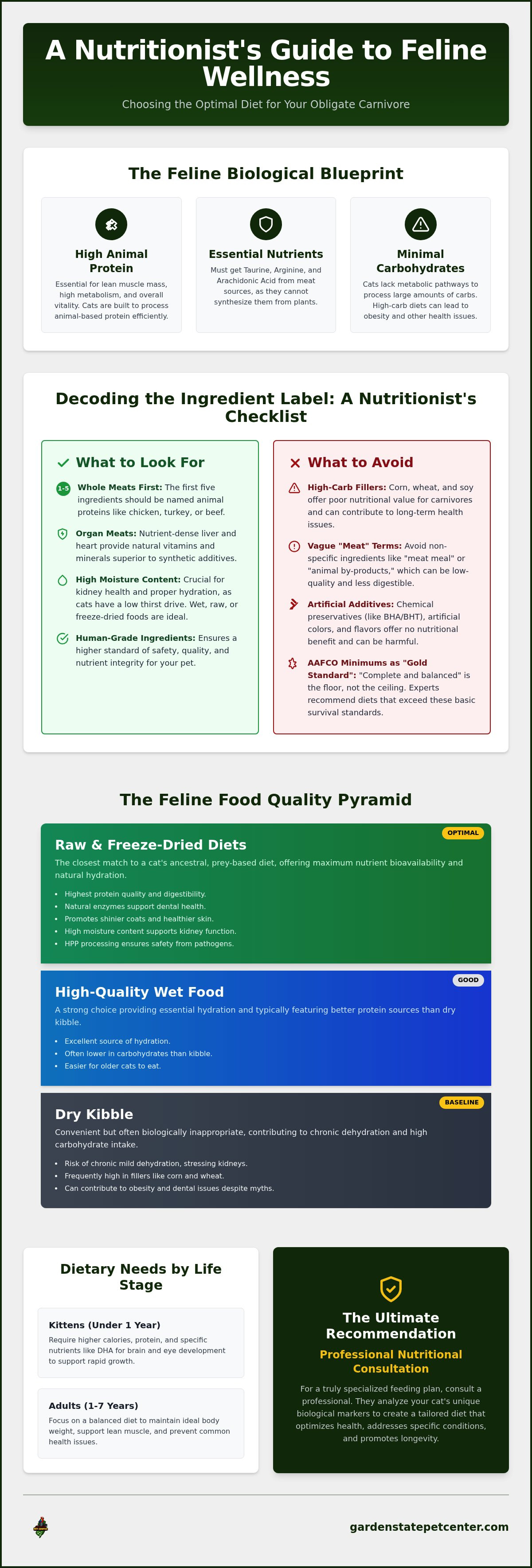
Look beyond the colorful branding and focus on the biological blueprint of your pet. A true nutritionist recommended cat food prioritizes the unique physiological needs of an obligate carnivore. This means the diet must provide essential nutrients like taurine, arginine, and arachidonic acid that cats simply cannot synthesize from plant based sources. While standard Cat food options often meet the minimum requirements set by the Association of American Feed Control Officials (AAFCO), experts view these standards as a baseline rather than the gold standard for health.
Understand that "complete and balanced" is merely the floor for feline nutrition. In 2026, as AAFCO continues implementing its Pet Food Labeling Modernization initiative, owners have better access to a "Pet Nutrition Facts" box. However, a certified nutritionist evaluates the bioavailability of those nutrients. They look for how easily a cat's body can actually absorb and use the protein provided, rather than just the raw percentage listed on the bag. This expertise helps you avoid the "carb trap" found in many mass market kibbles that rely on inexpensive fillers to meet caloric needs.
The Biological Necessity of Animal Protein
Prioritize animal protein to support your cat's high metabolic rate. Unlike dogs or humans, cats lack the metabolic pathways to efficiently process large amounts of carbohydrates. A biologically appropriate diet is one that mimics a cat’s natural prey-based intake. When you select high protein cat food, you support lean muscle mass and healthy blood sugar levels. Nutritionists recommend avoiding high carbohydrate fillers like corn, wheat, and soy because these ingredients often lead to obesity and chronic inflammation in sensitive feline systems.
Identifying High Quality Ingredient Sources
Identify the specific sources of protein by reading the first five ingredients carefully. Look for whole muscle meats like chicken, turkey, or beef rather than generic "meat meals" which can be highly processed and less digestible. Organ meats like liver and heart are vital components; they provide natural concentrations of vitamins and minerals that synthetic additives struggle to match. Professional recommendations often lean toward human-grade ingredients because they ensure a higher standard of safety and nutrient integrity. This level of specialized care ensures your cat receives a diet designed for longevity, not just survival.
The Rise of Biologically Appropriate Diets: Raw and Freeze-Dried
Many pet professionals now look beyond standard kibble toward diets that align with a cat's evolutionary history. Transitioning to a raw cat food regimen is often the first step in providing what experts consider nutritionist recommended cat food. These diets focus on moisture-rich, high-protein ingredients that support metabolic function. As noted in the Cornell Feline Health Center’s guide on Feeding Your Cat, their status as obligate carnivores means their bodies are designed to process animal tissues with high efficiency. By mimicking the ancestral diet, you provide the building blocks for long term vitality.
Hydration remains a critical concern for feline health. Cats naturally possess a low thirst drive; they expect to receive the majority of their water intake directly from their food. Dry kibble often leaves them in a state of chronic mild dehydration, which puts significant stress on the kidneys over time. Biologically appropriate diets solve this by maintaining natural moisture levels. If you worry about safety, modern brands utilize High-Pressure Processing (HPP). This cold-water technology eliminates harmful pathogens like Salmonella and Listeria while keeping the delicate enzymes and nutrients intact.
Benefits of Raw Feeding for Cats
Owners often notice physical transformations within weeks of switching to raw meals. You can expect to see markers of vitality such as shinier coats, significantly smaller stools, and higher energy levels during play. Raw diets also contain natural enzymes that help maintain dental health by reducing plaque buildup. For those just starting, we recommend exploring trusted brands like SmallBatch and Vital Essentials, which offer balanced formulations that take the guesswork out of meal preparation.
Freeze-Dried: The "Best of Both Worlds" Solution
Freeze-drying is a sophisticated preservation method that removes moisture through sublimation. This process protects heat-sensitive vitamins and minerals that are often destroyed in the high-heat extrusion used for traditional kibble. These lightweight nuggets are incredibly versatile. You can serve them as a complete, nutrient-dense meal by rehydrating with water or use them as a high-value topper to entice picky eaters. Freeze-dried food provides raw nutrition without the mess of traditional raw diets. This makes it an ideal entry point for busy families who still want to prioritize professional nutrition standards. Browse our curated selection of premium cat food to find the perfect fit for your home's routine.
Deciphering Labels: What Nutritionists Avoid
Scrutinizing the fine print on a bag of kibble requires a shift in perspective from marketing claims to biological utility. A true nutritionist recommended cat food focuses on ingredient transparency and the elimination of metabolic stressors. While many owners look for a "complete and balanced" stamp, experts look for the specific sources of every nutrient. Following authoritative Cat Nutrition Tips can help you understand the basics of taurine and protein, but professional nutritionists go further by evaluating how those ingredients interact with a feline's sensitive digestive system. They prioritize whole food nutrition over synthetic premixes that often lack the same level of absorption.
Source transparency is a non-negotiable standard for high-end feline diets. While the term "by-products" can include nutrient-dense organs like hearts and livers, the lack of species-specific naming is where the risk lies. Nutritionists look for brands that clearly state the animal source. If a label lists "animal fat" or "poultry meal" instead of specific sources like chicken fat or turkey meal, it indicates a lack of precision that can lead to hidden sensitivities. Knowing exactly what is entering your cat's system is the most effective way to manage their long term wellness and prevent chronic inflammation.
Red-Flag Ingredients to Watch For
Identify and remove chemical preservatives that act as metabolic burdens. Specialists frequently avoid ingredients like BHA, BHT, and Ethoxyquin due to their potential impact on long term organ health. Instead, professional standards favor natural antioxidants such as tocopherols or rosemary extract to maintain freshness. Avoid artificial colors and flavors entirely. These additives exist purely for the consumer's visual appeal and offer no nutritional benefit to the cat. They are also common triggers for skin allergies and digestive upset. Be particularly wary of "mystery meats" that allow manufacturers to swap protein sources based on cost, which can be devastating for a cat with a specific protein intolerance. A high quality nutritionist recommended cat food will always provide a clear, unchanging list of animal sources.
The Problem with High-Starch Diets
Excessive carbohydrates are a primary driver of feline obesity and insulin resistance. Since cats lack the enzymes to process large amounts of sugar and starch, ingredients like corn, wheat, and soy create a significant metabolic strain. These fillers often serve as "kibble glue," providing the structural integrity needed for dry food to hold its shape during the extrusion process. This reliance on starch creates a diet that is biologically inappropriate for an obligate carnivore. For more information on identifying these standards, explore our Premium Pet Food Guide which details the difference between commercial fillers and holistic ingredients. Choosing low-starch, grain-free options helps maintain stable blood sugar levels and supports a lean, healthy body composition for your cat.
Selecting the Best Food for Your Cat’s Life Stage
Nutritional requirements aren't static. A kitten's energy needs differ vastly from a senior's metabolic rate. Finding nutritionist recommended cat food means matching these changing biological demands with clinical precision. Kittens require nutrient-dense, high-calorie formulas to support rapid bone and tissue development. Adults need a balance that prevents obesity while fueling daily activity. Seniors, however, often require a shift toward high-moisture diets with exceptionally digestible proteins to prevent the muscle wasting commonly seen in aging felines. By adjusting the diet as your cat grows, you ensure they remain in peak condition at every age.
Nutrition for Growth and Development
Prioritize brain and eye development during the first year of life. Kittens must receive adequate levels of DHA and ARA, which are essential fatty acids typically found in high-quality fish oils. Many experts advocate for introducing wet food or raw options early in life. Doing so helps prevent "kibble addiction," a situation where cats refuse moisture-rich diets later in life when they need them most for kidney support. Explore our cat collections to find growth-focused formulas that provide a solid foundation for lifelong health.
Supporting the Aging Cat
Avoid the common mistake of drastically lowering protein for older cats unless specifically directed by a specialist. While some mass-market "senior" labels reduce protein to save costs, true nutritionist recommended cat food for seniors focuses on high-biological-value proteins. These are easier for an aging digestive system to process and help maintain lean muscle mass. Managing kidney health is equally vital. Moisture-rich raw or gently cooked diets provide the hydration necessary to flush toxins and support renal function. Look for holistic additions like glucosamine and chondroitin to assist with joint mobility and comfort as your cat enters their golden years.
Address food sensitivities with Limited Ingredient Diets (LID) if your adult cat shows signs of intolerance. If your pet suffers from chronic skin irritation or digestive upset, a simplified protein source like rabbit or venison can often alleviate symptoms. These specialized care options remove common allergens while maintaining the high protein standards your cat deserves. Start your pet on a path to better health today. Shop our premium feline nutrition selection to find the perfect life-stage formula for your companion.
The Ultimate Recommendation: Professional Nutritional Consultations
Every cat carries a unique biological signature that dictates their specific dietary requirements. While general guides provide a vital foundation, a truly specialized diet requires looking at individual health markers. This is why a nutritionist recommended cat food plan is often the missing piece for pets struggling with chronic issues. Many owners assume their veterinarian is the final authority on food, but there's a distinct difference between general medicine and clinical nutrition. A certified pet nutritionist focuses exclusively on ingredient bioavailability and formulation, offering a level of precision that goes beyond standard veterinary training. They act as a knowledgeable partner to help you navigate the complexities of feline wellness.
Professional consultations are particularly effective at solving persistent problems that standard diets fail to address. If your pet suffers from itchy skin, lethargy, or frequent digestive upset, the solution is rarely found in a mass market bag. These symptoms are often the body's way of signaling a food intolerance or a lack of essential enzymes. Once a new diet is selected, transitioning your cat safely is the next priority. Use the 7-10 day nutritionist-approved method: gradually mix increasing amounts of the new food with the old. This slow progression prevents gastrointestinal distress and ensures your cat accepts the new texture and flavor profile without stress.
Why Consult an Expert?
Move beyond the one-size-fits-all recommendations found at big box retailers. A consultation allows for specialized testing to identify underlying food intolerances that might be holding your cat back. This data driven approach lets you choose with confidence from a curated selection of reliable brands like Fromm, Open Farm, and FirstMate. These manufacturers maintain high standards for ingredient integrity and transparency, which are essential for long term health. Consulting an expert ensures you aren't just buying a bag of food; you're investing in a professional framework designed for your cat's specific life stage and activity level.
Take the Next Step in Feline Wellness
Accessing expert guidance for your cat's diet has never been more straightforward. We combine specialized care with a proactive approach to pet welfare, ensuring every client feels welcomed and supported. Our team is ready to help you decode labels and find the perfect biological match for your companion. We offer a sophisticated range of holistic options and provide nationwide shipping to ensure premium nutrition is always within reach. Don't leave your pet's health to chance. Schedule a Pet Nutritional Consultation today to optimize your cat’s health and begin their journey toward peak vitality.
Empower Your Cat with Biologically Appropriate Nutrition
Choosing the right path for your cat’s health doesn't have to be overwhelming. You now understand that a biologically appropriate diet, rich in moisture and animal protein, is the foundation for a thriving life. By avoiding low quality fillers and prioritizing ingredient transparency, you’re taking a proactive step toward preventing chronic health issues and supporting metabolic wellness.
Investing in nutritionist recommended cat food is a commitment to your pet's long term vitality. We make this transition seamless by offering a curated selection of premium brands and the expertise of our on-site certified pet nutritionist. Whether you need a specific limited ingredient diet or want to explore the benefits of raw feeding, we provide the specialized care your cat deserves. With nationwide shipping on all our premium diets, high end nutrition is always accessible.
Take the next step in your pet's wellness journey. Shop Nutritionist-Approved Cat Food & Consultations to give your companion the gift of specialized, science backed care. Your cat's best years are just one meal away.
Frequently Asked Questions
What cat food do vets and nutritionists recommend most?
Professionals who prioritize biological health recommend high-protein, moisture-rich diets that align with a cat's status as an obligate carnivore. Instead of mass-market options filled with corn or soy, experts favor brands like SmallBatch, Vital Essentials, and Open Farm. These manufacturers focus on whole muscle meats and organ tissues rather than inexpensive fillers. Every cat has unique needs, so we suggest a professional consultation to determine the specific protein and fat ratios required for your pet's vitality.
Is grain-free cat food actually better for my cat?
Grain-free options are beneficial if they prioritize animal-based proteins over high-starch fillers like potatoes or chickpeas. Cats don't have a biological requirement for grains like wheat or corn, which can lead to obesity and inflammation. However, some grain-free kibbles replace one starch with another to maintain the food's shape. A truly superior diet focuses on being low-carbohydrate and high-protein, ensuring your cat receives energy from meat sources rather than unnecessary plant sugars.
How much raw food should I feed my cat daily?
Most adult cats thrive when fed approximately 2% to 4% of their ideal body weight in raw food daily. For example, a healthy ten-pound cat typically requires about four to six ounces of food, usually split into two meals. Factors like age, metabolism, and activity level will influence the exact amount. Kittens or highly active cats may require more frequent feedings. We recommend a Pet Nutritional Consultation to create a precise feeding schedule tailored to your cat's specific markers.
Can I mix raw cat food with dry kibble?
You can mix raw food with kibble, though many specialists suggest serving them as separate meals. Raw meat and starch-heavy dry food digest at different rates, which can occasionally cause mild digestive upset in sensitive cats. If you want to enhance a dry diet, consider using freeze-dried cat food as a high-value topper. This adds a boost of raw enzymes and nutrient density without requiring a full dietary overhaul, making it an excellent starting point for many owners.
What are the signs that my cat needs a change in diet?
Watch for physical signs like a dull, brittle coat, persistent dandruff, or chronic vomiting and diarrhea. These symptoms often indicate that your cat's current diet lacks essential fatty acids or contains irritating fillers. Lethargy and a lack of interest in play can also signal nutritional gaps. Transitioning to a nutritionist recommended cat food often resolves these issues by providing highly digestible proteins and essential nutrients that support energy levels and skin health from the inside out.
Why is wet food usually recommended over dry food for cats?
Wet food is superior because it provides the high moisture content necessary for feline kidney and urinary tract health. Cats evolved to get most of their water from prey and naturally possess a very low thirst drive. Chronic dehydration from an all-dry diet puts significant stress on their renal system over time. Options like raw cat food or gently cooked meals ensure your pet stays hydrated while receiving the dense animal protein their bodies require for daily maintenance.
Are boutique cat food brands safe for long-term feeding?
Boutique brands are safe and often superior when they prioritize ingredient transparency and avoid the mass-market "carb trap." Reliability is key, so we curate our selection to include trusted names like Fromm, FirstMate, and Nature's Logic. These companies focus on high-quality sourcing and specialized care rather than high-volume production. When a brand employs a certified nutritionist and follows strict safety protocols like High-Pressure Processing (HPP), they provide a high-end alternative to generic grocery store options.
How do I read a cat food label like a professional nutritionist?
Professional reading starts with the first five ingredients; at least three should be named animal proteins like deboned chicken or turkey liver. Avoid generic terms like animal fat or poultry meal, which lack source transparency. Scan the end of the list for chemical preservatives like BHA or BHT and look for natural alternatives like tocopherols. Identifying nutritionist recommended cat food requires looking for low starch percentages and ensuring the vitamins come from whole foods rather than synthetic premixes.

Article by
Victor Santucci
Victor Santucci is the owner of Garden State Pet Center in Audubon, NJ, where he specializes in premium pet nutrition, exotic animals, and expert-level care. With years of hands-on experience and a passion for helping pets thrive, Victor is dedicated to educating pet owners on proper nutrition, enrichment, and species-specific care. His mission is simple: provide every pet with the highest quality products and every customer with honest, knowledgeable guidance.
Share this post
- 0 comment
- Tags: Biologically Appropriate Diet, Cat Food, Choosing Cat Food, Feline Nutrition, Freeze-Dried Cat Food, nutritionist recommended cat food, Pet Health, Raw Cat Food