

Best Raw Dog Food Brands 2026: Expert Reviews & Selection Guide


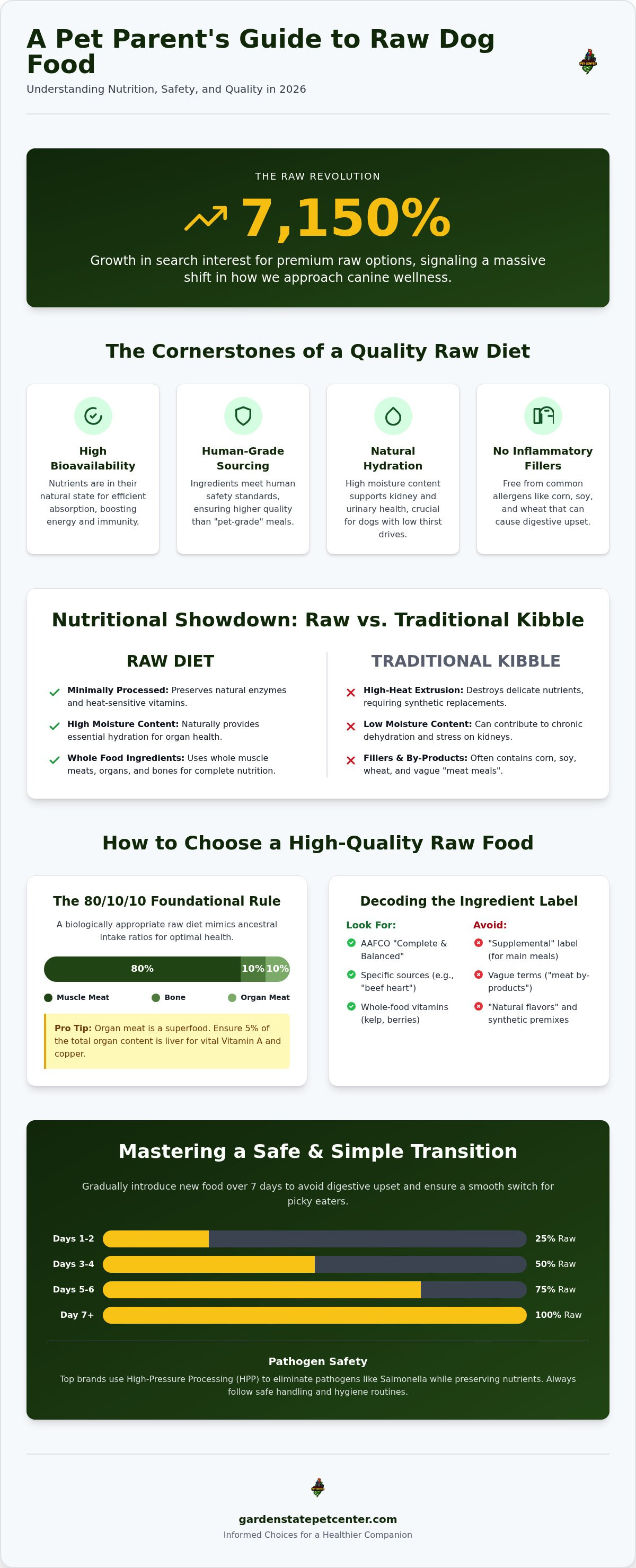
Search interest for premium raw options grew 7,150% according to recent 2026 data, signaling a massive shift in how we approach canine wellness. While you want to provide a diet that mirrors what nature intended, identifying the best raw dog food brands is increasingly difficult when safety concerns and complex labeling stand in the way. You want to see your dog thrive with a shinier coat and better energy, but the fear of bacterial contamination or missing vital nutrients often stalls the transition to a fresh diet.
It's natural to feel overwhelmed by the high cost of premium ingredients or recent voluntary recalls that have impacted the market this summer. We believe that feeding your companion shouldn't be a source of anxiety. This guide will help you discover the highest-rated raw dog food brands of 2026 and explain how to select the right nutritional profile for your dog's unique health requirements. You'll learn to spot truly bioavailable ingredients and establish a safe, simple routine that leads to better digestion and lasting vitality. We will also break down the importance of professional guidance to ensure your chosen brand meets the latest safety standards and nutritional guidelines.
Key Takeaways
- Understand why sourcing and high bioavailability are the foundation of a successful raw diet for improved nutrient absorption and energy.
- Learn to identify the best raw dog food brands by analyzing AAFCO labeling and ensuring a proper 80/10/10 ratio of muscle meat, bone, and organ.
- Explore expert reviews of industry leaders like Smallbatch and Solutions Pet Food to find ethically sourced, therapeutic options for your dog.
- Discover how to customize nutrition for specific life stages, including critical calcium-to-phosphorus ratios for growing puppies and protein needs for seniors.
- Master a safe 7-day transition schedule and hygiene routine to eliminate concerns regarding bacterial contamination and picky eating habits.
The Rise of Raw: Why Sourcing and Bioavailability Matter in 2026
Feeding raw has evolved from a niche hobby into a science-backed health movement focused on longevity and vitality. Raw dog food provides minimally processed, species-appropriate nutrition designed for a dog's biological needs. A species-appropriate diet mirrors the ancestral canine intake of muscle meat, organs, and bone. This raw feeding overview highlights how the approach prioritizes ingredients in their natural state. In 2026, the conversation has shifted significantly. It's no longer enough to buy "any" raw food. Pet parents now demand ethical sourcing and radical transparency from the best raw dog food brands to ensure every calorie serves a purpose.
Bioavailability is the cornerstone of this shift. It refers to how efficiently your dog's body can absorb and utilize the nutrients in their bowl. Raw diets offer superior bioavailability because they avoid the chemical alterations caused by high-heat manufacturing. When nutrients are kept in their raw, organic form, your dog spends less energy on digestion and more on maintaining a healthy immune system.
Raw vs. Traditional Kibble: The Nutritional Gap
Traditional kibble relies on extreme heat and pressure through a process called extrusion. This often destroys natural enzymes and heat-sensitive vitamins, which forces manufacturers to add synthetic replacements. Raw diets preserve these delicate compounds. Moisture is another critical factor. Many dogs have a low thirst drive; raw food naturally provides the hydration necessary for optimal kidney and urinary health. By choosing from the best raw dog food brands, you eliminate common fillers like corn, soy, and wheat that can trigger inflammation and digestive upset.
The Importance of Human-Grade Ingredients
The term "human-grade" is a powerful indicator of quality in the pet food industry. It signifies that every ingredient was handled and stored according to the same safety standards as food intended for people. This is a massive step up from "pet-grade" meat meals. While meat meals are often rendered products from inconsistent sources, whole muscle meats provide high-density protein and essential amino acids. Sourcing from local, pasture-raised farms ensures the meat is richer in Omega-3 fatty acids and antioxidants. You can explore our curated collection of premium dog food to see how these professional standards translate into a healthier lifestyle for your pet.
Key Criteria for Evaluating the Best Raw Dog Food Brands
Selecting the right diet requires looking beyond attractive packaging. To identify the best raw dog food brands, you must understand the difference between "Complete and Balanced" and "Supplemental" labeling. An AAFCO-compliant "complete and balanced" label ensures the food provides every nutrient your dog needs for their specific life stage. Supplemental foods are intended only for intermittent feeding or as toppers. If you rely on a supplemental product as a primary meal, your dog may develop significant nutritional deficiencies over time.
The 80/10/10 rule serves as a foundational framework for raw nutrition. This ratio consists of 80% muscle meat, 10% bone, and 10% organ meat. Organ meat is not a filler; it is a "superfood" that provides essential fat-soluble vitamins and minerals that muscle meat lacks. Specifically, five percent of that organ content should be liver to provide vital Vitamin A and copper. A brand that is transparent about these specific ratios demonstrates a commitment to biological integrity and professional standards.
Deciphering the Ingredient Label
Analyze the label for whole-food ingredients rather than synthetic premixes. High-quality brands use kelp, berries, or leafy greens to provide vitamins instead of lab-created powders. Look for specific animal sources like "beef heart" or "lamb kidney" instead of vague terms like "meat by-products" or "animal fat." Avoid products containing "natural flavors," which are often highly processed additives used to entice picky eaters. If you feel unsure about a specific ingredient list, our selection of premium dog food features brands we have already vetted for these exact standards.
Safety Protocols and Pathogen Management
Safety is a top priority for any raw feeder. Many manufacturers use High-Pressure Processing (HPP) to eliminate pathogens like Salmonella and Listeria without using heat. While HPP is effective for safety, some purists argue it may affect beneficial bacteria. You should review FDA guidance on raw pet food to understand the risks and the importance of strict handling protocols. Reliable brands perform third-party batch testing and publish transparency reports so you can verify the safety of every bag before it reaches your home. Choosing a brand with professional certifications ensures they follow rigorous manufacturing practices that protect both your pet and your family.
Top 5 Raw Dog Food Brands for 2026: Expert Analysis
Smallbatch Pet Food earns its reputation through a strict "batch" philosophy. They produce small quantities to ensure every bag meets their high standards for transparency and safety. Their use of 100% certified organic vegetables provides essential fiber and antioxidants without the risk of pesticide exposure. This brand is ideal for owners who value local sourcing and want to avoid the ambiguity of large-scale production. You can explore our curated dog food collection to find their various protein options, including beef, turkey, and lamb.
Solutions Pet Food: The Power of Fermentation
Solutions Pet Food is a pioneer in using fermented ingredients to support the canine microbiome. Fermentation naturally increases nutrient bioavailability and introduces beneficial bacteria that help crowd out pathogens. Clinical pet nutritionists often favor this brand for dogs with sensitive stomachs or chronic digestive issues. By using raw food as a functional tool, Solutions helps maintain a healthy gut environment that traditional kibble simply cannot replicate.
When comparing these formulations, it is helpful to consult an expert veterinary nutrition analysis to understand how different raw models impact long-term health. Brands like OC Raw and Tucker's Raw also excel by focusing on specific needs. OC Raw is known for simple formulations and unique protein rotations, such as rabbit and goat, which are excellent for dogs with common poultry or beef allergies. Tucker's Raw focuses on high palatability and uses innovative vacuum-sealed packaging that makes storage and portioning effortless for busy families.
Vital Essentials: Convenience Without Compromise
Vital Essentials follows the "Alpha Prey" model, which means their formulas consist entirely of meat, organs, and bone with no added fruits or vegetables. This mimics a carnivore's natural diet with clinical precision. They are a leader in freeze-dried raw convenience, making it easy to feed high-quality nutrition during travel or use it for high-value training treats. Their products contain no synthetic vitamins or minerals, relying instead on the nutrient density of the whole animal. Learn more about premium pet nutrition and how these specialized diets can transform your dog's energy levels and coat health.
Tailoring Raw Nutrition: Best Brands for Puppies, Seniors, and Allergies
Nutrition is not a one-size-fits-all solution. As your dog ages or develops sensitivities, their dietary requirements shift dramatically. Selecting the best raw dog food brands involves matching a brand's specific formulation to your pet's biological needs. For instance, weight management becomes effortless with raw feeding because these diets are naturally low in carbohydrates. This helps regulate insulin levels and boosts metabolism, preventing the weight gain often caused by the high starch content in processed kibble.
Raw Feeding for Large Breed Puppies
Puppies have the most demanding nutritional needs of any life stage. For large breed puppies, the calcium-to-phosphorus ratio is non-negotiable. If these minerals are out of balance, it can lead to rapid, uneven skeletal growth and permanent joint issues. You must ensure the label explicitly states the food is "complete and balanced" for growth or all life stages. We often recommend Smallbatch or OC Raw for their precise grinds that support healthy bone development without the risk of over-nutrition. Don't guess with your puppy's health; consult our premium dog food selection to find growth-appropriate formulas.
Senior dogs require a different strategy. As they age, their ability to process protein may decrease, but their need for high-quality amino acids increases to prevent muscle wasting. Raw diets provide the highly digestible protein necessary for muscle maintenance. Naturally occurring glucosamine and chondroitin from raw bone and cartilage also support aging joints. It's a proactive way to keep your senior companion mobile and energetic well into their golden years.
Managing Food Sensitivities with Novel Proteins
Chronic skin issues, constant itching, and recurring ear infections are often signs of a food allergy. Many commercial foods rely on chicken or beef, which are common triggers. An "Elimination Diet" using raw, single-protein sources is the most effective way to identify the culprit. By switching to novel proteins like duck, rabbit, or lamb, you remove reactive ingredients while providing nutrient-dense meals. Brands like OC Raw and Vital Essentials offer a wide variety of these exotic proteins, making it easy to rotate flavors without triggering a flare-up. You'll likely see improvements in coat quality and a reduction in inflammation within just a few weeks of the switch.
Ready to find the perfect match for your dog's specific needs? Shop our expert-vetted raw dog food brands today and give your pet the specialized nutrition they deserve.
How to Safely Transition and Store Raw Dog Food
Transitioning your dog to a fresh, species-appropriate diet is one of the most impactful decisions you can make for their long-term wellness. While the benefits of the best raw dog food brands are clear, the process requires a structured approach to prevent digestive upset and ensure household safety. Success depends on patience and a commitment to strict hygiene protocols. By following a professional guide, you can eliminate the guesswork and focus on the visible improvements in your pet's health.
Safe thawing is the first step in maintaining the nutritional integrity of the meal. Always thaw frozen patties or nuggets in the refrigerator rather than on the counter. Never use a microwave to speed up the process, as the heat can destroy the delicate enzymes and vitamins that make raw feeding so beneficial. Once thawed, raw food should be treated with the same care as the meat you prepare for your own family.
The Slow Transition Method
Avoid the temptation to switch diets overnight. A gradual 7-day schedule allows your dog's gut microbiome to adapt to the new protein and fat levels. Start with a ratio of 25% raw food mixed with 75% of their old diet for the first two days. By days three and four, move to a 50/50 split. If your dog is doing well, increase the raw portion to 75% on days five and six, reaching a full raw meal by day seven. Many owners find that adding a splash of raw goat milk or digestive enzymes helps soothe the transition for sensitive stomachs.
Monitor your dog's stool quality during this week. It is normal to see smaller, firmer stools as their body absorbs more nutrients, but if they become excessively loose, simply slow down the transition. Some dogs may experience a brief 'detox' period where their body adjusts, but their energy levels should remain steady or improve throughout the process.
Safe Handling and Storage Tips
Hygiene is paramount when managing raw meat in a home environment. Use non-porous bowls made of stainless steel or ceramic, as plastic can develop microscopic scratches that harbor bacteria. Wash these bowls with hot, soapy water after every meal. Follow the 'two-hour rule' by picking up any uneaten food immediately to prevent spoilage. Thawed raw food remains safe in the refrigerator for up to three days. If you find yourself managing a busy schedule, our selection of premium dog food includes freeze-dried options that offer the same benefits with easier storage requirements. Always sanitize your counters and wash your hands thoroughly after handling raw products to keep your entire household safe.
Invest in Your Dog's Long-Term Vitality
Choosing the right diet is one of the most powerful ways to support your dog's wellness and longevity. By focusing on ingredient transparency and high bioavailability, you ensure your pet receives maximum nutritional benefit from every bowl. Identifying the best raw dog food brands is the first step toward seeing real improvements in their coat, digestion, and energy levels. Whether you are managing a large breed puppy's growth or a senior dog's muscle maintenance, a structured transition and safe handling routine will make the process rewarding for your entire household.
You don't have to navigate these nutritional choices alone. We offer an expertly curated selection of top-tier raw brands and provide nationwide shipping on all premium pet diets to make high-quality nutrition accessible. Our team includes a certified pet nutritionist who is ready to help you build a safe and effective routine tailored to your pet's specific health goals. Consult with our Certified Pet Nutritionist for a custom raw feeding plan and start your journey toward a healthier, happier companion today. We are here to support you every step of the way.
Frequently Asked Questions
Is raw dog food safe for my family and other pets?
Raw dog food is safe when you follow the same hygiene standards used for preparing human meals. Wash your hands, surfaces, and bowls with hot soapy water after every feeding. While pets have shorter, more acidic digestive tracts that handle bacteria differently than humans, cross-contamination is the primary risk. Using the best raw dog food brands that utilize High-Pressure Processing (HPP) adds an extra layer of safety by eliminating pathogens like Salmonella before the food reaches your home.
Can I mix raw dog food with kibble during the transition?
Yes, you can mix raw food with kibble, especially during a gradual transition. However, some dogs may experience digestive upset because raw and kibble are processed at different speeds. If you notice gas or loose stools, try feeding the raw meal and kibble meal at separate times of the day. This approach allows your dog's system to focus on one food type at a time while still moving toward a fully fresh diet.
How much raw food should I feed my dog based on weight?
Most adult dogs require roughly 2% to 3% of their ideal body weight in raw food per day. For example, a 50-pound dog would typically eat between 1 and 1.5 pounds of food daily. Active dogs or those with high metabolisms may need more, while seniors or less active pets may require less. Always monitor your dog's body condition and adjust portions to ensure they maintain a visible waistline and healthy energy levels.
What is the difference between frozen raw and freeze-dried raw dog food?
The primary difference lies in moisture content and storage convenience. Frozen raw food is minimally processed and retains natural moisture, which is excellent for hydration. Freeze-dried options have the water removed, making them shelf-stable and ideal for travel or training. Both provide high-quality nutrition, but freeze-dried food must be rehydrated with water or goat milk before serving to ensure your dog receives the necessary moisture for optimal kidney function.
Do I need to add supplements to a raw dog food diet?
You don't need to add supplements if you choose a brand labeled as "complete and balanced" by AAFCO standards. These formulas already include the necessary vitamins, minerals, and fatty acids. However, supplemental feeding of raw goat milk, green tripe, or sardines can provide extra probiotics and Omega-3s. For owners interested in advanced recovery and cellular health, PetREGEN provides science-based resources and natural superfoods that complement a healthy diet. If you are using a "supplemental" or "intermittent" grind, you must add specific nutrients to prevent long-term deficiencies in your dog's diet.
While the upfront cost is higher than kibble, raw feeding often reduces long-term expenses related to veterinary care. Many owners of the best raw dog food brands report fewer visits for allergies, dental cleanings, and inflammatory conditions. By investing in high-quality, bioavailable ingredients now, you are proactively supporting your dog's health. This can lead to a longer, more vibrant life with significantly lower costs for managing chronic diseases later in their senior years.
What should I do if my dog refuses to eat raw food?
If your dog refuses raw food, try lightly searing the outside of the meat to release enticing aromas. You can also add high-value toppers like raw goat milk or a sprinkle of freeze-dried treats to encourage them. Ensure the food is served at room temperature rather than ice-cold from the fridge. Patience is key during this time, and most picky eaters eventually thrive once they adapt to the natural flavors of fresh meat.
Can dogs with pancreatitis or kidney disease eat raw food?
Dogs with pancreatitis or kidney disease require highly specific nutrient ratios, particularly regarding fat and phosphorus. While some raw diets are suitable, you must choose a formulation tailored to their condition. A low-fat raw diet may help manage pancreatitis, while kidney-supportive diets require restricted phosphorus. We recommend consulting our on-site certified pet nutritionist to create a custom plan that addresses these medical needs safely without compromising on the quality of the protein.

Article by
Victor Santucci
Victor Santucci is the owner of Garden State Pet Center in Audubon, NJ, where he specializes in premium pet nutrition, exotic animals, and expert-level care. With years of hands-on experience and a passion for helping pets thrive, Victor is dedicated to educating pet owners on proper nutrition, enrichment, and species-specific care. His mission is simple: provide every pet with the highest quality products and every customer with honest, knowledgeable guidance.
Share this post
- 0 comment
- Tags: AAFCO Standards, best raw dog food brands, Canine Wellness, Dog Food Reviews, Dog Nutrition, Pet Health, Raw Dog Food, Raw Feeding