

How to Transition a Dog to Raw Food: The Complete 2026 Guide


What if the secret to your dog's most vibrant health isn't found in a bag of processed kibble, but in the raw, ancestral diet they were born to eat? It's completely normal to feel a bit overwhelmed by the conflicting advice found online. You want that radiant coat and boundless energy for your companion, but the fear of digestive upset or getting the nutritional balance wrong is enough to make any pet parent hesitate. We understand that you want the best for your family member without the stress of "transition tummy" or hours of preparation.
Learning how to transition a dog to raw food shouldn't feel like a high-stakes gamble. This guide provides a clear, professional roadmap to help you master the switch safely while ensuring long-term health. We will walk through the latest 2026 AAFCO labeling standards, compare convenient commercial options like SmallBatch and OC Raw, and provide a step-by-step plan that prioritizes your dog's gut health. By the end, you'll have the confidence to move away from the bag and toward a biologically appropriate diet that truly nourishes.
Key Takeaways
- Master exactly how to transition a dog to raw food with a proven 10-day timeline that protects your pet's digestive health.
- Prepare your dog's system for success with proactive gut health support and a professional veterinary baseline.
- Resolve common challenges like picky eating or mild digestive changes with expert troubleshooting tips.
- Leverage the expertise of a certified pet nutritionist to create a balanced plan tailored to your dog's unique life stage.
- Identify premium commercial raw options that provide the perfect balance of convenience and professional-grade nutrition.
Understanding the Shift: Why Transition Your Dog to Raw Food?
Every dog owner wants to see their pet thrive. Choosing a raw diet isn't just about following a trend; it's about returning to a biologically appropriate way of eating. A standard raw meal consists of high-quality muscle meat, nutrient-dense organ meat, ground or whole bone, and often a small amount of vegetation for fiber. This combination mimics what canines have consumed for thousands of years. For a broad Raw feeding overview, it's helpful to look at how different models prioritize these ingredients to achieve nutritional balance.
When you learn how to transition a dog to raw food, you aren't just changing their bowl's contents; you're initiating a metabolic shift. Since raw food contains live enzymes, your dog's body begins to process nutrients more efficiently. You'll likely notice several positive changes within the first few weeks, including a noticeably shinier coat, healthier skin with less itching, and increased energy levels. Perhaps most importantly, you'll see significantly smaller, firmer stools, which is a direct result of better nutrient absorption.
The Role of Digestive Enzymes and pH
Traditional kibble is high in carbohydrates, which can lead to a more alkaline environment in a dog's stomach over time. Raw food requires a highly acidic environment to break down proteins and bones effectively. This high acidity also acts as a natural defense against pathogens. Because this shift in pH doesn't happen overnight, a slow transition is essential to avoid "metabolic shock." Giving the gut time to produce the necessary enzymes ensures a smooth, comfortable experience for your pet.
Raw vs. Gently Cooked: Finding the Right Starting Point
Some dogs have extremely sensitive systems or underlying health issues that make an immediate jump to raw difficult. In these cases, gently cooked meals can serve as an excellent bridge. However, for most owners, the ultimate goal is a fully raw or freeze-dried diet. Freeze-dried options offer incredible convenience for beginners because they provide raw nutrition without the need for significant freezer space. You can explore a variety of raw dog food options to see which format fits your lifestyle best. Whether you choose frozen patties or shelf-stable morsels, the key is starting with high-quality, balanced ingredients. This foundational step is the first part of understanding how to transition a dog to raw food successfully.
Preparation: Setting the Stage for a Successful Switch
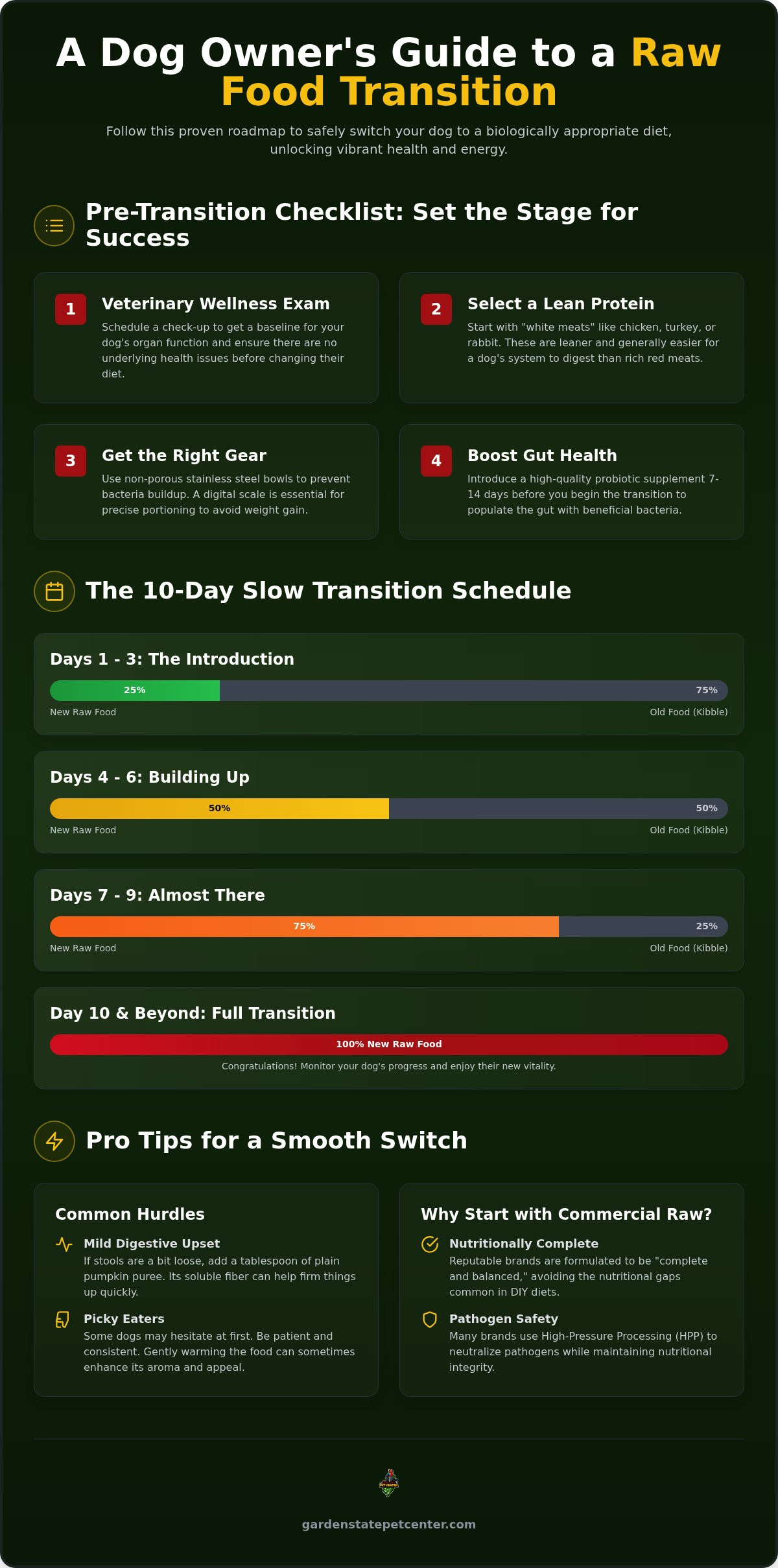
Success begins long before the first raw meal hits the bowl. Many owners rush the process, but taking a week to prepare your dog's internal environment is the best way to prevent the "transition trots." This phase focuses on strengthening the digestive system so it can handle new enzymes and proteins without distress. If you're wondering how to transition a dog to raw food smoothly, start by scheduling a wellness exam. A veterinarian can provide a baseline for your dog's organ function and ensure there are no underlying issues that might complicate a dietary change.
Once you have a clean bill of health, select your starting protein. We recommend beginning with "white meats" like chicken, turkey, or rabbit. These are generally leaner and easier for a dog's system to break down than rich red meats like beef or lamb. You'll also need the right equipment. Switch to non-porous stainless steel bowls to prevent bacterial buildup and invest in a digital scale. Precision matters; feeding by eye often leads to weight gain or nutritional imbalances during the early stages.
The Power of Probiotics and Digestive Aids
Introduce a high-quality probiotic approximately seven days before you intend to swap foods. Probiotics are essential during the first 14 days of a transition because they help populate the gut with beneficial bacteria. You can find specialized dog vitamins & supplements designed to support the immune system and gut lining during this period. If your dog experiences minor loose stools, adding a tablespoon of plain pumpkin puree can provide the soluble fiber needed to firm things up quickly.
Commercial Raw vs. DIY: Why Beginners Should Start Commercial
Beginners often feel tempted to jump straight into DIY meal prep, but home-prepared diets frequently suffer from nutritional gaps. Missing even one trace mineral can lead to long-term health issues. Starting with reputable commercial brands like OC Raw or SmallBatch ensures your dog receives a "complete and balanced" meal right away. Many of these brands utilize High-Pressure Processing (HPP) to neutralize pathogens while maintaining nutritional integrity. Following FDA safety guidelines for handling raw meat is still vital to keep your household safe. If you feel unsure about which recipe fits your dog's activity level, you can always browse our curated raw selections to find a formula that meets their specific needs.
The 10-Day Transition Timeline: A Step-by-Step Schedule
Precision is key when moving your pet to a species-appropriate diet. While some owners prefer a "cold turkey" approach, a structured 10-day schedule is the safest way to ensure your dog's digestive system adapts comfortably. We recommend starting with a "Fast Day" or a "Light Meal Day" to allow the gastrointestinal tract to rest and clear out remaining kibble residue. This 24-hour reset helps lower the stomach's pH level, preparing it for the more acidic environment required to process raw proteins. Understanding how to transition a dog to raw food involves respecting this biological timeline.
- Day 0: The Digestive Reset. Provide plenty of fresh water but skip breakfast and dinner to clear the system.
- Days 1 to 3: The 25/75 Ratio. Mix 25% of the new raw food with 75% of their previous diet. Monitor your dog's energy levels and enthusiasm for the bowl.
- Days 4 to 6: The 50/50 Split. Increase the raw portion to half of the total meal. This is the stage where most metabolic adjustments occur.
- Days 7 to 9: The 75/25 Ratio. Transition to a majority raw diet. If stools remain firm, you are ready for the final step.
- Day 10: 100% Raw. Congratulations, your dog is now fully transitioned to a nutrient-dense, raw lifestyle.
Monitoring the "Output": What Stools Tell You
Your dog's stool is the most reliable indicator of their internal health. On a raw diet, you should expect stools to be significantly smaller, firmer, and darker in color with much less odor. This happens because the body is actually absorbing the nutrients rather than passing fillers. If you notice persistent liquid diarrhea or frequent vomiting, slow down the transition and return to the previous day's ratio for 48 hours. Detox symptoms, such as a temporary increase in ear wax or a slight change in coat oils, typically appear within the first two weeks and resolve as the immune system stabilizes.
Freeze-Dried Raw: The Perfect "Bridge" Food
If your dog is hesitant about the texture of frozen raw, freeze-dried dog food serves as an excellent bridge. It mimics the crunch and familiarity of kibble while providing the same high-quality nutrition as frozen options. You can use freeze-dried nuggets as high-value toppers to entice picky eaters during the 25/75 phase. These shelf-stable options are also incredibly convenient for travel, ensuring you never have to break your dog's new routine when you're away from home. Mastering how to transition a dog to raw food is much easier when you have these versatile tools in your pantry.
Troubleshooting Common Transition Hurdles
Even with a structured 10-day plan, you might encounter a few hiccups. It's completely normal to feel concerned if your dog doesn't immediately take to the new bowl or if their digestion looks slightly different than usual. As you learn how to transition a dog to raw food, remember that your pet is unlearning years of processed food habits. We are here to help you navigate these hurdles with professional, practical advice that keeps your dog's welfare at the forefront.
One common concern is the "cleansing" period, which can manifest as temporary soft stools. This is often just the body shedding old waste and adjusting to new enzymes. However, if your dog brings food back up immediately after eating, it's usually regurgitation rather than vomiting. Regurgitation is often caused by eating too quickly or a temperature shock from cold food. You can easily fix this by using a slow-feeder bowl or allowing the food to sit at room temperature for fifteen minutes before serving. If you are worried about the cost of this new lifestyle, focus on buying larger bulk sizes of trusted brands like OC Raw, which significantly lowers the price per meal without sacrificing quality.
Strategies for Picky Eaters
Some dogs are "kibble addicts" because processed foods are often coated in flavor enhancers. To entice a picky eater, try the "Searing" technique. Lightly warm the outside of the raw patty in a pan for a few seconds to release the natural aromas, but keep the inside raw. You can also add a splash of goat milk or bone broth as a high-value topper. If they refuse to eat, remove the bowl after fifteen minutes and try again at the next scheduled mealtime. Consistency is vital; your dog will soon learn that this new, nutritious food is their only option.
Safety and Hygiene Myths
Many owners worry about bacteria, but a healthy dog's digestive tract is remarkably resilient. Their stomachs are highly acidic and their digestive paths are short, which is a natural defense against most pathogens. The real safety focus should be on your own hygiene. Treat raw pet food exactly like the meat you prepare for your family. Wash your stainless steel bowls after every meal, use dedicated cutting boards, and always clean your hands thoroughly. Following these simple steps makes raw feeding just as safe as any other method. To find the right starting point for your pet, shop our selection of premium raw foods and start your journey with confidence.
Professional Support for Your Raw Journey
Completing the initial 10-day switch is a major milestone, but your dog's nutritional needs will continue to evolve. Consulting a certified pet nutritionist acts as your ultimate safety net during this long-term shift. These experts provide the precision needed to customize a diet based on your dog's specific age, breed, and activity level. A high-energy working dog requires a different fat-to-protein ratio than a senior pet with a slower metabolism. By working with a professional, you ensure that as your dog reaches their goal weight, you can scale their portions accurately to maintain those results.
Ongoing health monitoring is the best way to verify that your chosen plan is working. Keep a close eye on the quality of their coat; a deep, vibrant shine is a hallmark of success. We also recommend annual bloodwork to monitor internal organ function and mineral levels. This data-driven approach allows you to make informed adjustments rather than guessing. If you've been wondering how to transition a dog to raw food for the long haul, remember that the most successful pet parents are those who treat nutrition as a dynamic, ongoing conversation with experts.
Finding Quality Raw Brands
In 2026, new AAFCO "Pet Nutrition Facts" labels make it easier than ever to compare protein and calorie counts. When selecting a brand, look for transparency in ingredient sourcing and a "complete and balanced" statement. We highly recommend starting with trusted names like SmallBatch or Vital Essentials. These companies prioritize high-quality proteins and rigorous safety standards. To build a robust microbiome, don't stick to just one recipe. Rotating between different proteins like turkey, beef, and lamb provides a wider spectrum of amino acids and keeps your dog excited for every meal.
Next Steps: Beyond the Transition
Once your dog is thriving on their new diet, you can introduce advanced elements to support total body wellness. Raw meaty bones are a fantastic addition for dental health, as the natural crunching action helps scrub away plaque. You can also enhance their bowl with fresh supplements like Green Juju to provide powerful antioxidant support and promote gut health. For a deeper look at specialized nutrition, explore our Premium Pet Food Guide. Mastering how to transition a dog to raw food is simply the first step in a lifelong journey toward peak vitality for your companion.
Embrace a Vibrant Future for Your Companion
Transitioning to a biologically appropriate diet is one of the most impactful decisions you can make for your pet's longevity. By following a structured 10-day timeline and prioritizing gut health preparation, you minimize risks and maximize the visible rewards of a shinier coat and better energy. You now have the tools to navigate hurdles like picky eating or metabolic shifts with professional confidence. Each step you take brings your dog closer to the peak vitality their ancestors enjoyed.
Mastering how to transition a dog to raw food doesn't have to be a solo effort. We provide expert support through our on-site certified pet nutritionist and a selection of expertly curated raw brands to ensure your dog receives perfectly balanced nutrition. With free local delivery available, starting this journey is more convenient than ever. Consult with our Certified Pet Nutritionist and shop Premium Raw Food to give your dog the high-quality nutrition they deserve. You're taking a wonderful step toward a happier, healthier life for your best friend.
Frequently Asked Questions
Can I mix raw food and kibble in the same meal?
Yes, you can mix raw food and kibble, especially during the initial stages of a diet change. While some believe different digestion rates cause issues, most dogs handle a combination well as they adapt. Mixing is a fundamental part of the 10-day schedule used to help your pet adjust. If your dog has a very sensitive stomach, you might prefer feeding kibble for breakfast and raw for dinner to keep them separate.
Will raw food make my dog aggressive or "bloodthirsty"?
No, feeding a raw diet does not cause aggression or change a dog's fundamental temperament. This is a persistent myth with no biological or behavioral evidence to support it. In fact, many pet parents find that their dogs are calmer and more satisfied after eating a nutrient-dense, species-appropriate meal. Stable energy levels from high-quality proteins often lead to better focus and fewer behavioral spikes caused by carbohydrate-heavy fillers.
Is raw food safe for puppies and senior dogs?
Raw food is excellent for both puppies and seniors when the nutrient ratios are carefully managed. Puppies need precise calcium and phosphorus levels for bone development, while seniors benefit from high moisture content that supports kidney function. When learning how to transition a dog to raw food at these life stages, professional guidance is vital. Our on-site certified pet nutritionist can help customize a plan that ensures safety and optimal growth.
What is the "detox period" and what should I expect?
The detox period is a short phase where the body adjusts to the absence of processed ingredients and fillers. You might see a temporary increase in ear wax, a slight change in coat oils, or "cleansing" stools that look different than usual. These symptoms typically resolve within one to two weeks. It's a sign that the immune system is stabilizing and the body is efficiently processing real, live enzymes for the first time.
How much raw food should I feed my dog daily?
Most adult dogs thrive on a daily portion equal to 2% to 3% of their ideal body weight. For instance, a 50-pound dog would typically consume about one to one and a half pounds of food per day. This amount should be adjusted based on their metabolism and activity levels. We recommend using a digital scale for every meal to maintain precision and prevent accidental weight gain during the early stages of the switch.
Can I feed my dog raw meat from the grocery store?
It is generally safer to use commercial raw products rather than meat intended for human consumption. Grocery store meat is processed with the expectation that it will be cooked to kill surface bacteria. Commercial raw brands like OC Raw or SmallBatch use specialized safety protocols and ensure the meal is "complete and balanced" with the correct organ and bone ratios. DIY grocery store meals often lack the trace minerals required for long-term health.
What are the best proteins to start with for a sensitive stomach?
Lean white meats like turkey, rabbit, or whitefish are the best proteins for a sensitive transition. These options are much easier for the digestive tract to break down than rich red meats like beef or lamb. By starting with a single lean protein, you can monitor your dog's reaction without overwhelming their system. Once they are stable, you can begin rotating in other proteins to create a diverse and robust gut microbiome.
Do I need to add vitamins to a commercial raw diet?
Most premium commercial raw diets are formulated to meet AAFCO standards and already include the necessary vitamins and minerals. However, adding targeted supplements can provide extra support for specific health goals. When you are mastering how to transition a dog to raw food, you might consider adding Green Juju for antioxidants or omega-3 oils for skin health. Our team can help you determine if your dog's specific breed or age requires additional nutritional support.

Article by
Victor Santucci
Victor Santucci is the owner of Garden State Pet Center in Audubon, NJ, where he specializes in premium pet nutrition, exotic animals, and expert-level care. With years of hands-on experience and a passion for helping pets thrive, Victor is dedicated to educating pet owners on proper nutrition, enrichment, and species-specific care. His mission is simple: provide every pet with the highest quality products and every customer with honest, knowledgeable guidance.
Share this post
- 0 comment
- Tags: BARF diet, canine diet, dog gut health, dog nutrition, how to transition a dog to raw food, pet health, raw dog food, raw feeding, transitioning to raw