

Best Dog Food for Skin Allergies: A Holistic Guide to Anti-Inflammatory Nutrition


What if the "sensitive skin" kibble you are currently using is actually fueling the fire of your dog's inflammation? Searching for the best dog food for skin allergies can be exhausting, especially when you are dealing with mounting vet bills and no permanent results. It's heartbreaking to watch your companion chew their paws raw while you struggle to decode complex ingredient labels. You want a solution that works, not just another temporary steroid shot or a bag of over-processed pellets.
In this guide, you will discover how to identify the root causes of itchy skin and choose a biologically appropriate diet that promotes long-term healing from the inside out. We will show you how a transition to holistic, anti-inflammatory nutrition can lead to a shiny, non-itchy coat and a simple, sustainable feeding plan. This approach focuses on reducing inflammation and shedding by treating the whole animal rather than just masking the symptoms. By the end, you'll have the specialized knowledge needed to restore your dog's health and vitality through professional-grade nutritional choices.
Key Takeaways
- Learn how to distinguish between a true immune-mediated allergy and a digestive intolerance to stop chronic inflammation at its source.
- Discover why a biologically appropriate balance of high protein and Omega-3 fatty acids makes for the best dog food for skin allergies by calming systemic irritation.
- Compare the benefits of raw, gently cooked, and premium dry diets to find the most effective processing method for your pet's unique needs.
- Master a professional 14-day transition plan that minimizes digestive upset and helps you navigate the common "detox" phase of skin healing.
- Find out how targeted supplements and professional nutritional consultations can accelerate the recovery of your dog's coat and overall health.
Understanding the Root Causes of Canine Skin Allergies
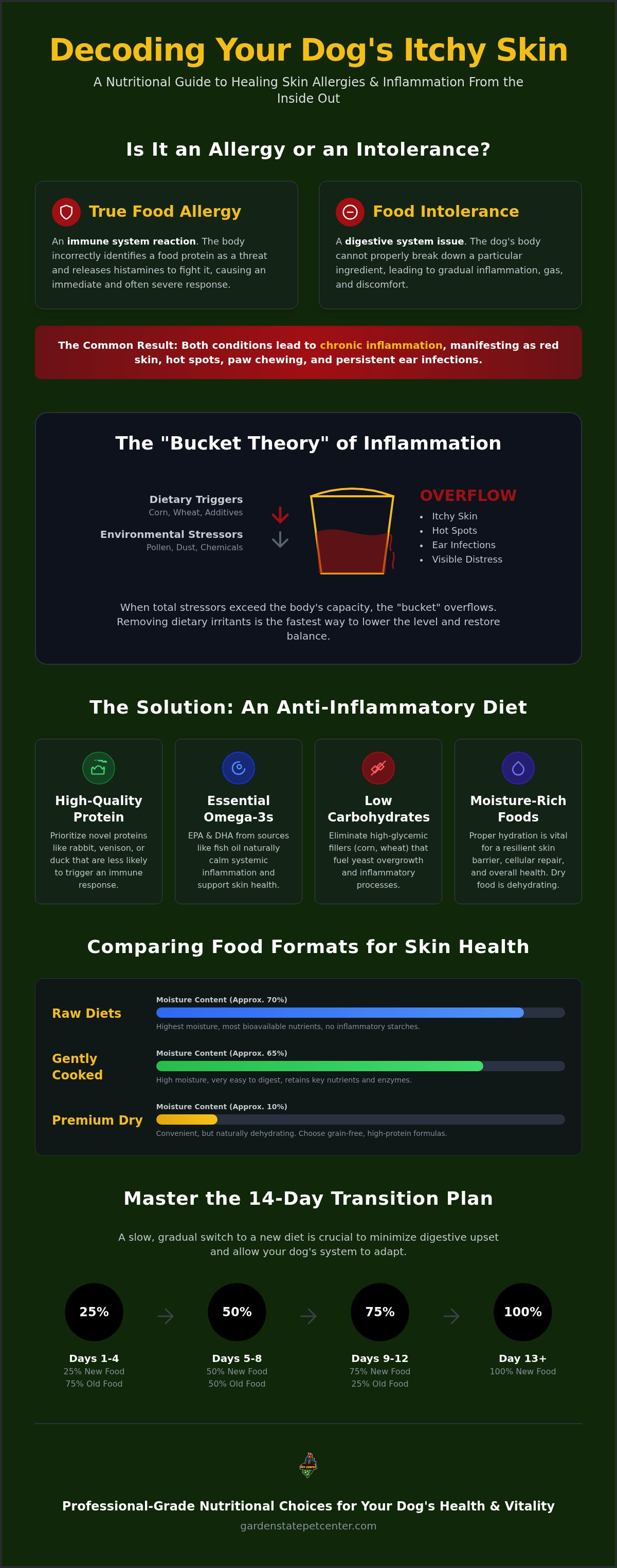
Identifying the source of your dog's scratching is the first step toward lasting relief. Many pet owners use the terms "allergy" and "intolerance" interchangeably, but they represent different biological processes. A food allergy involves a specific immune system reaction. This happens when the body identifies a protein as a threat and releases histamines to fight it. In contrast, a food intolerance is a digestive issue where the dog's system cannot break down a particular ingredient. Both lead to chronic inflammation. This systemic heat manifests as red skin, weeping hot spots, and persistent ear infections. Canine dermatitis is a visible symptom of a deeper internal imbalance rather than just a reaction to an external irritant.
Think of your dog's health through the "Bucket Theory." Every environmental stressor, from seasonal pollen to household dust, adds to the bucket. When you add dietary triggers, the bucket overflows, resulting in visible distress. Choosing the best dog food for skin allergies is about lowering that total stress load on the body. By removing dietary irritants, you give the immune system a chance to calm down and handle environmental challenges more effectively.
Common Dietary Triggers for Itchy Skin
Specific ingredients often act as the primary catalysts for skin flare-ups. High-glycemic carbohydrates like corn, wheat, and soy are frequent offenders because they provide a sugar source for yeast overgrowth. When yeast thrives, it creates intense itching between toes and inside ears. Low-quality proteins or heavily processed by-products can also trigger a histamine release. Even "natural flavors" and chemical preservatives can irritate a sensitive system. Researching Canine Skin Disorders reveals that nutrition is a foundational pillar in managing these complex conditions. Eliminating these hidden irritants is essential for restoring skin health.
The Gut-Skin Axis: Why Digestion Matters
Health begins in the gut. The "gut-skin axis" describes the direct communication between the digestive tract and the skin's surface. If a dog has a compromised gut lining, often called "leaky gut," undigested food particles slip into the bloodstream. The immune system reacts to these "invaders," causing systemic inflammation. A diverse microbiome acts as a shield, modulating the immune response so it doesn't overreact to every stimulus. Highly processed kibble can degrade the gut wall over time due to high starch content and a lack of moisture. Transitioning to a more biologically appropriate diet helps heal these microscopic gaps. You can explore our curated selection of premium dog food to find options that prioritize gut integrity and skin health. Finding the best dog food for skin allergies requires looking at how well the food supports the delicate balance of the digestive system.
The Anti-Inflammatory Diet: A Biologically Appropriate Approach
While many commercial diets focus on eliminating ingredients, true healing comes from feeding biologically appropriate nutrition. This means prioritizing high-quality animal protein, moderate fats, and low carbohydrate levels. Dogs aren't designed to process heavy starches, which often fuel the systemic heat we see as skin irritation. Moisture is equally vital. Moisture-rich foods support the skin's natural barrier, preventing it from becoming brittle and prone to environmental allergens. Dry, flaky skin is often the first sign that a dog's diet lacks the hydration necessary for cellular repair.
Using novel proteins is a cornerstone of this nutritional strategy. Ingredients like rabbit, venison, or duck are often "new" to a dog's immune system. Because the body hasn't encountered them frequently, it's less likely to trigger a defensive response. Pairing these proteins with Omega-3 fatty acids, specifically EPA and DHA, helps calm existing inflammation from the inside out. The AVMA on Pet Allergies notes that managing these triggers is essential for long-term comfort. Finding the best dog food for skin allergies often means looking beyond the front of the bag to ensure these anti-inflammatory building blocks are present in every meal.
Key Nutrients for Skin Repair
Healthy skin requires specific biological tools to rebuild. Zinc and Vitamin E serve as the primary building blocks for a resilient coat and supple skin. Antioxidants play a critical role by neutralizing free radicals that cause cellular damage and intense itching. You can easily boost these levels by adding functional toppers like Green Juju. These additions provide concentrated phytonutrients that standard kibble often lacks due to high-heat processing. These whole-food additions help stabilize the immune system and reduce the frequency of flare-ups.
Avoiding Pro-Inflammatory Ingredients
You must identify and remove ingredients that actively drive inflammation. High-starch fillers like white potatoes or peas quickly turn into sugar, which fuels yeast overgrowth and intense scratching. Vague listings like "animal by-products" make it impossible to know what your dog is actually eating. Synthetic dyes and artificial preservatives can also cause hives or localized itching in sensitive pets. To ensure your companion is getting clean, whole-food nutrition, you can explore our selection of biologically appropriate diets designed specifically for sensitive systems. Choosing transparently labeled foods is the most reliable way to avoid hidden allergens.
Comparing Food Formats: Raw, Gently Cooked, and Premium Dry Food
The way your dog's food is processed has a direct impact on its ability to heal. Standard commercial kibble is often produced using high-heat extrusion, which can alter the structure of proteins and create inflammatory byproducts. These changes can make a dog's immune system more likely to react, even to seemingly healthy ingredients. In contrast, raw and gently cooked methods preserve the nutritional integrity of the raw materials. This makes them highly effective options when searching for the best dog food for skin allergies. You can Explore our curated selection of premium dog food to see how these specialized formats prioritize your pet's recovery.
Bioavailability is another critical factor in managing skin health. This term refers to how easily your dog's body can absorb and utilize the nutrients in their bowl. When you perform an elimination diet trial, using highly bioavailable foods ensures that your results aren't clouded by poor digestion. Raw and gently cooked meals are significantly easier for the body to break down than heavily processed pellets. This efficiency allows the immune system to stop overreacting to undigested food particles and start focusing on repairing the skin barrier.
The Benefits of Raw and Freeze-Dried Diets
Raw diets provide live enzymes that are often destroyed during the cooking process. These enzymes support healthy digestion and significantly reduce the metabolic load on the immune system. We've seen incredible success with brands like SmallBatch and Vital Essentials in clearing up chronic "itchy dog" symptoms. If you have a busy schedule, freeze-dried raw food is a fantastic alternative. It offers the same biological benefits as frozen raw food but with the convenience of shelf-stable storage. It's a professional-grade solution that fits easily into a modern lifestyle.
Gently Cooked and Holistic Kibble Options
Some dogs have sensitive stomachs that require a middle ground. Gently cooked food, such as Raised Right, provides the benefits of whole-food nutrition with a light cook that makes proteins easier to handle. This is often the best dog food for skin allergies for senior dogs or those with compromised gut health. If you prefer the convenience of dry food, choose low-heat baked options like Carna4. Unlike extruded kibble, Carna4 preserves vitamins and minerals without adding synthetic premixes. For reliable daily maintenance, premium brands like Fromm or Farmina offer specialized recipes that avoid common allergens while maintaining high professional standards. If you are exploring broader options for your pet's dietary needs, find out more about Retail sale of pet food and animal supplies to see how specialist retailers curate healthy recipes and essentials.
How to Transition Your Dog to an Allergy-Friendly Diet
Switching your dog's diet requires a patient, methodical approach to avoid overwhelming their digestive system. Speed is the enemy of success here. A sudden change can cause gastric upset, which complicates your ability to track allergy improvements. We recommend a 14-day transition period. Start with 25% of the new food and 75% of the old for the first three days. Gradually shift the ratio every few days until your dog is eating 100% of the new recipe by day 14. Using a single protein source during this time is vital. It allows you to isolate variables and confirm that the new ingredients are actually helping.
Don't be alarmed if you notice a "detox" phase during the first few weeks. As you introduce the best dog food for skin allergies, your dog's body may purge stored toxins through the skin. This "healing crisis" can cause a temporary increase in itching or shedding before the real recovery begins. To ease this shift, add raw goat milk or digestive enzymes to their bowl. These additions provide the probiotics and biological tools needed to repair the gut lining and process new proteins efficiently.
Conducting a Successful Elimination Trial
A true elimination trial is the gold standard for identifying triggers. You must choose a novel protein your dog has never encountered before, such as kangaroo, pheasant, or rabbit. Stick to the 8-week rule. It takes at least two months for the old proteins to leave your dog's system and for the new nutrients to show visible results in the coat. Be vigilant about "hidden" allergens. Even a single flavored heartworm pill or a piece of chicken-based jerky can reset the clock on your trial. Consistency is the only way to get clear answers.
Monitoring Progress and Adjusting
Keep a detailed food diary to document your journey. Track daily itching levels on a scale of one to ten, and pay close attention to stool quality and coat shine. Healthy, firm stools are a sign that the gut is healing. Once you see a consistent reduction in scratching, you can slowly introduce secondary supplements like fish oil or kelp. Recognizing a successful match is easy. Your dog will have more energy, less odor, and skin that is no longer hot to the touch. If you feel stuck, consult our nutritional experts to refine your strategy and find the perfect long-term solution.
Expert Support: Supplements and Nutritional Consultations
Choosing the best dog food for skin allergies is a foundational step, but complex cases often require a more targeted approach to achieve full resolution. Chronic inflammation can deplete the body of specific nutrients, making it difficult for the skin to heal even after you have removed primary triggers. Professional nutritional consultations serve as a strategic shortcut in these situations. Instead of spending months on trial and error with different retail brands, you can consult with a specialist who understands the nuances of protein rotations and gut repair. This expert oversight ensures you are not just masking symptoms but actively rebuilding your dog's health from the inside out.
Essential Supplements for Itchy Dogs
Specific nutrients can accelerate the healing process by calming an overactive immune system. Quercetin is a powerful tool in this process. Often called "Nature's Benadryl," this plant-derived flavonoid helps stabilize the cells that release histamine, providing relief from intense itching. When you pair Quercetin with high-potency fish oils, you create a potent anti-inflammatory environment that reduces systemic redness and swelling. We also recommend using colostrum and targeted probiotics to support the gut-skin axis. These supplements are essential for sealing the gut lining and boosting overall immunity. You can browse our dog vitamins and supplements to find professional-grade options that complement a biologically appropriate diet.
The Garden State Pet Center Difference
Our approach to canine wellness is rooted in over three decades of specialized experience. Since 1990, we have focused on holistic pet health, applying the same clinical precision to dogs that we use for sensitive exotic species. We don't just stock shelves; we curate a selection of brands like Open Farm and Green Juju that meet our rigorous standards for ingredient transparency. This commitment to excellence makes us a reliable resource for pet owners seeking permanent solutions rather than temporary fixes. For a deeper look at our nutritional philosophy, read our guide on Premium Pet Food in Audubon, NJ: The Complete Guide to Specialized Nutrition. Finding the best dog food for skin allergies is much simpler when you have a knowledgeable partner to guide your choices and support your dog's long-term well-being.
Restore Your Dog's Vitality Through Nutrition
Your dog doesn't have to live with the constant discomfort of itchy skin and systemic inflammation. By identifying the root causes of canine dermatitis and switching to a biologically appropriate diet, you can restore their coat and energy levels from the inside out. Prioritizing moisture-rich, high-protein formats like raw or gently cooked food helps heal the gut-skin axis and reduces the total inflammatory load on their system. Consistency during the transition phase is key to seeing long-term results.
Garden State Pet Center has been family-owned and operated since 1990, providing specialized expertise in holistic and raw nutrition for sensitive pets. Our on-site certified pet nutritionist is available for professional consultations to help you navigate complex cases and choose the best dog food for skin allergies based on your dog's unique biological needs. We are committed to excellence and the long-term well-being of the animals in our community.
Shop our curated selection of premium, allergy-friendly dog food today!
Take the first step toward a happier, scratch-free life for your companion. We are ready to help you find the sustainable feeding plan your pet deserves.
Frequently Asked Questions
How can I tell if my dog has a food allergy or an environmental allergy?
Look at the timing and location of the itching to distinguish between the two. Environmental allergies often follow seasonal patterns or occur after outdoor activity, while food allergies persist year-round regardless of the weather. Food-related issues frequently involve chronic ear infections and paw licking; they are also often accompanied by digestive symptoms like gas or loose stools. Observing these patterns helps our team identify the correct treatment path for your pet.
What is the best protein for dogs with severe skin allergies?
Novel proteins like kangaroo, pheasant, or rabbit are typically the most effective for severe cases. These are "new" meat sources that your dog's immune system hasn't encountered, which significantly reduces the risk of an inflammatory response. Finding the best dog food for skin allergies usually involves avoiding common triggers like chicken or beef. We recommend rotating these novel proteins to maintain a balanced and resilient immune system over time.
Is grain-free dog food actually better for dogs with skin allergies?
It depends on the specific trigger, but many dogs benefit from grain-free options if they have a sensitivity to corn, wheat, or soy. High-glycemic grains can fuel yeast overgrowth, which directly worsens itching and skin odor. However, the quality of the protein and the absence of synthetic additives are often more important than the grain-free label itself. Always check for low-starch fillers like white potatoes that can still cause inflammatory issues.
Can raw dog food help with chronic hot spots and itching?
Raw food is exceptionally helpful because it contains live enzymes and lacks the inflammatory byproducts created during high-heat extrusion. These enzymes support efficient digestion and reduce the metabolic strain on the immune system. Many pet owners find that raw diets are the best dog food for skin allergies because they provide essential moisture and bioavailable nutrients that processed kibble lacks. This approach helps heal chronic hot spots by treating the inflammation internally.
How long does it take for a new diet to show results in my dog's skin?
You should expect to wait at least 8 to 12 weeks to see a definitive change in your dog's skin. It takes a significant amount of time for old allergens to leave the system and for the skin cells to fully regenerate. While you might notice digestive improvements or better energy within the first few weeks, coat shine and a reduction in hot spots require patience and strict adherence to the new feeding plan.
Are there specific treats I should avoid for a dog with allergies?
You should avoid any treats containing "animal by-products," artificial dyes, or high-starch fillers like wheat flour and sugar. These ingredients are common triggers for histamine release and yeast overgrowth. Stick to single-ingredient dehydrated treats that match the protein source in your dog's main meal. Even a small piece of a "forbidden" protein or a biscuit with synthetic preservatives can trigger a flare-up and ruin an ongoing elimination trial.
What are 'novel proteins' and why are they recommended for allergies?
Novel proteins are meat sources your dog has never eaten before, such as venison, duck, or pheasant. They are recommended because the immune system hasn't had the opportunity to develop a sensitivity or an allergic response to them. This makes them a "clean slate" for dogs struggling with systemic inflammation and chronic itching. Using these proteins during an elimination trial is the most reliable way to identify what truly works for your pet.
Should I use a prescription diet from my vet or a high-quality commercial food?
While prescription diets are a common starting point, high-quality holistic or raw foods often provide superior nutrition without the low-quality fillers found in many veterinary formulas. Holistic brands focus on whole-food ingredients that support the gut lining naturally. Consulting a certified pet nutritionist can help you determine if a specialized commercial diet is a better fit than a standard prescription bag. Our goal is to find a sustainable, high-quality solution for your dog.

Article by
Victor Santucci
Victor Santucci is the owner of Garden State Pet Center in Audubon, NJ, where he specializes in premium pet nutrition, exotic animals, and expert-level care. With years of hands-on experience and a passion for helping pets thrive, Victor is dedicated to educating pet owners on proper nutrition, enrichment, and species-specific care. His mission is simple: provide every pet with the highest quality products and every customer with honest, knowledgeable guidance.
Share this post
- 0 comment
- Tags: anti-inflammatory diet, best dog food for skin allergies, canine nutrition, dog food, dog health, holistic pet care, itchy dog, skin allergies